Loading subject page…

- Biology
- Cell Structure and Function
- Peroxisomes and Mitochondria
Micro-course: Cell Structure and Function
1,576,715 views
Learn key concepts and earn your certificate.



Peroxisomes and Mitochondria


00:00
01:30
Video Summary: What Is Peroxisomes and Mitochondria
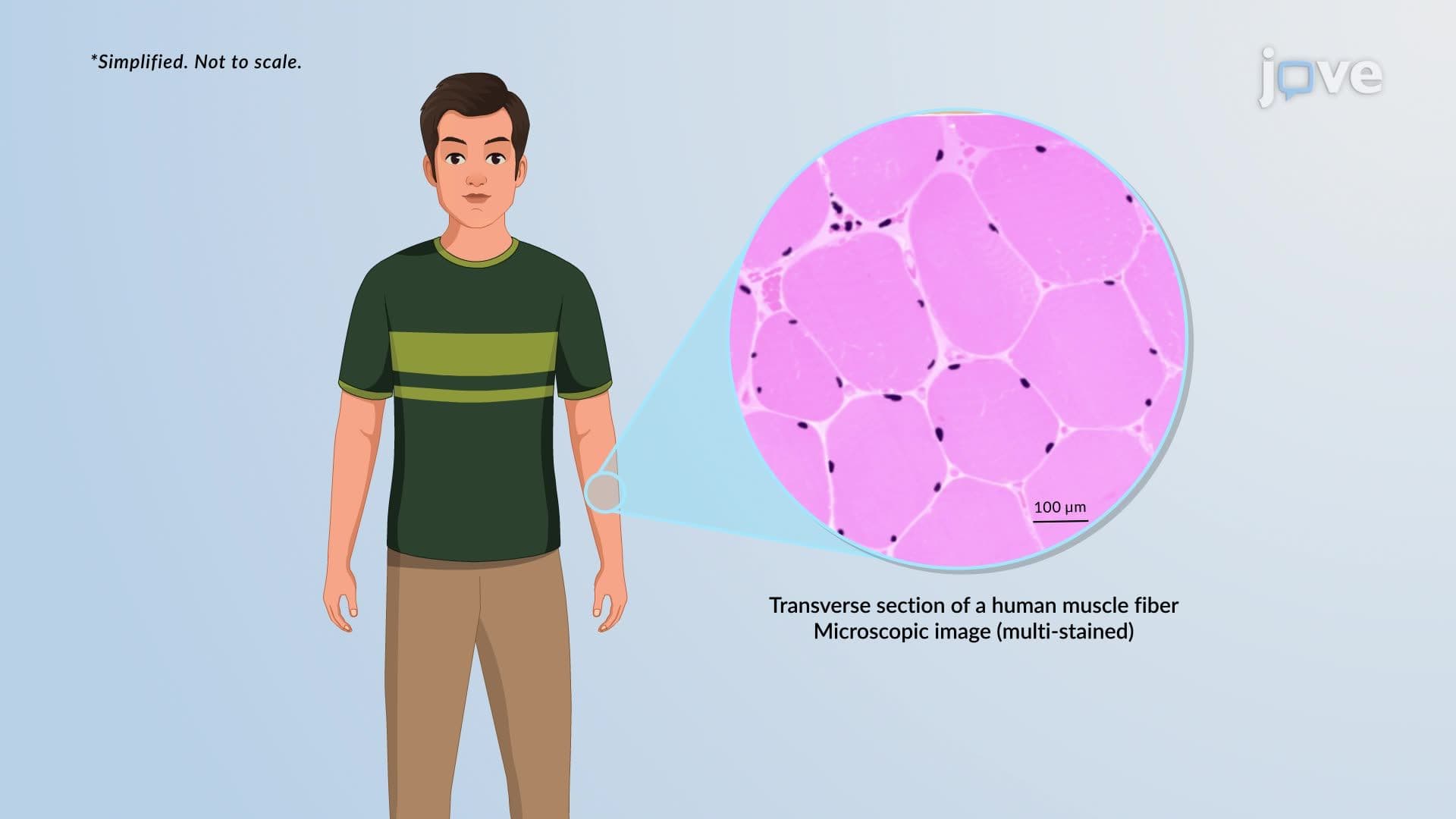
Ever wonder how your muscle cells generate enough energy for a marathon run while simultaneously detoxifying harmful chemicals? Peroxisomes mitochondria cell biology reveals the fascinating partnership between these two oxygen-utilizing organelles in every cell of your body. In human liver cells, peroxisomes work around the clock breaking down alcohol and fatty acids while mitochondria pump out ATP energy-like having both a detox center and power plant in each cell. Understanding what is peroxisomes and mitochondria is crucial for grasping cellular metabolism and energy production. Watch the full video on JoVE Coach to master this concept with expert-led visuals and step-by-step explanations.
- Understand what is peroxisomes and mitochondria and their distinct roles as oxygen-utilizing organelles in eukaryotic cells
- Identify the structural differences between single-membrane peroxisomes and double-membrane mitochondria with cristae
- Compare the metabolic functions of peroxisome fatty acid oxidation versus mitochondrial ATP synthesis
- Analyze how catalase enzyme prevents hydrogen peroxide toxicity through H2O2 detoxification in peroxisomes
- Evaluate why muscle and liver tissues contain higher mitochondrial densities based on energy requirements
- Apply knowledge of organelle distribution to explain cellular specialization in different tissue types
- Recognize the interconnected nature of peroxisomal and mitochondrial metabolism in cellular energy production
- Explore how organelle dysfunction contributes to metabolic diseases and aging processes
Understanding Peroxisomes and Mitochondria in Cellular Context
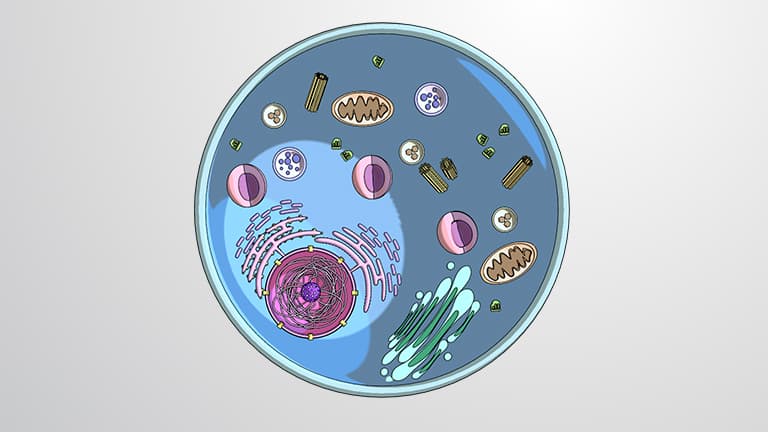
Peroxisomes mitochondria cell biology forms the foundation of cellular energy metabolism and detoxification. These organelles represent evolutionary adaptations that allow eukaryotic cells to harness oxygen's power while managing its toxic byproducts. In the human body, every nucleated cell contains both organelles working in metabolic coordination-from brain neurons requiring constant ATP to liver hepatocytes processing dietary fats and toxins.
Peroxisome Structure and Detoxification Functions
Peroxisomes are single-membrane organelles containing up to 50 specialized enzymes for fatty acid peroxisome oxidation and detoxification reactions. Their most critical function involves peroxisome H2O2 detoxification through catalase enzyme activity. When peroxisomes break down very long-chain fatty acids (VLCFAs) or metabolize alcohol, hydrogen peroxide forms as a dangerous byproduct. Catalase immediately converts this H2O2 into harmless water and oxygen, preventing cellular damage.
In US medical education, students encounter peroxisomal disorders like Zellweger syndrome on MCAT exams, where genetic defects prevent proper peroxisome assembly. These conditions highlight how essential peroxisomal detoxification is for human health, particularly in brain and liver development.
Mitochondrial Structure and Energy Production
The double membrane mitochondria architecture enables efficient mitochondria ATP energy production through oxidative phosphorylation. The highly folded inner membrane creates cristae, maximizing surface area for electron transport chain complexes. This structural adaptation allows mitochondria to generate approximately 32-38 ATP molecules per glucose molecule-far exceeding glycolysis alone.
College biochemistry courses emphasize how mitochondrial density correlates with tissue energy demands. Cardiac muscle cells contain thousands of mitochondria, while mature red blood cells contain none. This distribution pattern frequently appears on AP Biology exams and USMLE Step 1 questions about cellular specialization.
Metabolic Integration and Clinical Significance
Organelle comparison biology reveals how peroxisomes and mitochondria complement each other metabolically. Peroxisomes initiate fatty acid breakdown, producing acetyl-CoA that mitochondria use for ATP synthesis. This partnership becomes clinically relevant in conditions like diabetes, where impaired fatty acid oxidation affects both organelles.
Understanding these concepts proves essential for pre-med students preparing for MCAT biochemistry sections, where organelle function questions commonly appear. Additionally, nursing students encounter mitochondrial dysfunction in NCLEX-RN questions about metabolic disorders and aging-related diseases.
Frequently Asked Questions
Peroxisomes are single-membrane organelles containing detoxifying enzymes, while mitochondria have double membranes with folded cristae for ATP production. Peroxisomes specialize in breaking down fatty acids and toxins, producing hydrogen peroxide that catalase converts to water and oxygen. Mitochondria focus on energy generation through oxidative phosphorylation, containing the electron transport chain within their inner membrane folds.
MCAT biochemistry sections frequently test organelle function, membrane structure, and metabolic pathways involving both organelles. Expect questions about catalase deficiency, fatty acid oxidation pathways, ATP yield calculations, and organelle inheritance patterns. Practice identifying which organelle performs specific reactions like beta-oxidation initiation (peroxisomes) versus completion (mitochondria).
AP Biology Unit 2 (Cell Structure and Function) covers both organelles extensively in cellular energetics contexts. Students must understand membrane-bound organelle evolution, enzyme compartmentalization, and metabolic pathway integration. Free response questions often require explaining how organelle dysfunction affects cellular metabolism and organism survival.
Liver cells perform intensive detoxification and fatty acid metabolism, requiring abundant peroxisomes for alcohol breakdown and very long-chain fatty acid oxidation. The liver processes dietary fats, medications, and toxins daily, making peroxisomal catalase activity essential for preventing hydrogen peroxide accumulation and cellular damage.
Basic high school chemistry suffices for understanding peroxisome and mitochondria functions. Focus on enzyme-substrate relationships, oxidation-reduction reactions, and membrane transport rather than complex biochemical pathways. Most introductory biology courses provide adequate background for grasping organelle roles in cellular metabolism.
Create comparison charts highlighting structural differences, enzyme content, and metabolic functions between peroxisomes and mitochondria. Practice drawing both organelles with labeled components, and memorize key enzymes like catalase and cytochrome oxidase. Use mnemonics connecting structure to function-"peroxide peroxisomes" for H2O2 detoxification and "mighty mitochondria" for ATP production.
Peroxisomal disorders include Zellweger syndrome and X-linked adrenoleukodystrophy, causing developmental delays and neurological problems. Mitochondrial diseases like MELAS syndrome and Leber hereditary optic neuropathy affect high-energy tissues like brain and muscle. These conditions demonstrate how organelle dysfunction impacts human health and appear in medical school curricula.
Investigate organelle biogenesis, studying how cells regulate peroxisome and mitochondria numbers based on metabolic demands. Explore evolutionary endosymbiotic theory explaining mitochondrial origins, and examine current research on organelle communication and metabolic flexibility in disease states and aging processes.
Related Micro-courses