Loading…
Loading video…

1,576,715 views

Ever wonder why a massive oak tree can tower 100 feet tall without toppling over? The secret lies in plant cell wall biology – a sophisticated structural system that gives plants their incredible strength and rigidity. Unlike animal cells, plant cells possess a plant cell wall, a multi-layered fortress that provides protection, support, and shape. From the towering redwoods of California to the corn crops of Iowa, this remarkable structure enables plants to maintain their upright stance against gravity and environmental forces. Watch the full video on JoVE Coach to master this concept with expert-led visuals and step-by-step explanations.
The plant cell wall represents one of nature's most ingenious engineering solutions, providing plants with the structural integrity needed to compete for sunlight while anchoring firmly in soil. This complex structure distinguishes plant cells from animal cells and serves as the foundation for all terrestrial plant life, from microscopic algae to California's giant sequoias.
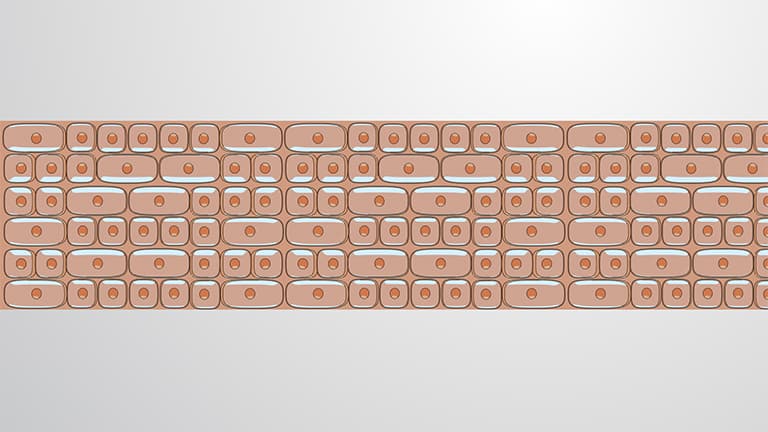
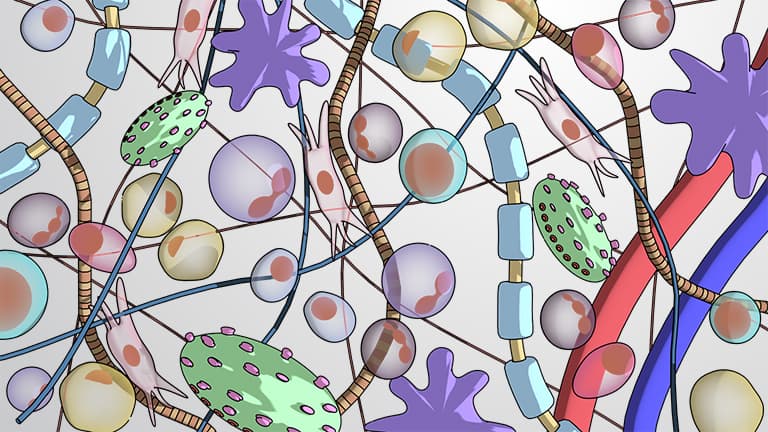
Plant wall structure function operates through a sophisticated three-tier system. The middle lamella acts as cellular cement, rich in pectin that binds adjacent cells together to form cohesive plant tissues. This pectin-dominated layer is crucial for fruit development – it's what gives apples their firm texture and allows citrus fruits to maintain their segmented structure.
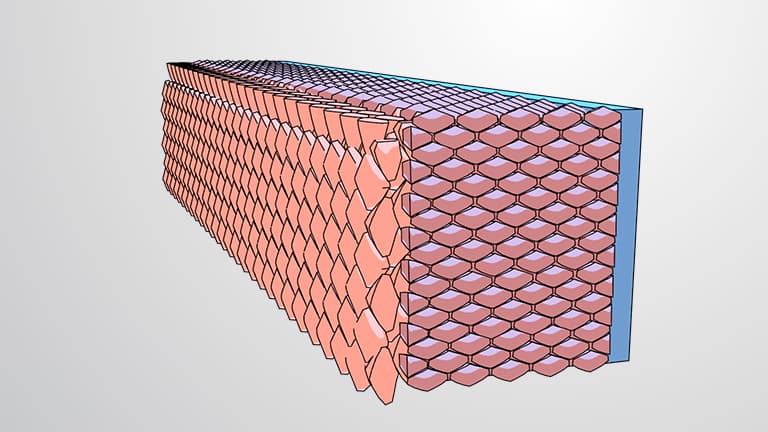
The primary cell wall develops next, featuring a cellulose primary cell wall embedded in a gel-like matrix of pectin and hemicellulose. This layer's flexibility is essential during active growth phases, allowing cells to expand as plants reach toward sunlight. Young corn stalks exemplify this process, stretching rapidly during summer growing seasons across Midwest farmlands.
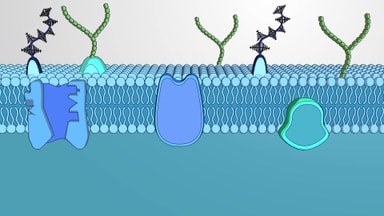
After maturation, many plant cells deposit a secondary lignified cell wall between the primary wall and plasma membrane. This layer incorporates lignin, a complex polymer that transforms flexible plant tissues into rigid, woody structures. The difference between a tender grass blade and solid oak lumber demonstrates lignin's transformative power in plant wall rigidity biology.
Vascular plants showcase remarkable cell wall specialization. Xylem vessel elements and tracheids develop reinforced secondary walls with unique patterns – spiral, annular, or pitted – that prevent collapse under negative pressure during water transport. These adaptations are particularly evident in drought-resistant plants native to southwestern US deserts.
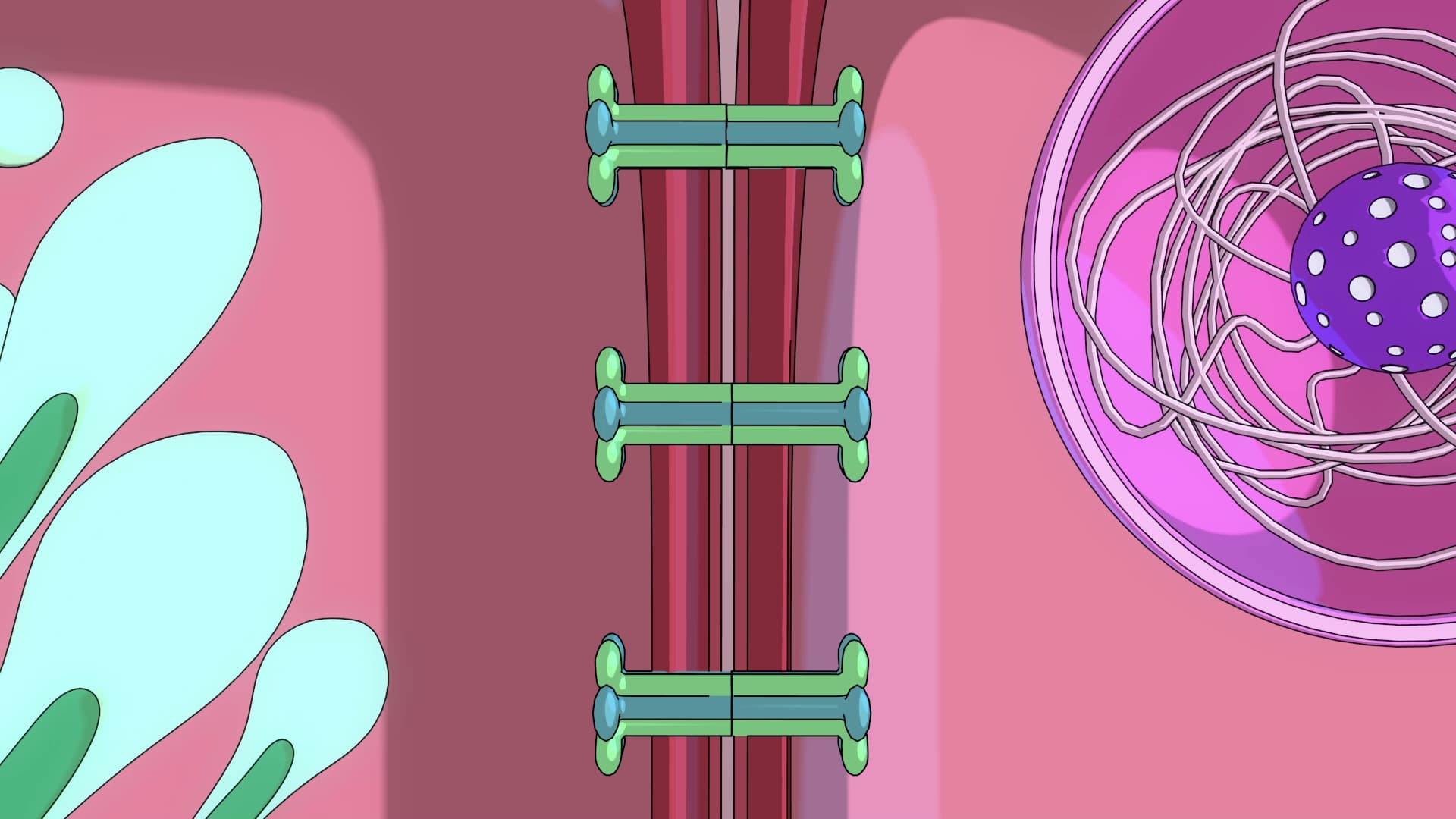
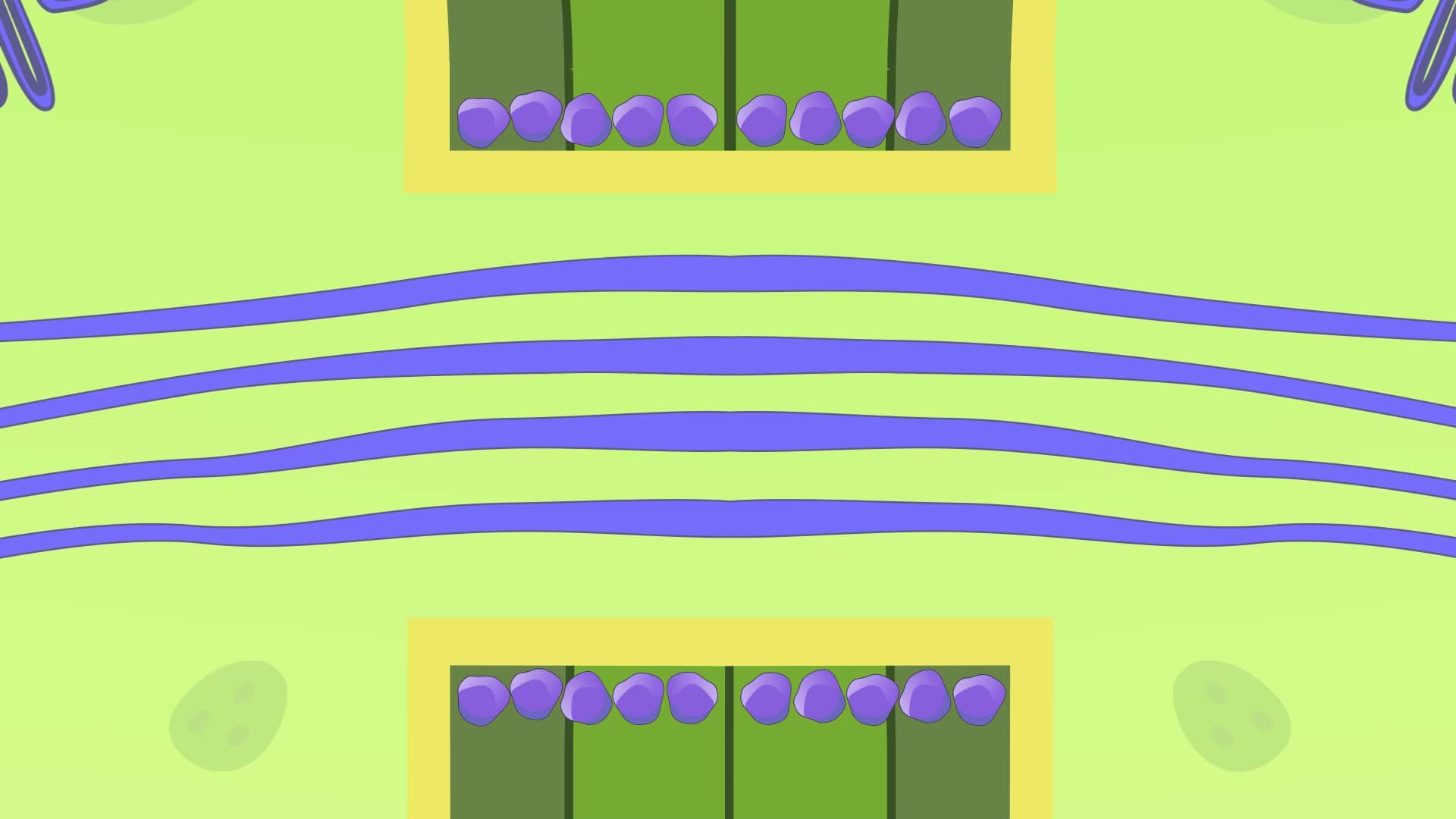
Despite their protective nature, plant cell walls maintain selective permeability through plasmodesmata – microscopic channels connecting adjacent cells. These connections facilitate the movement of water, nutrients, and signaling molecules throughout plant tissues, supporting coordinated growth and stress responses.
Students preparing for AP Biology or college-level botany courses should focus on understanding how turgor pressure cell wall interactions maintain plant structure. This concept frequently appears in exam questions about plant physiology and water relations, particularly in contexts involving osmotic regulation and drought stress responses.
Frequently Asked Questions
The plant cell wall is a rigid, multi-layered structure outside the plasma membrane that provides structural support, protection, and shape to plant cells. Unlike flexible animal cell membranes, plant cell walls contain cellulose, pectin, and lignin, creating a strong framework that allows plants to grow tall and maintain upright postures without skeletal systems.
AP Biology frequently tests plant cell wall structure through multiple-choice questions about polysaccharide composition and free-response questions comparing plant and animal cell organization. Students should know the three layers, understand cellulose's role in primary walls, and explain how lignin contributes to secondary wall rigidity in woody tissues.
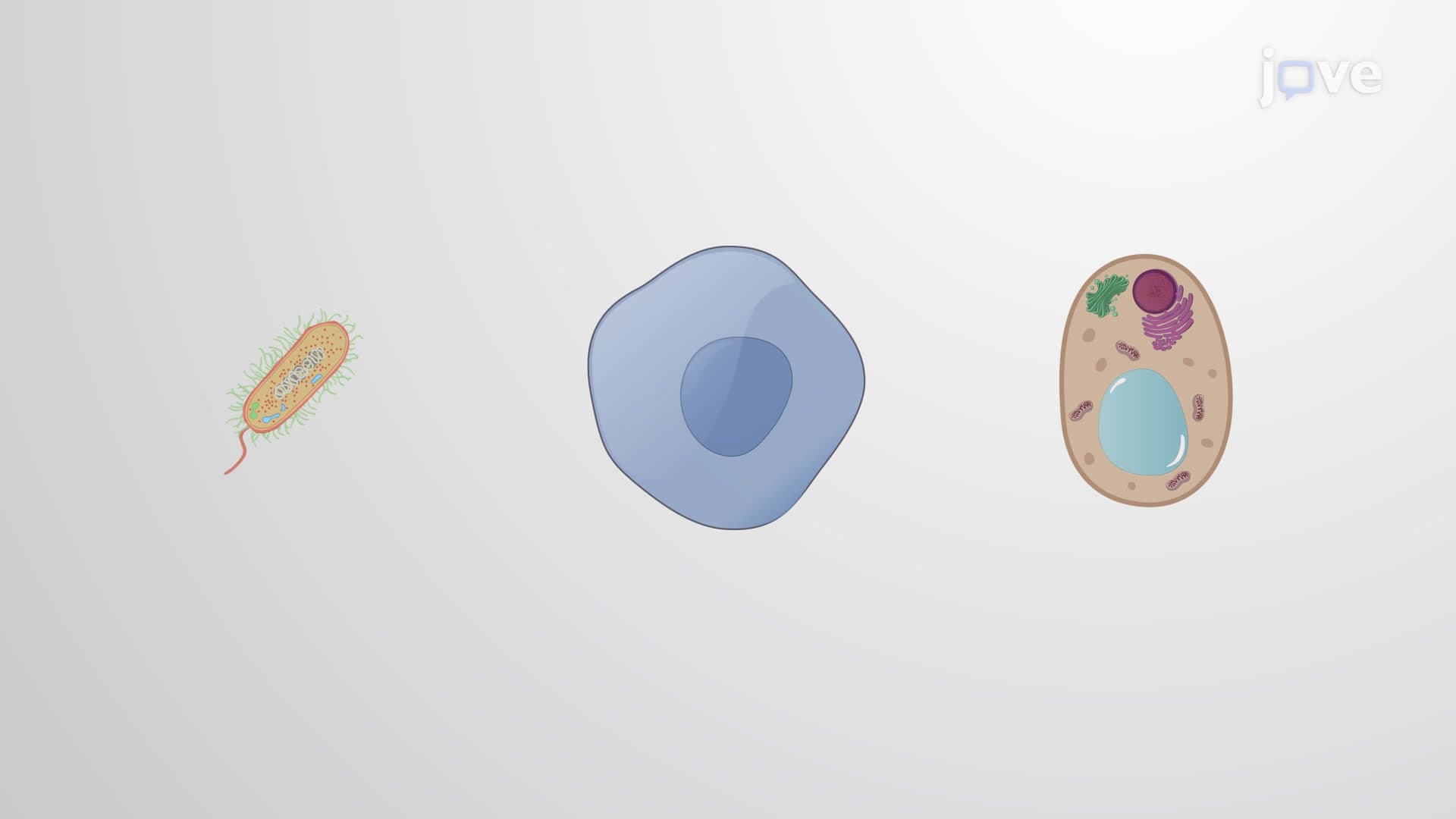
MCAT Biological Sciences questions often link plant cell walls to carbohydrate chemistry, specifically cellulose structure and glycosidic bonds. Understanding plant cell wall biology also supports questions about evolutionary adaptations and comparative cell biology between prokaryotic, plant, and animal systems.
Plant cell wall composition directly impacts crop quality and processing. Cotton fiber strength depends on cellulose organization, while corn stalk durability affects harvest efficiency across Iowa and Illinois farms. Understanding cell wall biology helps agricultural scientists develop disease-resistant varieties and improve crop yields through selective breeding programs.
Plant cell wall concepts are very manageable with proper foundation in basic chemistry and cell biology. Students who understand carbohydrates and protein structure can easily grasp how cellulose, pectin, and lignin create functional plant tissues. The key is connecting molecular composition to observable plant characteristics like tree height and fruit texture.
Create comparison charts showing the three layers, their compositions, and functions. Practice drawing cross-sectional diagrams labeling middle lamella, primary wall, and secondary wall positions. Use real examples like comparing young grass shoots (primary walls) to mature tree bark (lignified secondary walls) to cement understanding.
Expand into plant tissue systems (dermal, ground, vascular), photosynthesis and cellular respiration, and plant hormones controlling growth and development. These topics build naturally on cell wall knowledge and frequently appear together in advanced placement courses and college botany curricula.
Modern biotechnology focuses on engineering cell wall composition for biofuel production, with research institutions like UC Davis developing crops with modified lignin content. Understanding plant cell wall biology is essential for careers in agricultural biotechnology, sustainable energy, and plant breeding programs throughout US universities and industry.
Related Micro-courses
Related Subjects