Loading subject page…

- Biology
- Cell Structure and Function
- Microtubules
Micro-course: Cell Structure and Function
1,576,715 views
Learn key concepts and earn your certificate.



Microtubules

00:00
01:35
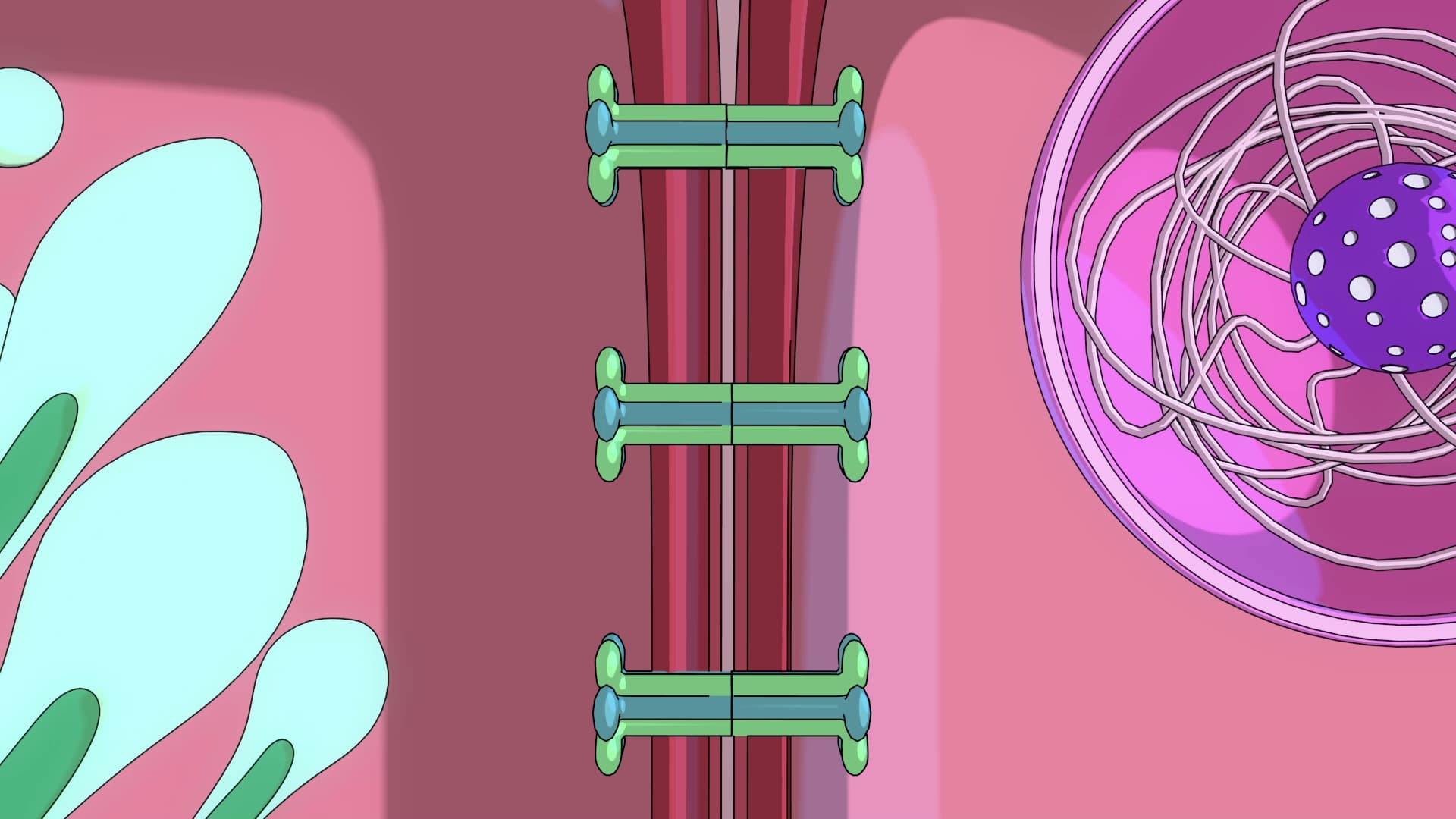
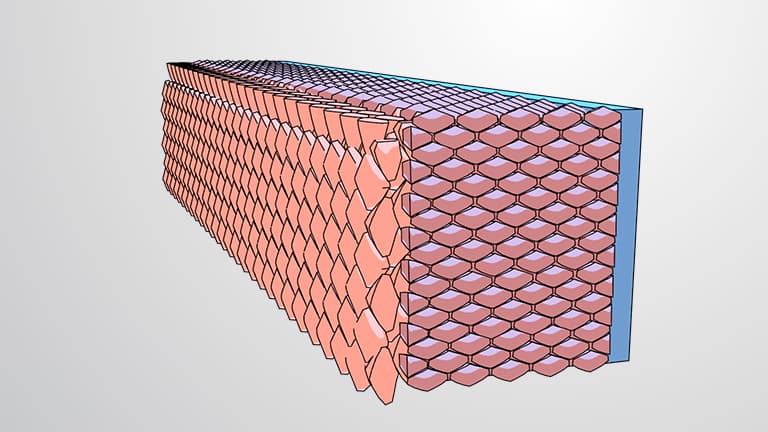
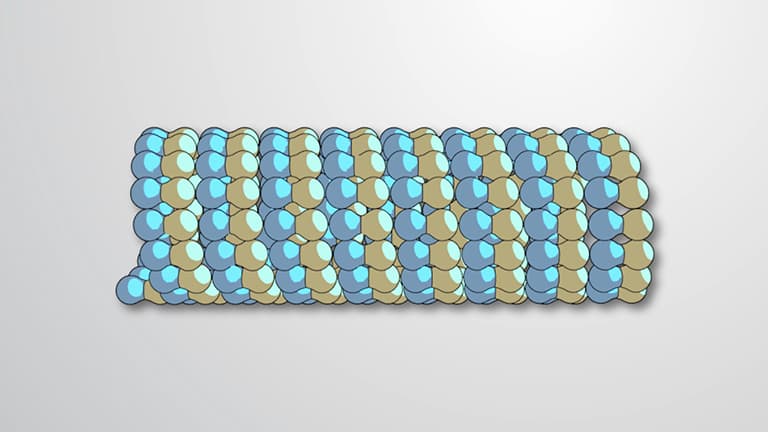
- Understand what are microtubules as hollow, tube-like structures composed of alpha and beta tubulin protein dimers that form the thickest elements of the cytoskeleton
- Identify microtubule structure function biology by recognizing how protofilaments create directional polarity with distinct plus and minus ends for selective protein binding
- Analyze tubulin alpha beta microtubule assembly and disassembly dynamics that allow cells to rapidly reorganize their internal architecture
- Compare microtubule cytoskeleton track systems to cellular highways that enable motor proteins like dynein and kinesin to transport cargo efficiently
- Evaluate cilia flagella microtubule arrangements in specialized cellular extensions that create movement for both stationary and motile cells
- Apply spindle fiber microtubule knowledge to explain chromosome separation during cell division and cancer cell behavior
- Recognize microtubule dynamic instability as the rapid switching between growth and shrinkage that allows cellular adaptation
- Explore real-world applications from respiratory health to fertility treatments where microtubule function impacts human physiology
Understanding What Are Microtubules: The Cell's Dynamic Framework
Microtubules represent one of nature's most elegant structural solutions—hollow tubes that provide both strength and flexibility to living cells. Unlike rigid building materials, these protein-based cylinders can rapidly assemble and disassemble, allowing cells to reorganize their internal architecture in response to changing needs. In US medical schools, students studying for the MCAT often encounter microtubules as key players in diseases ranging from Alzheimer's to cancer, making their structure and function essential knowledge.
Microtubule Structure Function Biology: Architecture at the Molecular Level
The microtubule structure function biology reveals a sophisticated design based on heterodimers—paired proteins consisting of alpha and beta tubulin subunits. These dimers stack like building blocks to form linear protofilaments, typically 13 of which associate laterally to create the characteristic hollow tube structure. This arrangement creates inherent polarity: the plus end exposes beta tubulin and favors growth, while the minus end shows alpha tubulin and tends toward disassembly. Students preparing for AP Biology exams should recognize this polarity as crucial for directional cellular processes.
Tubulin Alpha Beta Microtubule Dynamics: The Dance of Assembly
The tubulin alpha beta microtubule system demonstrates remarkable dynamic instability—periods of rapid growth followed by sudden shrinkage. This phenomenon, discovered through research at institutions like Harvard Medical School, allows cells to quickly reorganize. During mitosis, for example, spindle microtubules must rapidly extend to capture chromosomes, then depolymerize to pull sister chromatids apart. College biochemistry students studying for midterms often struggle with this concept until they visualize it as cellular scaffolding that can be erected and dismantled on demand.
Microtubule Cytoskeleton Track Systems: Cellular Transportation Networks
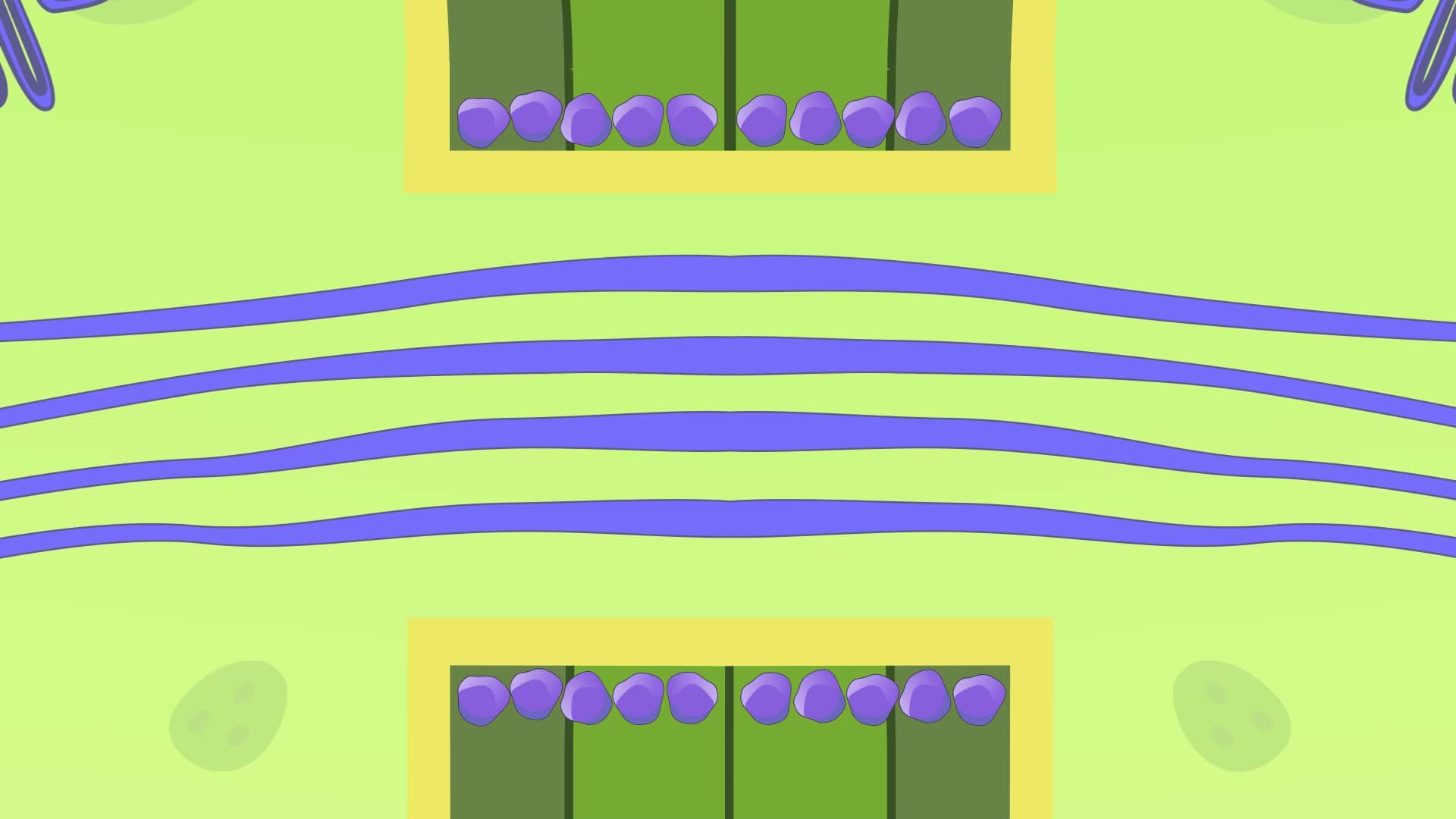
The microtubule cytoskeleton track functions as the cell's primary highway system. Motor proteins—dynein moving toward the minus end and kinesin toward the plus end—use these tracks to transport everything from mitochondria to neurotransmitter vesicles. In neurons, this transport system spans incredible distances; a motor neuron controlling your toe extends from your spinal cord, requiring efficient microtubule-based transport to maintain cellular function. Students at institutions like Johns Hopkins studying neurological diseases learn how microtubule transport defects contribute to conditions like amyotrophic lateral sclerosis (ALS).
Frequently Asked Questions
Microtubules are hollow, cylindrical protein structures made of tubulin that form part of the cell's cytoskeleton. They serve as structural supports, transportation highways for cellular cargo, and key components in cell division. Think of them as the cell's internal scaffolding system that can be rapidly assembled and disassembled as needed.
MCAT questions often focus on microtubule roles in cell division, particularly spindle formation during mitosis and meiosis. AP Biology exams typically test microtubule structure, including tubulin composition and polarity concepts. You'll also see questions about motor proteins (dynein and kinesin) using microtubules as tracks for intracellular transport.
Focus on the alpha/beta tubulin heterodimer structure, plus/minus end polarity, and dynamic instability. Know the difference between dynein (minus-end directed) and kinesin (plus-end directed) motor proteins. Understand microtubule organizing centers (MTOCs) and their role in spindle formation during cell division.
The NCLEX-RN may include questions about ciliary function in respiratory health, particularly how microtubule dysfunction affects mucus clearance in conditions like primary ciliary dyskinesia. HESI A2 and TEAS exams focus more on basic cell structure, including microtubules as cytoskeletal components.
Microtubule dysfunction contributes to several diseases treated in US hospitals. Kartagener syndrome affects ciliary microtubules, causing chronic respiratory infections and infertility. Many chemotherapy drugs like paclitaxel (Taxol) target cancer cell microtubules to prevent division. Alzheimer's disease involves tau protein dysfunction that destabilizes neuronal microtubules.
Basic protein structure concepts are sufficient for most high school and introductory college courses. You should understand that proteins can change shape (conformational changes) and that similar proteins can associate together. If you're comfortable with the idea that DNA has directionality (5' to 3'), you can grasp microtubule polarity.
Create a concept map linking structure to function: hollow tube → lightweight but strong, tubulin dimers → rapid assembly/disassembly, polarity → directional transport. Practice drawing the spindle apparatus and labeling microtubule components. Use active recall by explaining how microtubule dysfunction could affect different cell types.
Explore other cytoskeletal elements like actin filaments and intermediate filaments to understand how cells maintain shape and enable movement. Study cell cycle regulation to see how microtubule dynamics are controlled during division. Motor protein biochemistry and cellular trafficking pathways build naturally on microtubule concepts.
Cancer cells have abnormal microtubule dynamics, making them excellent targets for chemotherapy drugs. Understanding how taxanes stabilize microtubules and vinca alkaloids destabilize them explains their therapeutic mechanisms. Medical students studying for USMLE Step 1 must know these drug mechanisms and their side effects related to normal microtubule functions.
Related Micro-courses