Loading subject page…


167,201 views

Video Summary: What Is Inclusive Fitness
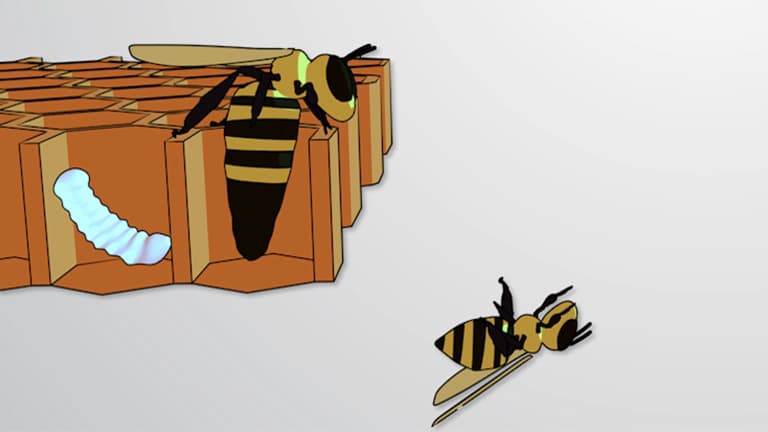
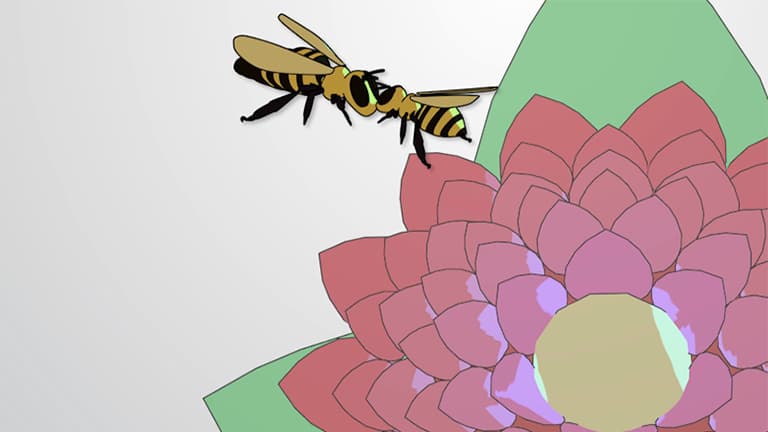
Why do worker honeybees sacrifice their own reproductive future to help their queen? Inclusive fitness explains this evolutionary puzzle by measuring how organisms pass genes through both direct reproduction and helping relatives survive. In the US, researchers studying Florida fire ant colonies observe similar altruistic behaviors where sterile workers dedicate their lives to colony success. This concept revolutionizes how we understand evolution beyond individual survival. Watch the full video on JoVE Coach to master this concept with expert-led visuals and step-by-step explanations.
Inclusive fitness represents a revolutionary shift in evolutionary thinking, moving beyond measuring individual reproductive success to encompass the total genetic contribution an organism makes to future generations. This concept, developed by British biologist W.D. Hamilton in the 1960s, explains why organisms sometimes sacrifice their own reproduction to help relatives survive and reproduce.
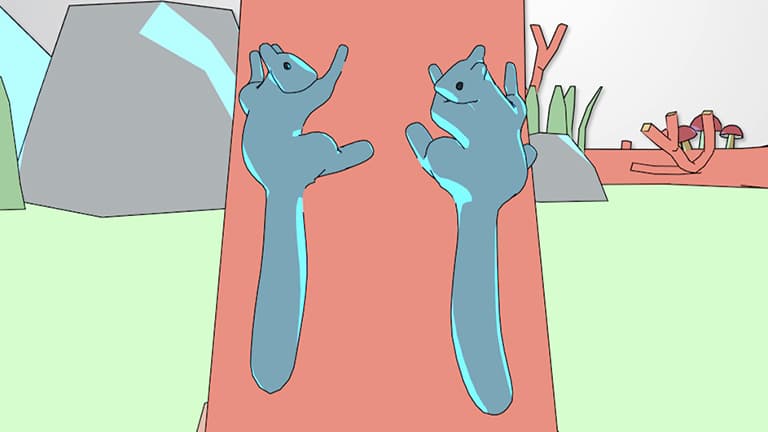
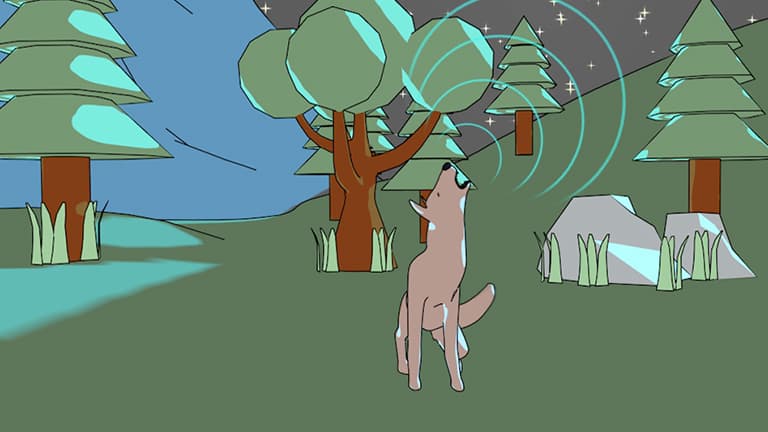
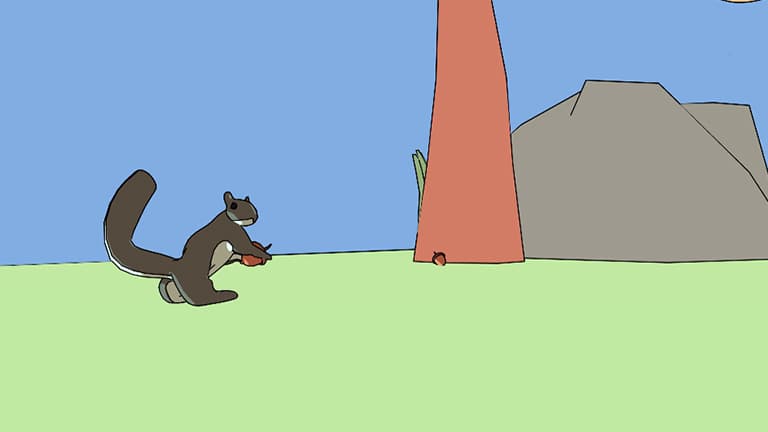
Inclusive fitness comprises two essential components: direct fitness and indirect fitness. Direct fitness measures an individual's personal reproductive output-the genes passed through their own offspring. Indirect fitness accounts for genetic contribution through helping relatives reproduce successfully. For example, California ground squirrels demonstrate this when they emit alarm calls warning relatives of predators, potentially attracting danger to themselves while protecting genetically similar family members.
The mathematical foundation of inclusive fitness rests on Hamilton's rule: altruistic behavior evolves when the cost to the helper (c) is less than the benefit to the recipient (b) multiplied by their genetic relatedness (r), expressed as c < br. This equation appears frequently on AP Biology exams and college evolutionary biology tests. Students studying for the MCAT often encounter problems calculating whether specific altruistic behaviors should evolve based on relatedness coefficients and fitness costs.
American ecosystems provide compelling inclusive fitness examples. Florida scrub jays exhibit cooperative breeding where non-reproductive helpers assist breeding pairs, increasing their inclusive fitness through indirect genetic contribution. Similarly, prairie dogs in Colorado demonstrate alarm calling behavior that warns genetically related colony members of approaching threats, even though callers face increased predation risk.
Understanding inclusive fitness proves essential for students pursuing biology, psychology, or veterinary medicine degrees. The concept appears regularly in undergraduate evolution courses, graduate school entrance exams, and research contexts. Wildlife management professionals apply inclusive fitness principles when designing conservation strategies, recognizing that protecting family groups often proves more effective than focusing solely on individual animals.
Related Micro-courses