Loading video…


 10 Concepts
 167.2K views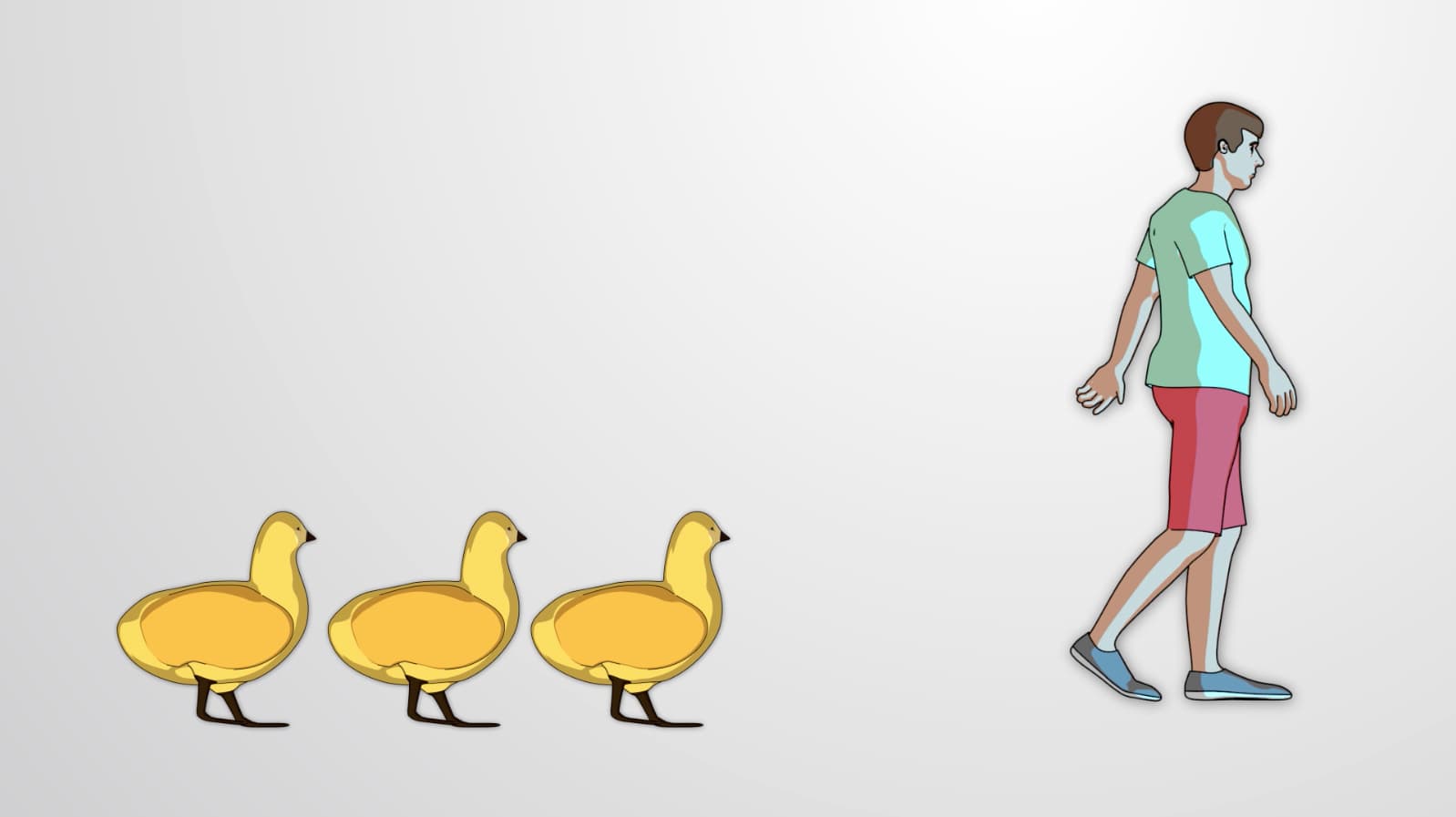

Video Summary: What Is Imprinting
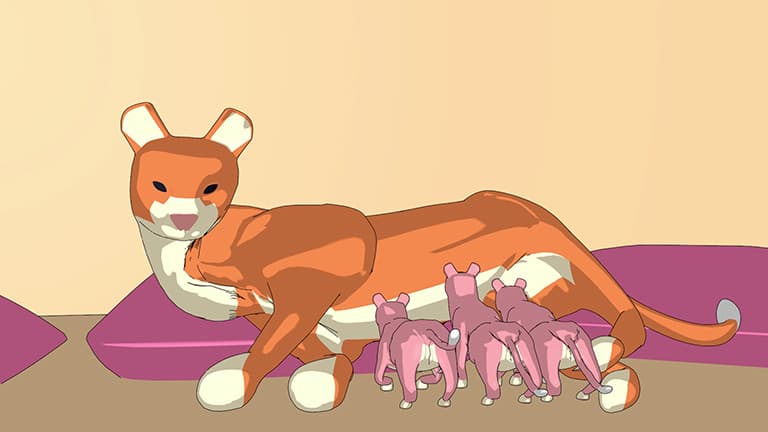
Did you know that baby geese can mistake a human for their mother and follow them everywhere? Imprinting is a fascinating biological process where newborn animals form irreversible bonds with their caregivers during a critical window after birth. From mallard ducklings following park visitors in Central Park to farm lambs recognizing their mothers among hundreds of sheep, what is imprinting demonstrates nature's powerful survival mechanism. Watch the full video on JoVE Coach to master this concept with expert-led visuals and step-by-step explanations.
Imprinting represents one of nature's most remarkable learning mechanisms, where newborn animals form instantaneous, lifelong bonds with their caregivers. This imprinting definition explained reveals a process that combines innate biological programming with environmental learning, creating survival advantages that have persisted across millions of years of evolution.
The imprinting definition centers on precise timing windows that vary by species. Mallard ducklings imprint within 12-24 hours of hatching, while sheep demonstrate maternal imprinting within 2-4 hours of birth. This narrow timeframe creates an evolutionary advantage-animals must quickly identify their parents to receive protection, food, and essential life skills.
Once established, imprinting bonds are permanent and irreversible. Research at universities like Cornell and UC Davis has documented cases where hand-raised wildlife, despite later exposure to their own species, maintain their original imprinting bonds. This irreversibility explains why wildlife rehabilitation centers take extreme precautions to prevent human imprinting in rescued animals.
Understanding what is imprinting proves essential for various US industries. Agricultural programs at land-grant universities like Texas A&M teach livestock management techniques that leverage natural imprinting. Sheep ranchers in Montana use controlled imprinting to ensure ewes accept their lambs, particularly important in large commercial operations where maternal rejection can cause significant economic losses.
Wildlife management agencies across national parks use imprinting knowledge to design rehabilitation protocols. Yellowstone's bird rehabilitation program uses puppet parents and mirrors to prevent orphaned raptors from imprinting on human handlers, ensuring successful wild release.
Imprinting study guide materials appear frequently on AP Biology exams, particularly in animal behavior and evolutionary biology sections. College psychology and biology courses examine imprinting as foundational to understanding learning theory, often comparing it with classical and operant conditioning. Pre-medical students encounter imprinting concepts on MCAT behavioral science sections, where understanding innate versus learned behaviors demonstrates critical thinking about biological systems.
Related Micro-courses