Loading video…


 10 Concepts
 167.2K views

Video Summary: What Is Parental Care
Did you know that male seahorses along the US Atlantic coast are the only males in the animal kingdom that actually give birth? Parental care encompasses the diverse behaviors animals use to protect, nourish, and raise their vulnerable offspring, dramatically increasing survival rates. From grizzly bears in Yellowstone National Park teaching cubs to fish, to Arctic terns migrating thousands of miles to provide food for their chicks, what is parental care reveals fascinating strategies across species. Watch the full video on JoVE Coach to master this concept with expert-led visuals and step-by-step explanations.
Parental care represents one of nature's most compelling evolutionary strategies, encompassing all behaviors that parents exhibit to enhance their offspring's survival and reproductive success. This biological phenomenon extends far beyond simple feeding, incorporating complex behaviors like protection from predators, teaching essential survival skills, and providing optimal environmental conditions for development. Understanding parental care definition explained reveals how these behaviors have evolved to address the fundamental challenge of raising vulnerable young in competitive environments.
The intensity and duration of parental care typically correlate with offspring dependency at birth. Mammals, particularly those producing altricial young (born helpless and underdeveloped), invest heavily in extended care periods. Consider the North American black bear: mothers nurse cubs for six to eight months while teaching crucial foraging and survival skills over nearly two years. This extended investment ensures cubs develop the complex behaviors needed for independent survival in challenging wilderness environments.
The parental care concept explained through hormonal mechanisms reveals sophisticated biological control systems. In mammals, the hormonal cascade begins during pregnancy with rising estrogen and progesterone levels, which prepare neural pathways for maternal behavior. Prolactin, often called the "mothering hormone," not only stimulates milk production but also enhances nurturing behaviors and maternal bonding.
Research conducted at US institutions like Stanford University has demonstrated how these hormones interact with brain regions including the hypothalamus and limbic system to coordinate parental responses. This hormonal orchestration explains why mammalian mothers often display immediate protective instincts toward newborns, even in first-time parents with no prior experience.
Avian parental care showcases remarkable diversity in caregiving strategies. The California condor recovery program illustrates extreme parental investment: these magnificent birds incubate eggs for nearly two months, then provide care for over a year. Parents alternate between foraging flights covering hundreds of miles to find carrion and remaining at the nest to protect and feed their single chick.
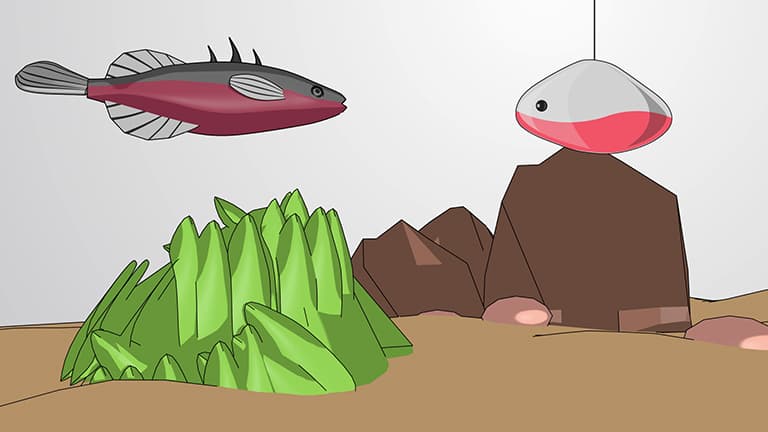
Fish demonstrate equally fascinating parental care adaptations, often with surprising role reversals. Male smallmouth bass in the Great Lakes region create and defend spawning nests, then guard eggs and fry for weeks. The energy expenditure is so intense that males often lose significant body weight during the breeding season, highlighting the evolutionary importance of successful reproduction.
Parental care study guide concepts emphasize that caregiving behaviors represent evolutionary trade-offs between current reproductive success and future breeding opportunities. Species investing heavily in parental care typically produce fewer offspring but with higher individual survival rates. This K-selected strategy contrasts sharply with r-selected species that produce many offspring with minimal parental investment.
These concepts frequently appear on AP Biology exams and college-level evolutionary biology courses, where students analyze cost-benefit relationships in reproductive strategies. Understanding these trade-offs helps explain why different species have evolved such varied approaches to raising young, from the intensive care of primates to the minimal investment of many amphibians and reptiles.
Related Micro-courses