Loading video…


 10 Concepts
 167.2K views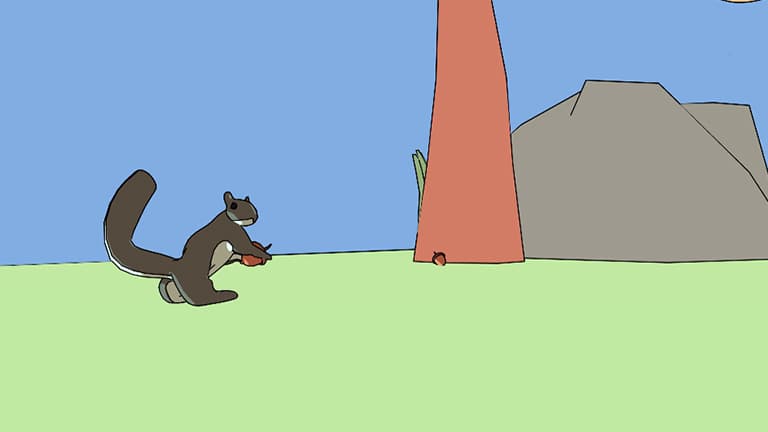

Video Summary: What Is Optimal Foraging
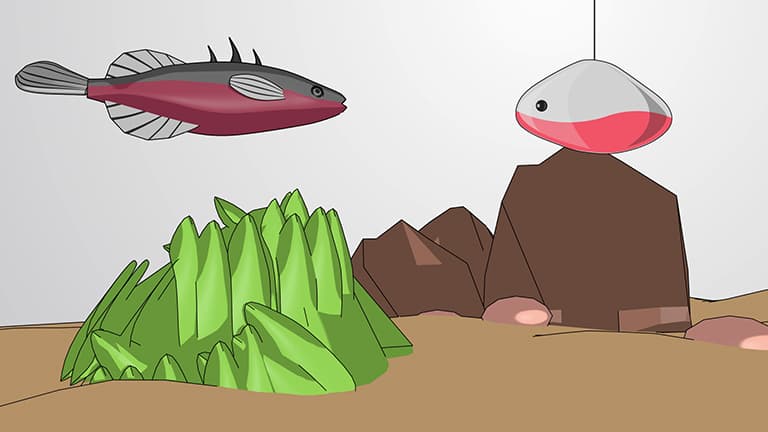
Why do Northwestern crows drop whelks from exactly 5.2 meters high instead of 10 meters? Optimal foraging theory explains how animals evolve behaviors that maximize energy gain while minimizing costs like predation risk and energy expenditure. This fundamental ecological principle shows how California sea otters select the perfect-sized rocks for cracking abalone shells. What is Optimal Foraging demonstrates evolution's mathematical precision in feeding strategies. Watch the full video on JoVE Coach to master this concept with expert-led visuals and step-by-step explanations.
What is Optimal Foraging represents one of ecology's most successful predictive frameworks, explaining how natural selection fine-tunes animal feeding behaviors. This theory proposes that evolution favors foraging strategies maximizing net energy gain-the difference between energy acquired from food and energy spent obtaining it. Rather than suggesting animals consciously calculate costs and benefits, optimal foraging theory demonstrates how millions of years of natural selection have programmed efficient feeding behaviors into animal genetics.
Optimal foraging theory identifies three critical cost categories that shape feeding strategies. Energy costs include the metabolic expense of searching, capturing, and processing food items. Time costs represent opportunity costs-time spent foraging cannot be used for mating, territorial defense, or other survival activities. Risk costs encompass predation vulnerability during foraging, with exposed feeding locations increasing mortality probability.
Animals must also consider handling time-the duration required to process food items after capture. A grizzly bear in Yellowstone National Park demonstrates this principle when choosing between energy-rich salmon during spawning season versus easier-to-catch but less nutritious berries. The bear's evolved behavior weighs the high energy gain of salmon against increased handling time and competition from other bears.
Optimal foraging theory employs mathematical models predicting animal behavior under specific conditions. The prey choice model predicts which food items animals should include in their diet based on energy content and handling time. According to this model, predators should always take the most profitable prey when encountered, while less profitable prey should only be taken when high-quality options are scarce.
Field studies consistently validate these predictions. Research on Steller's jays in Colorado forests shows these birds select acorns matching theoretical size predictions-large enough for substantial energy gain but small enough for efficient handling. Similarly, studies of brown pelicans along California's coast demonstrate optimal diving depths that maximize fish capture while minimizing energy expenditure during underwater pursuit.
Understanding optimal foraging theory proves essential for AP Biology students tackling evolutionary ecology questions and MCAT preparation focusing on behavioral ecology. College-level courses in animal behavior, conservation biology, and wildlife management extensively utilize these concepts. Wildlife managers apply optimal foraging principles when designing habitat restoration projects, predicting how animals will respond to environmental changes, and managing human-wildlife conflicts in national parks and urban interfaces.
Related Micro-courses