Loading video…


 10 Concepts
 167.2K views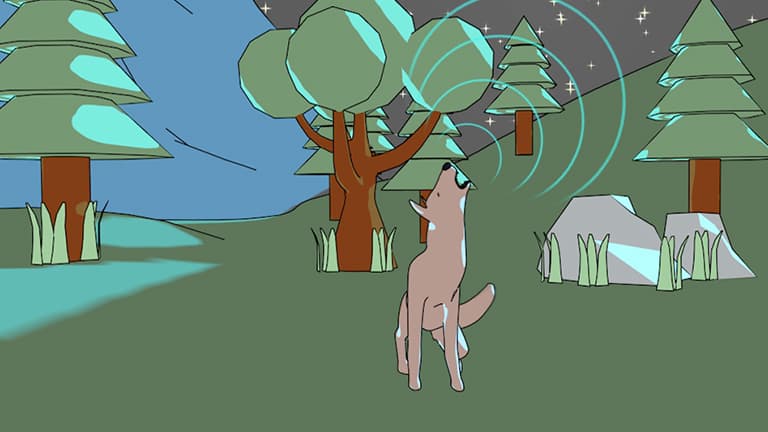

Video Summary: What Is Communication
Ever wonder how wolves coordinate pack hunts across miles of wilderness? Communication is the fundamental process of transmitting and receiving signals between living organisms, enabling everything from survival strategies to social bonding. In the United States, researchers studying Yellowstone's wolf packs have documented how these animals use howls, scent marking, body language, and physical contact to maintain family structures and territorial boundaries. Understanding what is communication reveals the intricate ways organisms share information crucial for survival and reproduction. Watch the full video on JoVE Coach to master this concept with expert-led visuals and step-by-step explanations.
Communication serves as the cornerstone of biological interactions, representing far more than simple information exchange. This complex process involves the transmission of signals through various channels, where senders encode messages and receivers decode them to trigger specific behavioral responses. In biological contexts, effective communication directly influences survival rates, mating success, and territorial defense-making it a critical factor in evolutionary fitness.
Auditory communication dominates long-distance interactions across species. American songbirds like the Northern Cardinal use distinct calls to warn of predators, with males producing loud, clear notes that can travel over 1,000 feet through dense forest. Research from Cornell University's ornithology program shows that birds adjust their frequencies based on urban noise pollution, demonstrating remarkable communicative flexibility.
Chemical communication operates through pheromones and scent markers, creating invisible information highways. White-tailed deer throughout US forests deposit scent from specialized glands to establish individual identity and reproductive status. During rutting season, buck scrapes serve as chemical bulletin boards where multiple deer can assess competition and mating opportunities without direct confrontation.
Visual communication encompasses body language, coloration, and behavioral displays. The American Bison's threat display involves raised tail position, lowered head, and pawing motions-signals that prevent unnecessary physical confrontations on Great Plains grasslands. These visual cues prove especially important in open habitats where long-distance observation determines social hierarchies.
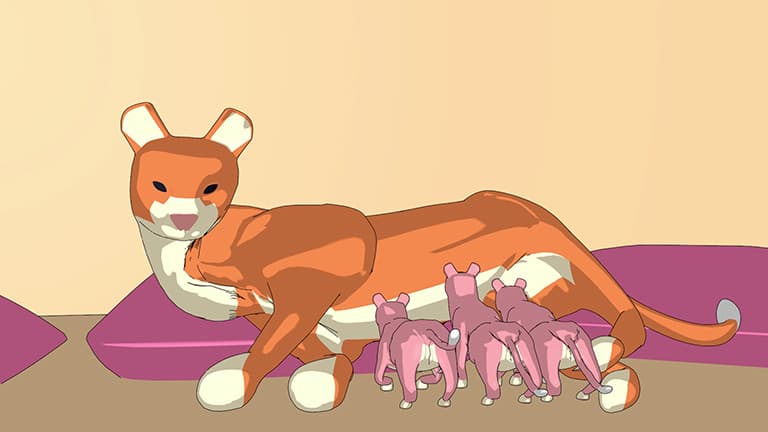
Tactile communication facilitates intimate social bonding and immediate behavioral coordination. Prairie dog colonies across western states use brief physical contacts during greeting ceremonies, reinforcing family bonds and alliance structures critical for predator detection and burrow maintenance.
Students preparing for AP Biology exams frequently encounter communication questions involving signal-response mechanisms and evolutionary advantages. The College Board emphasizes understanding how communication enhances fitness through improved survival and reproduction rates. Medical school entrance exams like the MCAT often feature passages analyzing communication breakdowns in animal populations, requiring students to predict ecological consequences.
For college-level biology courses, communication concepts connect to broader themes including animal behavior, ecology, and evolutionary biology. Students must analyze how environmental pressures shape communication strategies and how human activities disrupt natural communication systems.
Related Micro-courses