Loading video…


 10 Concepts
 167.2K views

Video Summary: What Is Fixed Action Patterns
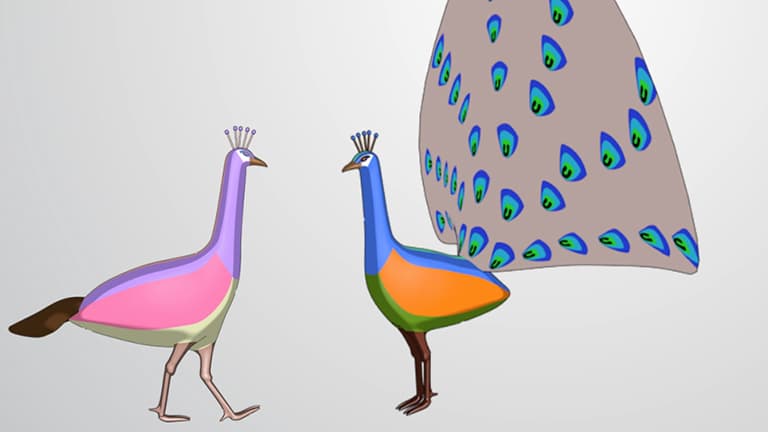
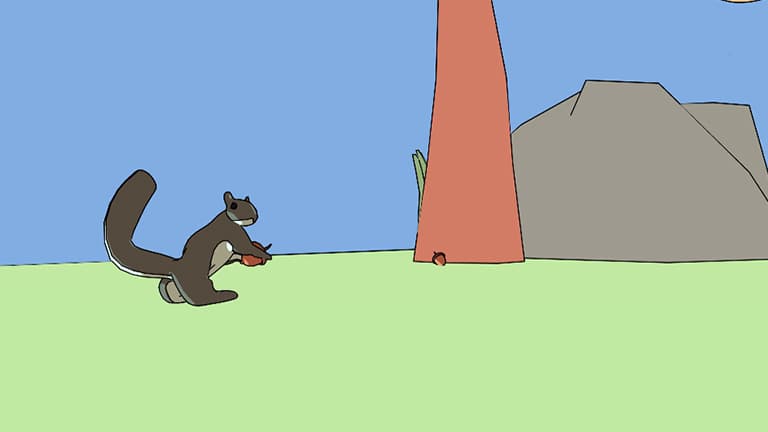
Ever wonder why a robin attacks its own reflection in a car mirror during spring? Fixed action patterns explain this fascinating behavior-instinctive sequences that animals perform automatically once triggered. The classic example involves male stickleback fish in US aquariums and research labs, who will aggressively attack any object with a red underside, even crude wooden models, while ignoring realistic fish without red coloring. Understanding what is fixed action patterns reveals how evolution hardwires specific behaviors for survival advantage. Watch the full video on JoVE Coach to master this concept with expert-led visuals and step-by-step explanations.
Fixed action patterns represent one of the most fundamental concepts in animal behavior, demonstrating how evolution shapes instinctive responses that occur without learning or conscious thought. These behavioral sequences are genetically programmed, species-specific, and remarkably consistent across individuals. Unlike reflexes, which are simple stimulus-response reactions, fixed action patterns involve complex sequences of coordinated movements that, once initiated, typically run to completion regardless of changing environmental conditions.
The discovery and study of fixed action patterns revolutionized our understanding of animal behavior in the mid-20th century. Pioneering ethologists like Konrad Lorenz and Nikolaas Tinbergen identified these patterns while studying various species, establishing the foundation for modern behavioral ecology. Their work demonstrated that many seemingly intelligent animal behaviors actually result from sophisticated but automatic neural programs.
Every fixed action pattern consists of three essential elements that work together to produce the observed behavior. The sign stimulus serves as the environmental trigger-a specific visual, auditory, or chemical cue that initiates the behavioral sequence. In the stickleback example, the red coloration on another fish's belly acts as this crucial trigger, regardless of whether it appears on a real fish or an artificial model.
The innate releasing mechanism functions as the internal neural circuit that recognizes the sign stimulus and activates the appropriate behavioral response. This mechanism operates like a biological switch, remaining inactive until the correct stimulus appears. Once triggered, it unleashes the predetermined sequence of actions that constitute the fixed action pattern itself.
Fixed action patterns appear throughout the animal kingdom, with countless examples observable in North American wildlife. Ground-nesting birds like killdeer perform elaborate "broken wing" displays when predators approach their nests, dragging one wing and limping away to lure threats from their eggs or chicks. This behavior occurs automatically whenever certain stimuli trigger the response, regardless of whether the actual threat level justifies such an extreme reaction.
Male red-winged blackbirds in wetlands across the United States display aggressive territorial behaviors triggered by specific visual cues from other males. The sight of another male's distinctive red shoulder patches initiates complex threat displays, including wing spreading, calling, and physical attacks. Laboratory studies have confirmed that even crude models with red patches can trigger these responses, while realistic blackbird models lacking red coloration fail to elicit aggression.
Students preparing for AP Biology, college psychology courses, or the MCAT frequently encounter questions about fixed action patterns in animal behavior sections. These concepts appear regularly on standardized tests because they illustrate fundamental principles of evolutionary biology, neuroscience, and behavioral psychology. Understanding the distinction between innate and learned behaviors helps students analyze experimental scenarios and predict outcomes in controlled studies.
When studying for exams, focus on identifying the three key components in any given example and understanding how fixed action patterns provide evolutionary advantages. Practice analyzing scenarios where sign stimuli might be artificially manipulated, as these experimental designs commonly appear in test questions and laboratory exercises.
Related Micro-courses