Loading video…


 10 Concepts
 167.2K views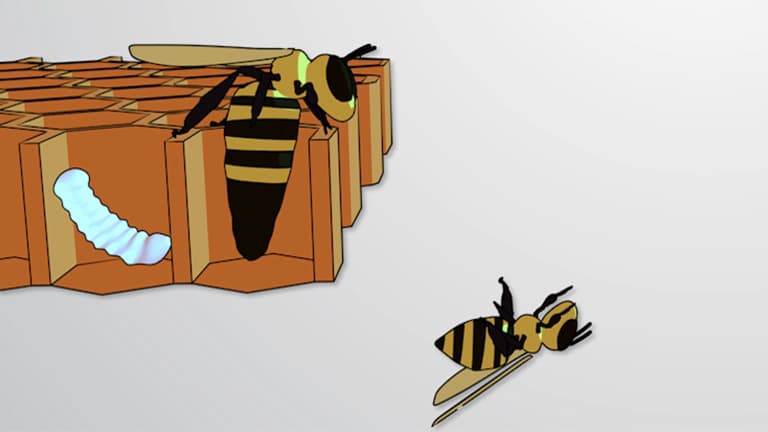

Video Summary: What Is Altruism
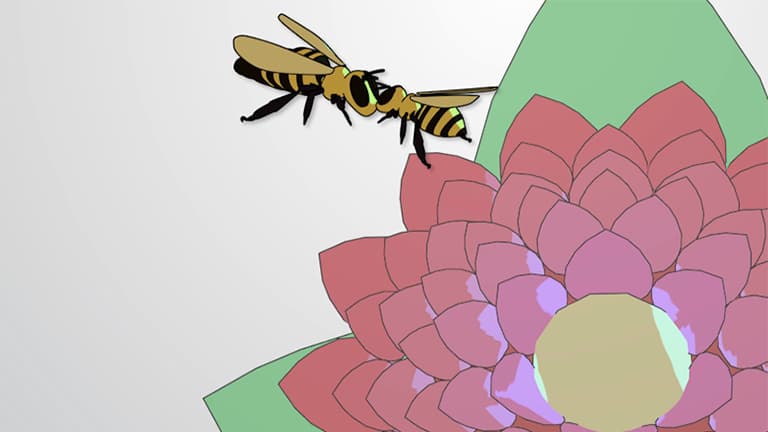
Did you know that worker bees literally sacrifice their lives to protect their hive, never reproducing themselves? This behavior exemplifies altruism, actions that benefit others at a cost to oneself. From the honeybee colonies in California's Central Valley to primates grooming each other in research facilities, What is Altruism reveals how organisms help others despite personal sacrifice. Even humans demonstrate altruistic behavior, like donating blood or volunteering during natural disasters. Watch the full video on JoVE Coach to master this concept with expert-led visuals and step-by-step explanations.
Altruism represents one of biology's most fascinating puzzles: why do organisms help others at their own expense? In biological terms, altruistic behavior reduces an individual's fitness (survival and reproductive success) while increasing another's fitness. This concept challenges our understanding of natural selection, which typically favors self-preserving traits.
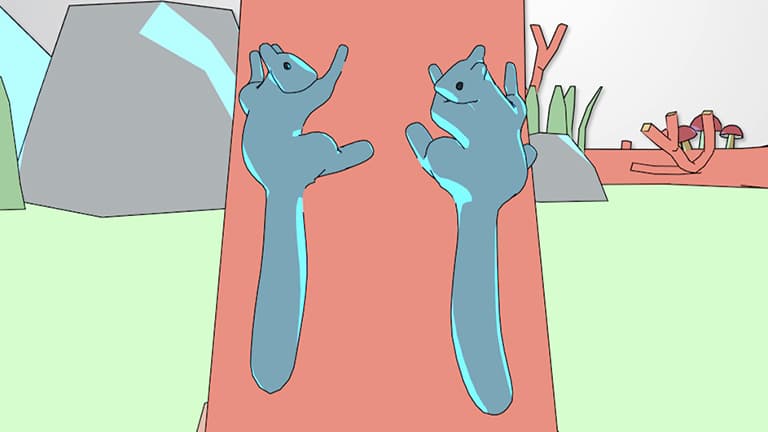
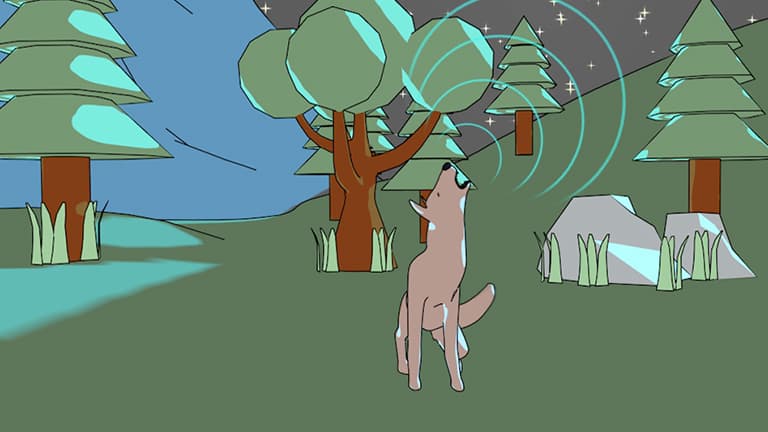
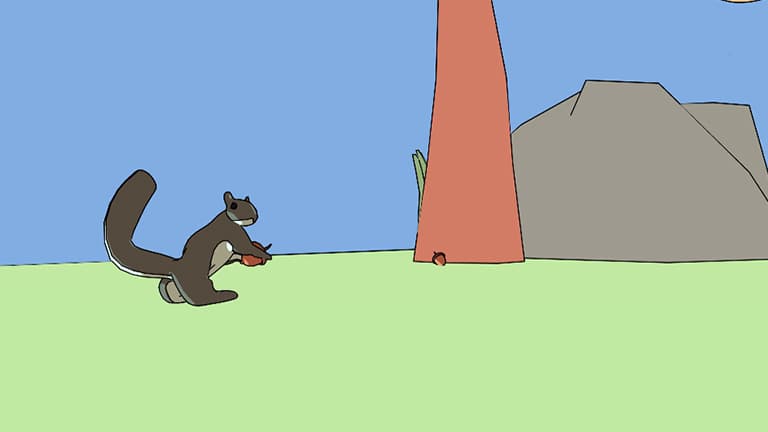
The altruism definition explained becomes clearer when we examine specific examples. Consider the African ground squirrel populations studied at UC Davis, when a predator approaches, one squirrel will emit a loud alarm call, alerting the group but simultaneously drawing the predator's attention to itself. This behavior exemplifies true altruism: the caller faces increased danger while others benefit from the warning.
Evolutionary biologist William Hamilton revolutionized our understanding of altruism through his groundbreaking work at the University of Michigan. Hamilton's rule states that altruistic behavior evolves when the cost to the helper is less than the benefit to the recipient, multiplied by their genetic relatedness. Mathematically: C < B × r, where C represents cost, B represents benefit, and r represents relatedness coefficient.
This principle explains why honeybee workers in apiaries across the United States sacrifice themselves for their colony. Worker bees share 75% of their genes with their sisters due to the insects' unique genetic system called haplodiploidy. By helping their queen reproduce, workers ensure their shared genes continue to the next generation, even though they never reproduce themselves.
Not all altruism depends on genetic relationships. Reciprocal altruism occurs between unrelated individuals who exchange favors over time. Primatologist Robert Trivers, working at Harvard University, first described this phenomenon in detail. Examples include vampire bats sharing blood meals with unrelated colony members and dolphins cooperatively hunting fish in Florida's coastal waters.
In humans, reciprocal altruism manifests in countless ways: blood donation programs, volunteer firefighting, and community disaster response. These behaviors succeed because participants expect similar help when they need it, creating stable cooperative relationships even among genetic strangers.
Students preparing for the MCAT Biology section frequently encounter altruism questions, particularly in behavioral ecology contexts. The AP Biology curriculum includes altruism as part of Unit 8 (Ecology), where students must analyze evolutionary explanations for cooperative behavior. College-level courses in evolutionary biology, animal behavior, and psychology explore altruism's mechanisms and origins across multiple disciplines.
Understanding altruism proves essential for pre-med students, as physician-patient relationships often involve altruistic motivations. Medical school admissions committees value applicants who demonstrate genuine altruistic behavior through volunteer work and community service.
Related Micro-courses