Loading video…


 10 Concepts
 167.2K views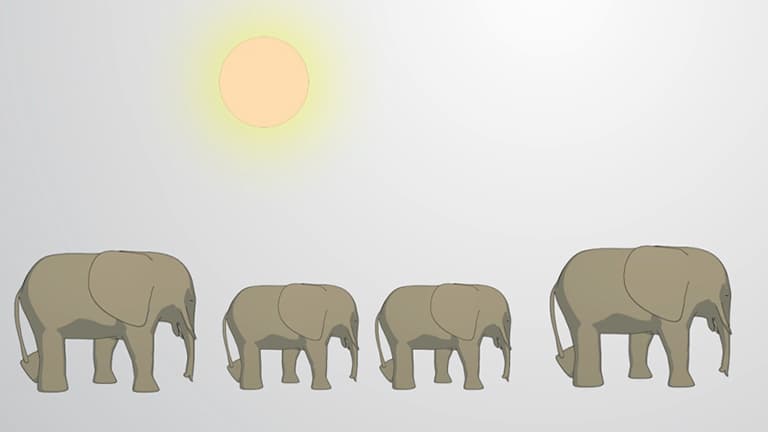

Video Summary: What Is Migration
Did you know that millions of monarch butterflies travel over 2,000 miles from Canada to Mexico each fall? Migration represents one of nature's most remarkable adaptive responses to environmental changes and resource availability. This extraordinary behavior allows organisms to survive by moving to areas with better food sources, breeding conditions, or climate. For example, caribou in Alaska migrate hundreds of miles following seasonal patterns to access fresh vegetation and avoid harsh winter conditions. Watch the full video on JoVE Coach to master this concept with expert-led visuals and step-by-step explanations.
Migration represents a critical biological phenomenon where organisms move from one location to another in response to changing environmental conditions, resource availability, or reproductive needs. This adaptive behavior allows species to optimize their survival by accessing resources that vary seasonally or geographically. Unlike random movement, migration involves purposeful, often cyclical journeys that have evolved over thousands of years to maximize an organism's fitness and reproductive success.
Migration occurs in various forms depending on the species and environmental pressures. Seasonal migration, the most common type, involves regular movements tied to weather patterns and resource cycles. Many North American birds, such as the Arctic tern, undertake extraordinary journeys from Arctic breeding grounds to Antarctic feeding areas-covering roughly 44,000 miles annually. Altitudinal migration occurs when animals move up and down mountains seasonally, like elk in Colorado's Rocky Mountains that migrate to lower elevations during harsh winters.
Breeding migration involves movement to specific locations for reproduction, exemplified by Pacific salmon returning to their natal streams in Alaska and the Pacific Northwest. These fish navigate thousands of miles from ocean feeding grounds back to freshwater spawning sites, demonstrating remarkable navigational abilities using magnetic fields, chemical cues, and celestial navigation.
Environmental factors that initiate migration include temperature changes, daylight duration, food availability, and water accessibility. These triggers have evolved to synchronize with optimal conditions at destination locations. For instance, gray whales migrate 12,000 miles between Alaska and Mexico, timing their journey to coincide with plankton blooms in northern waters and warm calving lagoons in Baja California.
The adaptive advantages of migration include access to seasonal food resources, optimal breeding conditions, and escape from harsh weather or predation pressure. However, migration also involves significant costs, including energy expenditure, predation risks during travel, and potential navigation errors. Students studying for AP Biology or college ecology courses should understand that migration represents an evolutionary trade-off where benefits must outweigh costs for the behavior to persist.
Modern human activities significantly impact migration patterns through habitat fragmentation, climate change, and artificial light pollution. The construction of dams affects salmon migration routes, while urban development disrupts traditional flyways used by migratory birds. Understanding these impacts is crucial for conservation efforts and frequently appears in environmental science coursework and MCAT ecology questions.
Related Micro-courses