Loading subject page…

- Biology
- Cellular Respiration
- Pyruvate Oxidation
Micro-course: Cellular Respiration
1,769,101 views
Learn key concepts and earn your certificate.

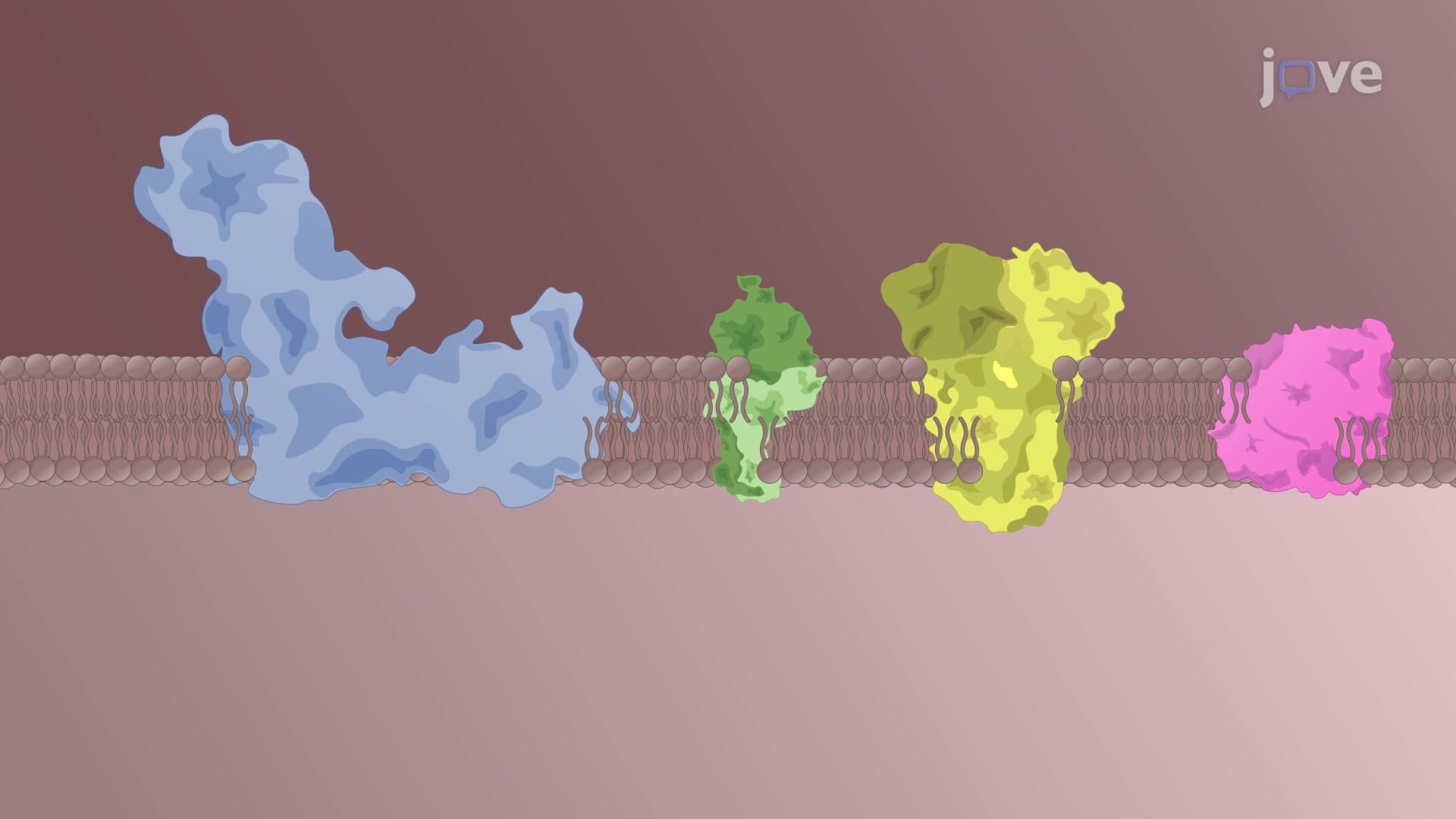
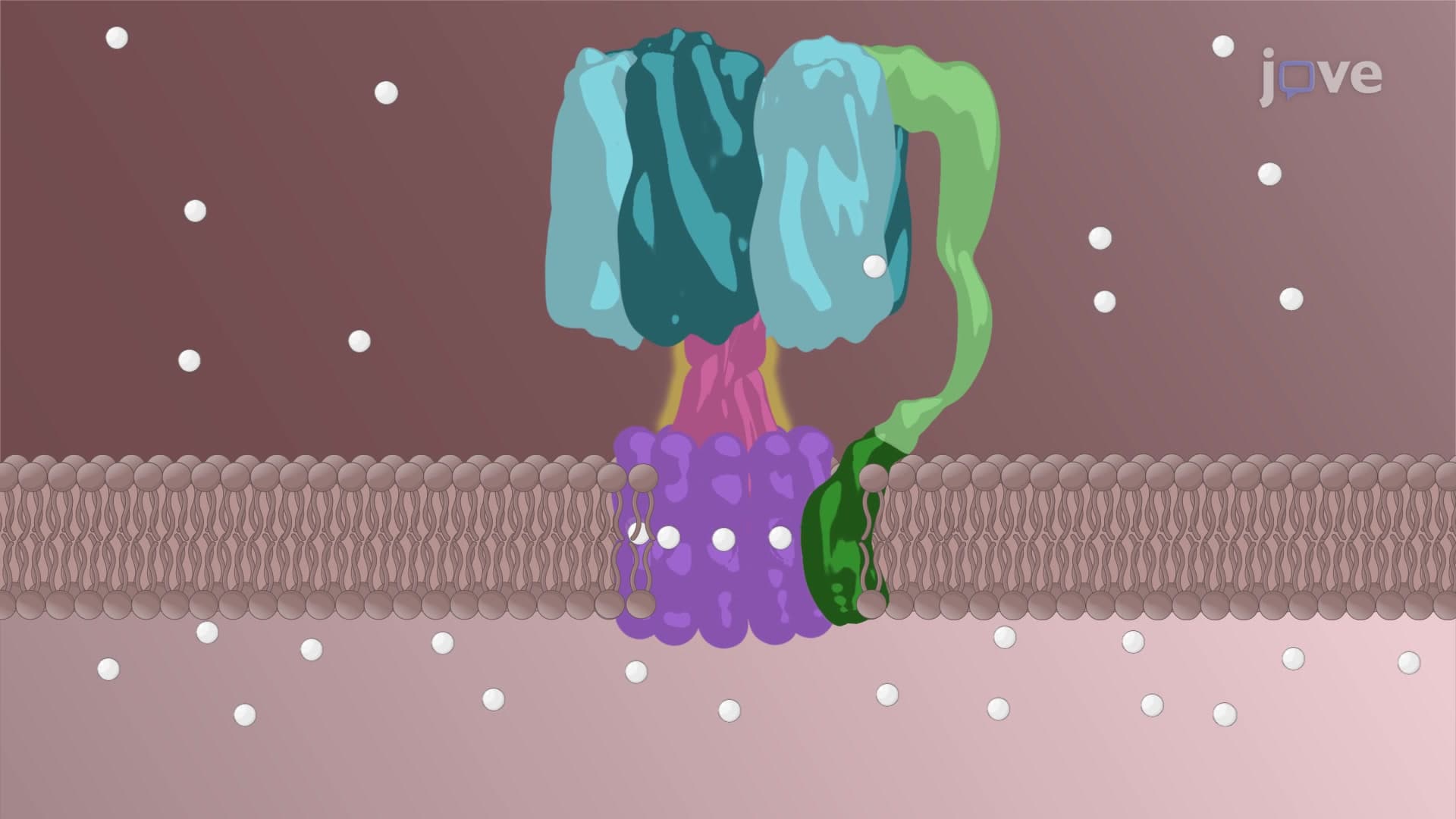
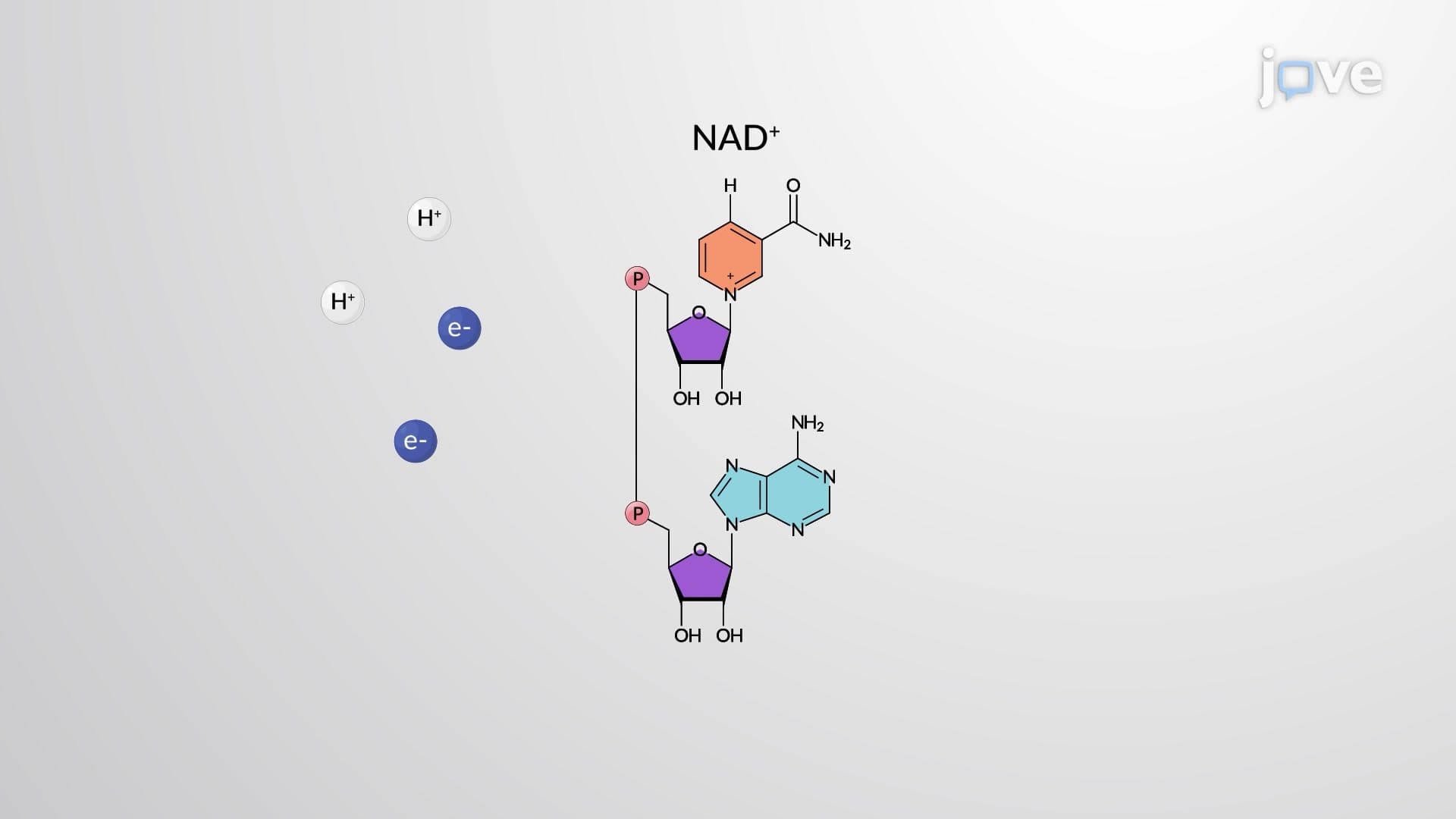
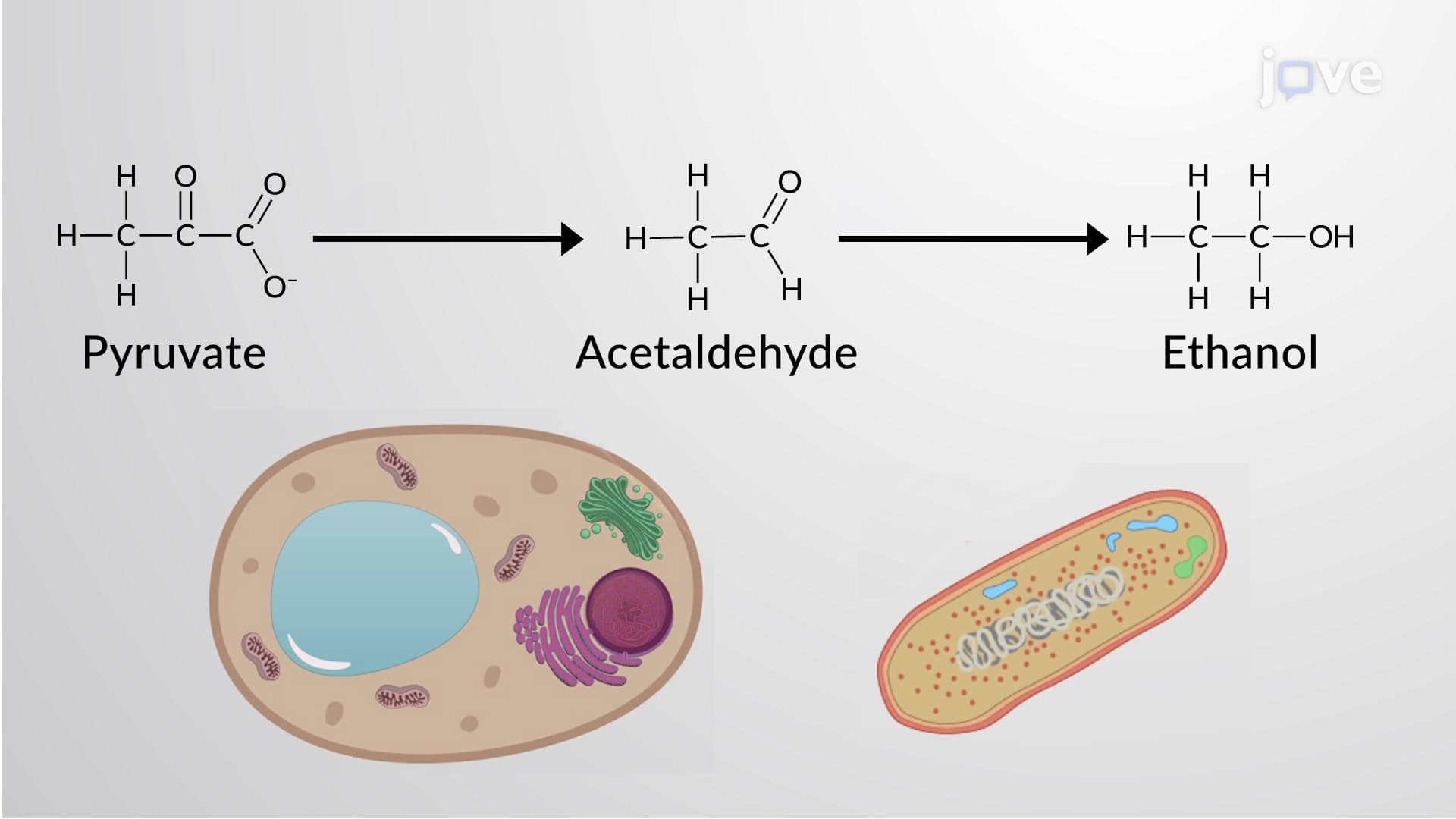
Pyruvate Oxidation

00:00
01:15
Video Summary: What Is Pyruvate Oxidation
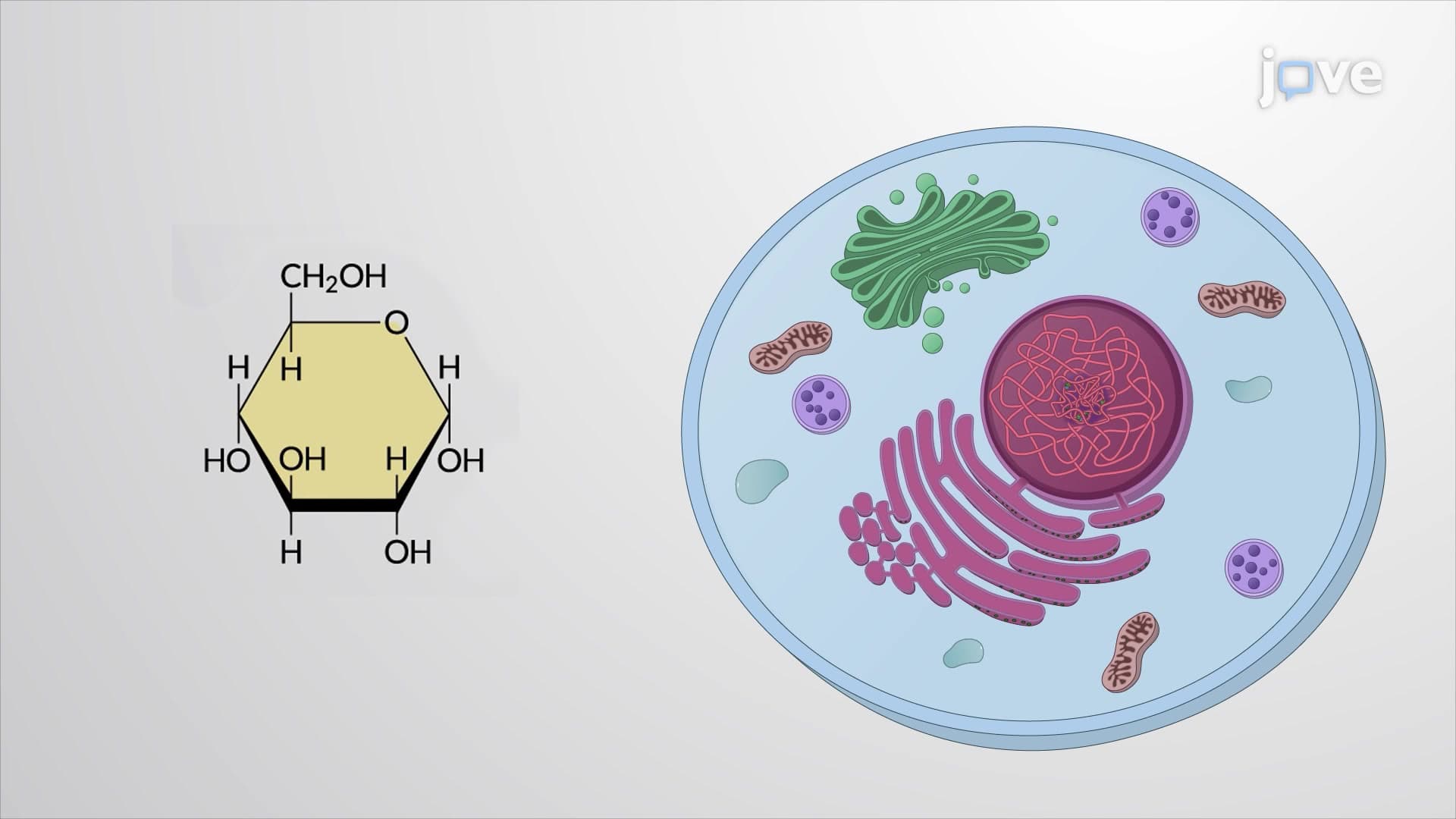
Every time you sprint up the stairs, your muscle cells perform pyruvate oxidation to fuel that burst of energy. Pyruvate oxidation transforms the glucose breakdown products into acetyl-CoA, the universal fuel molecule that powers cellular respiration in eukaryotic organisms. This critical metabolic bridge occurs within the mitochondrial matrix, where specialized enzyme complexes orchestrate a precisely coordinated series of reactions. Watch the full video on JoVE Coach to master this concept with expert-led visuals and step-by-step explanations.
- Understand what is pyruvate oxidation and its essential role as the metabolic bridge between glycolysis and the citric acid cycle
- Identify the structural components of the pyruvate dehydrogenase complex and their specific enzymatic functions
- Analyze the step-by-step mechanism of pyruvate conversion to acetyl-CoA, including decarboxylation and oxidation reactions
- Recognize the importance of mitochondrial transport systems in moving pyruvate from cytoplasm to matrix
- Evaluate the energy yield from pyruvate oxidation, specifically NADH production and its downstream ATP implications
- Apply knowledge of cofactor requirements including NAD+, coenzyme A, and thiamine pyrophosphate
- Compare pyruvate oxidation efficiency under aerobic versus anaerobic conditions
- Explore regulatory mechanisms that control pyruvate dehydrogenase complex activity in response to cellular energy demands
Understanding Pyruvate Oxidation: The Metabolic Gateway
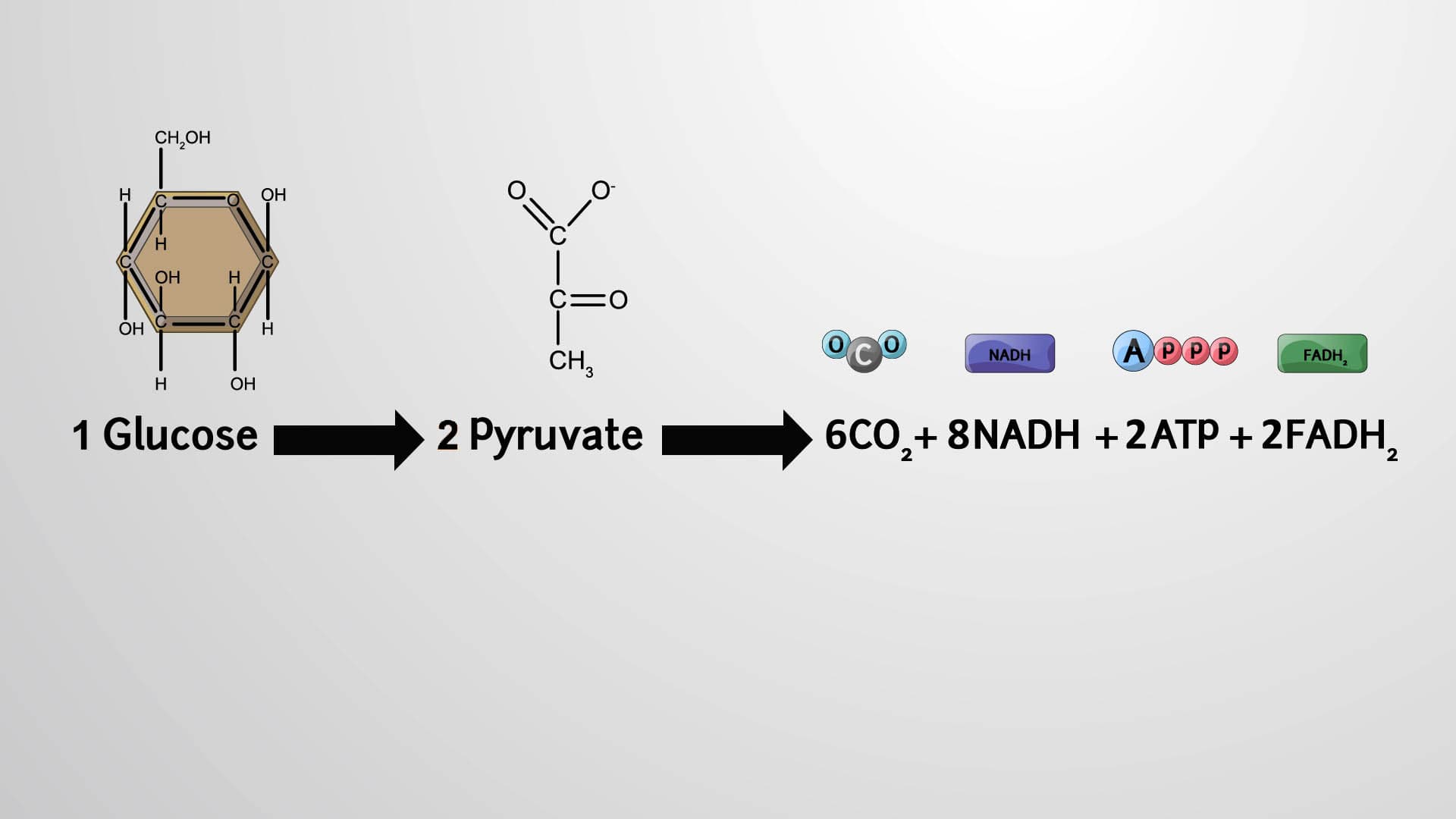
Pyruvate oxidation represents one of cellular respiration's most crucial checkpoints, serving as the mandatory bridge between glycolysis and the citric acid cycle. This process transforms pyruvate-the three-carbon end product of glucose breakdown-into acetyl-CoA, the two-carbon fuel that drives ATP production in mitochondria. For students preparing for the AP Biology exam or college biochemistry courses, mastering this concept is essential for understanding how cells extract maximum energy from nutrients.
Mitochondrial Transport: Getting Pyruvate to Its Destination
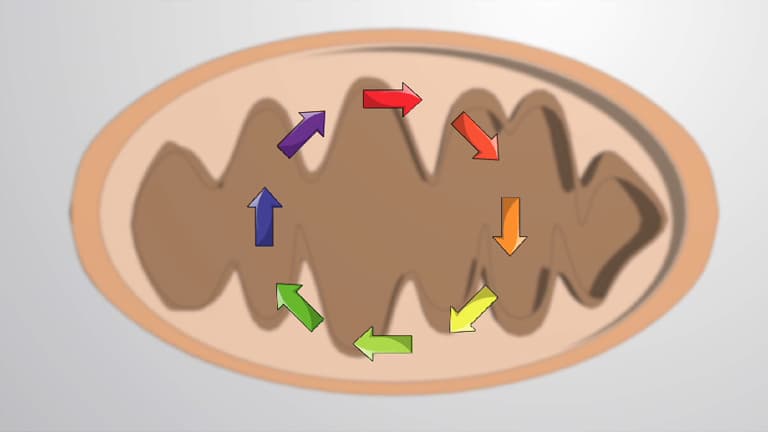
The journey begins with pyruvate transport across the mitochondrial double membrane system. Pyruvate molecules, carrying negative charges from glycolysis, cannot simply diffuse through lipid bilayers. Instead, they utilize a sophisticated transport system: porins in the outer membrane allow general passage, while the specific mitochondrial pyruvate carrier (MPC) facilitates selective transport across the inner membrane. This transport mechanism is particularly relevant in clinical settings-mutations affecting the MPC are associated with metabolic disorders studied in medical schools across the United States.
The Pyruvate Dehydrogenase Complex: A Molecular Machine
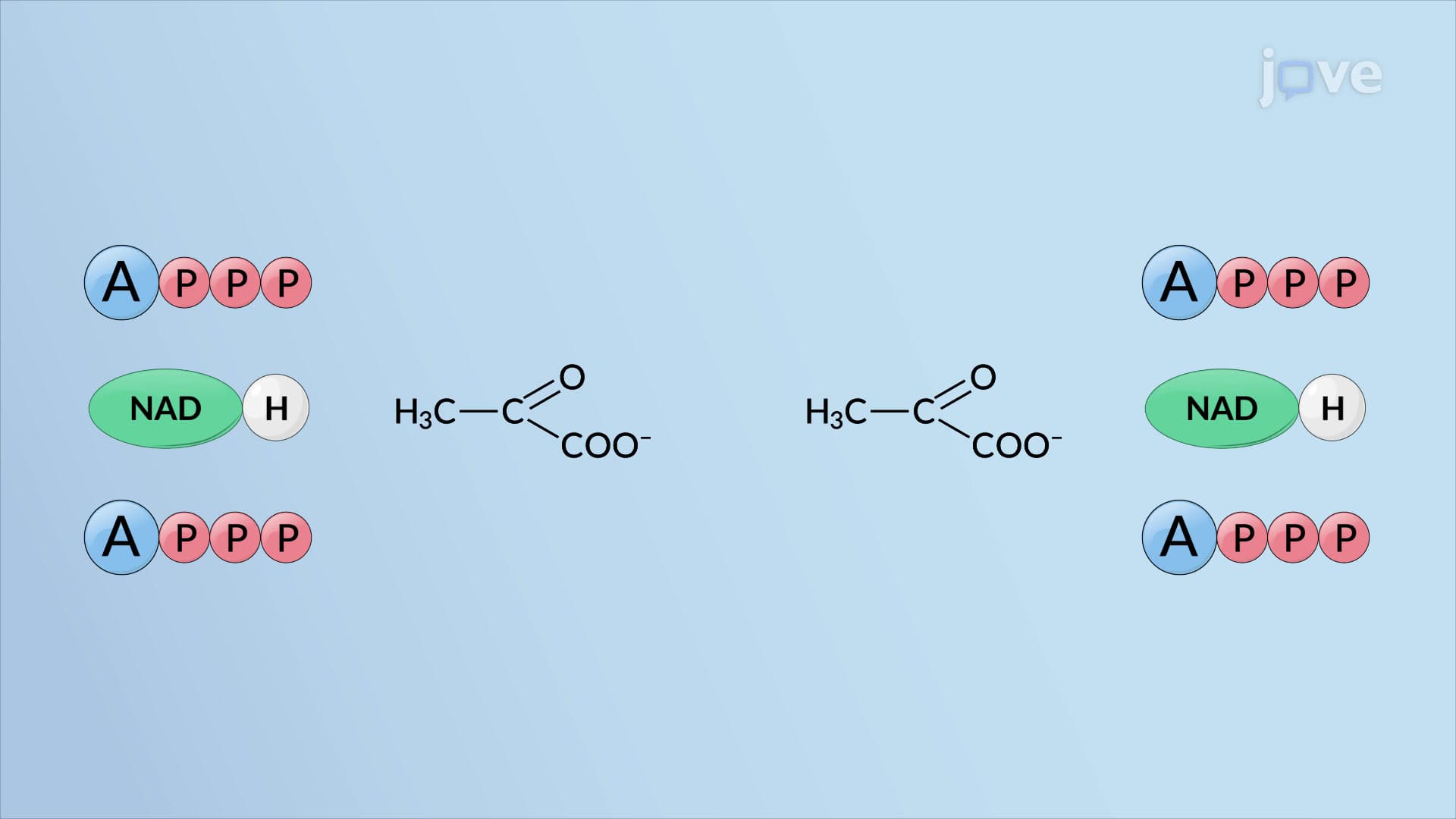
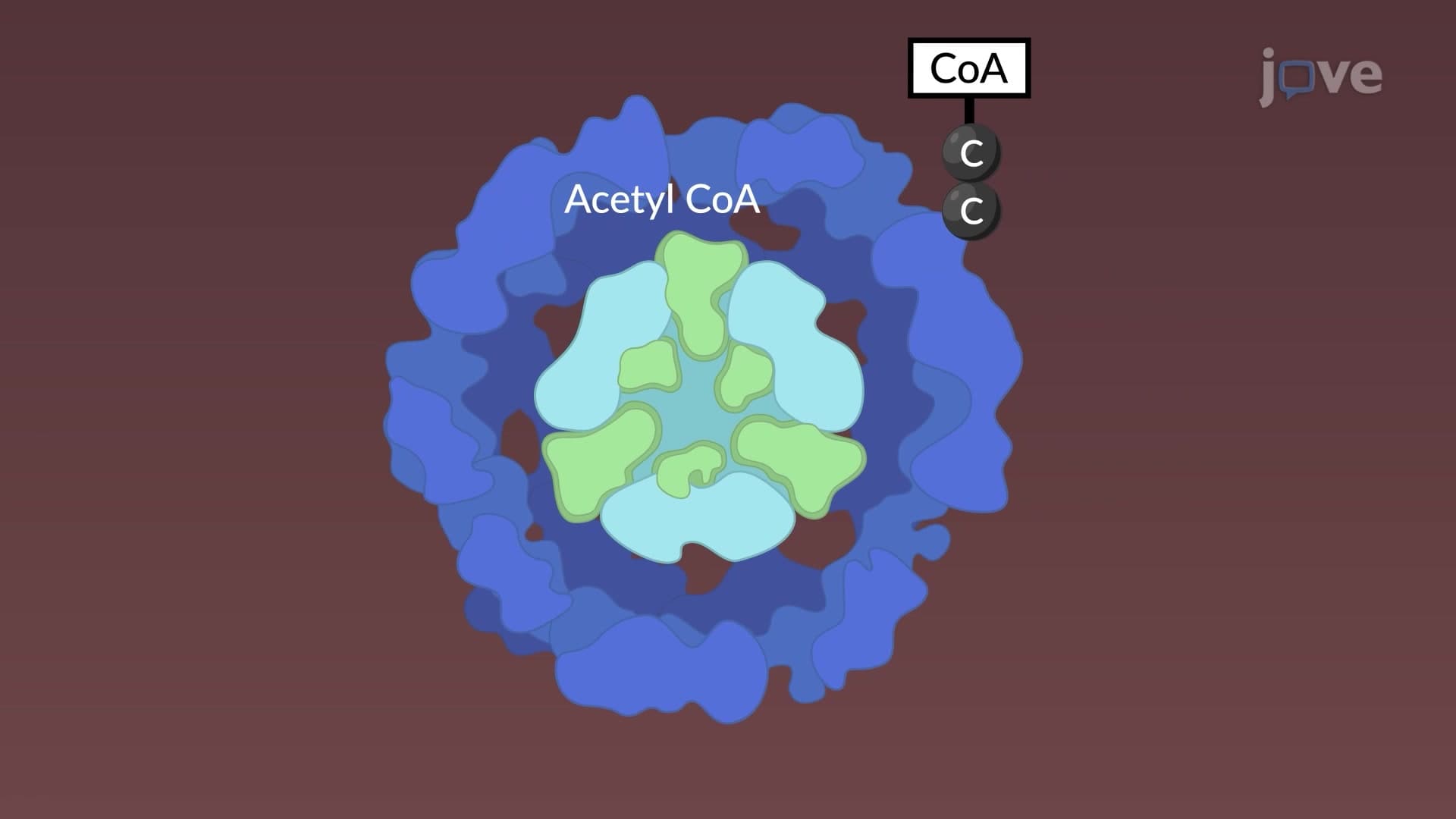
Within the mitochondrial matrix, pyruvate encounters the pyruvate dehydrogenase complex (PDC), a massive molecular assembly containing multiple copies of three distinct enzymes. This complex orchestrates three sequential reactions: first, pyruvate dehydrogenase removes the carboxyl group as CO2; second, the remaining two-carbon fragment undergoes oxidation while reducing NAD+ to NADH; finally, the acetyl group transfers to coenzyme A, forming acetyl-CoA. Students often encounter this mechanism in MCAT biochemistry sections, where understanding cofactor roles becomes crucial.
Clinical and Metabolic Significance
Pyruvate oxidation deficiencies manifest in real-world medical scenarios treated at major US medical centers like Johns Hopkins and Mayo Clinic. Thiamine (vitamin B1) deficiency, common in chronic alcoholism cases, directly impairs pyruvate dehydrogenase function, leading to dangerous lactate accumulation. Additionally, the process serves as a regulatory hub-high ATP levels inhibit the complex, while low energy states activate it, demonstrating metabolic flexibility essential for cellular survival.
Frequently Asked Questions
Pyruvate oxidation is the metabolic process that converts pyruvate into acetyl-CoA within mitochondria, serving as the critical link between glycolysis and the citric acid cycle. This reaction is essential because it prepares glucose-derived carbon for complete oxidation, enabling cells to extract maximum ATP from nutrients. Without pyruvate oxidation, cells cannot efficiently utilize oxygen for energy production, forcing reliance on less efficient anaerobic pathways.
AP Biology commonly tests pyruvate oxidation through cellular respiration pathway diagrams, asking students to identify reactants, products, and cellular locations. Expect questions about NADH production, CO2 release, and the role of coenzyme A in linking metabolic pathways. Practice tracing carbon atoms from glucose through glycolysis into pyruvate oxidation, and understand how this process connects to overall ATP yield calculations.
MCAT preparation should emphasize the pyruvate dehydrogenase complex structure, cofactor requirements (NAD+, CoA, TPP, lipoic acid), and regulatory mechanisms. Focus on understanding allosteric control, covalent modification through phosphorylation, and how metabolic states influence enzyme activity. Pay special attention to clinical correlations, particularly vitamin deficiencies and metabolic disorders affecting this pathway.
Medical schools extensively cover pyruvate dehydrogenase deficiency as a genetic disorder affecting neurological development, commonly discussed in pediatrics and biochemistry courses. Students learn about thiamine deficiency causing beriberi and Wernicke-Korsakoff syndrome, conditions frequently encountered in US emergency departments. These clinical scenarios appear regularly on USMLE Step 1 examinations.
During intense exercise at facilities like US Olympic Training Centers, pyruvate oxidation becomes the limiting step for aerobic energy production in muscle cells. When oxygen supply meets demand, pyruvate enters mitochondria for complete oxidation; when oxygen becomes limiting, pyruvate converts to lactate instead. This explains why sprint training focuses on both aerobic capacity and lactate tolerance in competitive athletics.
Pyruvate oxidation builds logically on basic chemistry concepts taught in high school courses. While the complete mechanism involves multiple enzymes and cofactors, focusing on the overall transformation (pyruvate → acetyl-CoA + CO2 + NADH) provides a solid foundation. Most students successfully master this concept by connecting it to familiar processes like cellular respiration and energy metabolism.
Create a visual flowchart showing pyruvate transport, enzyme complex components, and product formation, then practice drawing it from memory. Connect each step to energy yield-this pathway produces one NADH per pyruvate, which generates approximately 2.5 ATP molecules during electron transport. Use mnemonics for cofactor requirements and practice integrating this process with glycolysis and citric acid cycle questions.
Build on pyruvate oxidation by exploring the citric acid cycle, where acetyl-CoA undergoes complete oxidation to CO2. Study electron transport chain mechanisms that utilize NADH produced during pyruvate oxidation, and investigate metabolic regulation including allosteric control and covalent modification of key enzymes. Advanced students should explore gluconeogenesis and fatty acid metabolism pathways that intersect with acetyl-CoA chemistry.
Related Micro-courses