Loading…
Loading video…

425,600 views
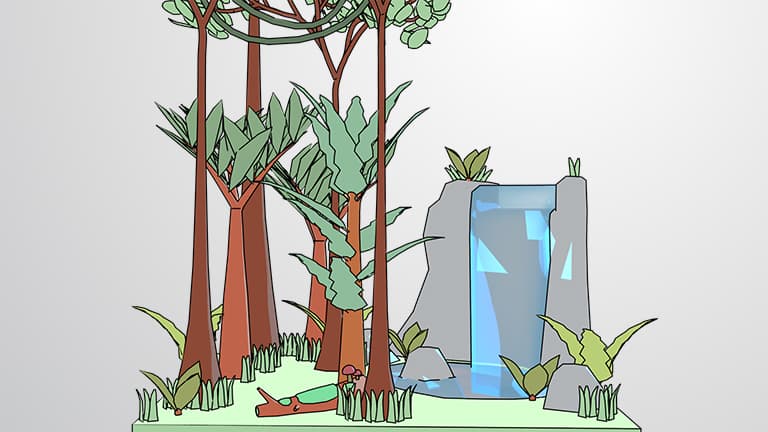
Did you know that ecosystem interactions between living organisms and their physical environment determine whether the Florida Everglades thrives as a wetland or transforms into a desert? An ecosystem represents the intricate web of relationships between all biotic and abiotic factors within a specific environment. From Yellowstone's geothermal springs supporting unique bacterial communities to California's redwood forests creating their own microclimates, an ecosystem definition encompasses both terrestrial and aquatic biomes shaped by rainfall and temperature patterns. Watch the full video on JoVE Coach to master this concept with expert-led visuals and step-by-step explanations.
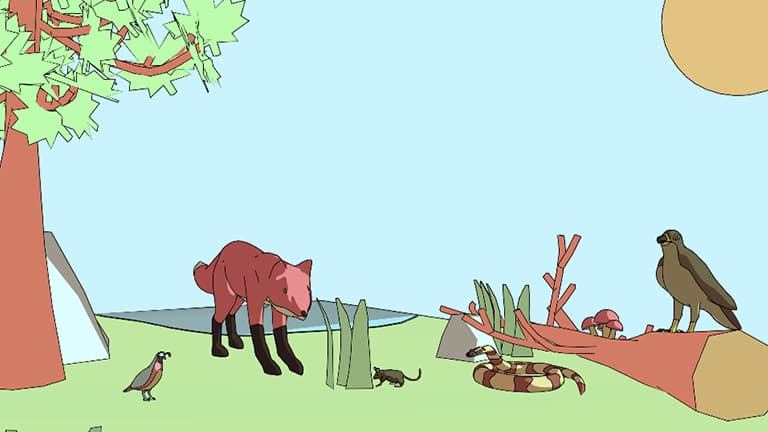
An ecosystem definition encompasses far more than a simple collection of plants and animals in one location. Ecosystems represent dynamic networks where every living organism (biotic factors) continuously interacts with nonliving environmental components (abiotic factors) such as temperature, water availability, soil composition, and sunlight exposure. These interactions create feedback loops that maintain ecosystem stability or drive evolutionary changes over time.
Consider the Greater Yellowstone Ecosystem, where wolves reintroduced in 1995 created cascading effects throughout the food web. Their predation on elk populations allowed vegetation recovery along riverbanks, which stabilized soil erosion and created habitat for songbirds and beavers. This demonstrates how ecosystem biology explained through one species can transform entire landscapes through interconnected relationships.
Terrestrial ecosystems follow predictable patterns based on two primary factors: annual precipitation and average temperature ranges. The Sonoran Desert of Arizona exemplifies how low rainfall (less than 10 inches annually) and high temperatures create specialized plant communities like saguaro cacti and desert ironwood trees. Conversely, the Pacific Northwest's temperate rainforests receive over 100 inches of annual rainfall, supporting towering Douglas firs and complex understory ecosystems.
Students preparing for AP Environmental Science or college-level ecology courses should understand how climate data can predict biome characteristics. The Köppen climate classification system, widely used in US academic settings, demonstrates these relationships through mathematical relationships between temperature and precipitation patterns.
Despite covering less than 2% of Earth's surface, freshwater ecosystems support disproportionate biodiversity and provide essential ecosystem services. The Great Lakes system contains 20% of the world's freshwater and supports over 3,500 plant and animal species. These ecosystems face unique conservation challenges, as pollution and invasive species like zebra mussels can rapidly disrupt established food webs.
Marine ecosystems, covering 75% of Earth's surface, demonstrate distinct zonation patterns critical for MCAT and college biology comprehension. Coral reefs in Florida Keys and Hawaii support 25% of marine species despite occupying less than 1% of ocean area. The open ocean's photic zone enables photosynthesis by phytoplankton, producing over 50% of Earth's oxygen. Even abyssal depths support chemosynthetic bacteria around hydrothermal vents, proving ecosystem resilience in extreme conditions.
Frequently Asked Questions
An ecosystem definition describes the complex network of interactions between all living organisms (biotic factors) and nonliving environmental elements (abiotic factors) within a specific area. This includes everything from microscopic soil bacteria to large predators, plus climate, water, minerals, and energy sources. Together, these components create self-sustaining biological communities that can range from small pond ecosystems to vast prairie grasslands.
Ecosystem biology explained at the high school level builds foundational understanding for advanced college courses in ecology, environmental science, and conservation biology. Students learn to analyze food webs, energy flow, and nutrient cycling that directly apply to college research projects and laboratory work. This knowledge proves essential for pre-med students taking the MCAT biology section and environmental science majors studying ecosystem management.
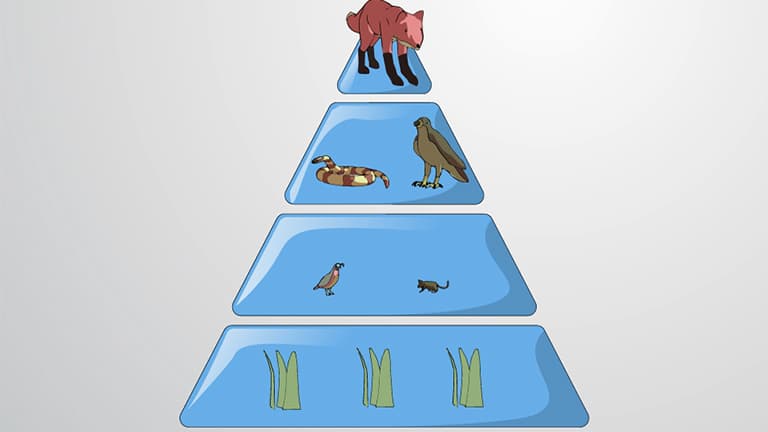
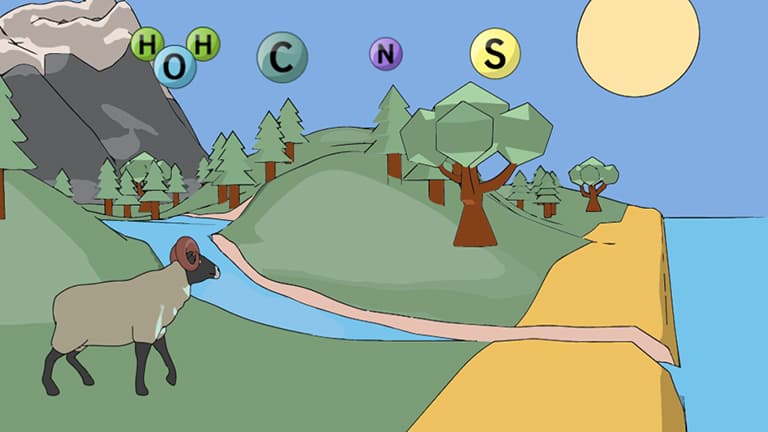
AP Environmental Science exams consistently test ecosystem energy flow, food web dynamics, and biogeochemical cycles like carbon and nitrogen cycling. Students should master biome characteristics, succession patterns, and human impact on ecosystem stability. Recent exams emphasize climate change effects on ecosystem boundaries and species distribution patterns. Understanding keystone species roles and trophic cascades frequently appears in free-response questions.
Ecosystem understanding directly supports careers in wildlife management, environmental consulting, and conservation planning across US agencies like the National Park Service and EPA. Environmental consultants assess ecosystem health for development projects, while wildlife biologists apply ecosystem principles to species recovery programs like California condor restoration. Urban planners increasingly use ecosystem services concepts for sustainable city design and green infrastructure development.
Basic chemistry concepts enhance ecosystem understanding but aren't prerequisites for introductory study. Students benefit from knowing pH effects on soil and water, but can successfully learn ecosystem principles through observation and pattern recognition. Most high school and introductory college courses emphasize biological relationships over complex chemical equations. Advanced ecosystem chemistry becomes important primarily for environmental science majors and graduate-level research.
Create comparison charts organizing biomes by precipitation and temperature ranges, then add specific plant and animal examples from each region. Use US national parks as memory anchors: Yellowstone for temperate grasslands, Everglades for wetlands, Mojave for deserts. Practice drawing climate graphs and connecting them to vegetation patterns. Visual learners benefit from satellite images showing biome boundaries and transition zones across North American landscapes.
After understanding fundamental ecosystem definitions, explore population dynamics and community ecology, including predator-prey relationships and competitive interactions. Study ecosystem services like pollination and water purification that directly impact human societies. Advanced students should investigate conservation biology principles and restoration ecology, particularly relevant for addressing current environmental challenges like habitat fragmentation and climate adaptation strategies.
Related Micro-courses



Related Subjects