Loading subject page…

- Biology
- Ecosystems
- The Carbon Cycle
Micro-course: Ecosystems
425,603 views
Learn key concepts and earn your certificate.
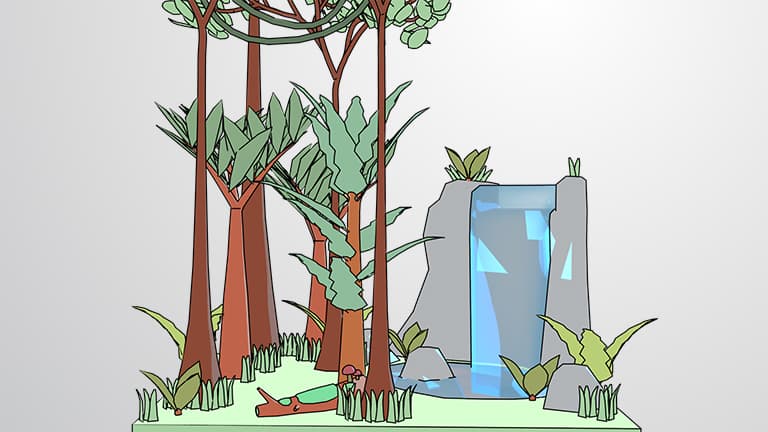

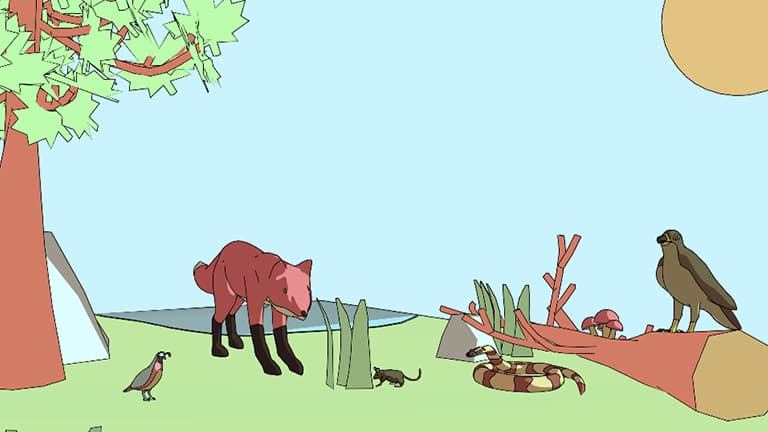
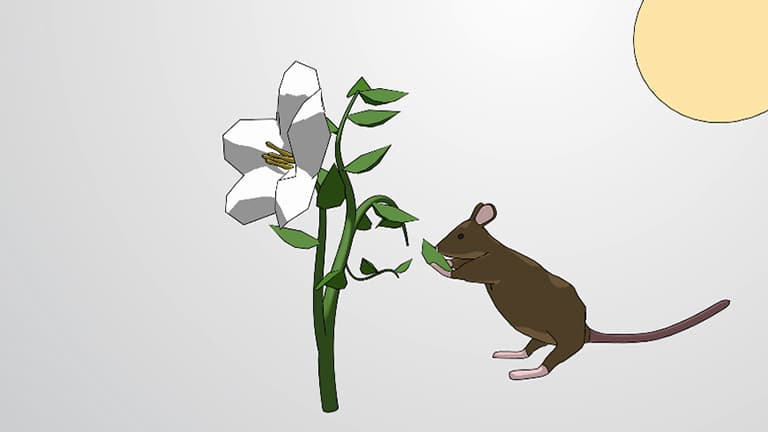
The Carbon Cycle

00:00
01:14
Video Summary: What Is the Carbon Cycle
Did you know that the carbon atom in your morning coffee could have been part of a dinosaur millions of years ago? The carbon cycle explains how carbon atoms continuously move through Earth's atmosphere, oceans, and living organisms in an endless loop. From the towering redwoods of California's national parks to the microscopic algae in the Pacific Ocean, every living thing participates in this fundamental process. Understanding what is the carbon cycle reveals how our planet maintains the delicate balance necessary for life. Watch the full video on JoVE Coach to master this concept with expert-led visuals and step-by-step explanations.
- Understand what is the carbon cycle and how it functions as Earth's most important biogeochemical process
- Identify the four major carbon reservoirs: atmosphere, oceans, terrestrial ecosystems, and geological formations
- Analyze how photosynthesis and cellular respiration drive carbon exchange between living organisms and the atmosphere
- Compare short-term carbon storage (plants, soil) with long-term storage (fossil fuels, sedimentary rocks)
- Evaluate the role of ocean chemistry in carbon sequestration through carbonate ion formation
- Apply carbon cycle principles to understand climate change and human environmental impact
- Recognize how volcanic activity and weathering processes complete the geological carbon cycle
- Explore connections between the carbon cycle and other biogeochemical cycles like nitrogen and phosphorus
Understanding What is The Carbon Cycle: Earth's Chemical Highway
What is the carbon cycle? This fundamental process describes how carbon atoms move through Earth's interconnected systems-atmosphere, hydrosphere, biosphere, and geosphere-in a continuous exchange that has operated for billions of years. Unlike a simple circle, the carbon cycle resembles a complex network where carbon can take multiple pathways and remain stored for vastly different time periods.
Biological Carbon Exchange: The Living Component
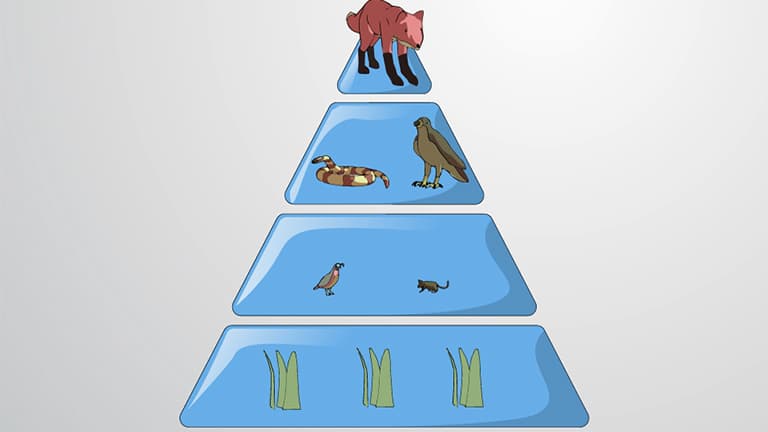
The biological carbon cycle operates on timescales from seconds to decades. During photosynthesis, plants like the corn crops across Iowa's farmland absorb atmospheric CO2 and convert it into glucose, effectively removing about 120 billion tons of carbon from the atmosphere annually. This process powers virtually all life on Earth, as herbivores consume plant matter and carnivores feed on herbivores, transferring carbon through food webs.
Cellular respiration reverses this process, as organisms from soil bacteria to grizzly bears in Yellowstone National Park release CO2 back to the atmosphere. When organisms die, decomposer bacteria and fungi break down organic matter, returning stored carbon to both atmosphere and soil. This biological component directly impacts AP Biology and college ecology courses, where students analyze energy flow and nutrient cycling.
Ocean Carbon Reservoir: Earth's Largest Active Storage
The world's oceans contain approximately 50 times more carbon than the atmosphere, making them crucial climate regulators. When atmospheric CO2 dissolves in seawater, it forms carbonic acid, which then produces bicarbonate and carbonate ions. Marine organisms like the oysters harvested along Louisiana's Gulf Coast use these carbonates to build shells and skeletons.
This ocean chemistry appears frequently on MCAT and AP Chemistry exams, particularly in questions about pH buffering systems and chemical equilibrium. The ocean's carbon pump also includes biological processes-marine algae photosynthesize near the surface, then sink to deep waters when they die, sequestering carbon for centuries.
Geological Carbon Storage: The Long-Term Perspective
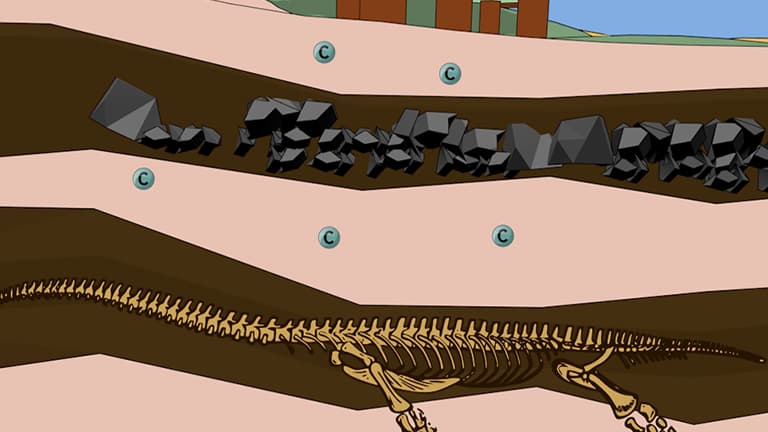
Geological processes operate on million-year timescales. Carbon stored in limestone formations like those visible in Kentucky's Mammoth Cave represents ancient marine life compressed over geological time. Fossil fuels-coal deposits in Wyoming, oil reserves in Texas, and natural gas in Pennsylvania-contain carbon that was removed from the atmosphere hundreds of millions of years ago.
Volcanic eruptions, such as those from Hawaii's active volcanoes, release this stored geological carbon back to the atmosphere through degassing. This geological component helps students understand deep time concepts crucial for AP Environmental Science and college earth science courses, connecting current climate change to Earth's long-term carbon balance.
Frequently Asked Questions
The carbon cycle is nature's recycling system for carbon atoms, moving them between air, water, living things, and rocks. Carbon flows from the atmosphere into plants through photosynthesis, then through food chains, eventually returning to the atmosphere through respiration and decomposition. This process maintains Earth's carbon balance and supports all life.
AP Biology frequently tests carbon cycle knowledge through free-response questions about ecosystem energy flow and biogeochemical cycles. Students analyze diagrams showing carbon movement between reservoirs, calculate carbon flux rates, and explain how human activities disrupt natural carbon balance. The process connects to photosynthesis, cellular respiration, and ecology units.
MCAT questions emphasize the biochemical aspects: photosynthesis and cellular respiration equations, ocean carbonate chemistry, and pH buffer systems. Focus on understanding how CO2 dissolution affects ocean acidity and how enzyme kinetics influence carbon fixation rates. These concepts appear in both biological and chemical reasoning sections.
The carbon cycle provides the foundation for understanding climate change, as it explains how atmospheric CO2 concentrations affect global temperatures. Students learn to analyze carbon budgets, evaluate carbon sequestration strategies, and assess how land-use changes impact carbon storage. This knowledge is essential for environmental policy and sustainability careers.
Carbon cycling influences everything from agriculture productivity in the Midwest to forest management in the Pacific Northwest. Understanding the cycle helps explain why reforestation projects can combat climate change, how soil health affects crop yields, and why protecting wetlands benefits both local ecosystems and global carbon balance.
Not at all-the carbon cycle builds logically from basic chemistry and biology concepts you already know. Start with photosynthesis and cellular respiration, then gradually add ocean chemistry and geological processes. Visual diagrams and real-world examples make the connections clear and memorable.
Create a concept map showing carbon movement between atmosphere, oceans, plants, animals, and geological formations. Practice drawing the cycle from memory, including time scales for each reservoir. Focus on quantitative aspects-how much carbon each reservoir contains and annual flux rates between them.
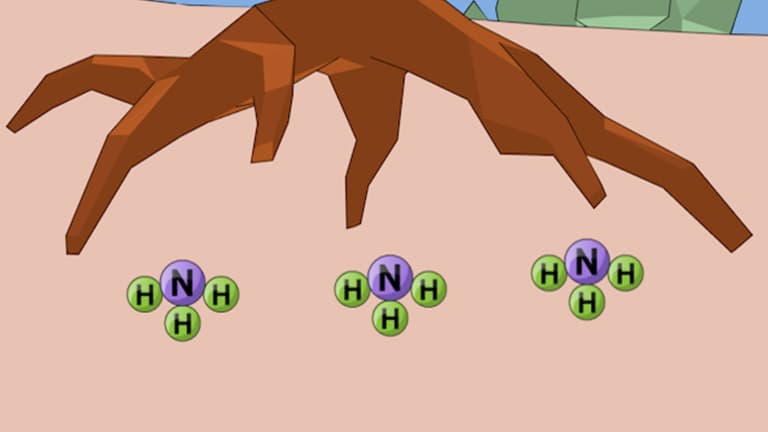
Explore connections to other biogeochemical cycles, particularly nitrogen and phosphorus cycles, which interact with carbon cycling in ecosystems. Climate science courses build on carbon cycle knowledge to explain greenhouse effects and global warming. Marine chemistry and soil science offer deeper insights into specific carbon reservoirs.
Related Micro-courses
12 Concepts

11 Concepts

5 Concepts