Loading video…


 12 Concepts
 425.6K views

Video Summary: What Is Primary Production
Did you know that the Amazon rainforest produces about 20% of the world's oxygen through primary production? Primary production is the foundation of all life on Earth, representing how organisms like plants and algae convert sunlight and carbon dioxide into the energy that powers entire ecosystems. In Yellowstone National Park, this process supports everything from microscopic bacteria in hot springs to massive grizzly bears. Understanding what is primary production reveals how energy flows through nature's interconnected web. Watch the full video on JoVE Coach to master this concept with expert-led visuals and step-by-step explanations.
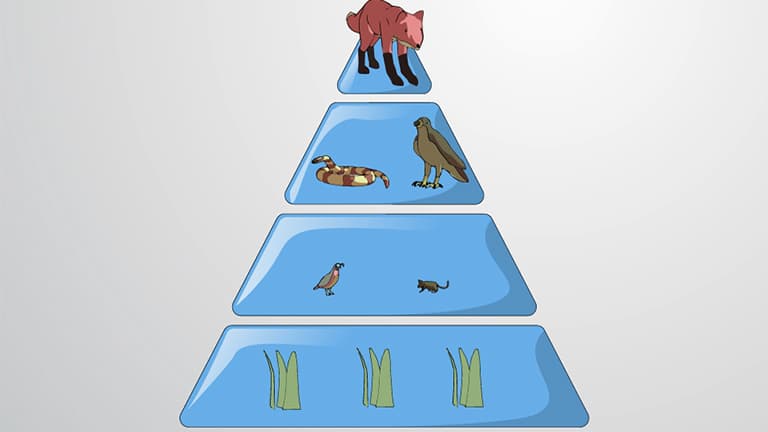
Primary production represents the cornerstone of ecosystem energy flow, defining how autotrophic organisms capture and convert inorganic carbon into organic compounds through photosynthesis. This fundamental biological process drives virtually every ecosystem on Earth, from the kelp forests off California's coast to the prairie grasslands of Kansas.
The primary production definition explained centers on two critical measurements: gross primary production (GPP) and net primary production (NPP). GPP represents the total amount of carbon dioxide converted into organic matter through photosynthesis, while NPP accounts for the energy remaining after autotrophs use some for their own cellular respiration. Think of GPP as a plant's total earnings, while NPP represents the savings available for the rest of the ecosystem after paying metabolic expenses.
Marine ecosystems showcase unique primary production patterns compared to terrestrial systems. In places like Monterey Bay, California, microscopic phytoplankton serve as primary producers, but their productivity depends heavily on sunlight penetration and nutrient availability. The ocean's surface waters often lack essential nutrients like nitrogen and phosphorus, creating productivity limitations that don't exist on land.
Terrestrial ecosystems, dominated by vascular plants, follow different rules. The redwood forests of Northern California demonstrate how trees maximize light capture through towering canopies, while desert plants in Arizona have evolved water-conservation strategies that limit their primary production rates. These adaptations directly influence NPP measurements and ecosystem energy availability.
Temperature and moisture emerge as the primary drivers of terrestrial primary production. This explains why tropical rainforests in Puerto Rico achieve the highest productivity rates globally, while Nevada's Mojave Desert ranks among the lowest. The relationship between climate and productivity becomes especially relevant for AP Environmental Science students studying biome characteristics and energy flow.
Understanding these patterns helps predict how climate change might alter primary production globally. As temperatures rise and precipitation patterns shift, ecosystems across the United States may experience significant changes in their energy production capacity, affecting everything from agricultural yields in Iowa to forest growth in the Pacific Northwest.
Related Micro-courses