Loading video…


 12 Concepts
 425.6K views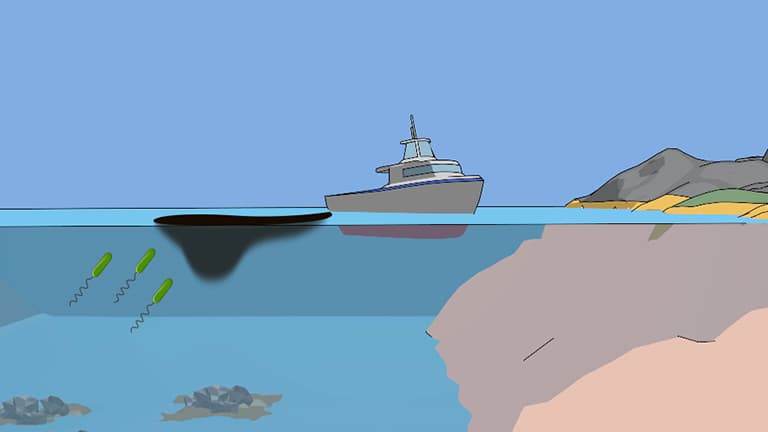

Video Summary: What Is Bioremediation
Did you know that bacteria can literally eat oil spills? Bioremediation harnesses the natural power of living organisms-bacteria, fungi, and plants-to clean up environmental pollution and restore damaged ecosystems. After the 2010 Deepwater Horizon disaster in the Gulf of Mexico, scientists successfully used Pseudomonas bacteria to break down petroleum hydrocarbons, demonstrating how what is bioremediation becomes a critical environmental solution. Watch the full video on JoVE Coach to master this concept with expert-led visuals and step-by-step explanations.
Bioremediation represents one of the most elegant solutions to environmental contamination, utilizing living organisms as biological agents to remove, neutralize, or transform pollutants into harmless substances. This process harnesses the natural metabolic capabilities of microorganisms, plants, and fungi that have evolved to break down organic compounds for energy and survival.
Bacterial bioremediation dominates most cleanup efforts due to bacteria's rapid reproduction and diverse metabolic pathways. Pseudomonas species excel at petroleum hydrocarbon degradation, using enzymes to break complex oil molecules into simpler compounds. These bacteria literally consume hydrocarbons as food, converting them through cellular respiration into carbon dioxide and water.
Fungal bioremediation (mycoremediation) proves particularly effective for heavy metal contamination and persistent organic pollutants. White-rot fungi produce powerful enzymes that can break down lignin, making them excellent candidates for treating wood preservatives and pesticides.
Phytoremediation employs plants to extract, stabilize, or degrade contaminants. Sunflowers famously helped clean radioactive soil around Chernobyl, while willow trees effectively remove heavy metals from contaminated groundwater.
The EPA has successfully implemented bioremediation at numerous Superfund sites across America. At the former Exxon refinery in Baytown, Texas, scientists enhanced natural bacterial populations to remediate petroleum-contaminated soil, reducing cleanup time from decades to years. Similarly, the Berkeley Pit in Montana uses engineered wetlands with specific plant species to treat acidic mine drainage.
Modern bioremediation often involves bioaugmentation (adding specific microorganisms) and biostimulation (providing nutrients to enhance existing microbial populations). Scientists add nitrogen and phosphorus to oil-contaminated sites, creating optimal conditions for hydrocarbon-degrading bacteria to thrive.
Cutting-edge research focuses on genetically modified organisms designed for specific pollutants. Researchers at UC Berkeley have engineered cyanobacteria with enhanced glucose production capabilities, simultaneously removing atmospheric carbon dioxide while producing useful biomass.
Bioremediation frequently appears on AP Environmental Science exams, college microbiology courses, and MCAT passages. Students should understand both natural processes and human interventions, including cost-benefit analyses compared to traditional cleanup methods like excavation and incineration. Practice questions often focus on selecting appropriate organisms for specific contaminants and predicting environmental outcomes.
Related Micro-courses