Loading video…


 12 Concepts
 425.6K views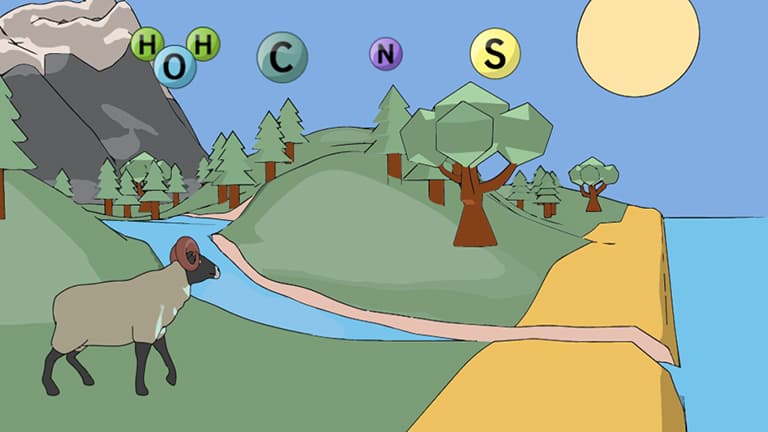

Video Summary: What are Biogeochemical Cycles Nutrient Cycling and Ecosystem Processes
Did you know that the calcium in your teeth once traveled through ancient ocean currents and mountain rocks? Biogeochemical cycles demonstrate how nutrient cycling powers every ecosystem on Earth, from the Florida Everglades to California's redwood forests. What Are Biogeochemical Cycles? Nutrient Cycling and Ecosystem Processes reveals how essential elements like carbon, nitrogen, and phosphorus continuously move between living organisms and their environment. Watch the full video on JoVE Coach to master this concept with expert-led visuals and step-by-step explanations.
Biogeochemical cycles represent nature's ultimate recycling system, where essential elements continuously move between living organisms (biotic factors) and non-living components (abiotic factors) of the environment. This process ensures that nutrients remain available to support life across all ecosystems, from the Sonoran Desert to the Great Lakes region. The term "biogeochemical" itself tells the story: "bio" refers to living organisms, "geo" represents Earth's geological processes, and "chemical" describes the molecular transformations occurring throughout these cycles.
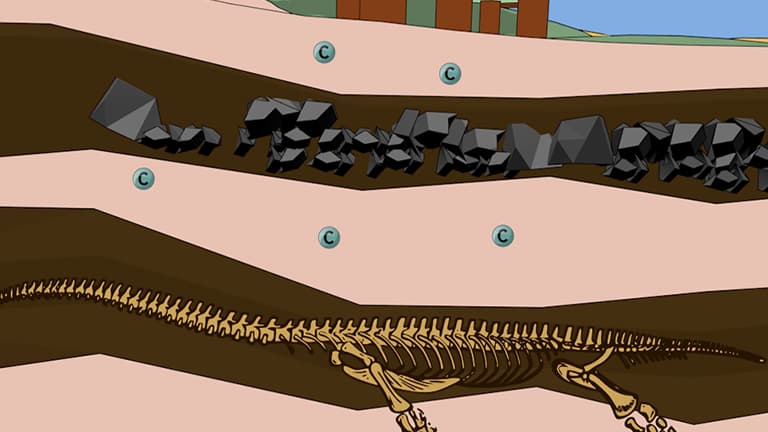
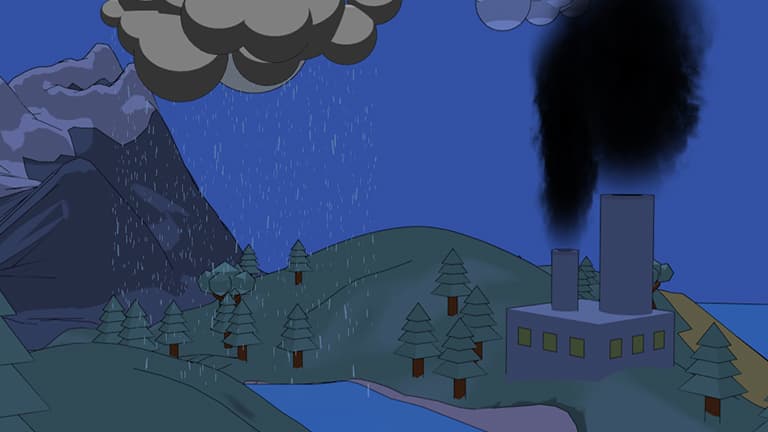
The classification of biogeochemical cycles depends primarily on whether elements can exist in gaseous forms. Global cycles involve water (H2O), carbon (CO2), nitrogen (N2), and sulfur (SO2), which can move through the atmosphere, making them truly planetary in scope. For example, carbon dioxide released from a coal plant in Pennsylvania can be absorbed by phytoplankton in the Pacific Ocean, demonstrating this global connectivity.
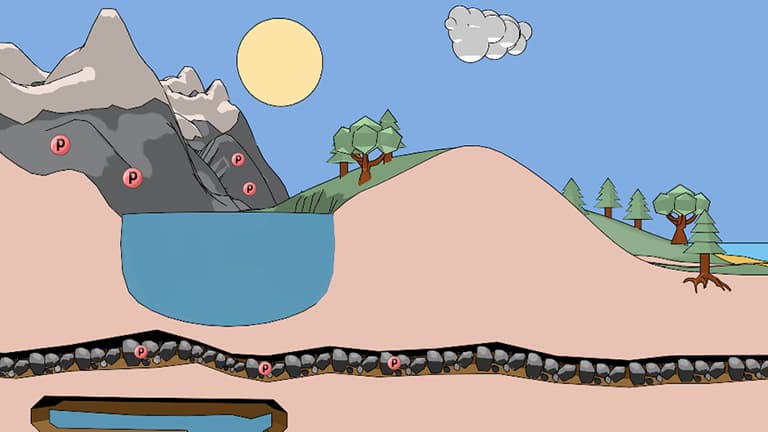
Local cycles, exemplified by phosphorus, are restricted to terrestrial and aquatic ecosystems because these elements are too heavy to remain airborne. Phosphorus cycles primarily through rock weathering, soil systems, and water bodies. In the Chesapeake Bay, excess phosphorus from agricultural runoff creates algal blooms, illustrating how local nutrient cycling directly impacts regional ecosystem health.
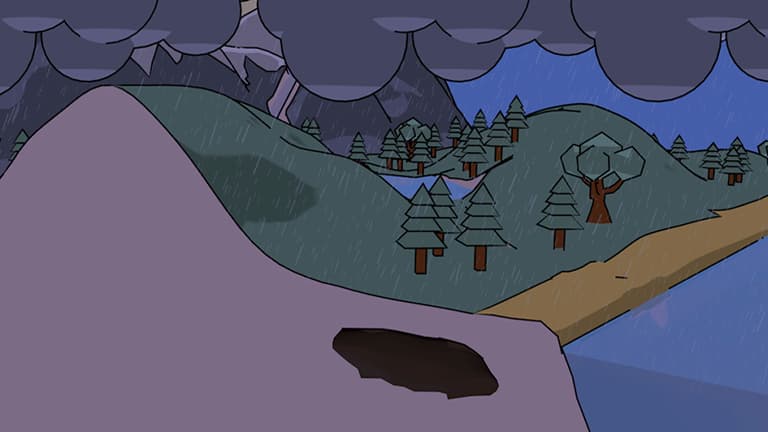
Geological processes serve as the critical link between local and global biogeochemical cycles. Tectonic plate movements bring deep-Earth minerals to the surface, while weathering and erosion break down rocks to release nutrients into soil and water systems. The Colorado River system demonstrates this perfectly-as it carves through sedimentary layers, it releases phosphorus, calcium, and other minerals that support riparian ecosystems throughout the Southwest.
Water drainage patterns further connect these processes by transporting dissolved nutrients from mountains to valleys, lakes, and oceans. The Mississippi River watershed, draining 40% of the continental United States, carries agricultural nutrients from Midwest farms to the Gulf of Mexico, creating both local ecosystem impacts and contributing to global oceanic nutrient distribution.
Understanding biogeochemical cycles is essential for success in AP Environmental Science, where students analyze human impacts on nutrient cycling. College-level ecology and environmental science courses delve deeper into quantitative aspects, examining nutrient budgets and cycling rates. For MCAT preparation, focus on how biogeochemical cycles connect to cellular metabolism and ecological relationships, particularly in the biological and biochemical foundations section.
Related Micro-courses