Loading video…


 12 Concepts
 425.6K views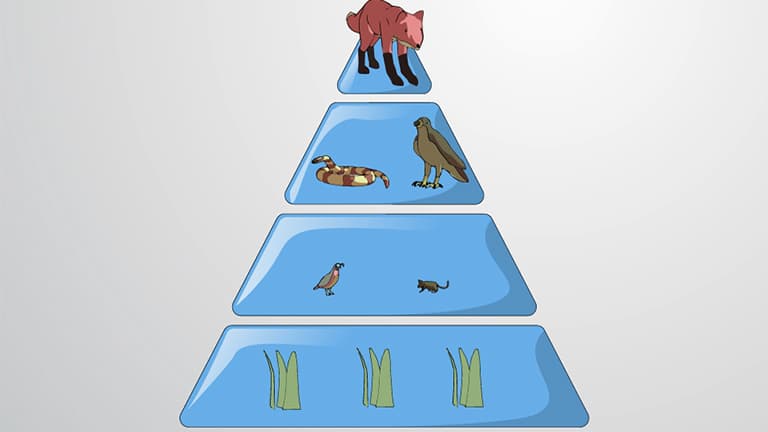

Video Summary: What Is Trophic Efficiency
Ever wondered why there are so few top predators like mountain lions in Yellowstone National Park compared to deer and elk? Trophic efficiency explains this energy mystery in ecosystems. Only about 10% of energy transfers between feeding levels, meaning primary consumers capture just a fraction of what producers create. This fundamental concept, known as trophic efficiency, determines why food chains rarely exceed four or five levels in nature. Watch the full video on JoVE Coach to master this concept with expert-led visuals and step-by-step explanations.
Trophic efficiency represents one of ecology's most fundamental principles, governing how energy moves through food webs from producers to top predators. This concept explains why ecosystems follow predictable patterns in their structure and why certain limitations exist in nature's design.
The widely recognized "10% rule" states that only approximately 10% of energy transfers from one trophic level to the next. This efficiency rate varies across ecosystems but provides a reliable framework for understanding energy flow. When primary producers in a California grassland capture solar energy through photosynthesis, herbivores like ground squirrels can only utilize about 10% of that stored energy. The remaining 90% is lost through metabolic processes, heat production, and incomplete consumption.
This energy loss occurs due to the second law of thermodynamics, which dictates that energy transformations always result in some energy becoming unavailable for work. Organisms use significant energy for cellular respiration, movement, growth, and reproduction-processes that convert chemical energy to heat energy that dissipates into the environment.
Trophic efficiency directly impacts ecosystem structure across American landscapes. In the Great Lakes food web, phytoplankton support zooplankton, which feed small fish like alewives, which sustain larger fish like lake trout, which may feed apex predators like cormorants. Each transfer reduces available energy, explaining why lake trout populations remain smaller than alewife populations.
Agricultural applications demonstrate trophic efficiency's economic importance. Cattle ranching requires vast grasslands because cows represent secondary consumers, accessing only a fraction of the original solar energy captured by grasses. This principle influences sustainable farming practices and helps explain why plant-based diets require fewer resources than meat-based diets.
Students encounter trophic efficiency concepts across multiple academic levels. AP Environmental Science exams frequently test understanding of energy pyramids and the 10% rule. College ecology courses explore variations in trophic efficiency across different ecosystems, while pre-med students preparing for the MCAT must understand how energy flow principles apply to population dynamics and ecosystem stability. Understanding these concepts provides essential foundation knowledge for advanced studies in environmental science, marine biology, and conservation ecology.
Related Micro-courses