Loading subject page…


425,606 views

Video Summary: What Is the Sulfur Cycle
Did you know that the sulfur in your hair and nails has likely traveled from volcanic vents to ocean floors and back through the atmosphere? The sulfur cycle moves this essential element between air, land, and water through natural processes like weathering and decomposition, plus human activities like burning coal in power plants across the Midwest. This biogeochemical cycle affects everything from acid rain formation to marine ecosystem health. Watch the full video on JoVE Coach to master this concept with expert-led visuals and step-by-step explanations.
The sulfur cycle represents one of Earth's critical biogeochemical cycles, moving sulfur through the atmosphere, lithosphere, hydrosphere, and biosphere. Unlike carbon or nitrogen cycles, sulfur cycling involves significant interactions with geological processes, making it unique among nutrient cycles. This cycle maintains sulfur availability for protein synthesis while regulating atmospheric chemistry and pH levels in ecosystems.
For students preparing for AP Environmental Science or college-level ecology courses, understanding sulfur cycling provides insight into how human activities disrupt natural chemical balance. The cycle demonstrates key principles tested on standardized exams: chemical transformations, ecosystem interactions, and environmental impact assessment.
Sulfur enters the atmosphere through multiple pathways. Natural sources include volcanic eruptions, which release massive quantities of sulfur dioxide and hydrogen sulfide. For example, the 1991 Mount Pinatubo eruption in the Philippines temporarily cooled global temperatures through sulfur aerosol formation. Geothermal features like those in Yellowstone National Park continuously emit hydrogen sulfide, contributing to the atmospheric sulfur pool.
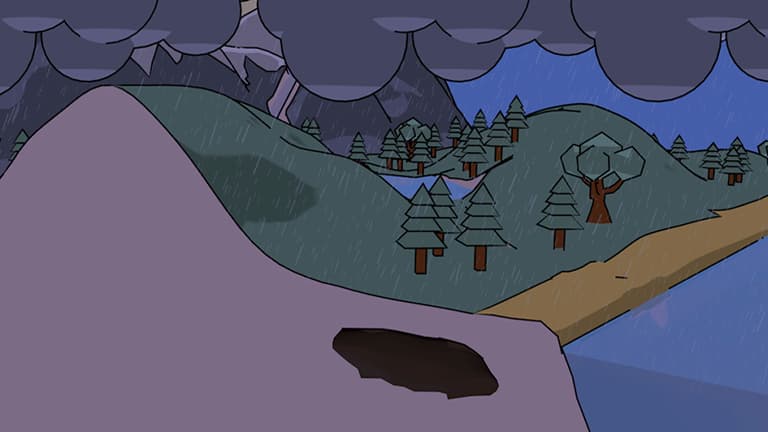
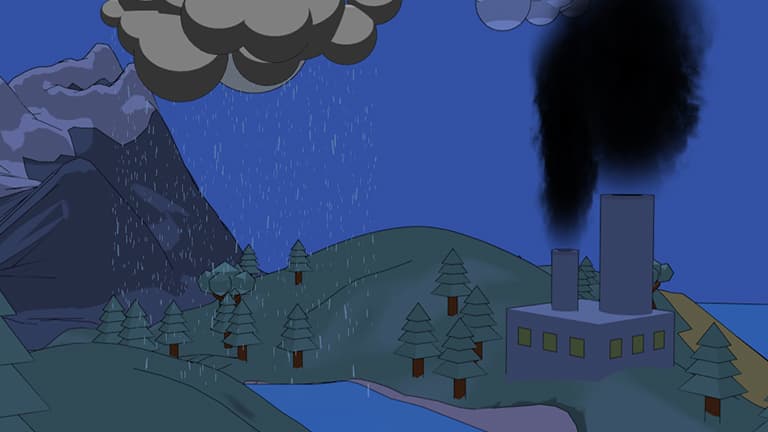
Human activities dramatically increase atmospheric sulfur through fossil fuel combustion. Coal-fired power plants in states like West Virginia and Wyoming release sulfur dioxide, which transforms into sulfuric acid in the atmosphere. This process creates acid precipitation that has damaged forests throughout the Adirondack Mountains and Great Smoky Mountains National Park.
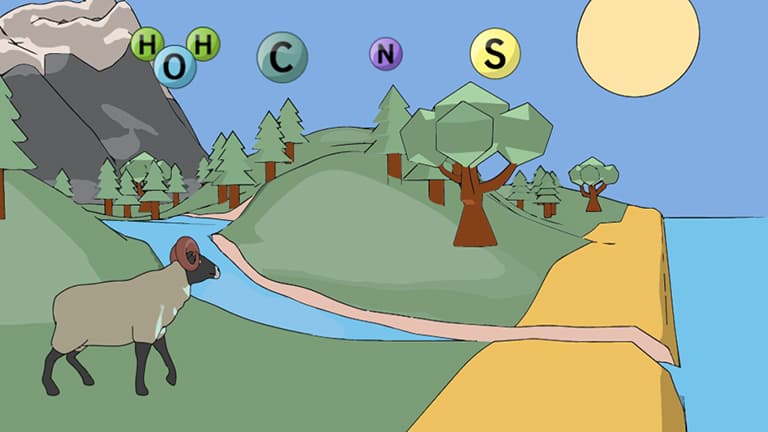
In terrestrial ecosystems, sulfur cycling begins when atmospheric sulfur deposits onto soil surfaces through precipitation or dry deposition. Rock weathering provides additional sulfur input, particularly in regions with sedimentary rocks containing sulfur-bearing minerals. The Colorado Plateau exemplifies how geological sulfur sources contribute to regional sulfur availability.
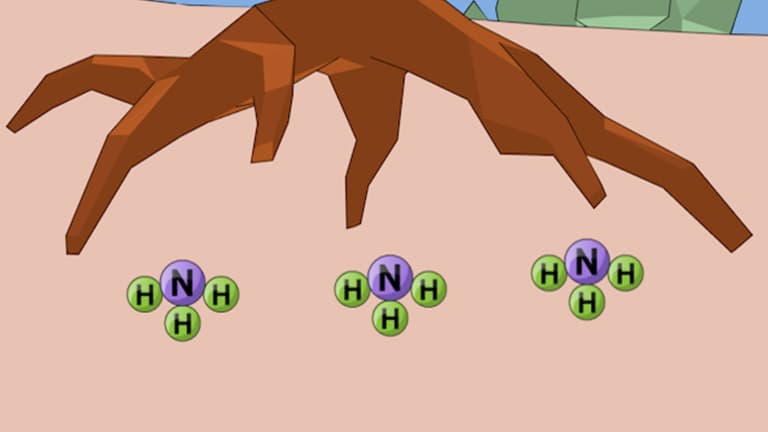
Plants absorb sulfur primarily as sulfate ions through their root systems. This sulfur becomes incorporated into essential amino acids like cysteine and methionine, making it crucial for protein structure. When organisms die, decomposer bacteria break down sulfur-containing compounds, releasing hydrogen sulfide back to the atmosphere. This biological transformation represents a key concept frequently tested on MCAT biochemistry sections.
Marine environments play crucial roles in global sulfur cycling. Rivers transport dissolved sulfur compounds from terrestrial runoff into oceans, where complex transformations occur. Marine chemoautotrophic bacteria, particularly around deep-sea hydrothermal vents, use sulfur compounds as energy sources for chemosynthesis. These processes, discovered at sites like the East Pacific Rise, revolutionized understanding of life in extreme environments.
Sulfur precipitates into marine sediments, creating long-term sulfur storage. Over geological time, tectonic processes uplift these sediments, exposing sulfur-bearing rocks to weathering and continuing the cycle. This geological component distinguishes sulfur cycling from other biogeochemical cycles and explains sulfur's unique environmental behavior patterns tested in advanced placement and college environmental science courses.
Related Micro-courses