Loading video…


 12 Concepts
 425.6K views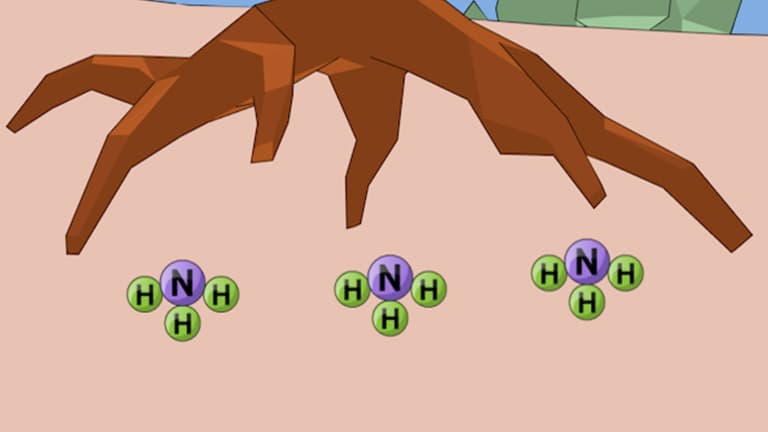

Video Summary: What Is the Nitrogen Cycle
Did you know that 78% of Earth's atmosphere is nitrogen, yet most plants can't use it directly? The nitrogen cycle explains how this essential element moves through ecosystems, from atmospheric gas to the proteins in your body. In Midwestern corn fields, specialized bacteria in root nodules convert atmospheric nitrogen into forms that crops can absorb, supporting America's agricultural backbone. Understanding what is the nitrogen cycle reveals how life depends on this continuous recycling process. Watch the full video on JoVE Coach to master this concept with expert-led visuals and step-by-step explanations.
The nitrogen cycle represents one of Earth's most critical biogeochemical processes, governing how nitrogen-essential for all life-circulates through the biosphere. Unlike carbon or water cycles that organisms can directly access from the environment, nitrogen presents a unique challenge: while comprising 78% of our atmosphere, the N₂ gas form remains chemically inert and unusable by most organisms. This limitation makes nitrogen a key limiting factor in many ecosystems, from prairie grasslands to marine environments.
The cycle's complexity stems from nitrogen's ability to exist in multiple oxidation states, each serving different biological functions. Understanding these transformations proves essential for students tackling AP Environmental Science, college-level biology courses, and pre-professional exams like the MCAT.
Nitrogen fixation stands as the cycle's most restrictive step, performed exclusively by specialized prokaryotes possessing the nitrogenase enzyme complex. In agricultural systems across the American Midwest, leguminous crops like soybeans host Rhizobium bacteria in root nodules, converting atmospheric N₂ into ammonia (NH₃). This symbiotic relationship allows these crops to thrive in nitrogen-poor soils while naturally enriching the soil for subsequent plantings.
Industrial nitrogen fixation through the Haber-Bosch process now accounts for roughly half of all nitrogen fixation globally, supporting fertilizer production that feeds billions. However, this energy-intensive process consumes approximately 1% of global energy production, highlighting the biological efficiency of natural nitrogen fixation.
Following fixation, nitrification occurs in two distinct steps performed by different bacterial groups. Ammonia-oxidizing bacteria convert NH₃ to nitrite (NO₂⁻), while nitrite-oxidizing bacteria transform nitrite to nitrate (NO₃⁻). Plants preferentially absorb nitrate due to its stability and mobility in soil solution.
During assimilation, plants incorporate these nitrogen compounds into amino acids, proteins, and nucleic acids. This process requires significant energy investment-nitrogen often represents the most expensive nutrient in crop production. In forest ecosystems like those found in the Pacific Northwest, mycorrhizal fungi enhance plants' nitrogen uptake efficiency, creating intricate underground networks that share nitrogen resources among trees.
When organisms die or produce waste, decomposer bacteria and fungi break down nitrogen-containing organic compounds through mineralization, releasing ammonia back into soil. This process depends heavily on soil conditions-temperature, moisture, and pH all influence decomposition rates.
Denitrification closes the cycle by converting nitrate back to nitrogen gas under anaerobic conditions. While this process can reduce soil fertility, it prevents excessive nitrogen accumulation. In waterlogged agricultural soils or sediments of the Chesapeake Bay, denitrifying bacteria help prevent nitrogen overload that could lead to devastating eutrophication events.
Related Micro-courses