Loading video…


 12 Concepts
 425.6K views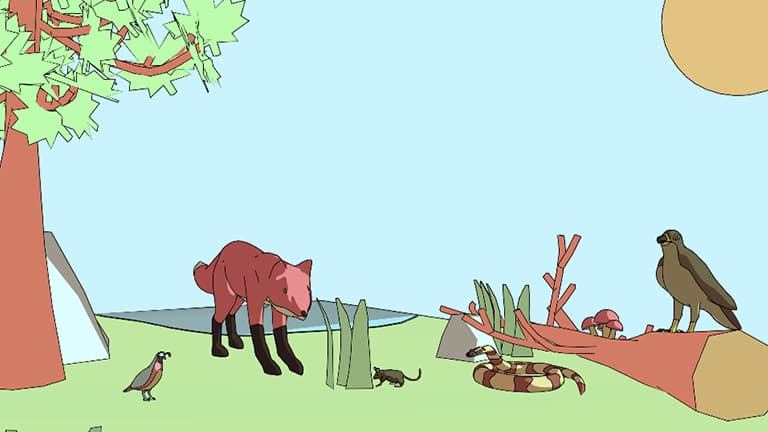

Video Summary: What Is Trophic Levels
Did you know that a single hawk in Yellowstone National Park can function as both a secondary and tertiary consumer depending on what it eats? Understanding trophic levels reveals how energy flows through ecosystems in a predictable hierarchy. What is trophic levels becomes clear when we examine how organisms like producers, primary consumers, and decomposers occupy distinct feeding positions in food chains. Watch the full video on JoVE Coach to master this concept with expert-led visuals and step-by-step explanations.
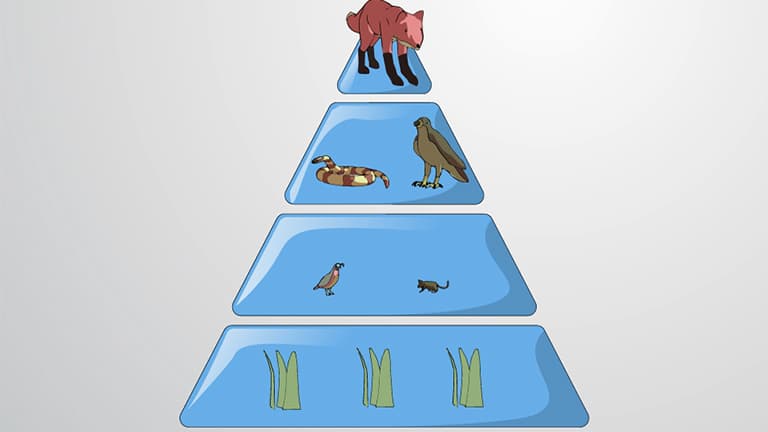
Trophic levels definition describes the hierarchical feeding positions that organisms occupy within an ecosystem's energy flow structure. Think of trophic levels as the "floors" of an ecological skyscraper, where each level represents organisms with similar feeding strategies and energy sources. This organizational system helps ecologists understand how energy moves through ecosystems and predict the consequences of species removal or addition.
At the base of every food chain, primary producers (autotrophs) convert inorganic materials into organic compounds using energy from sunlight or chemical reactions. In US ecosystems, examples include prairie grasses in the Great Plains, kelp forests along the California coast, and phytoplankton in the Great Lakes. These organisms capture approximately 1-3% of available solar energy, forming the energy foundation for all higher trophic levels. Understanding producer efficiency becomes crucial when studying topics like biomass pyramids and energy transfer-concepts frequently tested on AP Environmental Science exams.
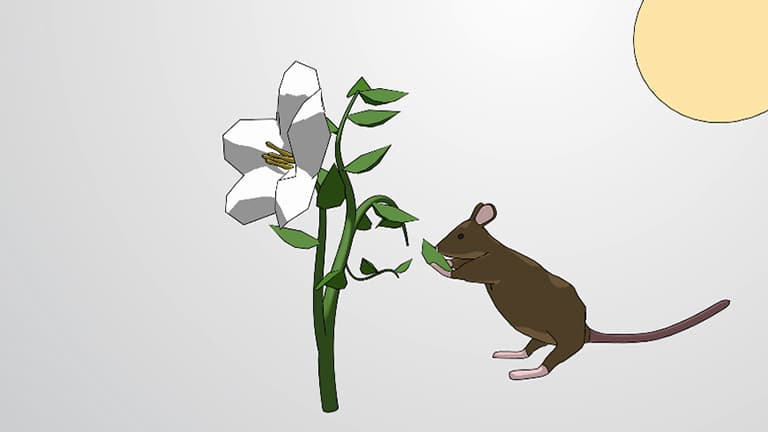
Primary consumers (herbivores) occupy the second trophic level by feeding directly on producers. Classic US examples include white-tailed deer browsing on forest vegetation, prairie dogs grazing grasslands, and zooplankton filtering algae in freshwater lakes. Secondary consumers, typically carnivores or omnivores, prey on primary consumers-like mountain lions hunting deer or bass consuming smaller fish in US waterways.
Tertiary consumers represent apex predators such as grizzly bears in Alaska, alligators in the Florida Everglades, or bald eagles along US coastlines. However, the trophic levels concept explained reveals flexibility: many organisms don't fit rigid categories. A brown bear might be a primary consumer when eating berries, secondary when catching salmon, or tertiary when scavenging wolf kills.
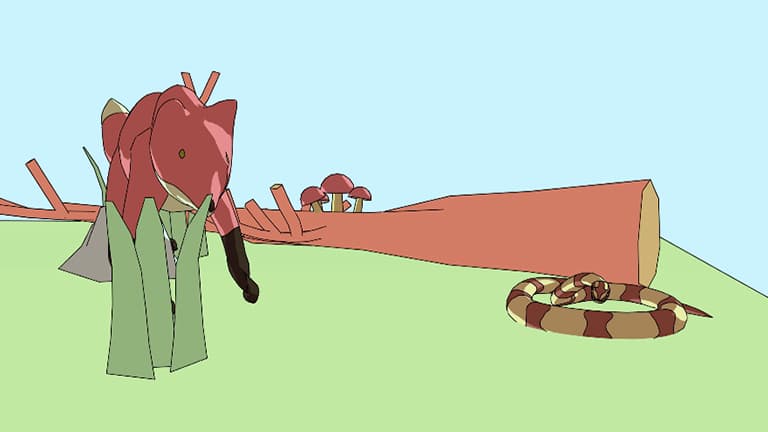
Decomposers occupy a unique position, operating across all trophic levels by breaking down dead organic matter. US soil contains billions of bacteria and fungi that decompose fallen leaves, while detritivores like earthworms and millipedes mechanically break down organic debris. This process recycles essential nutrients back to producers, maintaining ecosystem productivity. College-level ecology courses and MCAT questions often emphasize decomposer roles in nutrient cycling and energy flow calculations.
Related Micro-courses