Loading video…


 12 Concepts
 425.6K views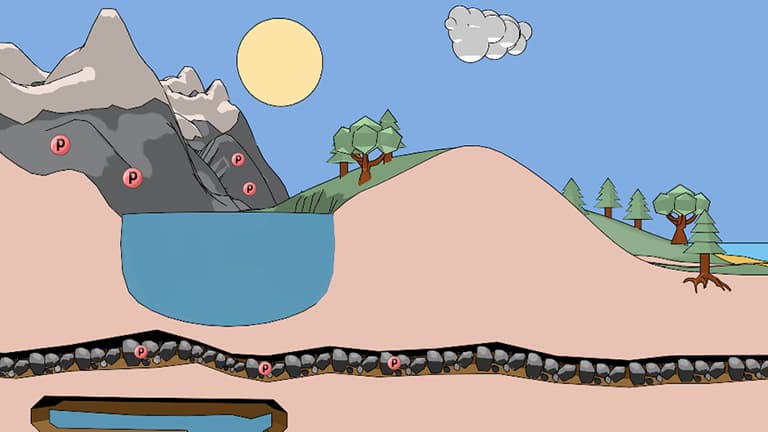

Video Summary: What Is the Phosphorus Cycle
Did you know that the fertilizer spreading across Iowa cornfields today might have been locked in ancient ocean rocks for millions of years? The phosphorus cycle explains how this essential nutrient moves through Earth's systems, from weathered rocks to living organisms and back again. Unlike carbon or nitrogen, phosphorus doesn't have a gaseous phase, making its journey through ecosystems uniquely slow and complex. Watch the full video on JoVE Coach to master this concept with expert-led visuals and step-by-step explanations.
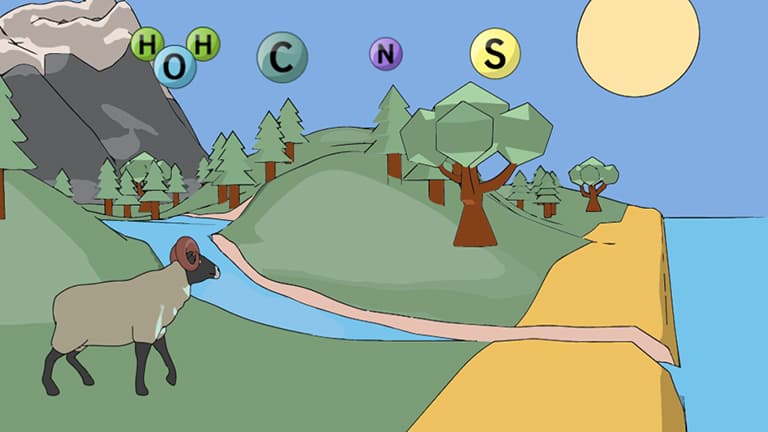
The phosphorus cycle represents one of Earth's most unique biogeochemical processes, distinguished by its lack of a gaseous phase and its extremely slow geological timescale. Unlike nitrogen or carbon, which can rapidly move through the atmosphere, phosphorus remains bound in solid and dissolved forms, creating a cycle measured in millions of years rather than seasons.
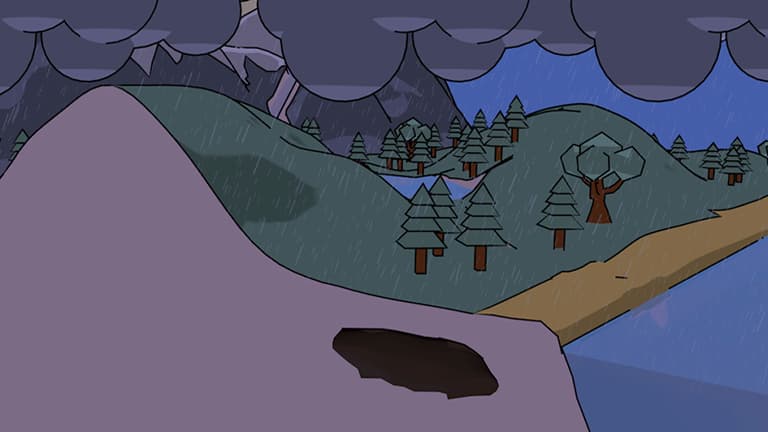
The phosphorus cycle begins with the weathering of phosphate-containing rocks, primarily apatite minerals found in igneous and sedimentary formations. As these rocks break down through physical and chemical weathering, they release phosphate ions (PO₄³⁻) into soil solutions and groundwater. This process is particularly evident in regions like the Florida Everglades, where ancient marine phosphate deposits provide a continuous source of dissolved phosphorus to the ecosystem. The rate of this weathering process ultimately controls phosphorus availability in most natural systems.
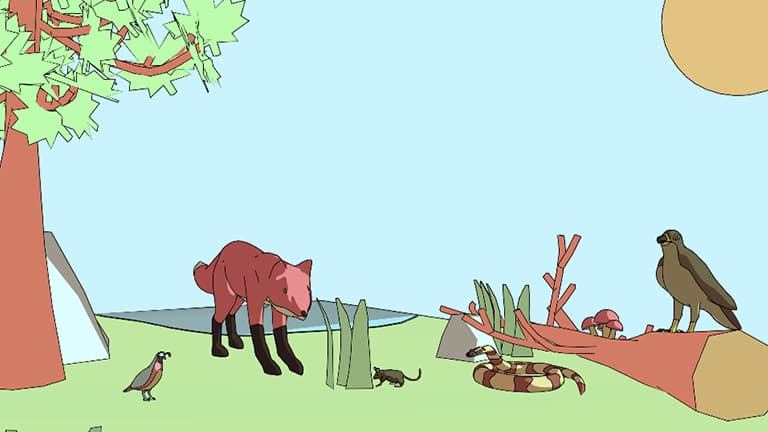
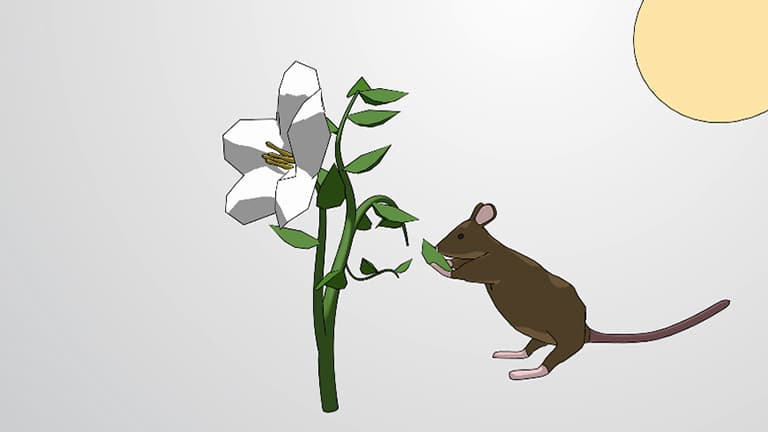
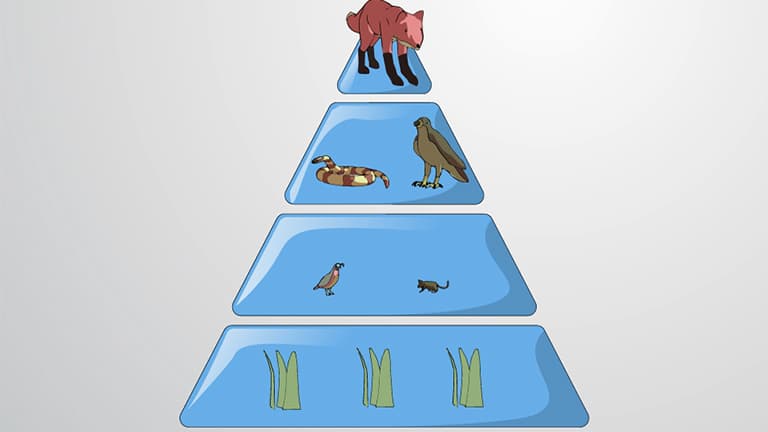
Once dissolved in water or soil, inorganic phosphates become available for uptake by primary producers. Plants and algae incorporate these phosphates into essential biomolecules like DNA, RNA, and ATP. The phosphorus then moves through food webs as herbivores consume plants and carnivores consume herbivores. When organisms die, decomposer bacteria and fungi break down organic phosphorus compounds through phosphate mineralization, releasing inorganic phosphates back into the soil or water for reuse. This biological cycling can occur rapidly-within days or weeks-in productive ecosystems.
The phosphorus cycle's slow pace creates significant challenges for modern agriculture. Since phosphorus is often the limiting nutrient in terrestrial ecosystems, farmers across the Midwest apply millions of tons of phosphate fertilizers annually to maintain crop yields. However, excess phosphorus creates serious environmental problems. Agricultural runoff from states like Iowa and Illinois carries phosphorus into the Mississippi River system, contributing to massive algal blooms in the Gulf of Mexico. Understanding these connections is crucial for AP Environmental Science students and appears frequently on college-level ecology exams.
Related Micro-courses