Loading subject page…

- Biology
- Membranes and Cellular Transport
- Membrane Fluidity
Micro-course: Membranes and Cellular Transport
2,101,784 views
Learn key concepts and earn your certificate.




Membrane Fluidity


00:00
01:23
Video Summary: What Is Membrane Fluidity
Ever wonder why fish in Arctic waters don't freeze solid while tropical fish can't survive in cold aquariums? Membrane fluidity, the flexible, dynamic nature of cell membranes, is the biological secret behind this survival mechanism. From Alaskan salmon adapting to seasonal temperature changes to your own cells maintaining function during a winter morning jog, what is membrane fluidity becomes a matter of cellular life and death. Watch the full video on JoVE Coach to master this concept with expert-led visuals and step-by-step explanations.
- Understand what is membrane fluidity and how it maintains cellular function across temperature variations
- Identify the key molecular components that regulate membrane fluidity, including phospholipids and cholesterol
- Analyze how saturated and unsaturated phospholipids respond differently to temperature changes
- Compare the structural roles of cholesterol in cold versus warm temperature conditions
- Evaluate how membrane composition adaptations help organisms survive in different thermal environments
- Apply membrane fluidity principles to explain physiological adaptations in cold-water versus warm-water fish species
- Recognize the relationship between fatty acid chain structure and membrane flexibility
- Explore how temperature-induced changes in membrane fluidity affect cellular processes and survival strategies
Understanding What is Membrane Fluidity
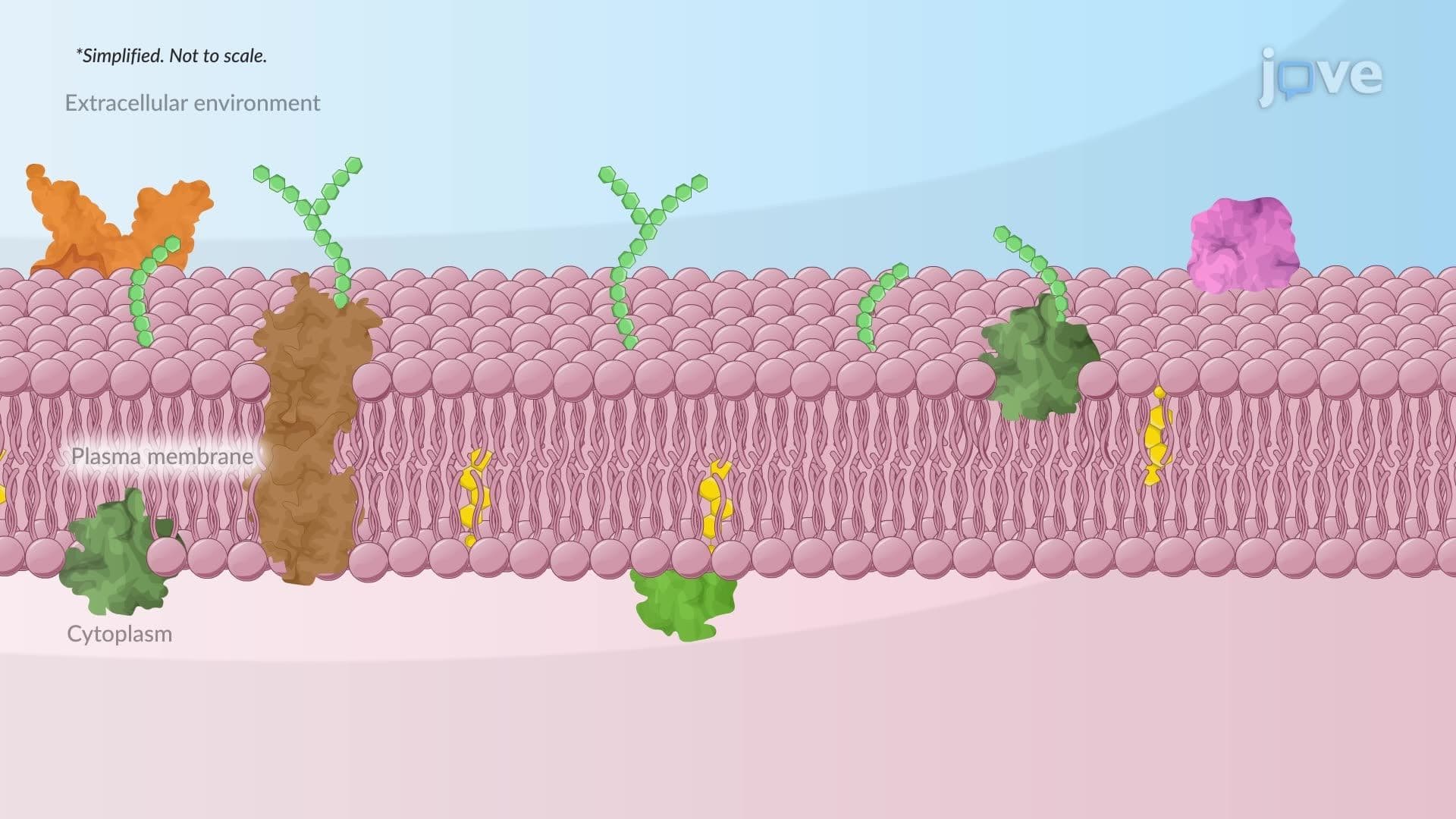
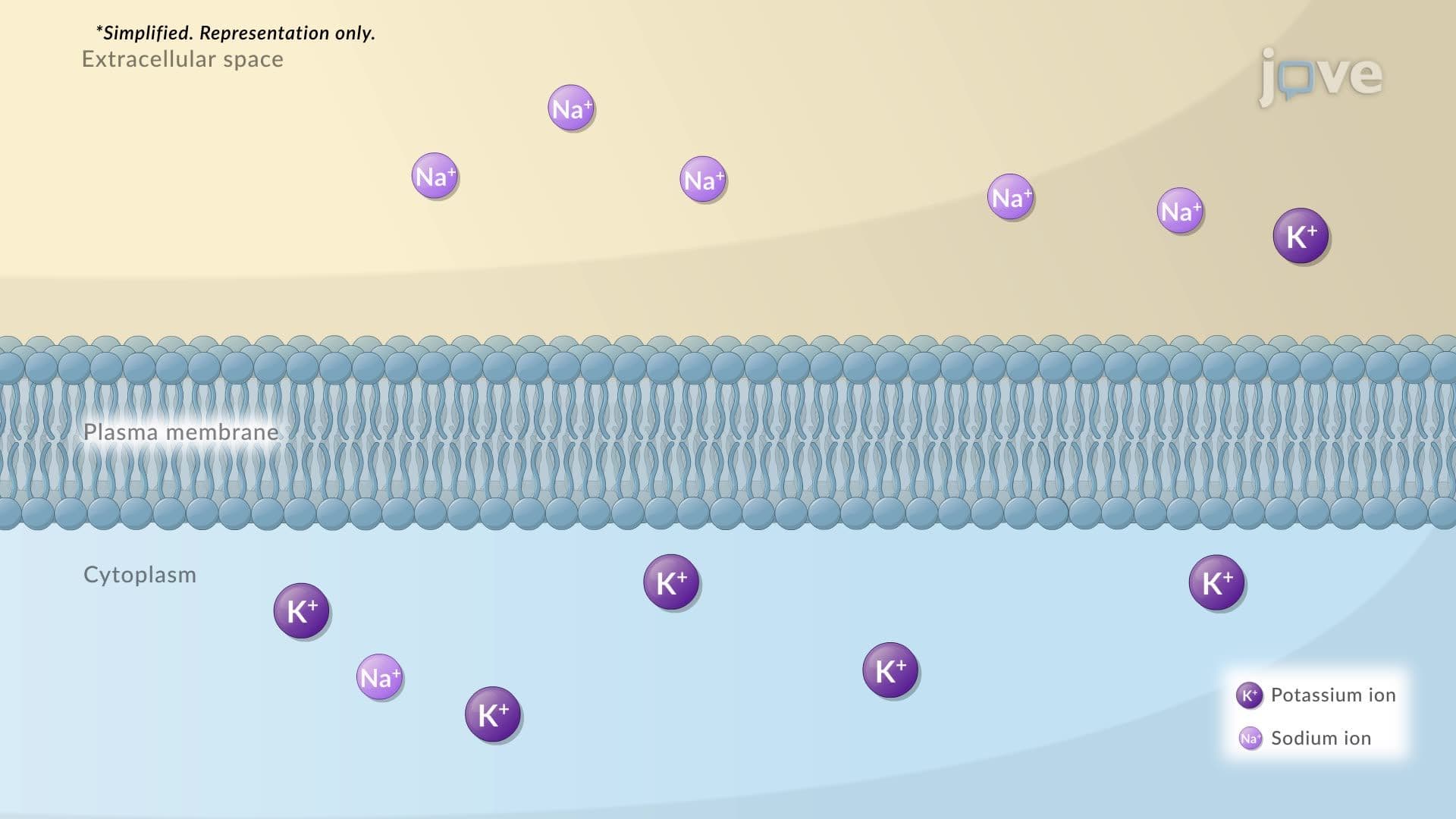
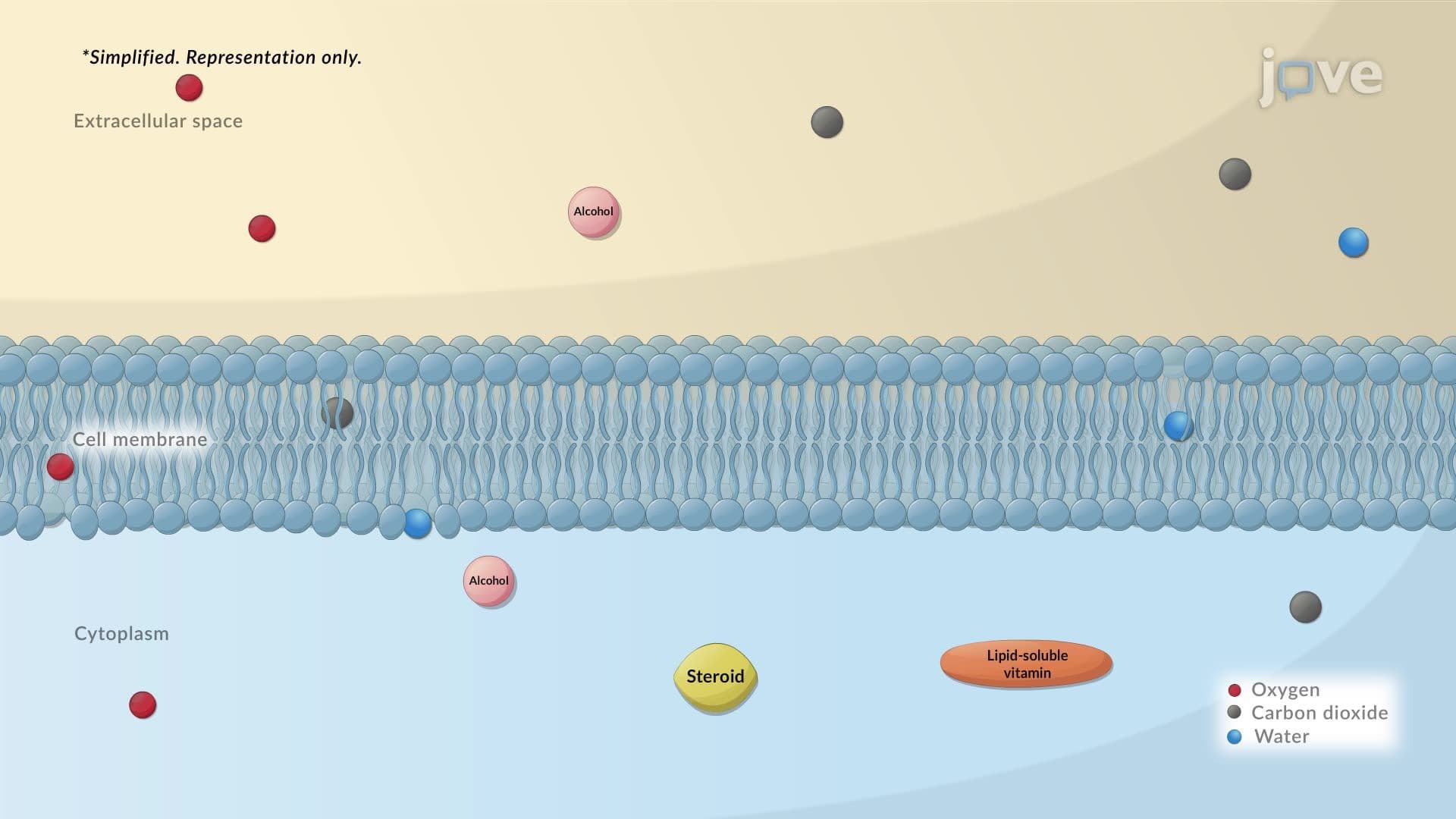
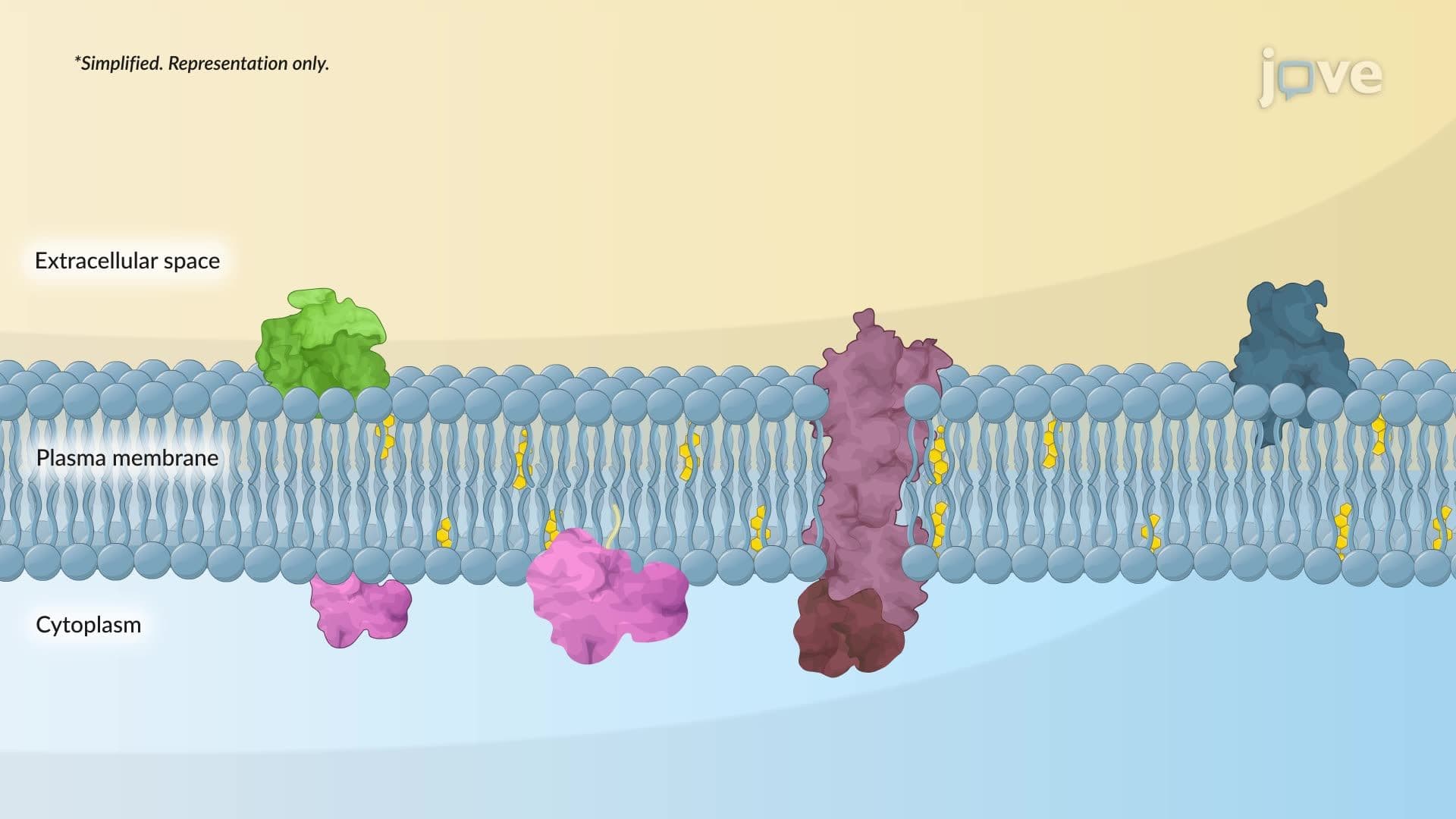
Membrane fluidity represents one of the most elegant examples of cellular adaptation in biology. This dynamic property refers to the viscosity and flexibility of the lipid bilayer that forms cell membranes. Think of it as the difference between butter straight from the refrigerator (rigid, less fluid) versus butter left on a warm counter (soft, more fluid). Cells must maintain optimal membrane fluidity to ensure proper function of membrane proteins, transport processes, and cellular communication.
Molecular Architecture: Phospholipids and Membrane Dynamics
The foundation of membrane fluidity biology explained lies in phospholipid structure. Saturated phospholipids, lacking double bonds, have straight fatty acid chains that pack tightly together like pencils in a box. Unsaturated phospholipids contain double bonds that create "kinks" in their chains, preventing tight packing and maintaining spaces between molecules. This structural difference becomes crucial during temperature fluctuations.
When examining membrane composition in US medical schools, students learn that the ratio of saturated to unsaturated phospholipids directly impacts membrane flexibility. Cold-water fish like Alaskan pollock have higher concentrations of unsaturated phospholipids in their cell membranes compared to warm-water species like Gulf of Mexico red snapper.
Cholesterol: The Membrane Fluidity Regulator
Cholesterol acts as a biological thermostat for membrane fluidity. In cold conditions, cholesterol molecules insert between phospholipids, creating additional space that prevents the membrane from becoming too rigid. During warm conditions, cholesterol's steroid ring structure provides mechanical support, preventing excessive fluidity that could compromise membrane integrity.
This dual function makes cholesterol essential for mammals living in temperature-variable environments. Students preparing for the MCAT or AP Biology exams should understand that cholesterol concentration varies between different cell types based on their thermal exposure requirements.
Real-World Applications and Exam Relevance
Membrane fluidity concepts frequently appear in standardized exams including the MCAT, AP Biology, and college-level cell biology courses. Understanding how seasonal temperature changes trigger adaptations in fatty acid composition helps explain evolutionary biology principles and physiological adaptations.
For example, hibernating mammals like black bears in Yellowstone National Park modify their membrane composition before winter dormancy. Similarly, understanding membrane fluidity principles helps explain why certain medications require specific storage temperatures and why some bacterial infections respond differently to temperature-based treatments in US clinical settings.
Frequently Asked Questions
Membrane fluidity refers to how flexible and viscous cell membranes are, which directly affects cellular function. It's crucial because membranes need to be flexible enough to allow protein movement and transport while remaining stable enough to maintain cell structure and prevent unwanted leakage.
These exams often test membrane fluidity through questions about temperature adaptation, phospholipid structure, and cholesterol function. Students might encounter scenarios involving cold-adapted organisms or drug delivery mechanisms that depend on membrane permeability changes.
Saturated phospholipids have straight chains that pack tightly, reducing fluidity, while unsaturated phospholipids have kinked chains that create more space and maintain fluidity. This difference becomes especially important in temperature regulation and species adaptation to different climates.
Focus on the relationship between molecular structure and function. Remember that temperature affects molecular motion, cholesterol acts as a buffer, and organisms adapt their membrane composition to their environment. Practice drawing phospholipid structures and explaining how chain saturation affects packing.
Pacific salmon in Alaska demonstrate remarkable membrane fluidity adaptation as they migrate between different temperature zones. Their cell membranes contain higher proportions of unsaturated fatty acids compared to tropical fish, allowing them to maintain cellular function in near-freezing waters.
Not at all! The concept builds on basic chemistry principles you already know about molecular structure and temperature effects. Think of it like explaining why cooking oil behaves differently when hot versus cold-the same principles apply to cell membranes.
Create concept maps linking temperature, phospholipid types, cholesterol function, and biological examples. Practice explaining how membrane composition changes affect fluidity, and memorize key examples like cold-water fish adaptations. Focus on cause-and-effect relationships rather than just memorizing definitions.
Explore membrane transport mechanisms, protein-lipid interactions, and cellular signaling pathways. Understanding membrane fluidity provides a foundation for studying drug delivery, membrane disorders, and advanced topics in biochemistry and physiology.
Related Micro-courses