Loading subject page…

2,101,787 views
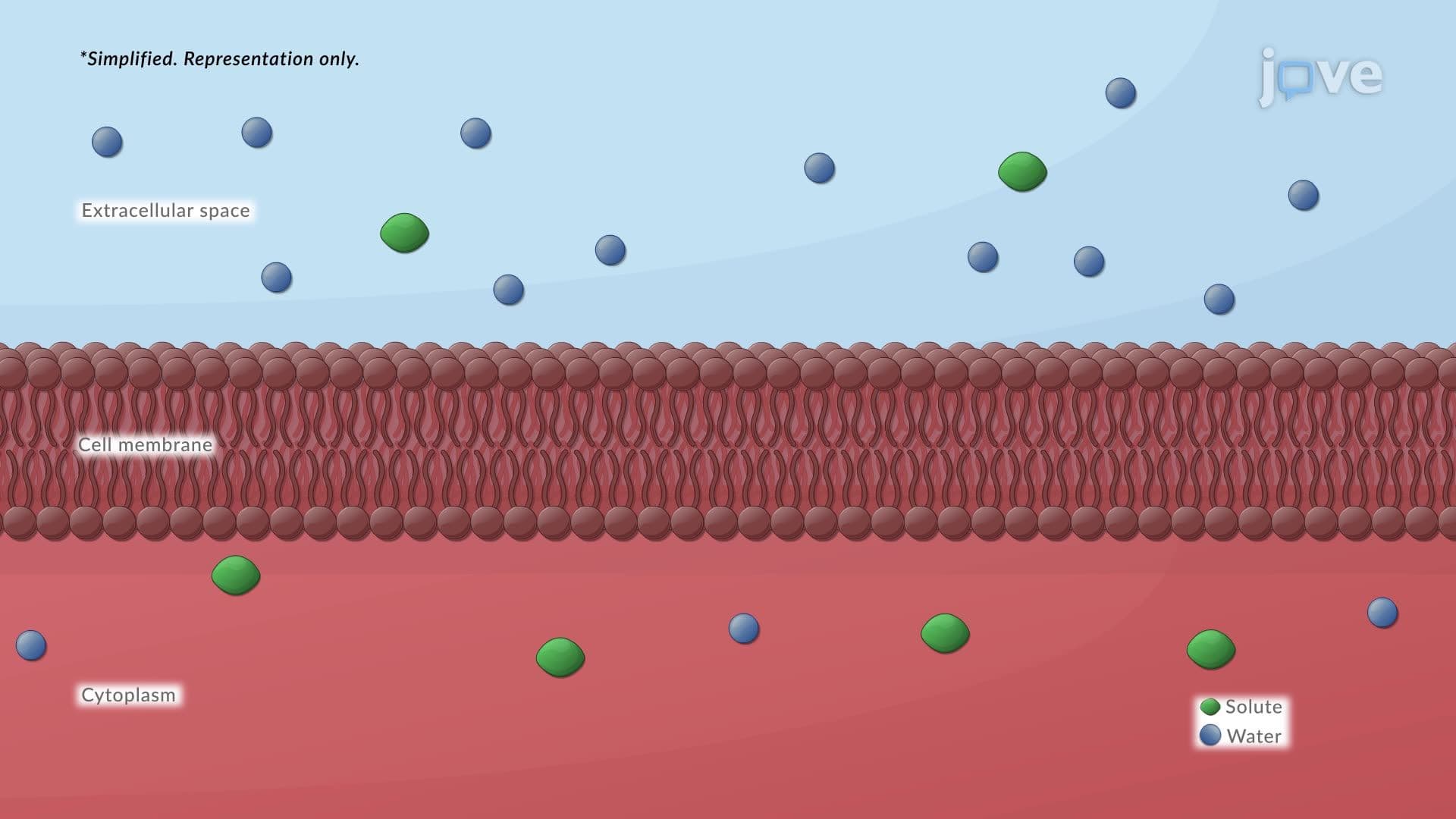

Video Summary: What Is Osmosis
Ever wonder why grapes shrivel into raisins or why drinking seawater makes you more dehydrated? Osmosis explained biology reveals this fundamental cellular process that governs life itself. Osmosis is the selective movement of water molecules across semipermeable membranes, driven by concentration differences. From kidney dialysis patients in US hospitals to students studying for the AP Biology exam, understanding What is Osmosis helps explain countless biological phenomena. Watch the full video on JoVE Coach to master this concept with expert-led visuals and step-by-step explanations.
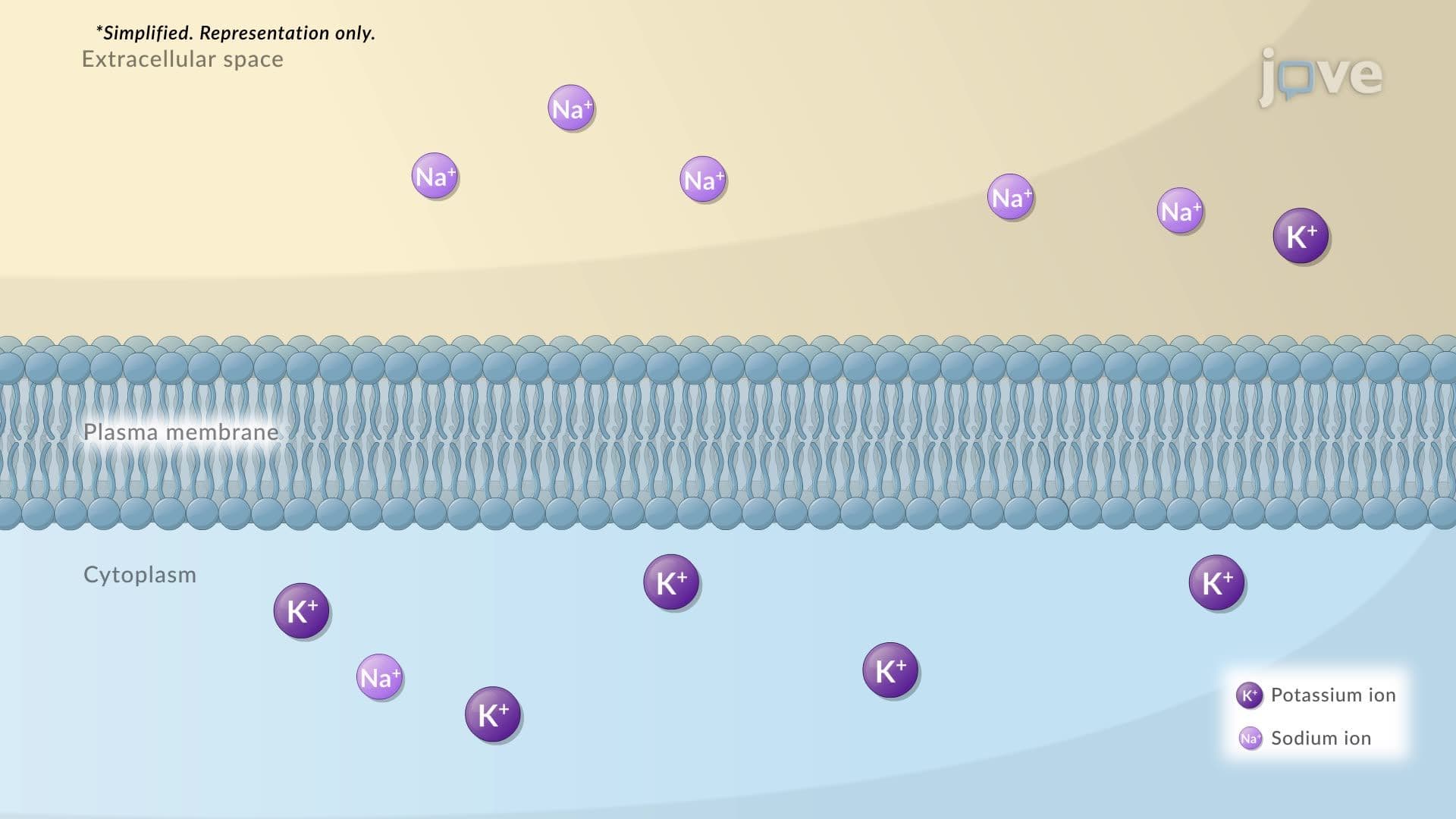
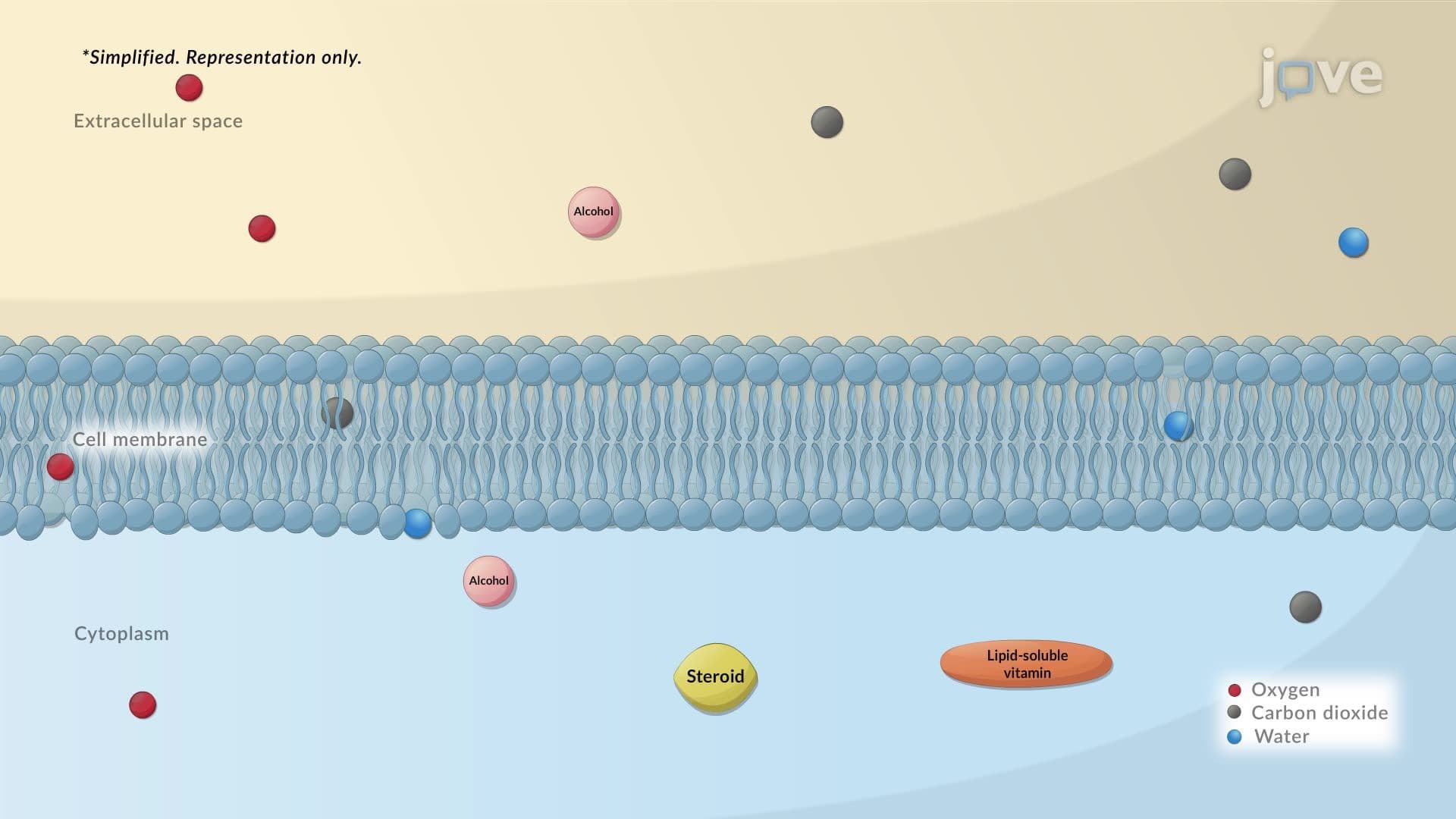
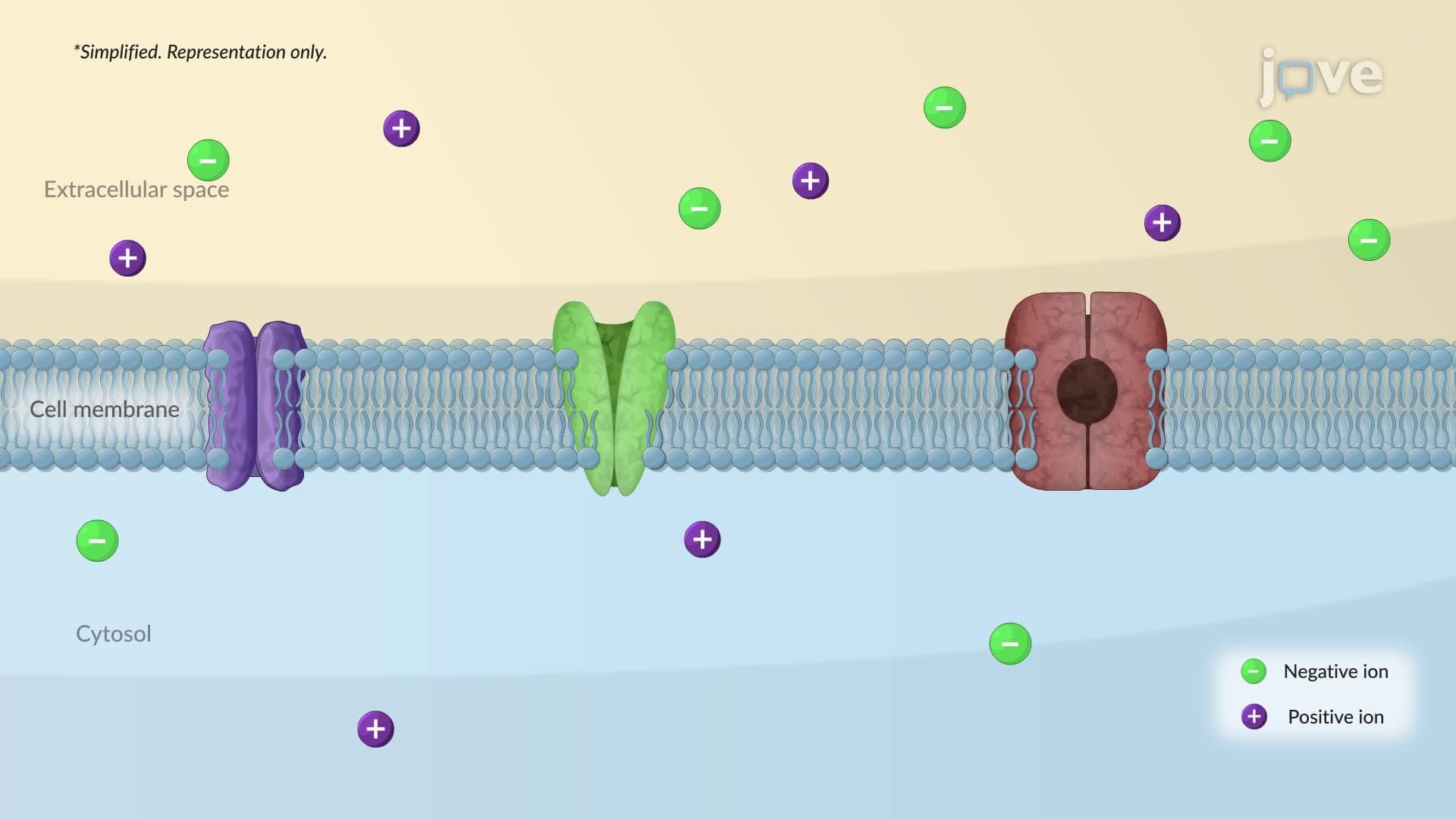
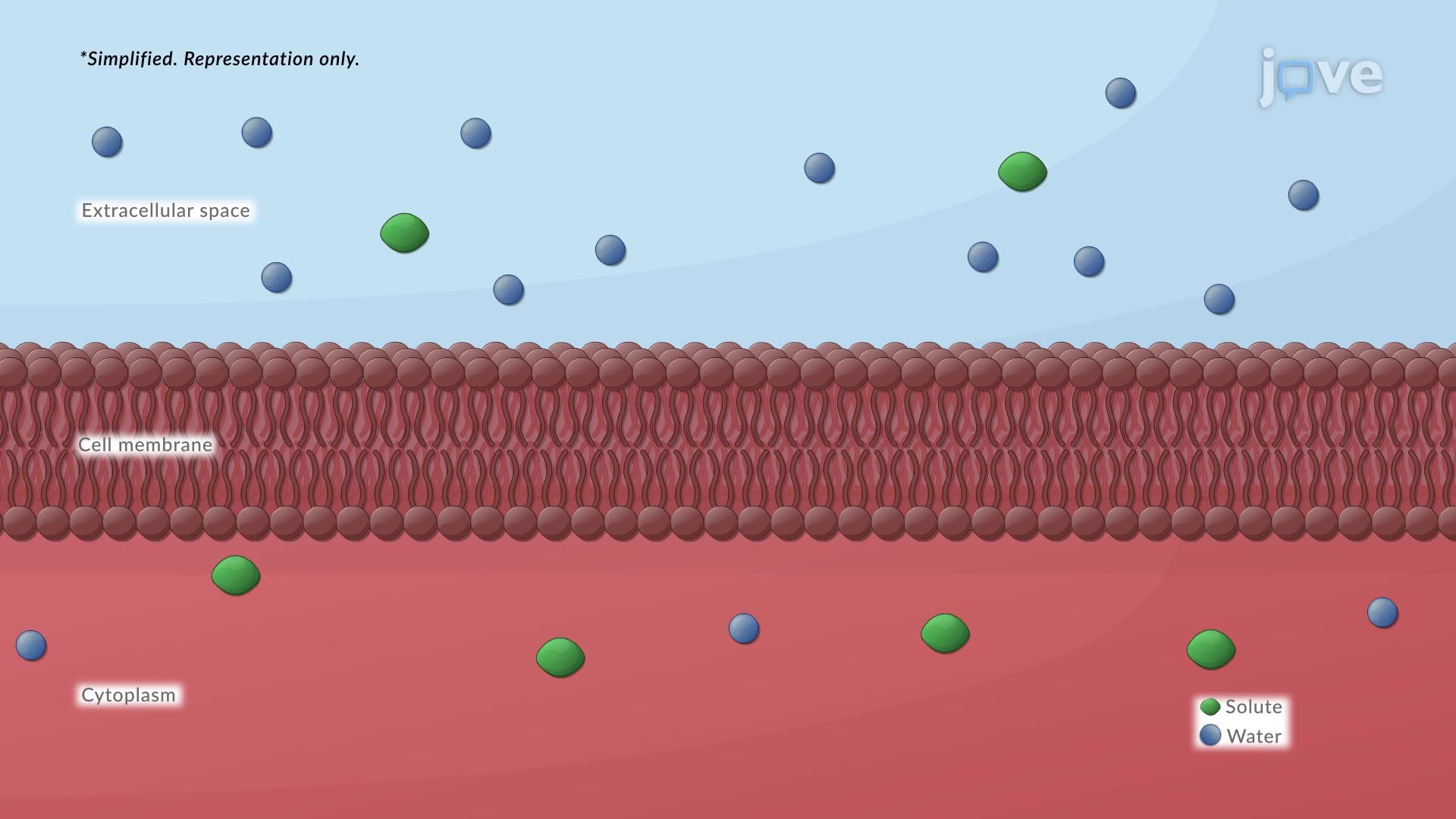
Osmosis definition and process centers on one critical principle: water always moves toward equilibrium. Unlike general diffusion, osmosis specifically describes water molecule movement across selectively permeable membranes. This selectivity means while water passes freely, dissolved substances (solutes) like salts, sugars, and proteins cannot cross.
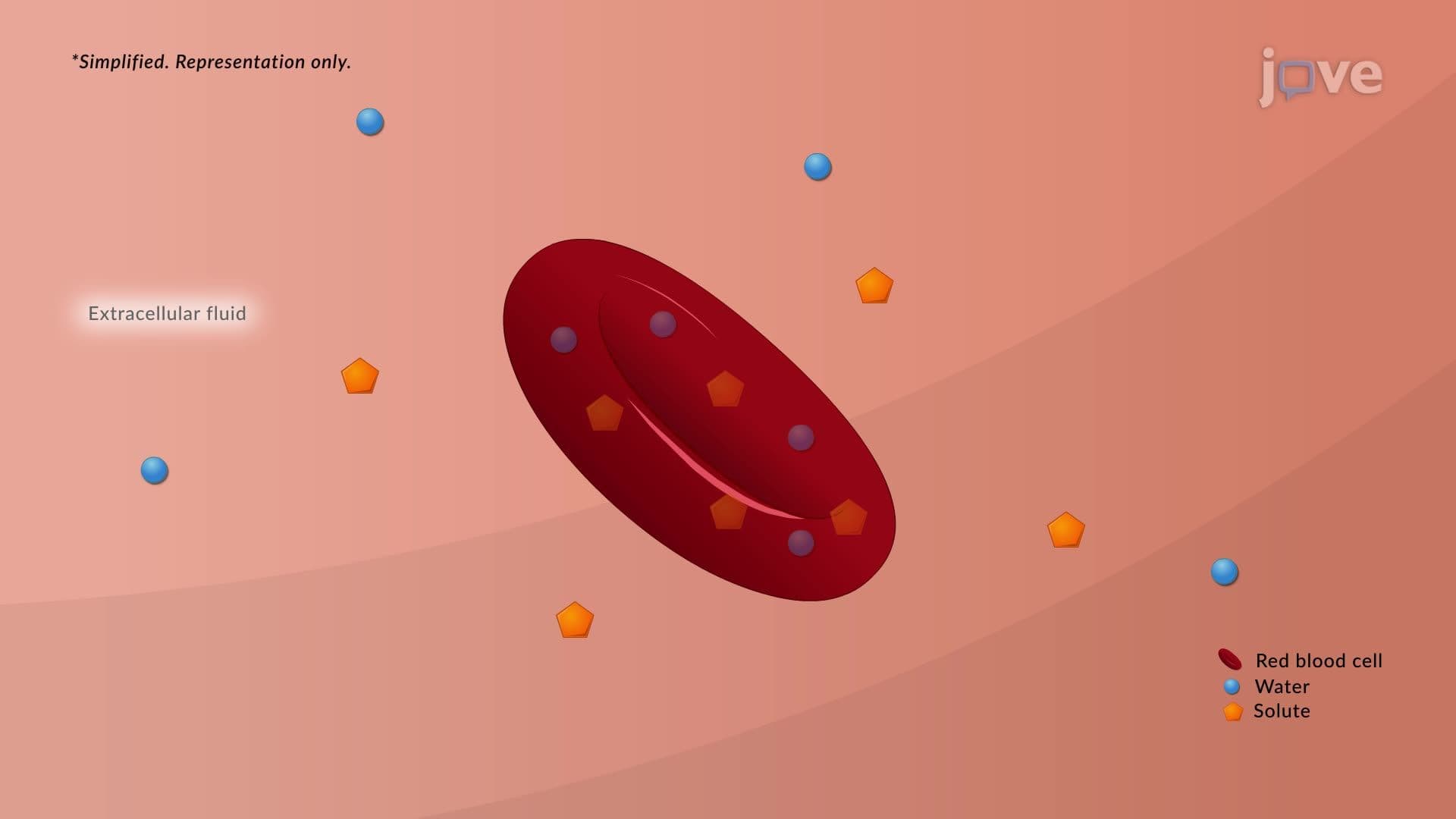
Water movement osmosis occurs because of osmolarity differences-the ratio of solute particles to water molecules. When a cell contains more dissolved substances internally than externally, it has higher osmolarity. This creates fewer available water molecules inside, establishing a concentration gradient. Water naturally moves from areas of lower osmolarity (more water, fewer solutes) to higher osmolarity (less water, more solutes) until equilibrium is reached.
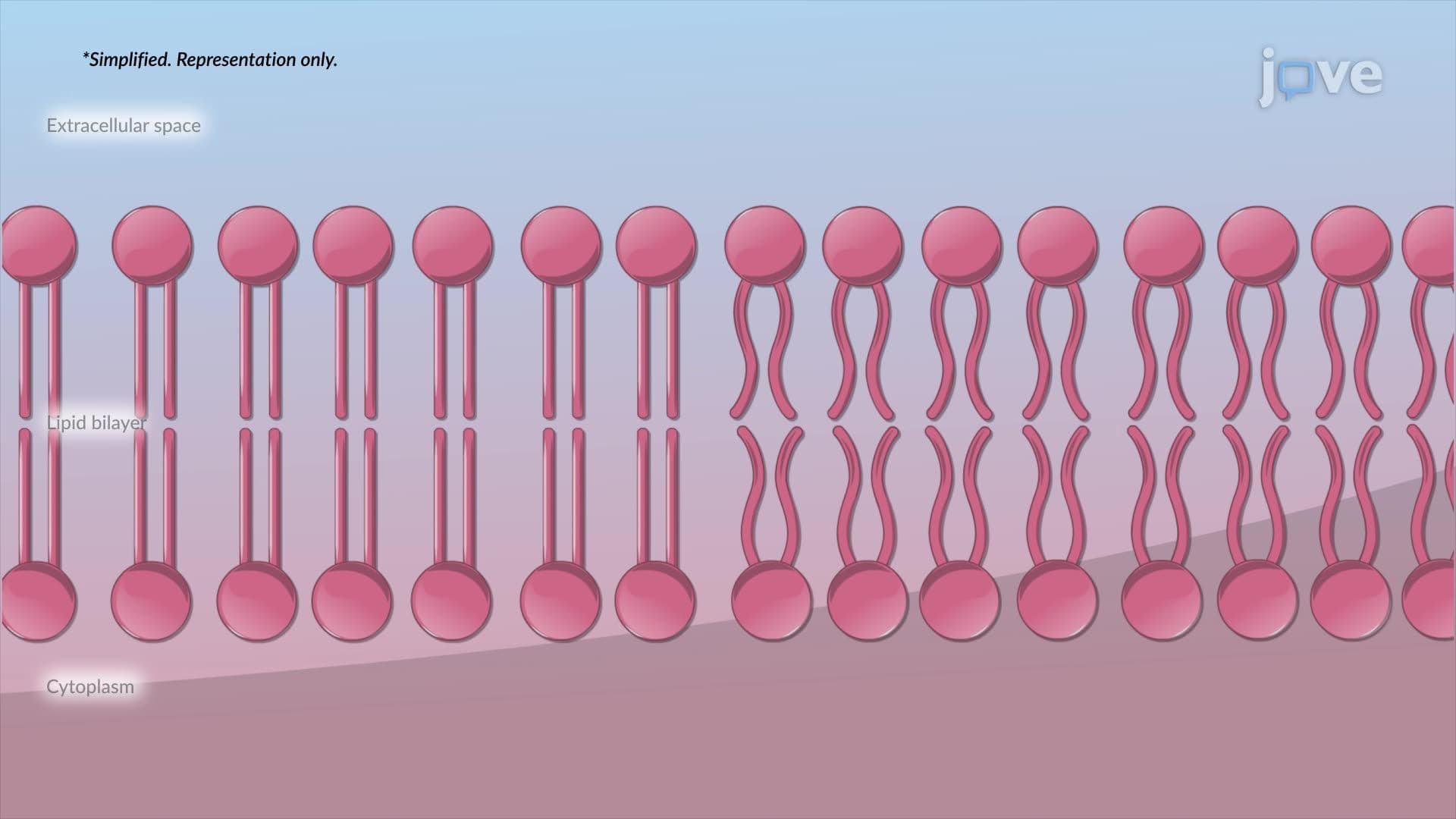
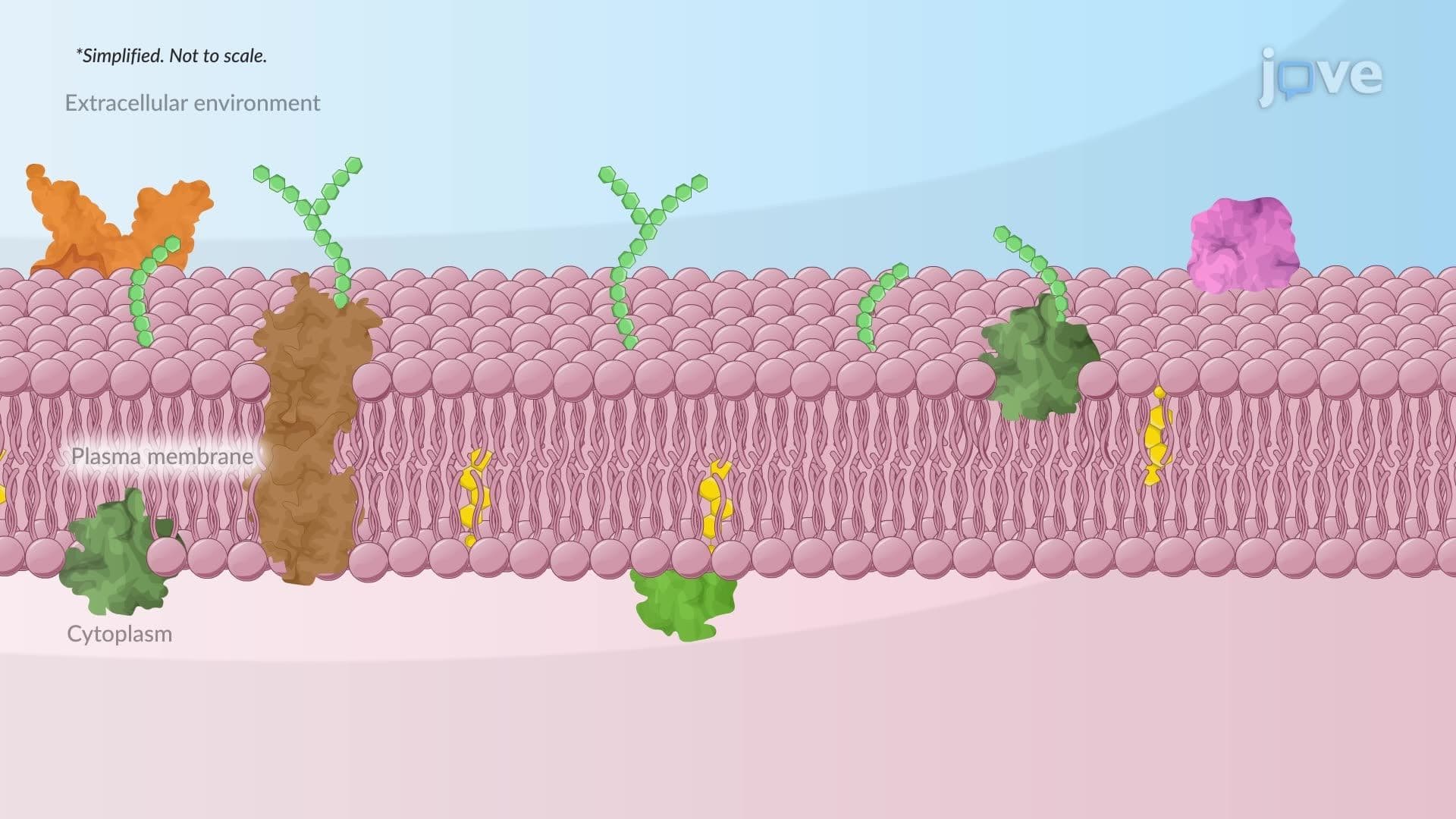
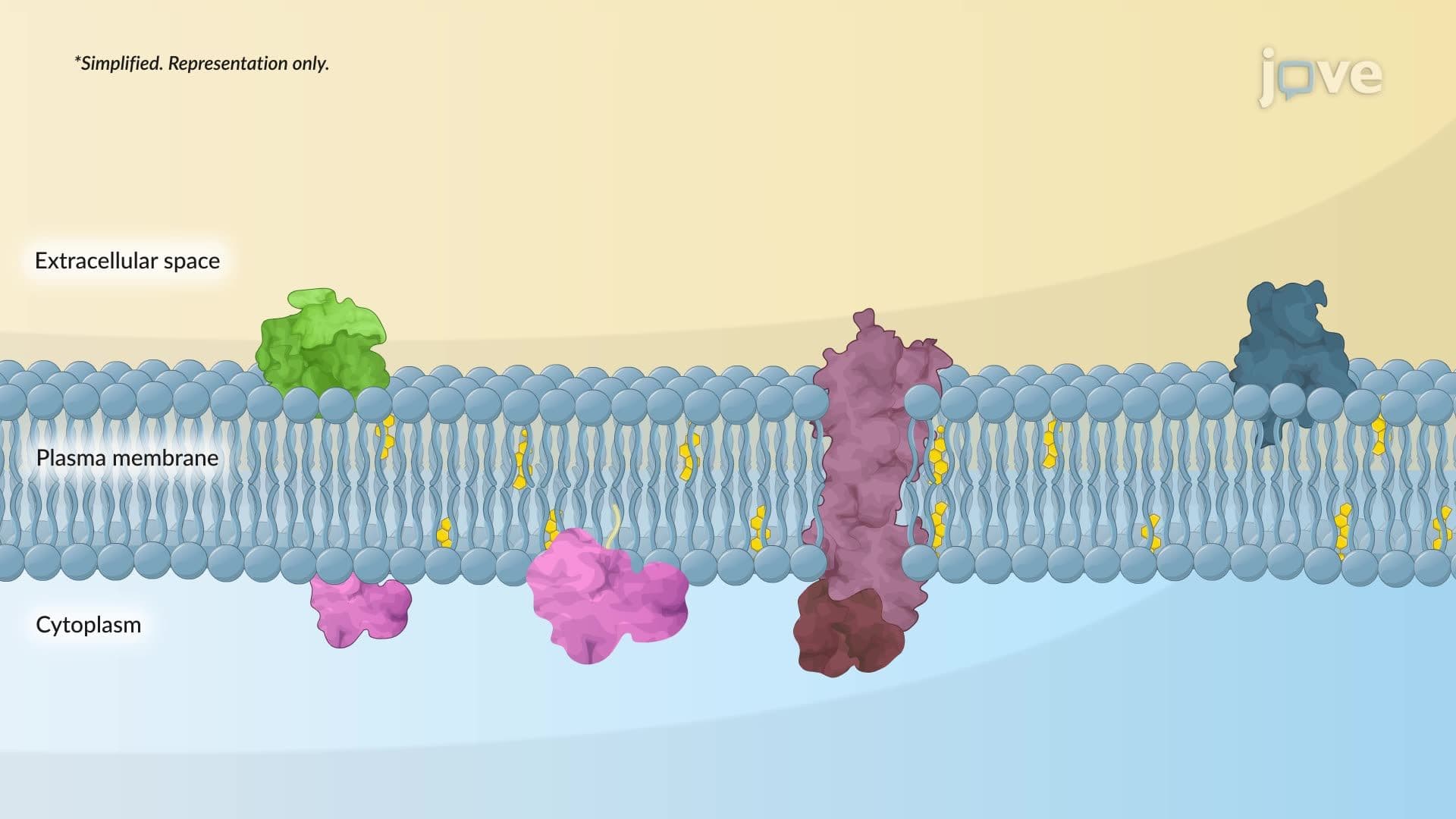
Semipermeable membrane osmosis requires understanding membrane structure. Cell membranes, composed of phospholipid bilayers, allow water passage through specialized channels called aquaporins while blocking larger solute molecules. This selectivity is crucial-without it, cells would lose essential nutrients and ions along with excess water.
Tonicity osmosis describes the relative solute concentrations between solutions. In isotonic conditions (equal solute concentrations), no net water movement occurs-critical for IV saline solutions in US hospitals. Hypotonic solutions (fewer solutes outside) cause water influx and potential cell swelling, while hypertonic solutions (more solutes outside) draw water out, causing cell shrinkage.
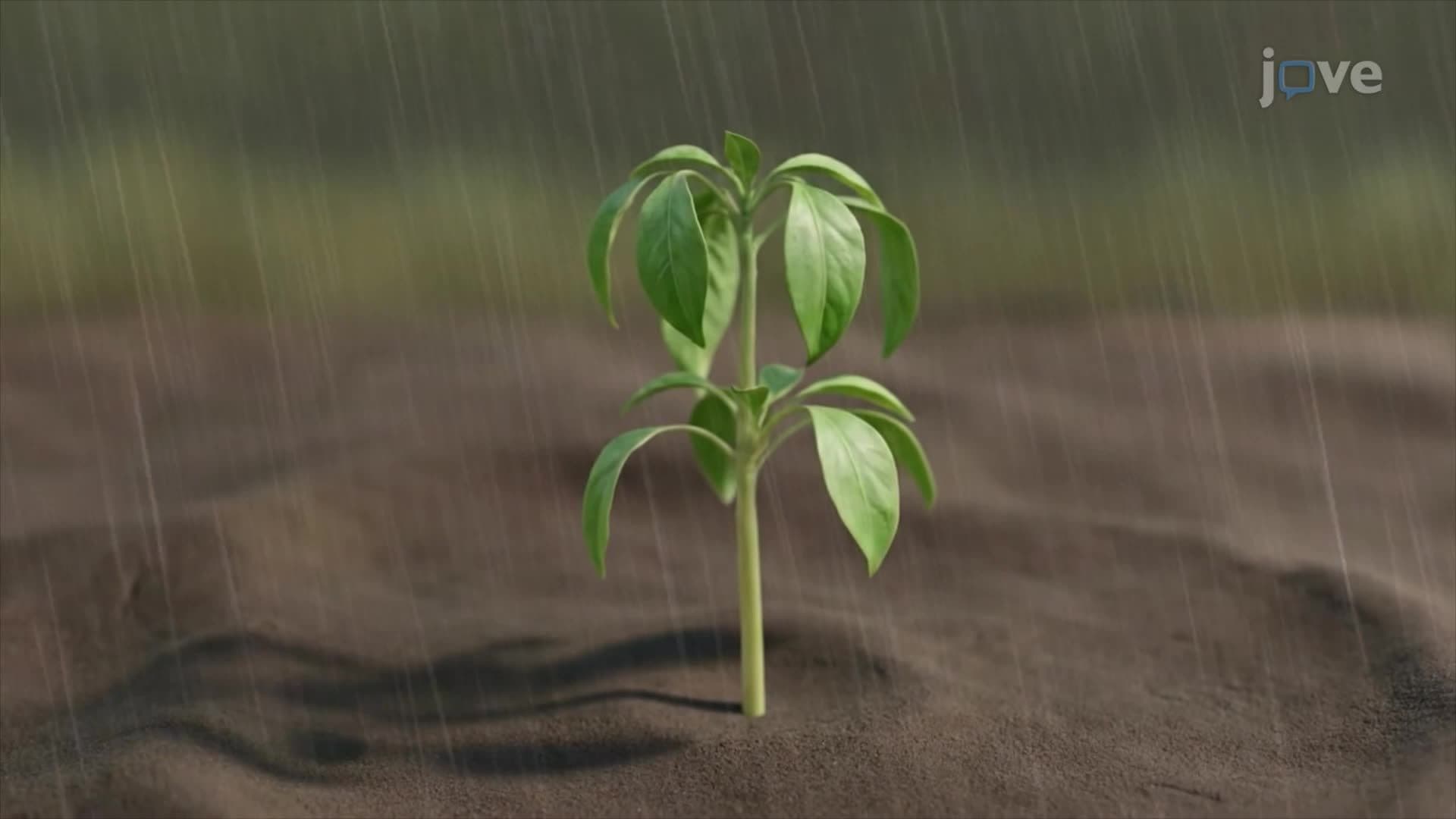
Osmosis concentration difference appears frequently on standardized exams including AP Biology, MCAT, and college biology assessments. Students encounter osmosis in contexts ranging from plant wilting during droughts to kidney dialysis treatment. Understanding osmotic pressure gradient helps explain why emergency rooms use specific IV fluid concentrations and why plants require adequate soil moisture for survival.
Clinical applications include hemodialysis for kidney disease patients, where artificial membranes remove waste products while maintaining proper fluid balance. Agricultural examples include why salt-treated roads kill roadside vegetation and how drought-resistant crops manage water conservation.
Related Micro-courses