Loading subject page…

2,101,787 views

Video Summary: What Is Phagocytosis
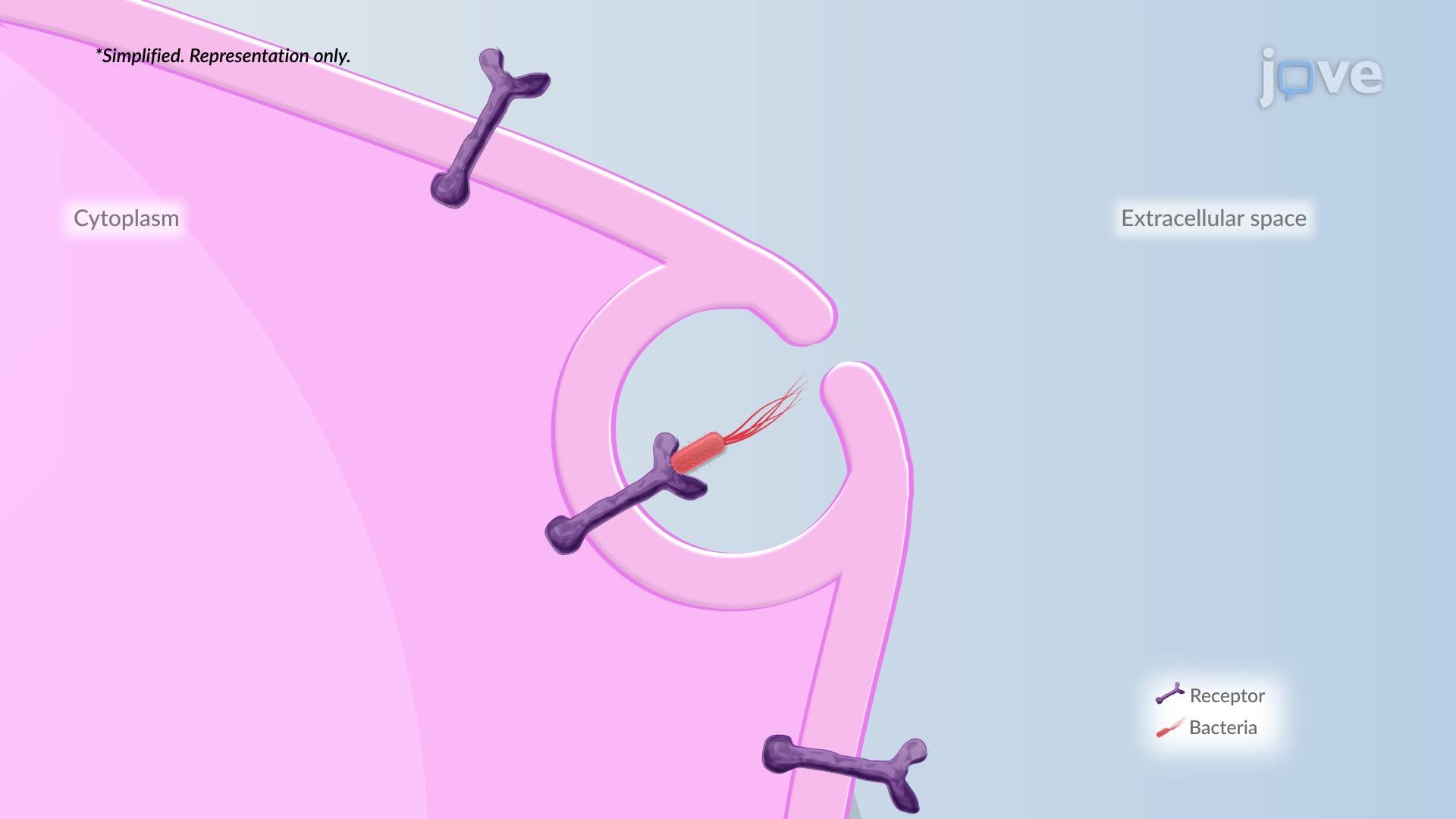
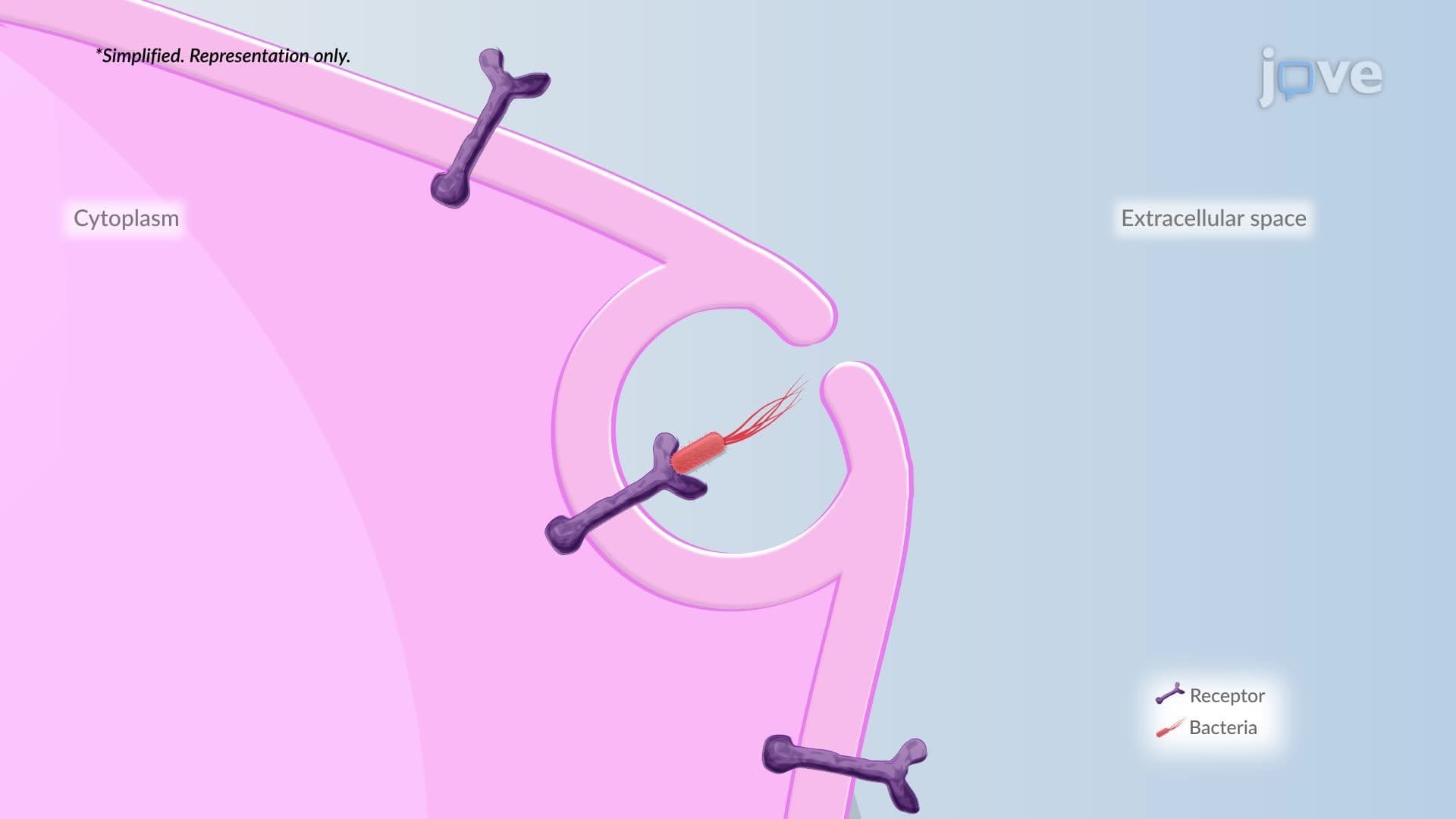
Did you know that white blood cells in your bloodstream literally "eat" harmful bacteria whole? Phagocytosis is this remarkable cellular process where immune cells engulf and digest foreign particles, pathogens, and cellular debris. When a neutrophil encounters Streptococcus bacteria during a strep throat infection, it extends finger-like projections to capture and destroy the invader. Watch the full video on JoVE Coach to master this concept with expert-led visuals and step-by-step explanations.
Phagocytosis represents one of nature's most elegant defense mechanisms, functioning as the immune system's cellular cleanup crew. This process occurs when specialized immune cells literally consume foreign particles, dead cells, and pathogens that threaten our health. Unlike passive cellular uptake, phagocytosis requires active recognition and engagement with target particles.
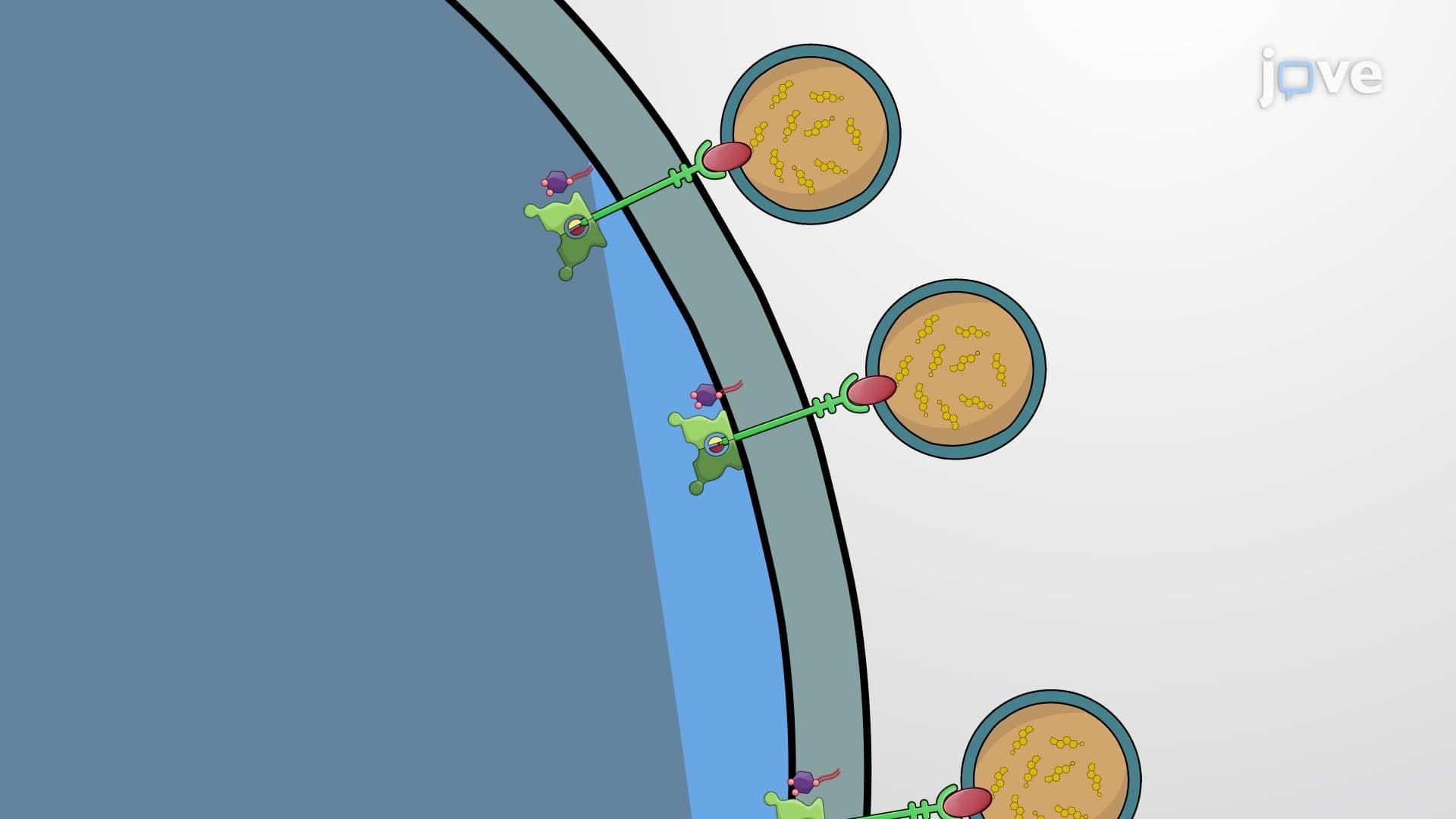
The phagocytic process begins when pattern recognition receptors (PRRs) on immune cells detect molecular signatures called pathogen-associated molecular patterns (PAMPs). These receptors act like molecular fingerprint scanners, distinguishing between harmful invaders and the body's own healthy cells. Once a threat is identified, the cell membrane extends pseudopods-temporary arm-like projections that wrap around the target like a cellular embrace.
The formation of pseudopods involves dramatic cytoskeletal reorganization, with actin filaments rapidly polymerizing to create the structural framework for engulfment. This process requires significant cellular energy, typically consuming ATP to fuel the mechanical work of particle capture. The pseudopods eventually meet and fuse, creating an internal vesicle called a phagosome that contains the captured material.
Once the phagosome forms, it embarks on a journey through the cell's interior, eventually fusing with lysosomes-specialized organelles packed with over 40 different digestive enzymes. This fusion creates a phagolysosome, a highly acidic environment (pH 4.5-5.0) where captured material faces destruction. Enzymes like cathepsins, lipases, and nucleases systematically break down proteins, lipids, and DNA from the engulfed particle.
This digestive process serves multiple purposes beyond simple destruction. Antigen-presenting cells like dendritic cells use phagocytosis to capture pathogen fragments, which they later display on their surface to activate other immune cells-a crucial step in adaptive immunity that's heavily tested on the MCAT and featured prominently in AP Biology curricula.
Phagocytosis dysfunction underlies several serious medical conditions. Chronic granulomatous disease, affecting approximately 1 in 250,000 Americans, results from defective NADPH oxidase enzymes that normally produce reactive oxygen species during phagocytosis. Patients experience recurrent bacterial and fungal infections, highlighting phagocytosis's critical protective role.
Understanding phagocytosis has revolutionized cancer treatment through CAR-T cell therapy, where engineered immune cells are trained to recognize and engulf cancer cells more effectively. This knowledge also guides vaccine development, as researchers design adjuvants that enhance phagocytic uptake of vaccine antigens.
Related Micro-courses