Loading subject page…

2,101,786 views

Video Summary: What Is Primary Active Transport
Ever wonder how your nerve cells maintain the electrical charge needed for your thoughts and reflexes? Primary active transport explained reveals the cellular mechanism that powers brain function by using ATP energy to move ions like sodium and potassium against their natural flow. The sodium-potassium pump in US hospital cardiac monitors actually detects this same process keeping your heart beating rhythmically. Watch the full video on JoVE Coach to master this concept with expert-led visuals and step-by-step explanations.
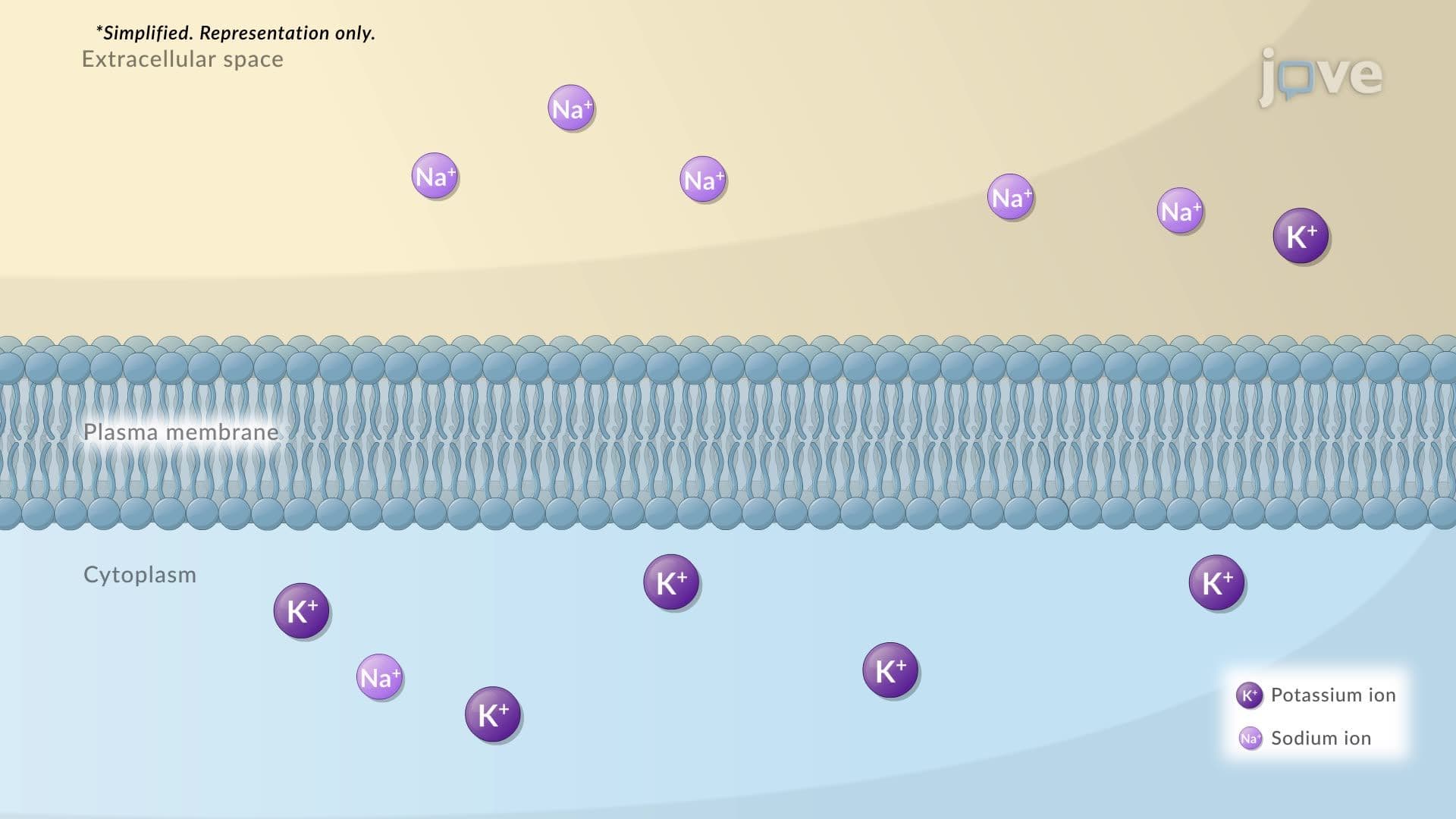
What is primary active transport in cell biology represents one of the most crucial energy-requiring processes that maintain life. Unlike passive transport that relies on natural concentration gradients, primary active transport directly harnesses ATP energy to move substances against their electrochemical gradients. This process is essential for maintaining the ionic imbalances that power nerve transmission, muscle contraction, and countless other physiological processes.
The defining characteristic of ATP driven transport lies in its direct coupling with ATP hydrolysis. When ATP breaks down into ADP and phosphate, the released energy physically changes the shape of transport proteins, enabling them to pump ions or molecules from areas of low concentration to high concentration-exactly opposite to what would occur naturally.
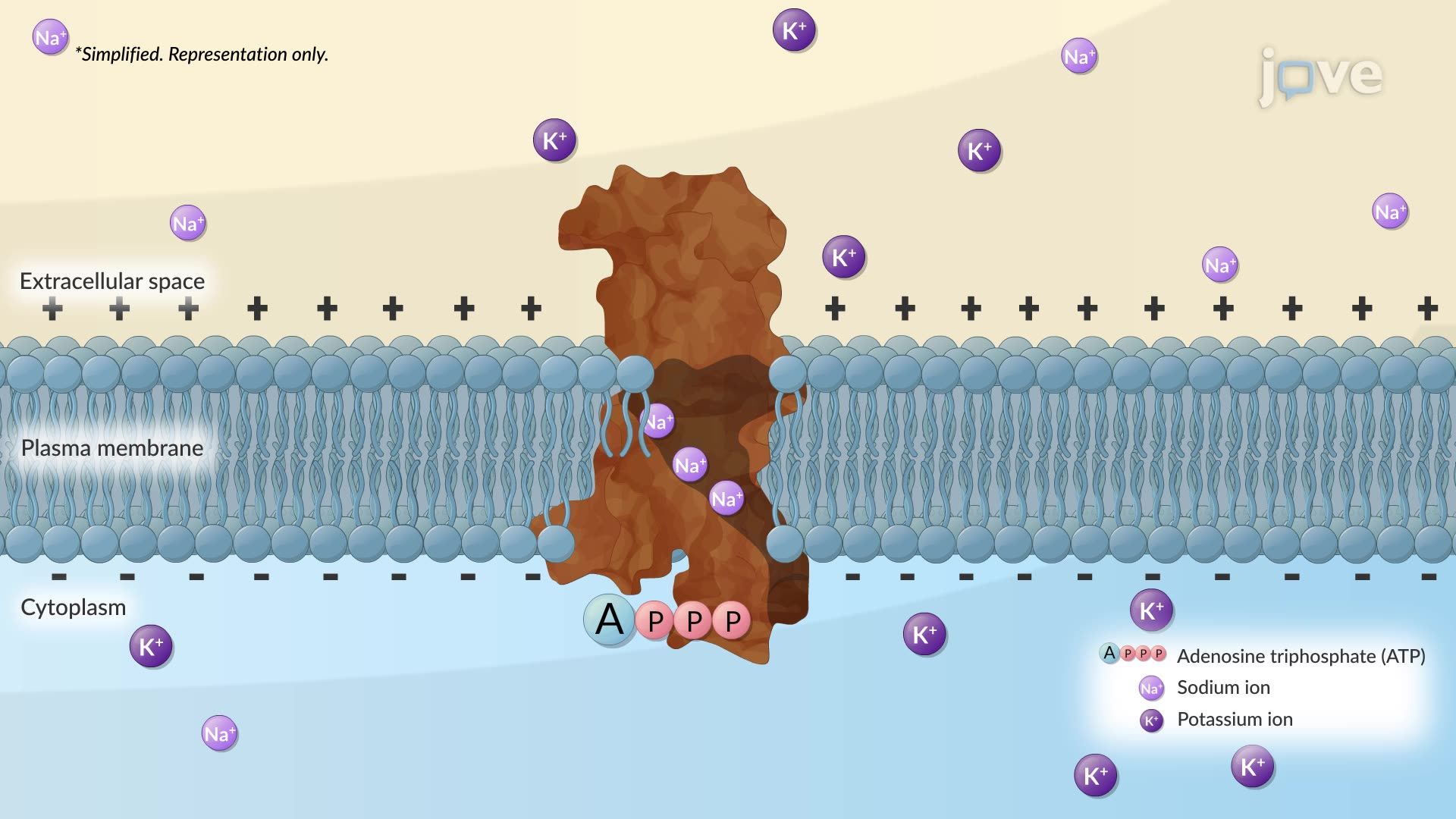
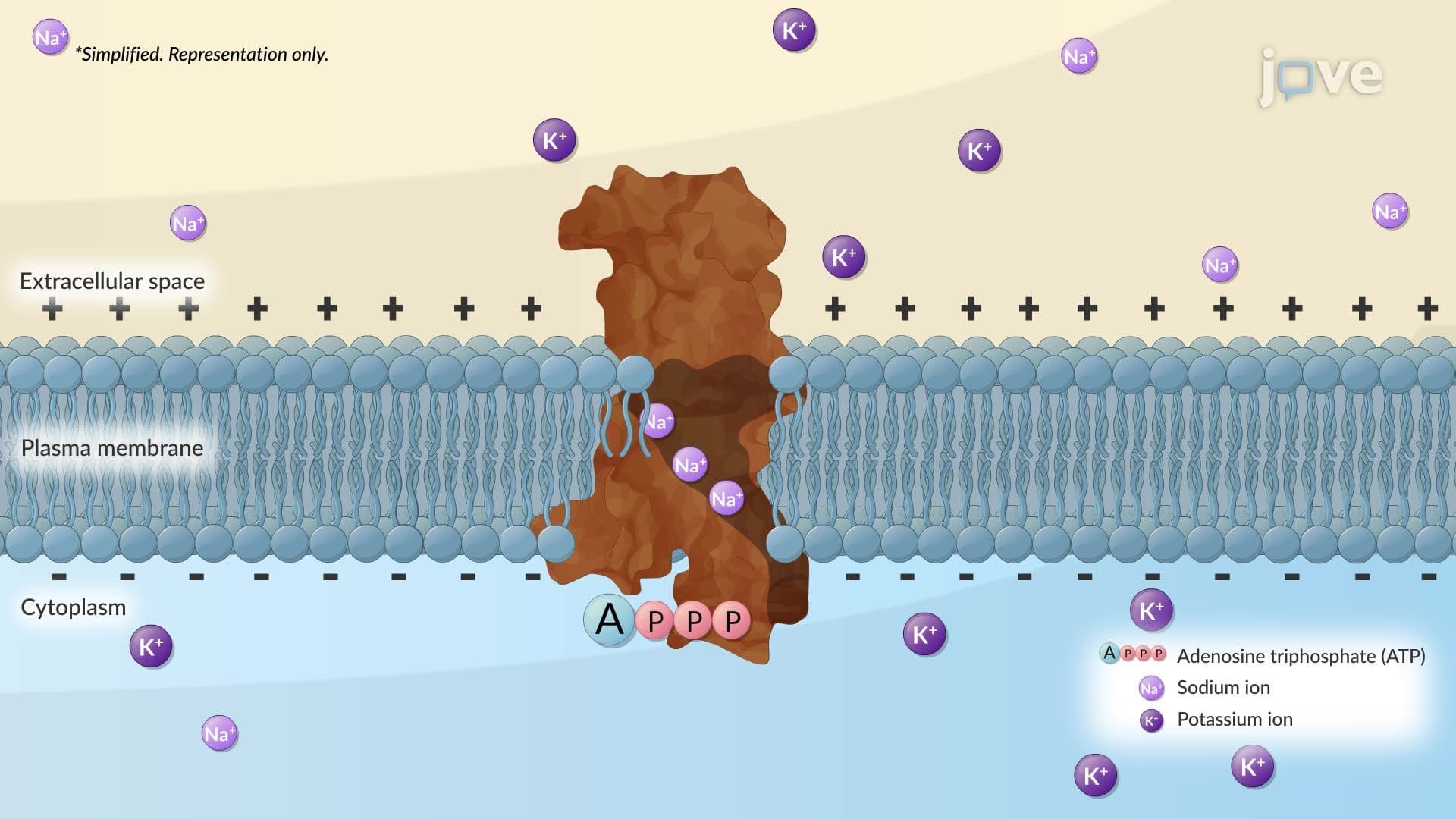
The Na K ATPase active transport system exemplifies primary active transport mechanism perfectly. Found in virtually every human cell, this protein pump maintains the negative interior charge essential for cellular function. The pump follows a precise six-step cycle that moves three sodium ions out of the cell while bringing two potassium ions in, using exactly one ATP molecule per cycle.
This 3:2 ratio creates the electrical gradient that powers nerve signals in your spinal cord and brain. US medical schools emphasize this concept heavily because understanding sodium-potassium pump dysfunction explains conditions like digitalis toxicity and certain genetic cardiac arrhythmias treated in American hospitals.
Direct ATP active transport extends far beyond textbook examples. The calcium pump in muscle cells enables relaxation after contraction-critical for everything from your heartbeat to lifting weights in US fitness centers. Proton pumps in stomach cells create the acidic environment needed for digestion, while similar pumps in kidney cells help maintain blood pH within the narrow range compatible with life.
Students preparing for the MCAT or AP Biology exams should understand that primary active transport biology connects to numerous disease mechanisms. Cystic fibrosis results from defective chloride pumps, while some forms of hypertension involve overactive sodium pumps in blood vessel walls.
For college-level courses and standardized exams, focus on the energy coupling concept. Remember that primary active transport always involves direct ATP use, distinguishing it from secondary active transport that uses previously established gradients. Practice drawing the sodium-potassium pump cycle, as this frequently appears on exams from high school AP tests to medical school biochemistry finals.
Related Micro-courses