Loading subject page…

2,101,788 views

Video Summary: What Is Receptor Mediated Endocytosis
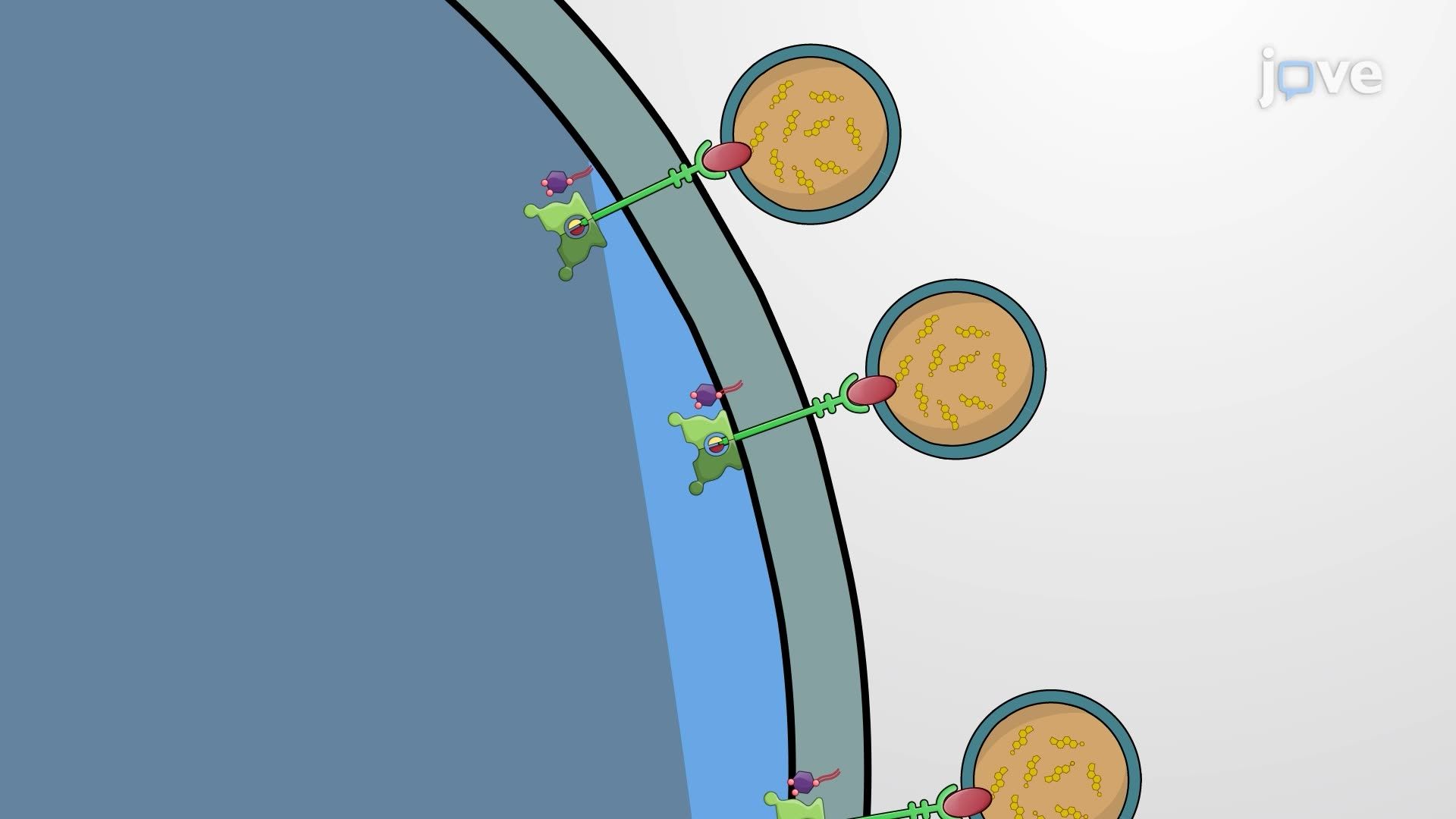
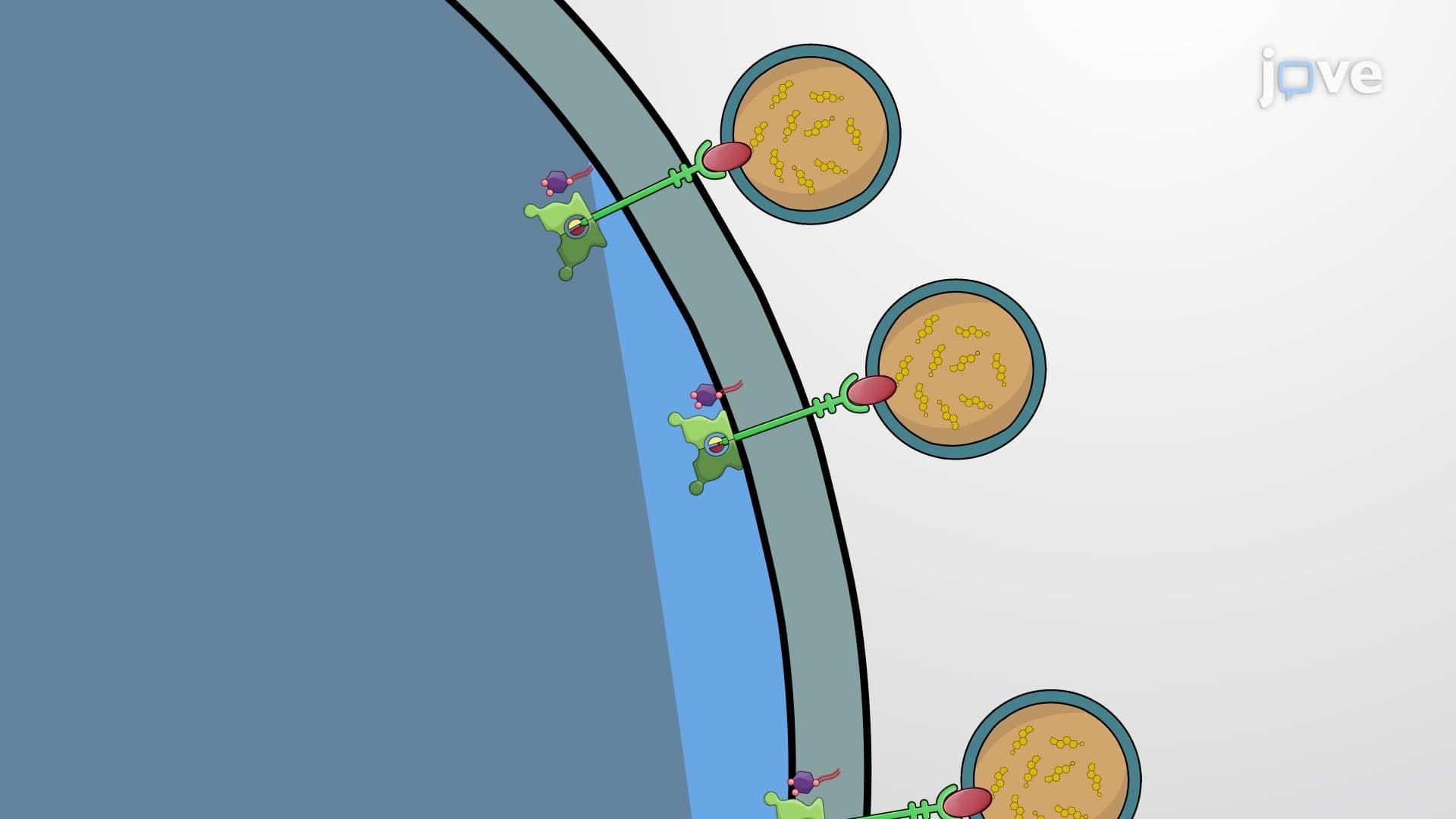
Did you know your cells act like selective bouncers at an exclusive club, carefully choosing which molecules get VIP access inside? Receptor mediated endocytosis is the sophisticated cellular process that allows specific uptake of essential molecules like LDL cholesterol through specialized membrane receptors. This targeted transport system operates in every cell in your body, from liver cells processing dietary fats to neurons uptaking growth factors. Understanding what is receptor mediated endocytosis reveals how cells maintain precise control over their internal environment. Watch the full video on JoVE Coach to master this concept with expert-led visuals and step-by-step explanations.
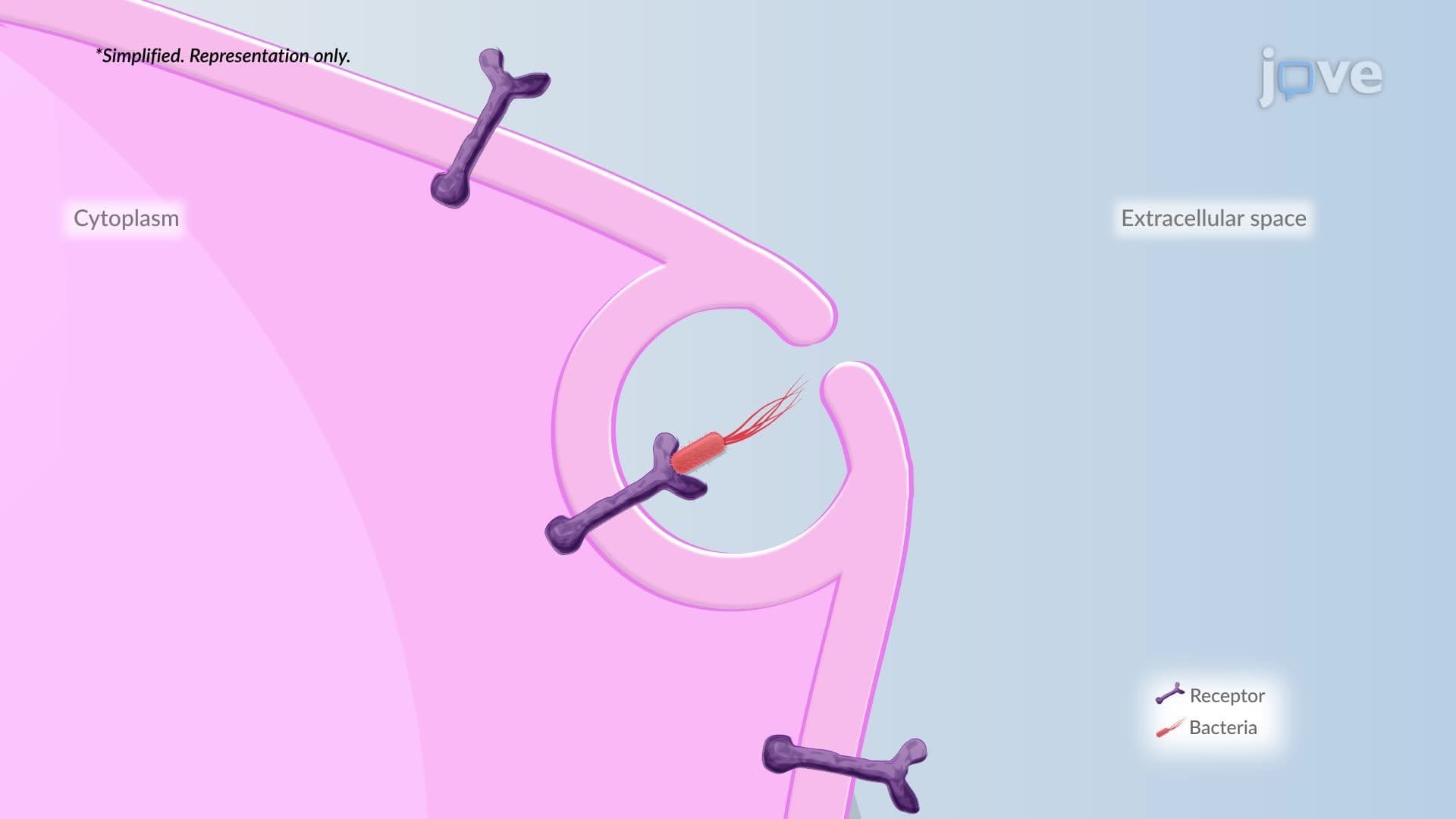
Receptor mediated endocytosis represents one of nature's most elegant solutions for cellular selectivity. Unlike bulk fluid uptake through pinocytosis, this process provides cells with exquisite control over which molecules gain entry. The mechanism begins when specific ligands-such as hormones, growth factors, or nutrients-bind to their corresponding cell surface receptors. This binding event triggers a cascade of molecular interactions that ultimately result in the internalization of both the ligand and its receptor.
The specificity of this process cannot be overstated. Consider how your liver cells specifically recognize and internalize LDL particles carrying cholesterol, while simultaneously ignoring countless other molecules in your bloodstream. This selective uptake is crucial for maintaining cellular function and preventing potentially harmful substances from entering cells inappropriately.
The formation of clathrin coated pit endocytosis structures represents a masterpiece of cellular engineering. Adapter proteins first recognize specific phospholipid signals in the membrane, particularly phosphatidylinositol phosphates (PIPs). These adapters undergo conformational changes that expose binding sites for cargo receptors, creating a platform for receptor ligand endocytosis.
Clathrin triskelions-three-legged protein structures-then assemble into a distinctive basket-like coat around the invaginating membrane. This coated vesicle endocytosis mechanism ensures that cargo-laden receptors are efficiently packaged and internalized. The entire process typically takes 1-2 minutes, demonstrating the remarkable speed of cellular machinery.
LDL receptor endocytosis serves as the textbook example of this process, with profound implications for cardiovascular health in Americans. When LDL particles bind to ApoB receptors on liver cells, they trigger the formation of clathrin-coated vesicles. Following internalization, the acidic environment within endosomes causes LDL to dissociate from its receptor, allowing the receptor to be recycled back to the cell surface.
This process is so critical that genetic defects in LDL receptor function cause familial hypercholesterolemia, affecting approximately 1 in 250 Americans. Understanding this mechanism helps explain why some individuals develop high cholesterol despite healthy diets, and why medications like statins work by increasing LDL receptor expression.
For students preparing for the MCAT or AP Biology exams, specific uptake receptor endocytosis frequently appears in questions about cellular transport mechanisms. The process exemplifies several key biological principles: specificity, regulation, and energy efficiency. College-level cell biology courses often use this topic to illustrate how multiple cellular systems-membrane dynamics, protein trafficking, and metabolic regulation-work together seamlessly.
Related Micro-courses