Loading subject page…

2,101,787 views

Video Summary: What Is Secondary Active Transport
Did you know that your kidneys reabsorb nearly 99% of filtered glucose without directly using ATP? Secondary active transport explained reveals how cells cleverly harness stored energy in ion gradients to move molecules like glucose against their concentration gradients. This process powers critical functions in US hospitals daily, from diabetic glucose monitoring to kidney dialysis treatments. Unlike primary active transport that directly consumes ATP, what is secondary active transport demonstrates nature's efficiency by recycling energy already stored in electrochemical gradients. Watch the full video on JoVE Coach to master this concept with expert-led visuals and step-by-step explanations.
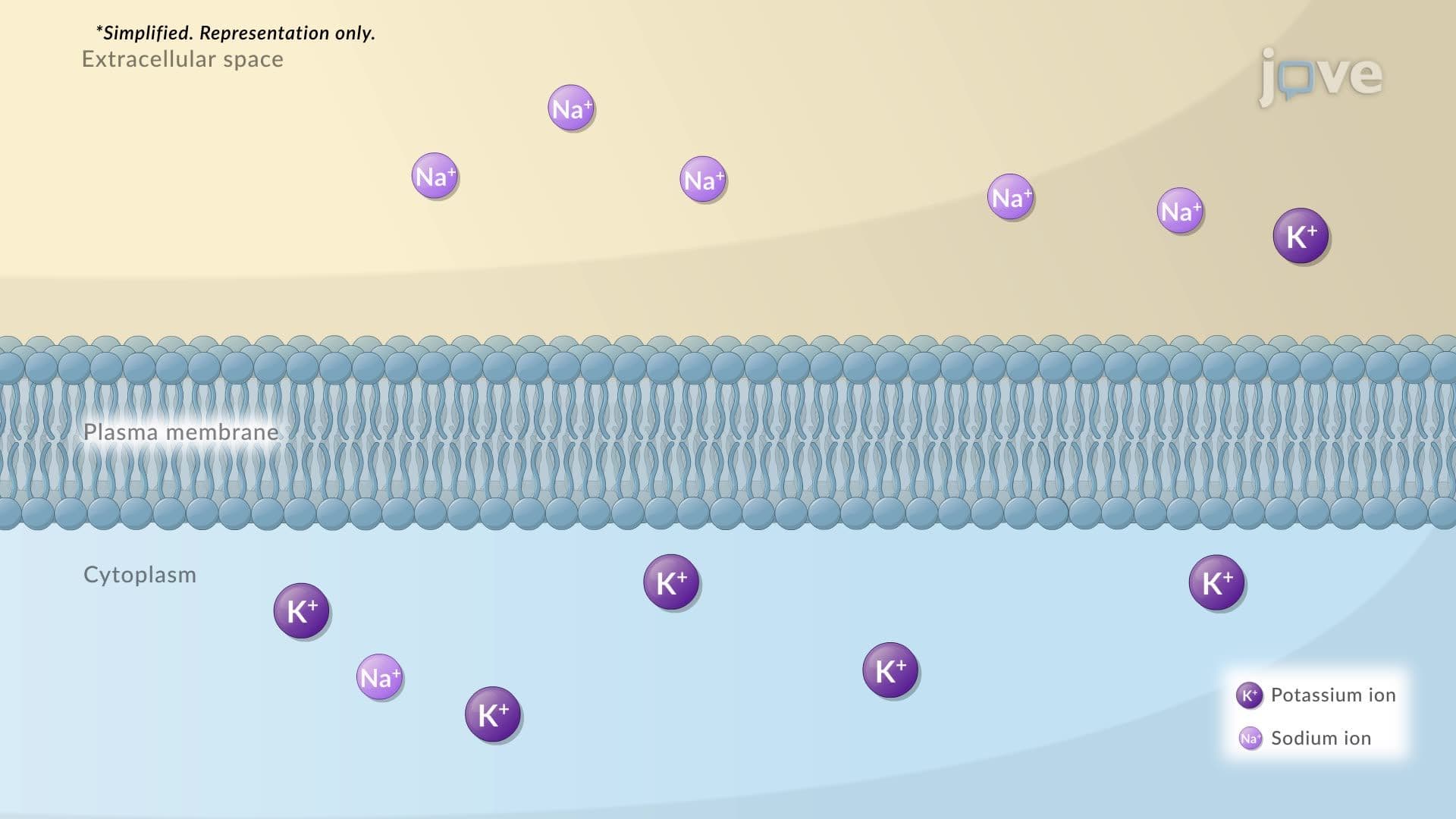
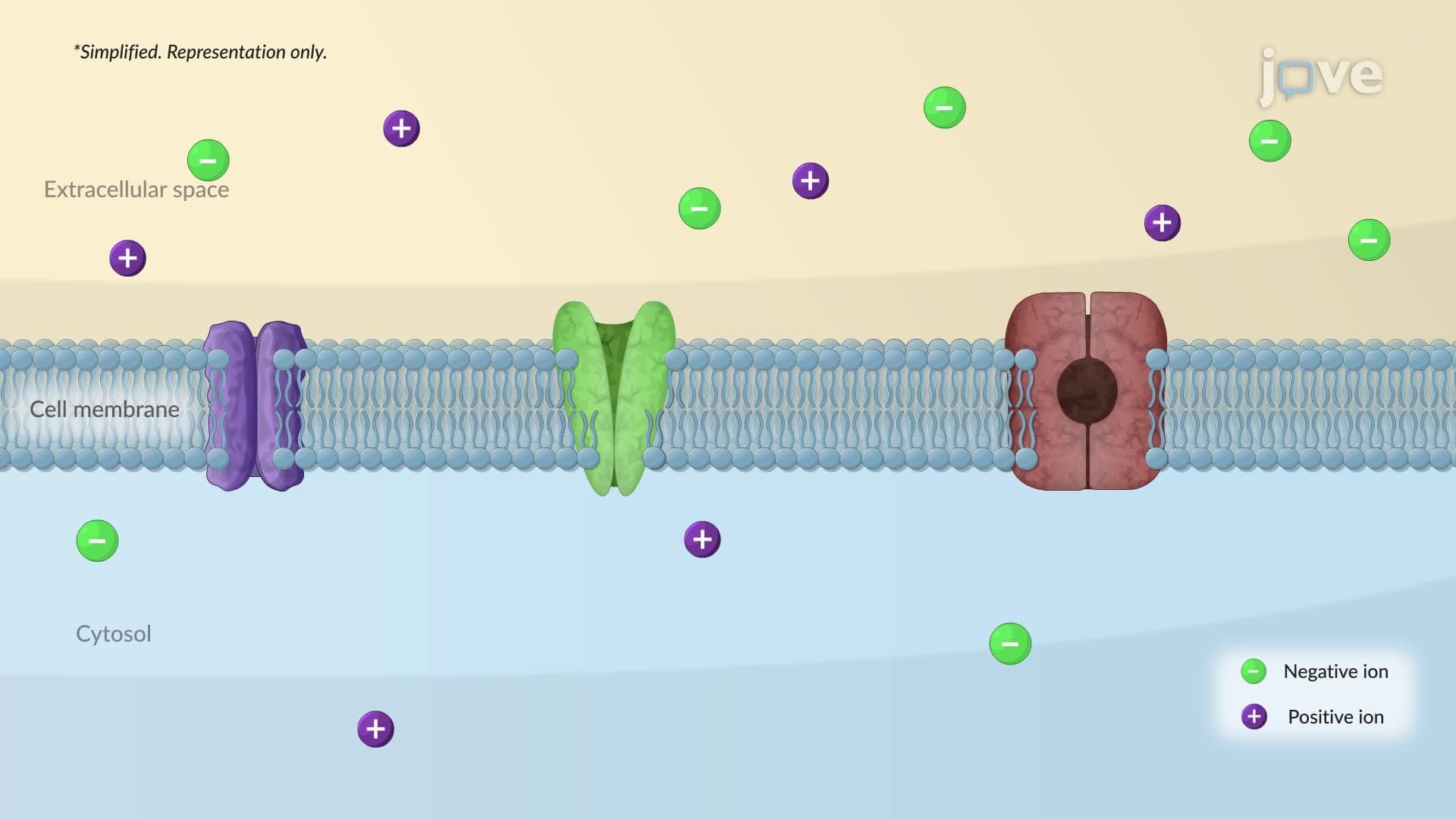
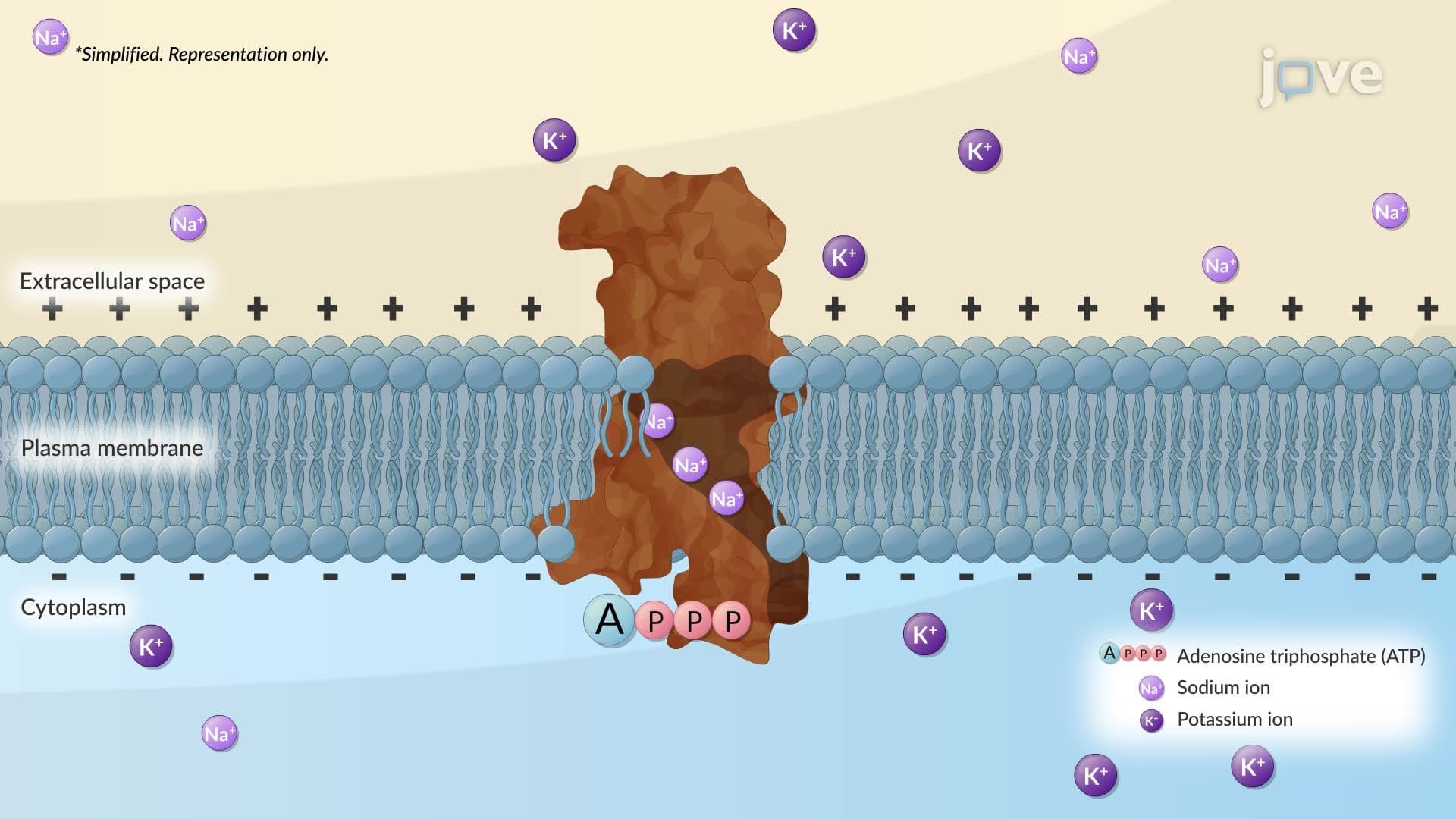
Secondary active transport represents one of biology's most elegant energy-recycling mechanisms. Unlike primary active transport that directly hydrolyzes ATP, this process harnesses energy stored in electrochemical gradients created by primary active transport pumps. The sodium-potassium pump, for instance, establishes a steep sodium gradient that secondary transporters exploit to move other molecules.
This coupled transport mechanism operates through two main types: symport (cotransport) and antiport (countertransport). In symport systems, the driving ion and transported molecule move in the same direction across the membrane. Antiport systems move substances in opposite directions. Both rely on the favorable movement of one substance down its gradient to power the unfavorable movement of another against its gradient.
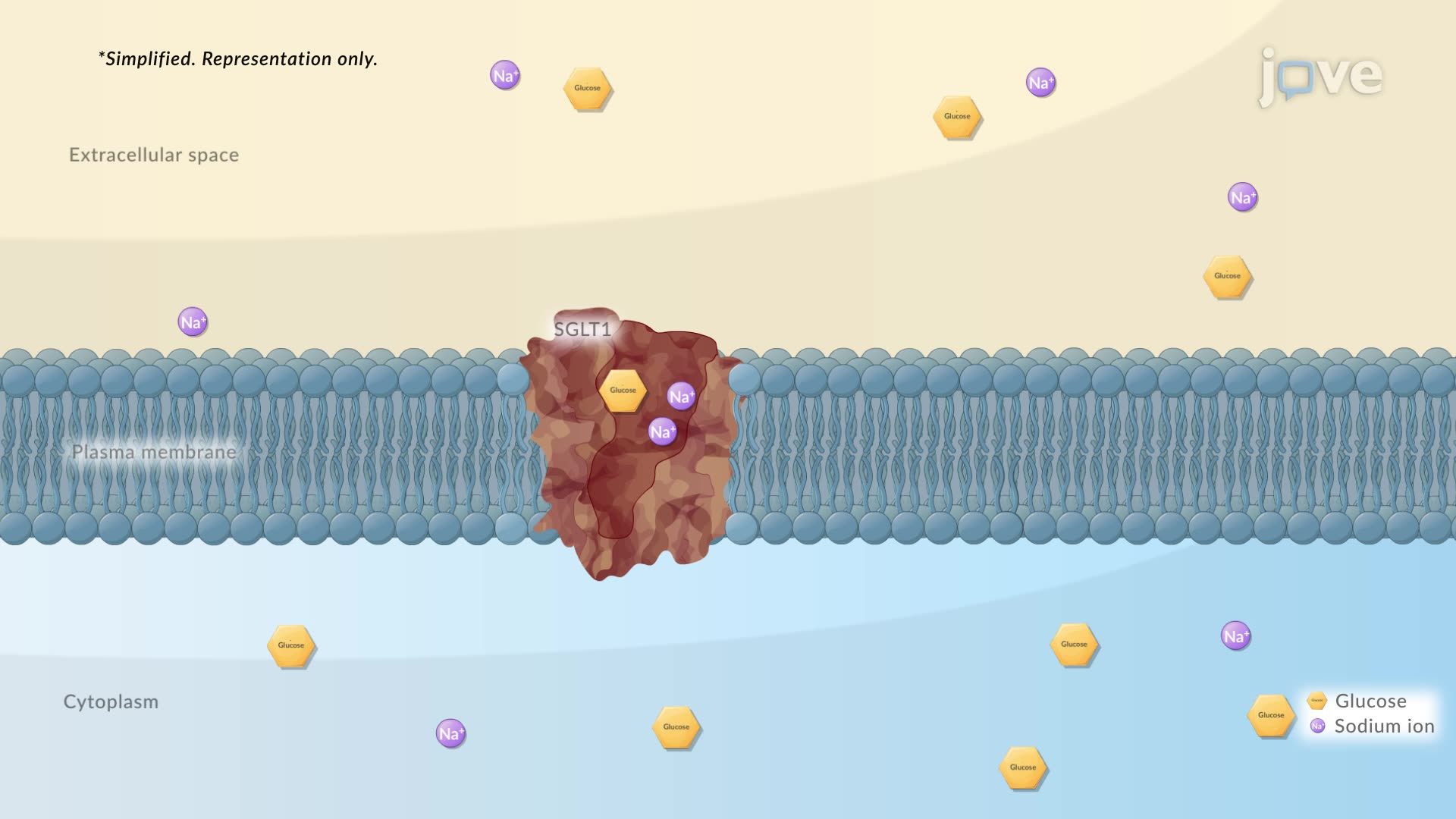
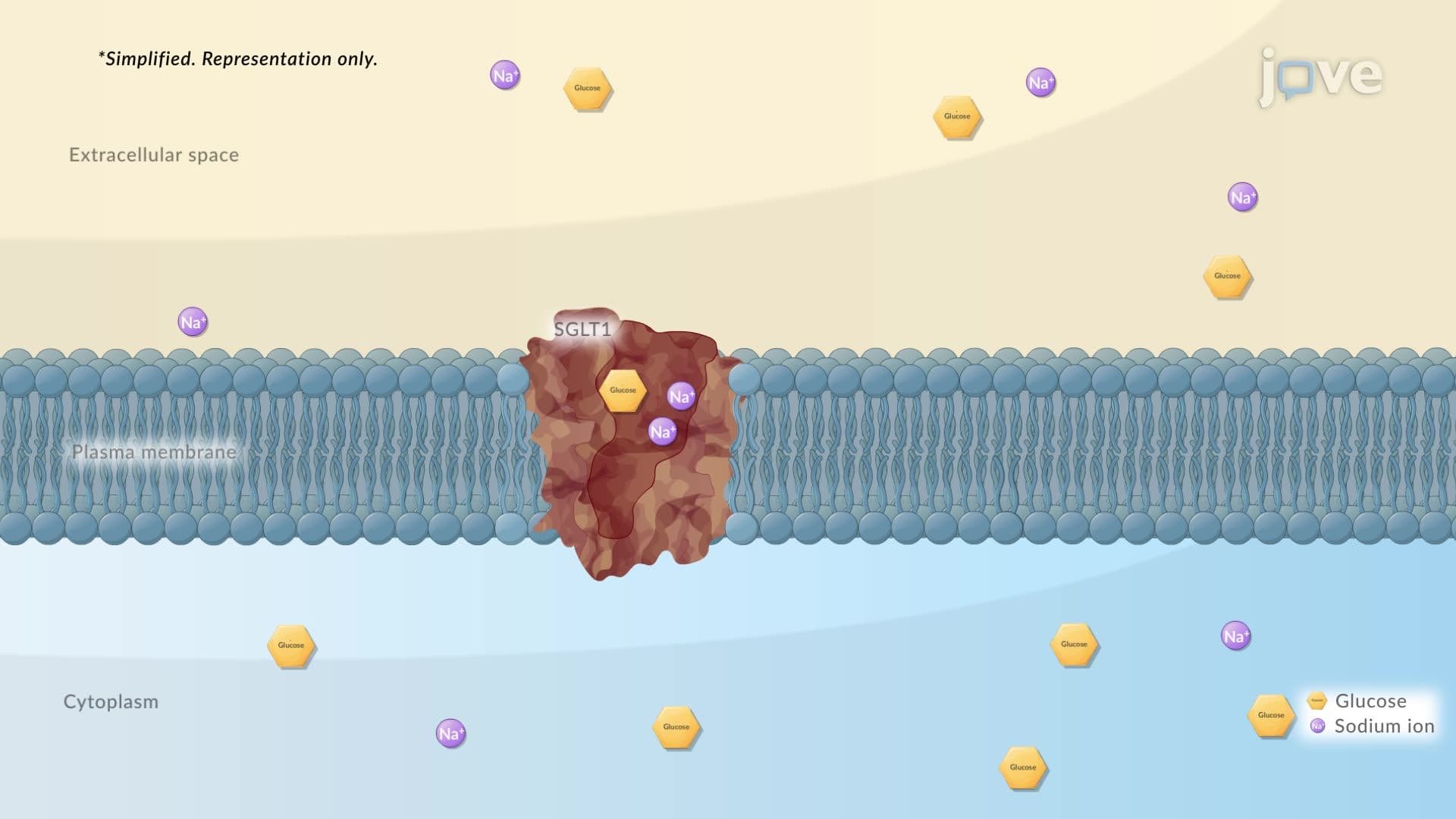
The sodium glucose cotransporter exemplifies secondary active transport biology in action. Found abundantly in kidney proximal tubules and small intestine, these proteins prevent glucose loss in urine and facilitate dietary glucose absorption. Each day, your kidneys filter approximately 180 grams of glucose, yet healthy individuals excrete virtually none.
This remarkable efficiency stems from SGLT1 and SGLT2 proteins that couple glucose reabsorption to sodium's electrochemical gradient. When blood glucose exceeds the kidney's reabsorption capacity-as occurs in uncontrolled diabetes-glucose appears in urine, a condition called glycosuria that emergency room physicians recognize as a diabetes indicator.
Understanding electrochemical gradient secondary transport proves crucial for medical professionals. SGLT2 inhibitors like empagliflozin represent breakthrough diabetes medications that intentionally block glucose reabsorption, promoting glucose excretion to lower blood sugar. These drugs demonstrate how manipulating secondary active transport can achieve therapeutic goals.
In renal medicine, secondary active transport dysfunction contributes to various kidney diseases. Fanconi syndrome disrupts multiple secondary transporters, causing glucose, amino acids, and phosphate to appear in urine despite normal blood levels.
For AP Biology students, secondary active transport frequently appears in cellular transport questions. Focus on distinguishing energy sources: primary transport uses ATP directly, while secondary transport uses stored gradient energy. The MCAT emphasizes mechanistic understanding-practice drawing cotransporter conformational changes and identifying driving forces.
College biochemistry courses often test students on transport coupling ratios. SGLT1 couples two sodium ions per glucose molecule, while SGLT2 uses a 1:1 ratio, explaining their different transport kinetics and tissue distributions.
Related Micro-courses