Loading subject page…

2,101,787 views

Video Summary: What Is Tonicity in Animals
Ever wonder why drinking too much water can actually be dangerous for athletes during marathons? Tonicity in animals explained reveals how cells maintain their shape and function by regulating water movement across membranes. When marathon runners consume excessive water without electrolytes, their red blood cells can swell dangerously due to hypotonic conditions. Understanding what is tonicity in animals helps explain critical biological processes from kidney function to IV fluid therapy in US hospitals. Watch the full video on JoVE Coach to master this concept with expert-led visuals and step-by-step explanations.
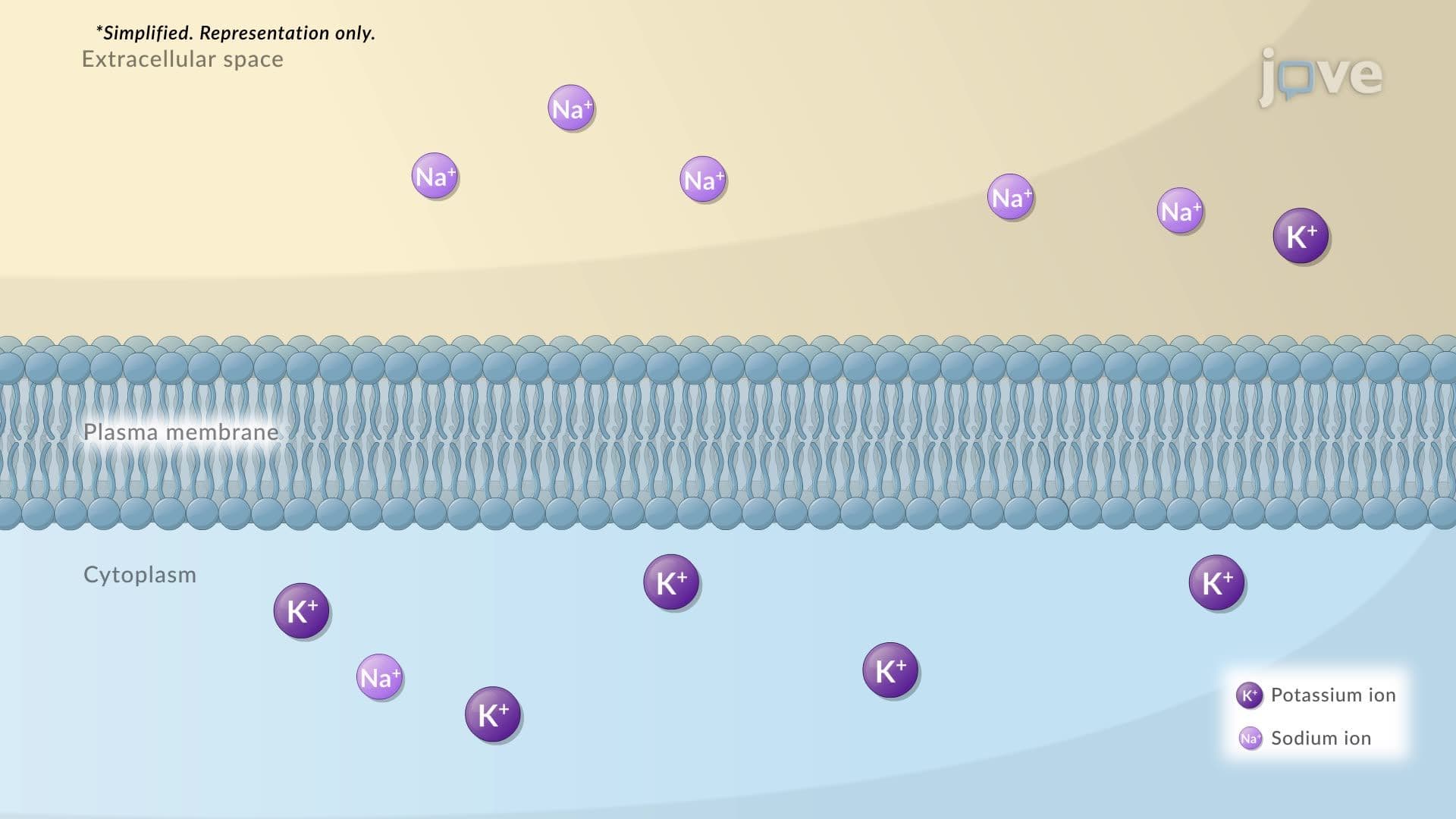
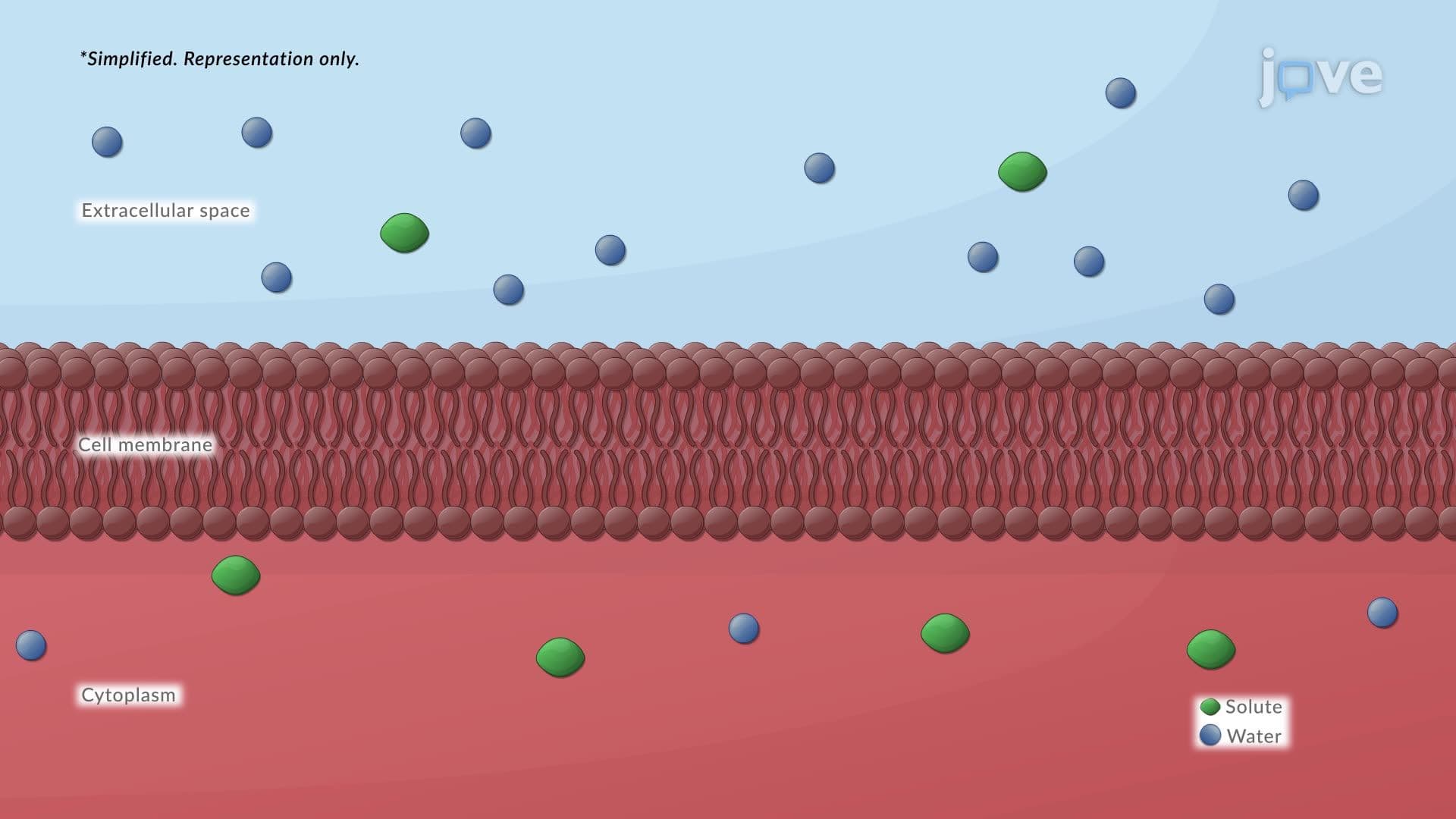
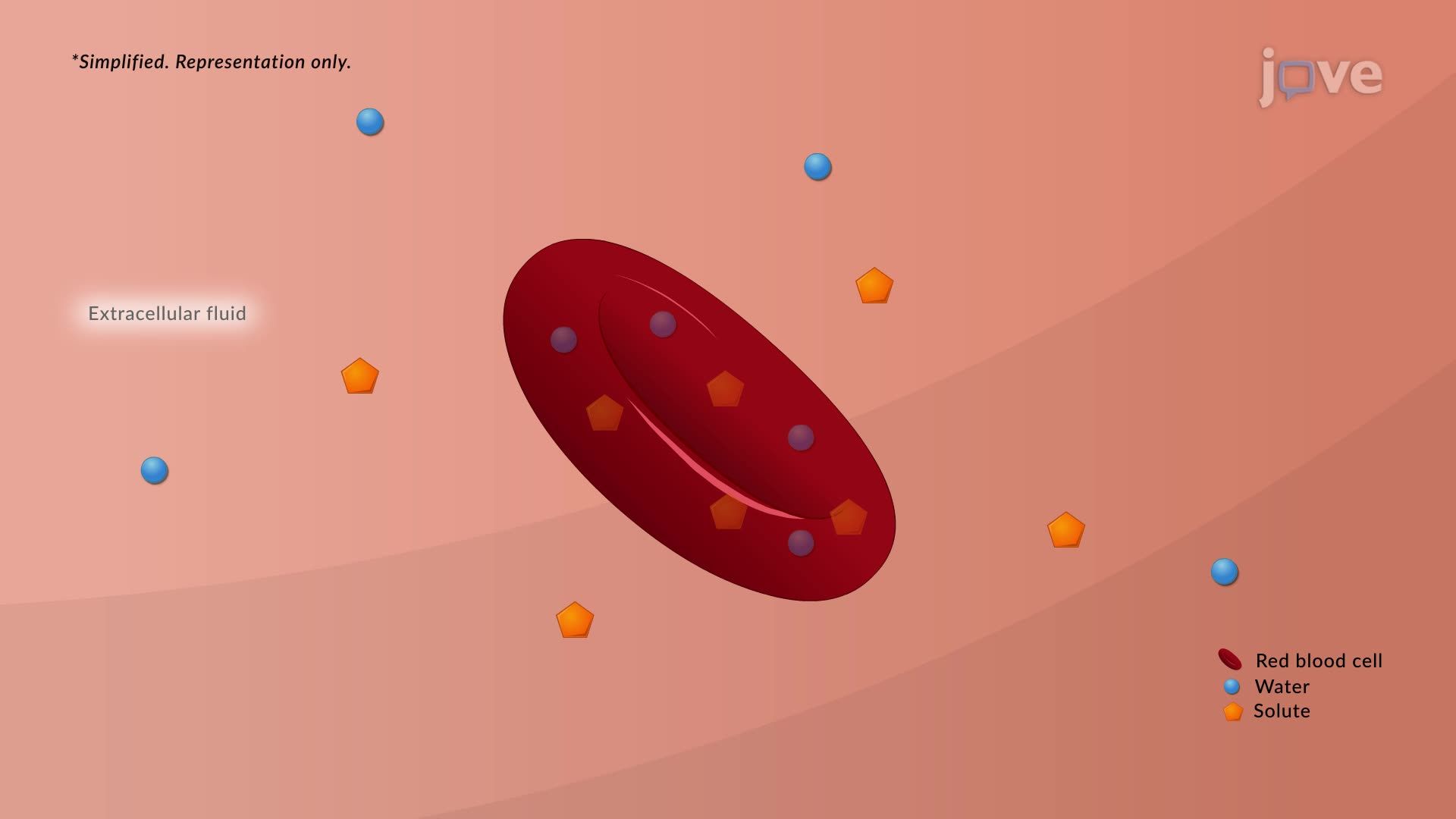
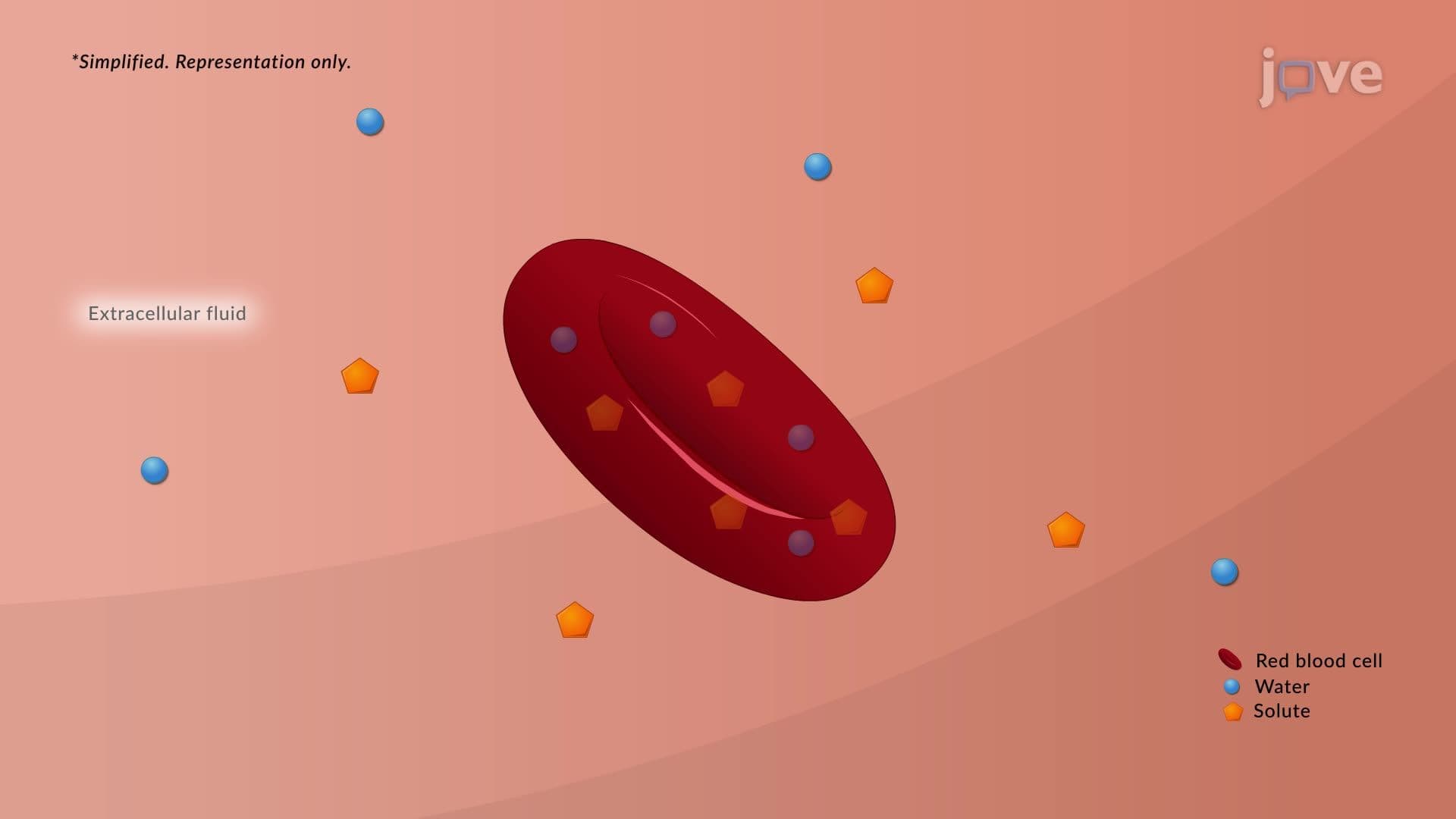
Tonicity in animals represents a fundamental concept governing how cells maintain proper volume and function. Unlike simple concentration gradients, tonicity specifically describes the relative solute concentration between extracellular fluid and the cell interior, determining the direction and magnitude of water movement across semi-permeable cell membranes.
Animal cells lack rigid cell walls, making tonicity regulation absolutely critical for survival. When extracellular and intracellular solute concentrations are balanced, cells exist in isotonic conditions with no net water movement. This equilibrium maintains optimal cell shape and function, as seen in properly formulated IV saline solutions (0.9% NaCl) used in US hospitals.
Hypotonic environments occur when extracellular fluid contains fewer solutes than the cell interior. Water rushes into cells through osmosis, causing dangerous swelling. Red blood cells demonstrate this dramatically-in pure water, they swell into spherical shapes before bursting (hemolysis). This principle explains why US medical professionals never administer pure water intravenously and why athletes drinking excessive plain water during endurance events risk hyponatremia.
College biology courses and AP Biology exams frequently test this concept through scenarios involving different salt concentrations and their effects on animal tissues. Understanding hypotonic conditions helps explain kidney disease complications and the careful fluid management required in intensive care units across American hospitals.
Hypertonic conditions exist when extracellular solute concentration exceeds intracellular levels, drawing water out of cells. Red blood cells shrivel into spiky, crenated shapes, losing their ability to carry oxygen efficiently. This occurs in severe dehydration or when patients receive overly concentrated IV solutions.
US emergency departments utilize hypertonic saline (3% NaCl) in specific situations like treating severe brain swelling, where controlled cellular dehydration reduces dangerous intracranial pressure. MCAT preparation emphasizes understanding these clinical applications, as medical students must grasp how tonicity affects patient outcomes.
Animal bodies maintain tonicity through sophisticated regulatory mechanisms. The kidneys adjust urine concentration, while hormones like ADH (antidiuretic hormone) control water retention. When this regulation fails, as in diabetes insipidus, patients experience dangerous fluid imbalances requiring immediate medical intervention in US healthcare facilities.
Related Micro-courses