Loading subject page…


641,809 views


Video Summary: What are Accessory Organs
Ever wonder why you can digest a greasy burger from McDonald's without your stomach exploding? Accessory organs work behind the scenes, secreting powerful enzymes and substances that break down complex foods into nutrients your body can actually use. These specialized structures-including your salivary glands, liver, gallbladder, and pancreas-don't directly contact food but are essential for proper digestion. For instance, without pancreatic enzymes, the protein in that burger would remain undigested. Watch the full video on JoVE Coach to master this concept with expert-led visuals and step-by-step explanations.
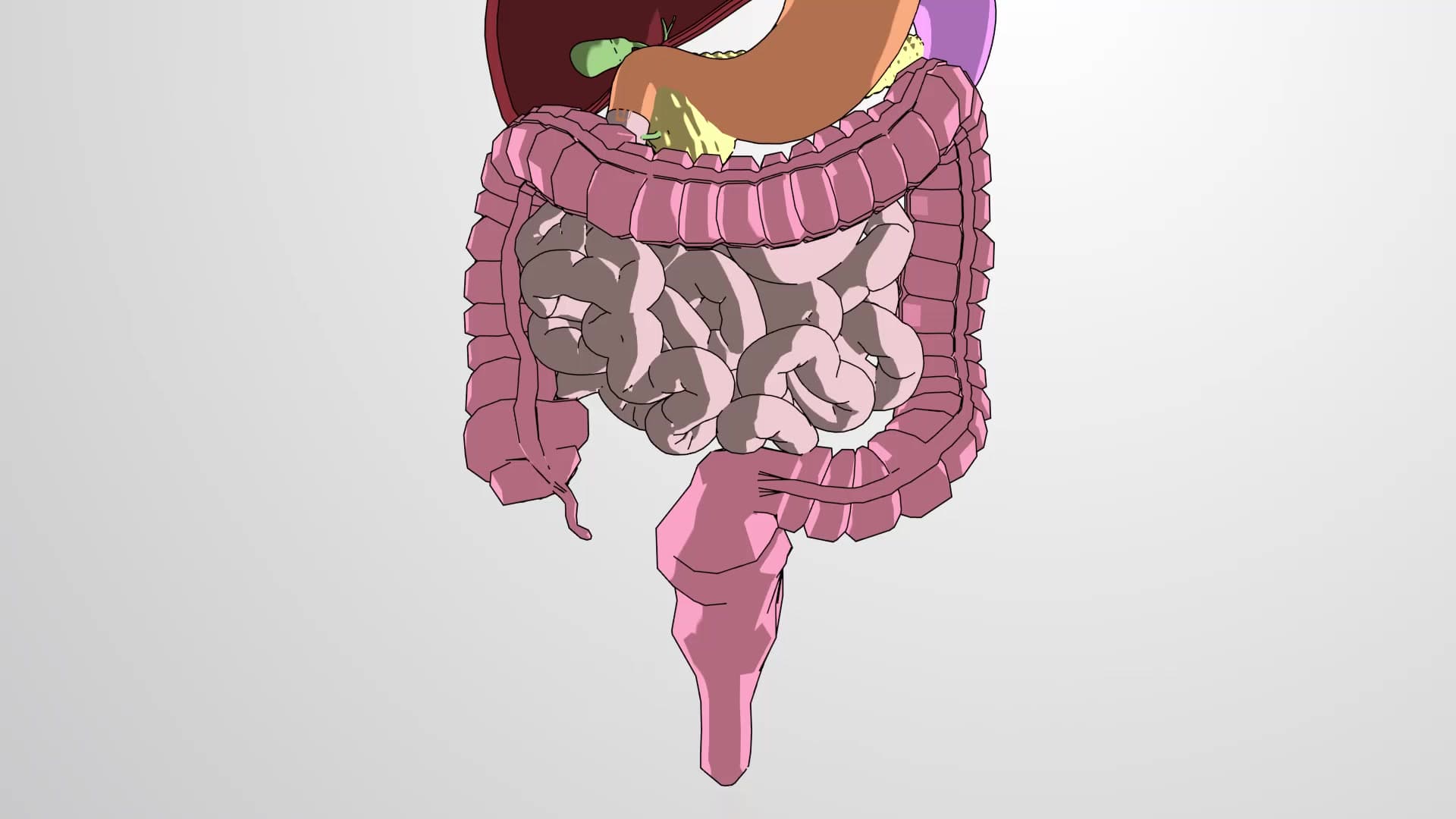
Accessory organs represent a crucial component of human physiology that students often overlook when studying digestion. Unlike the primary digestive tract (mouth, esophagus, stomach, small intestine, large intestine), accessory organs don't directly contact food but instead secrete essential substances that make digestion possible. Think of them as the "support crew" that enables your digestive system to function efficiently.
Your three pairs of salivary glands-parotid, submandibular, and sublingual-produce approximately 1-2 liters of saliva daily. The enzyme amylase, found in saliva, begins breaking down complex carbohydrates like those in a slice of Wonder Bread before you even swallow. This process is particularly relevant for AP Biology students studying enzyme kinetics, as salivary amylase demonstrates how pH and temperature affect enzyme activity. On standardized tests like the MCAT, questions often focus on why starchy foods taste sweeter the longer you chew them-it's because amylase converts starches to simple sugars.
The liver produces bile, a complex mixture containing bile salts, cholesterol, water, and bilirubin (a waste product from red blood cell breakdown). However, the gallbladder stores and concentrates this bile, releasing it when fatty foods enter the duodenum. Bile salts act as biological detergents-they're amphipathic molecules with both hydrophobic and hydrophilic regions. This property allows them to emulsify large fat globules into smaller droplets, dramatically increasing the surface area available for pancreatic lipase to work. Students preparing for the USMLE Step 1 should understand that without proper bile function, patients develop steatorrhea (fatty stools) and fat-soluble vitamin deficiencies.
The pancreas secretes multiple digestive enzymes into the duodenum through the pancreatic duct. Proteolytic enzymes like trypsin and chymotrypsin cleave proteins at specific amino acid sequences, while carboxypeptidase removes amino acids from peptide chains. Pancreatic lipase works synergistically with bile to digest fats, and pancreatic amylase continues carbohydrate breakdown that began in the mouth. Additionally, the pancreas secretes sodium bicarbonate to neutralize acidic chyme from the stomach, protecting the intestinal lining from chemical damage. This alkaline environment is crucial because pancreatic enzymes function optimally at higher pH levels than stomach enzymes.
Related Micro-courses