Loading subject page…


641,809 views


Video Summary: What Is Carbohydrate Digestion
Every time you bite into a slice of pizza or sip a sports drink, carbohydrate digestion transforms complex starches and sugars into fuel your cells can actually use. This intricate process begins the moment food enters your mouth, where salivary enzymes start breaking down carbohydrates into smaller, absorbable units. From the initial breakdown by amylase in your saliva to the final absorption of glucose in your small intestine, understanding what is carbohydrate digestion reveals how your body efficiently converts dietary carbohydrates into energy. Watch the full video on JoVE Coach to master this concept with expert-led visuals and step-by-step explanations.
What is carbohydrate digestion? It's the systematic breakdown of complex carbohydrates into simple sugars that your body can absorb and use for energy. This process involves multiple organs, specialized enzymes, and carefully orchestrated timing to ensure maximum nutrient extraction from foods like bread, pasta, fruits, and vegetables.
Carbohydrate digestion begins before you even swallow. As you chew a piece of toast, your teeth mechanically break down food particles while three pairs of salivary glands-parotid, submandibular, and sublingual-release saliva containing alpha-amylase. This enzyme, also called ptyalin, cleaves the alpha-1,4-glycosidic bonds in starch molecules, converting them into smaller dextrins and the disaccharide maltose. The slightly alkaline pH of saliva (around 7.4) provides optimal conditions for amylase activity. Students preparing for the MCAT should note that this initial digestion can convert up to 30% of dietary starch into smaller sugars during normal chewing time.
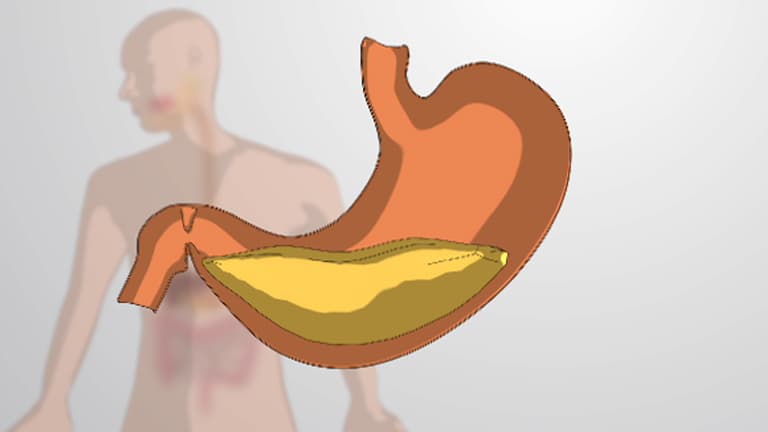
When the partially digested carbohydrates reach the stomach, carbohydrate digestion essentially halts. The stomach's highly acidic environment (pH 1.5-3.5) denatures salivary amylase, rendering it inactive. This gastric phase serves primarily to store and begin protein digestion while carbohydrates wait for the next stage.
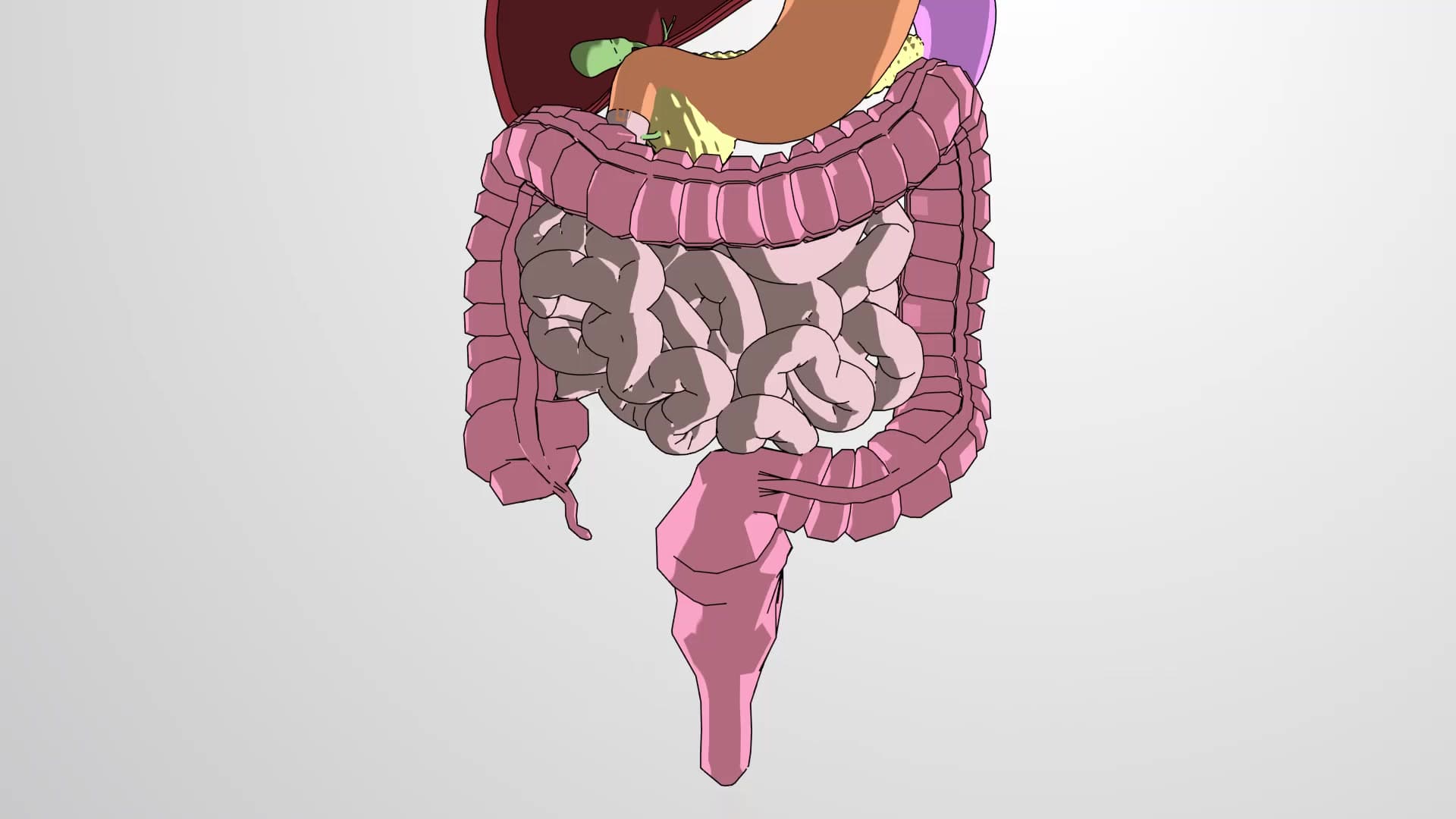
Upon entering the duodenum, the first part of the small intestine, carbohydrate digestion resumes with remarkable efficiency. The pancreas secretes pancreatic juice containing alpha-amylase, which is structurally similar to salivary amylase but functions in the alkaline environment created by bicarbonate ions. This pancreatic amylase completes the breakdown of remaining starches and dextrins into disaccharides like maltose, along with some trisaccharides.
The most crucial phase occurs at the brush border of intestinal epithelial cells, where specialized enzymes called disaccharidases complete carbohydrate digestion. These membrane-bound enzymes include:
This final step is clinically significant because deficiencies in these enzymes, particularly lactase, affect millions of Americans and cause digestive symptoms. The resulting monosaccharides-glucose, fructose, and galactose-are then absorbed through specific transporters in the intestinal wall and enter the hepatic portal circulation for distribution throughout the body.
For AP Biology students, understanding this process is essential for explaining how dietary carbohydrates contribute to blood glucose homeostasis and energy metabolism in cellular respiration pathways.
Related Micro-courses