Loading subject page…


641,809 views


Video Summary: What Is Hormonal Regulation
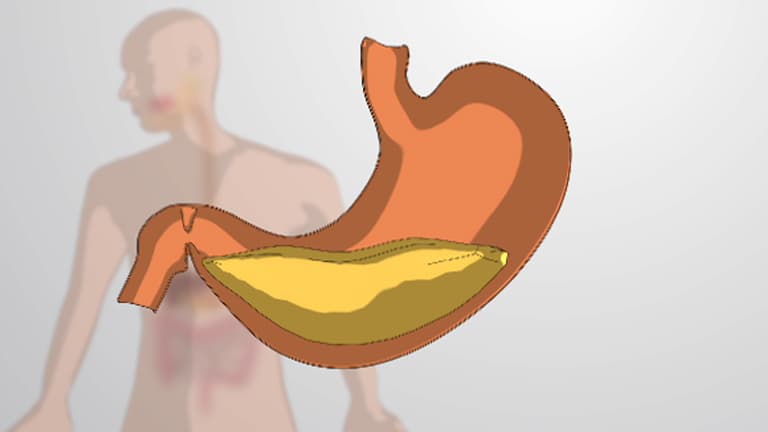
Ever wonder why you suddenly feel full after a big Thanksgiving meal? Hormonal regulation controls this complex process through chemical messengers that coordinate your body's functions. During digestion, your stomach releases gastrin to produce acid when it detects turkey protein, while your small intestine later releases peptide YY to signal your brain that you're satisfied. This intricate system demonstrates how hormones precisely time and control biological processes throughout your digestive tract. Watch the full video on JoVE Coach to master this concept with expert-led visuals and step-by-step explanations.
Hormonal regulation represents one of the body's most sophisticated control mechanisms, using chemical messengers called hormones to coordinate complex physiological processes. Unlike the rapid electrical signals of the nervous system, hormonal regulation provides slower but longer-lasting control, making it ideal for processes like digestion, metabolism, and growth that require sustained coordination across multiple organ systems.
The digestive process showcases hormonal regulation at its finest, with multiple hormones working in precise sequence. When you bite into a cheeseburger at your local diner, your stomach's detection of protein triggers gastrin release, which stimulates hydrochloric acid production. Simultaneously, histamine amplifies this response, ensuring efficient protein breakdown. This coordinated hormonal response exemplifies how chemical messengers fine-tune biological processes.
As digestion progresses, the arrival of partially digested food (chyme) in the small intestine triggers a new wave of hormonal signals. Secretin responds to acidic chyme by stimulating bicarbonate release from the pancreas, neutralizing dangerous stomach acid. Cholecystokinin (CCK) coordinates bile release from the gallbladder and digestive enzyme secretion, while gastric inhibitory peptide (GIP) slows stomach contractions to prevent intestinal overload.
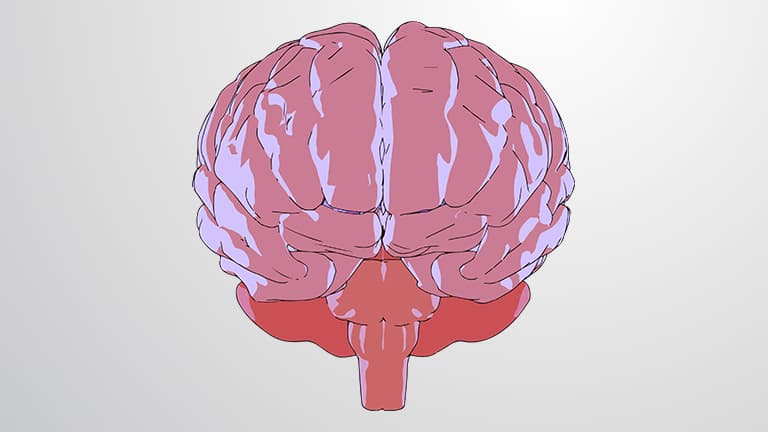
The elegance of hormonal regulation lies in its feedback mechanisms. Peptide YY, released by the ileum and colon, not only slows chyme movement for optimal nutrient absorption but also signals satiety to the brain-explaining why you naturally stop eating when full. This demonstrates how hormones create integrated body-wide responses.
Understanding hormonal regulation proves crucial for AP Biology students, particularly when analyzing homeostasis and system integration. Medical students preparing for the MCAT encounter these concepts in endocrinology and gastrointestinal physiology sections. Clinical applications include understanding conditions like Zollinger-Ellison syndrome, where excessive gastrin production causes ulcers, or diabetes, where insulin regulation fails.
Healthcare professionals rely on hormonal regulation principles daily. Emergency room physicians at Houston Methodist Hospital might administer synthetic hormones to counteract diabetic ketoacidosis, while gastroenterologists use hormone-based treatments for inflammatory bowel disease. These real-world applications highlight why mastering hormonal regulation concepts remains essential for anyone pursuing healthcare careers or advanced biological studies.
Related Micro-courses