Loading subject page…


641,809 views


Video Summary: What Is Lipid Digestion
Did you know that Americans consume nearly 150 grams of fat daily, yet our bodies must completely transform these large molecules before absorption? Lipid digestion is the complex biochemical process that breaks down dietary fats into smaller, absorbable components through specialized enzymes and bile salts. From the moment you bite into a cheeseburger, lingual lipase in your mouth begins dismantling triglycerides, continuing through your stomach and culminating in your small intestine where pancreatic enzymes complete the breakdown. Watch the full video on JoVE Coach to master this concept with expert-led visuals and step-by-step explanations.
Lipid digestion represents one of the most sophisticated biochemical processes in human physiology, involving multiple organs, specialized enzymes, and unique emulsification mechanisms. Unlike carbohydrates and proteins that dissolve readily in water, lipids present a unique challenge due to their hydrophobic nature. This process is particularly relevant for students preparing for the MCAT, where understanding lipid metabolism frequently appears in biological sciences sections.
The digestive journey begins in the mouth with lingual lipase, secreted by Ebner's glands beneath the tongue. This enzyme initiates triglyceride breakdown, though its activity remains limited due to the brief transit time and suboptimal pH conditions. Students often underestimate this oral phase, but it contributes approximately 10-30% of total fat digestion in infants and continues to play a role throughout life.
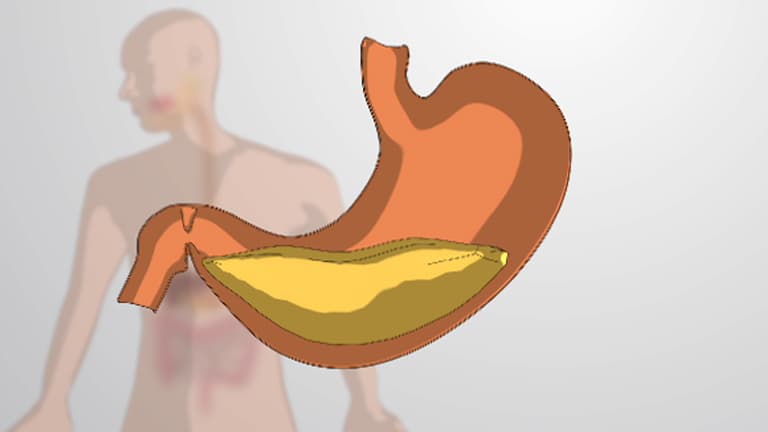
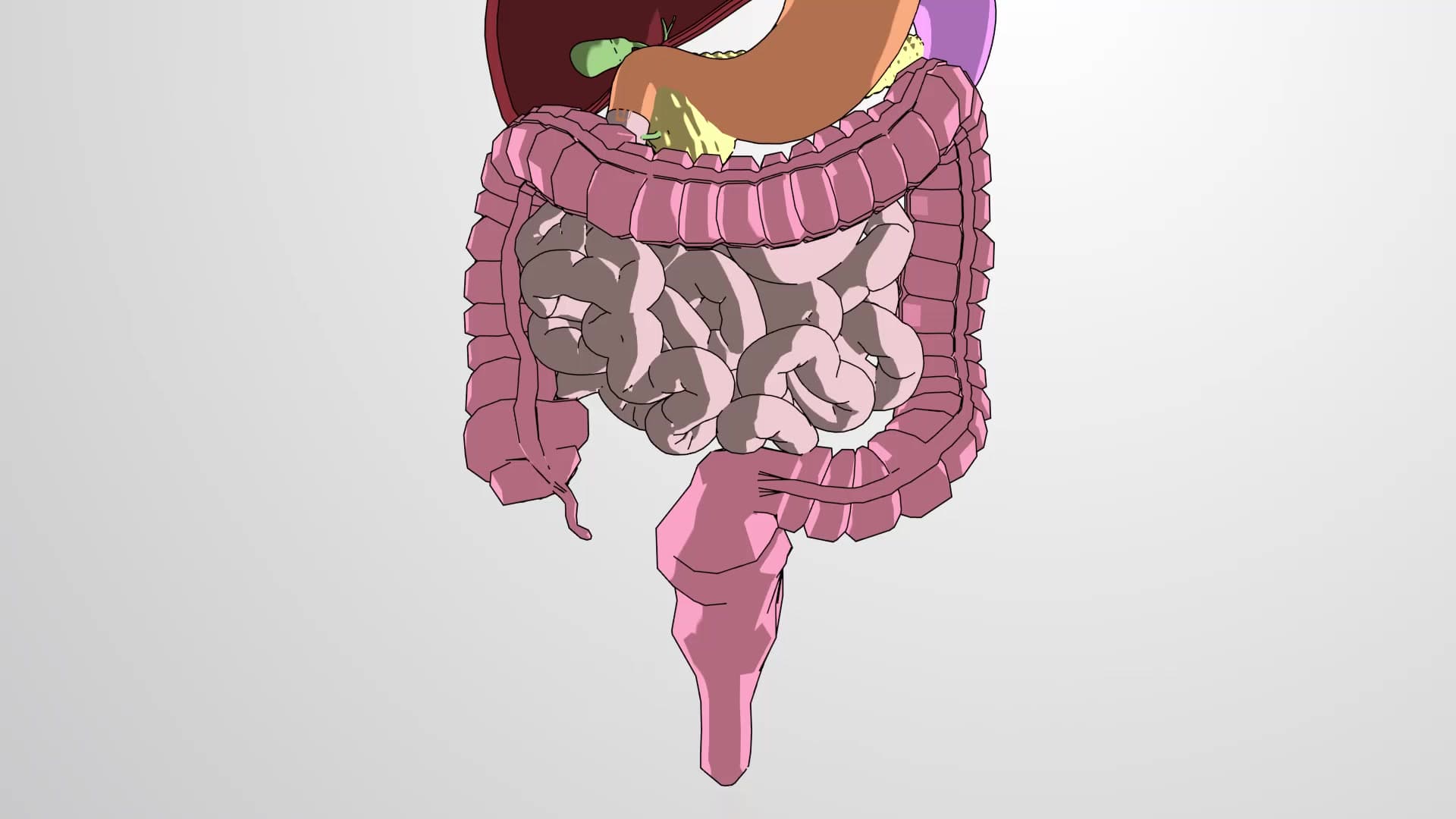
Gastric lipases take over in the stomach's acidic environment, where they can function effectively at pH 2-6. However, the real breakthrough occurs when chyme enters the duodenum. Here, the gallbladder releases bile salts-biological detergents that coat fat droplets and prevent reaggregation. This emulsification process increases surface area exponentially, creating the optimal conditions for pancreatic lipases to complete triglyceride hydrolysis.
Understanding lipid digestion proves essential for numerous healthcare career paths. Medical students encounter this topic extensively in biochemistry and physiology courses, while nursing students studying for the NCLEX must understand malabsorption disorders. Conditions like pancreatic insufficiency, biliary obstruction, or celiac disease directly impact this process, making it clinically significant.
For AP Biology students, this concept frequently appears in free-response questions about digestive physiology. The key is recognizing the problem-solving aspect: how does the body overcome the inherent incompatibility between hydrophobic lipids and aqueous digestive environments? The answer lies in the elegant coordination between mechanical emulsification and enzymatic hydrolysis.
Consider patients with cystic fibrosis, a genetic disorder affecting approximately 30,000 Americans. These individuals often require pancreatic enzyme replacement therapy because their thick secretions block pancreatic ducts, preventing lipase release. This real-world example illustrates why understanding normal lipid digestion becomes crucial for developing treatment strategies and dietary interventions.
Related Micro-courses