Loading subject page…


641,809 views


Video Summary: What Is Neural Regulation
Ever wonder why your mouth waters when you smell pizza before taking a bite? Neural regulation controls this automatic response through your nervous system's coordination of digestive processes. From the moment you see food at a restaurant like McDonald's to when nutrients are absorbed in your intestines, neural regulation orchestrates every step through cranial nerves, the vagus nerve, and the enteric nervous system. This complex process involves mechanoreceptors detecting stomach stretching and chemoreceptors monitoring pH changes as food transforms into chyme. Watch the full video on JoVE Coach to master this concept with expert-led visuals and step-by-step explanations.
Neural regulation represents the nervous system's sophisticated control over physiological processes, particularly evident in digestive function. This regulatory mechanism coordinates complex interactions between sensory input, neural processing, and physiological responses to maintain optimal body function. In digestion, neural regulation ensures efficient nutrient processing through precisely timed neural signals and hormonal responses.
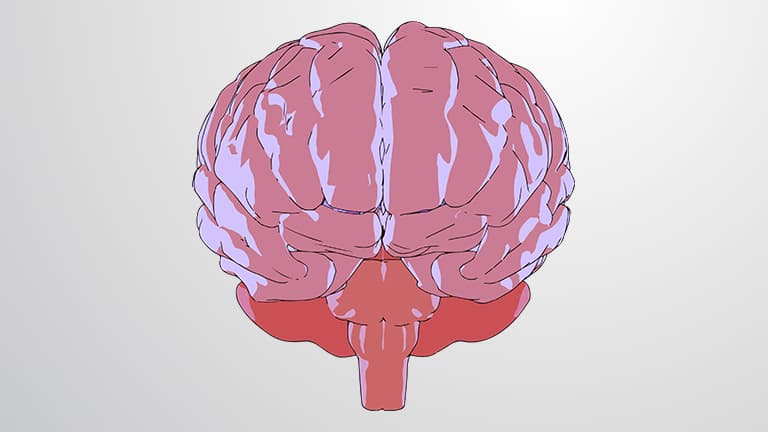
The cephalic phase demonstrates neural regulation's predictive capabilities. Before food enters your mouth, visual cues (seeing a Starbucks pastry), olfactory signals (smelling barbecue), or even thoughts about food trigger cranial nerve activation. The facial nerve (cranial nerve VII) stimulates salivary glands, while the vagus nerve increases gastric acid production. This preparatory response, studied extensively in AP Biology curricula, illustrates how conditioned stimuli create physiological readiness.
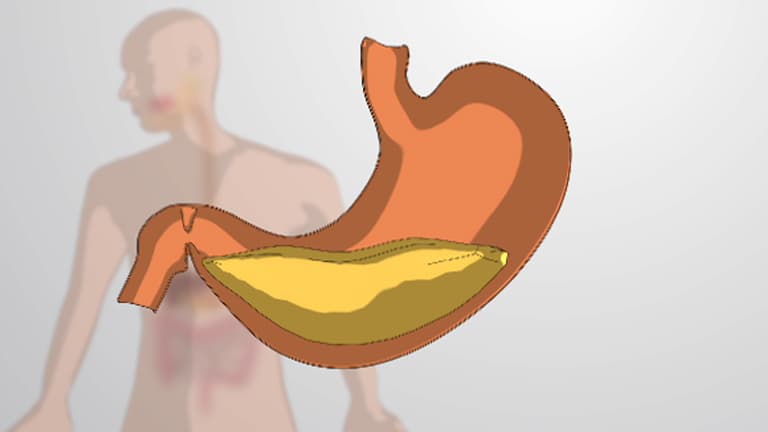
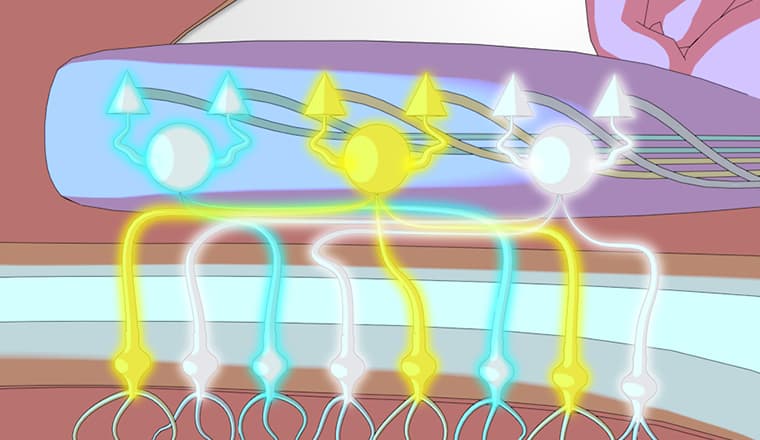
During the gastric phase, neural regulation shifts to mechanoreceptor and chemoreceptor activation within the enteric nervous system. When food stretches stomach walls, mechanoreceptors detect distention and trigger appropriate digestive responses. Simultaneously, chemoreceptors monitor pH changes as gastric acid converts food into chyme. This dual-sensor system ensures optimal digestive conditions and frequently appears in MCAT biology questions.
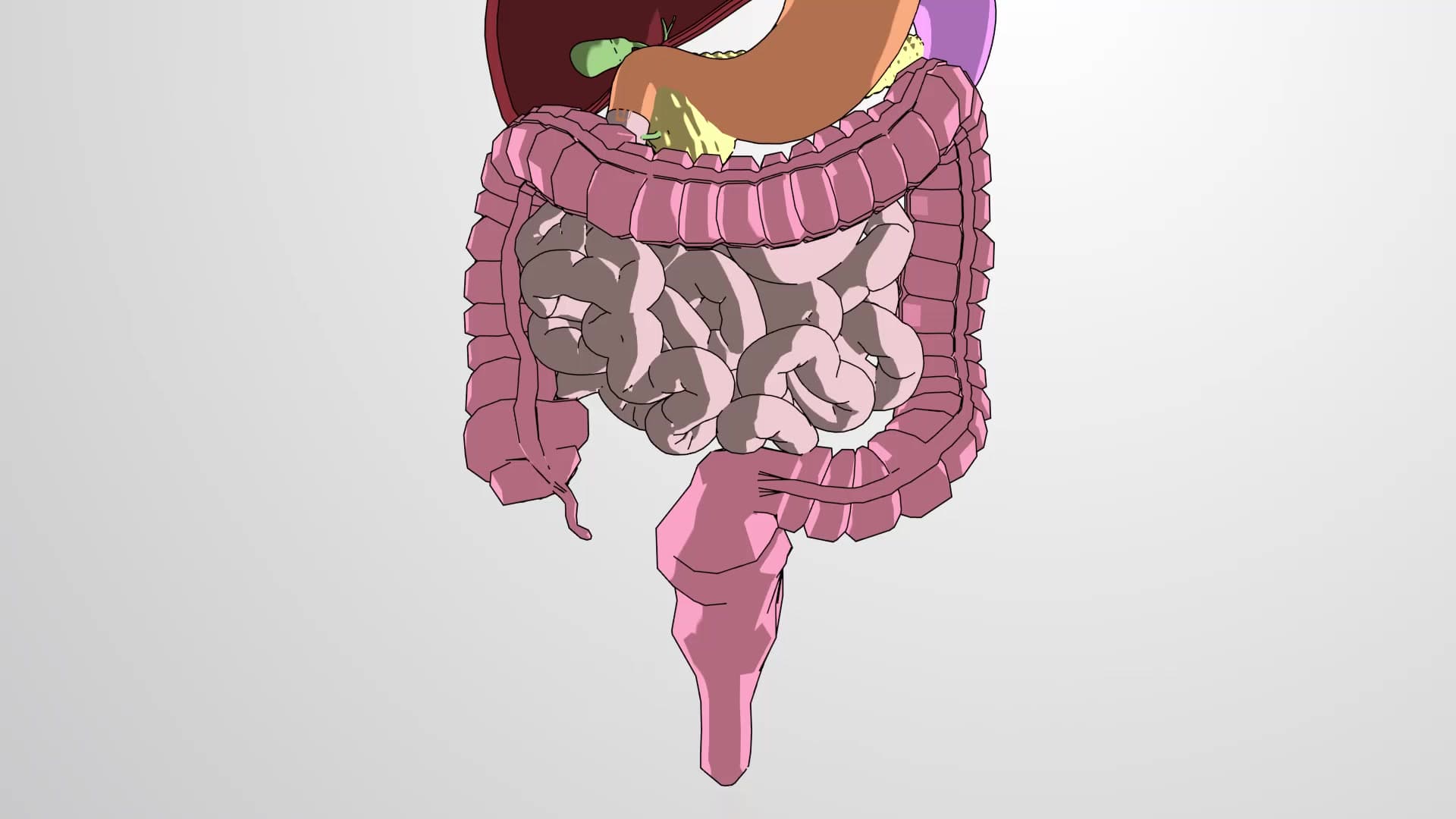
The enteric nervous system represents neural regulation's most autonomous aspect, containing over 500 million neurons-more than the spinal cord. This "second brain" coordinates peristaltic contractions, secretory functions, and blood flow throughout the 30-foot digestive tract without conscious control. ENS dysfunction contributes to conditions like irritable bowel syndrome, making this concept clinically relevant for pre-med students studying for the USMLE.
Neural regulation concepts appear across multiple academic contexts. AP Biology students encounter these mechanisms in homeostasis units, while college anatomy courses explore detailed neuroanatomical pathways. For nursing students preparing for NCLEX examinations, understanding neural regulation helps explain medication effects on digestion and patient care protocols for gastrointestinal disorders.
The neuroendocrine connections established during intestinal phase processing demonstrate neural regulation's complexity. When chyme enters the duodenum, neural activation triggers hormone release, creating feedback loops that optimize digestion timing and efficiency. This integration appears in advanced physiology courses and medical school curricula nationwide.
Related Micro-courses