Loading subject page…

- Biology
- Photosynthesis
- What is Photosynthesis?
Micro-course: Photosynthesis
583,397 views
Learn key concepts and earn your certificate.

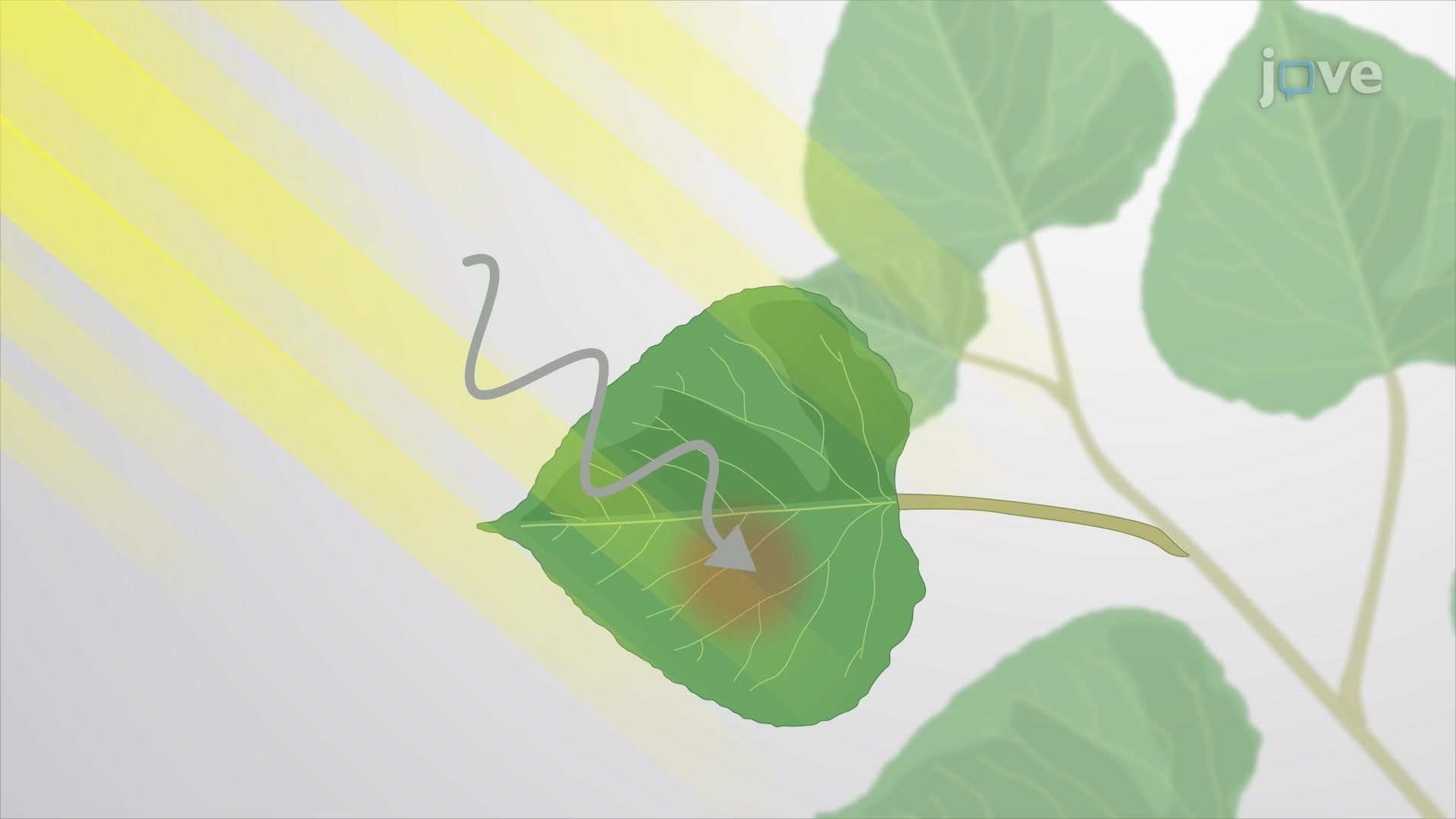

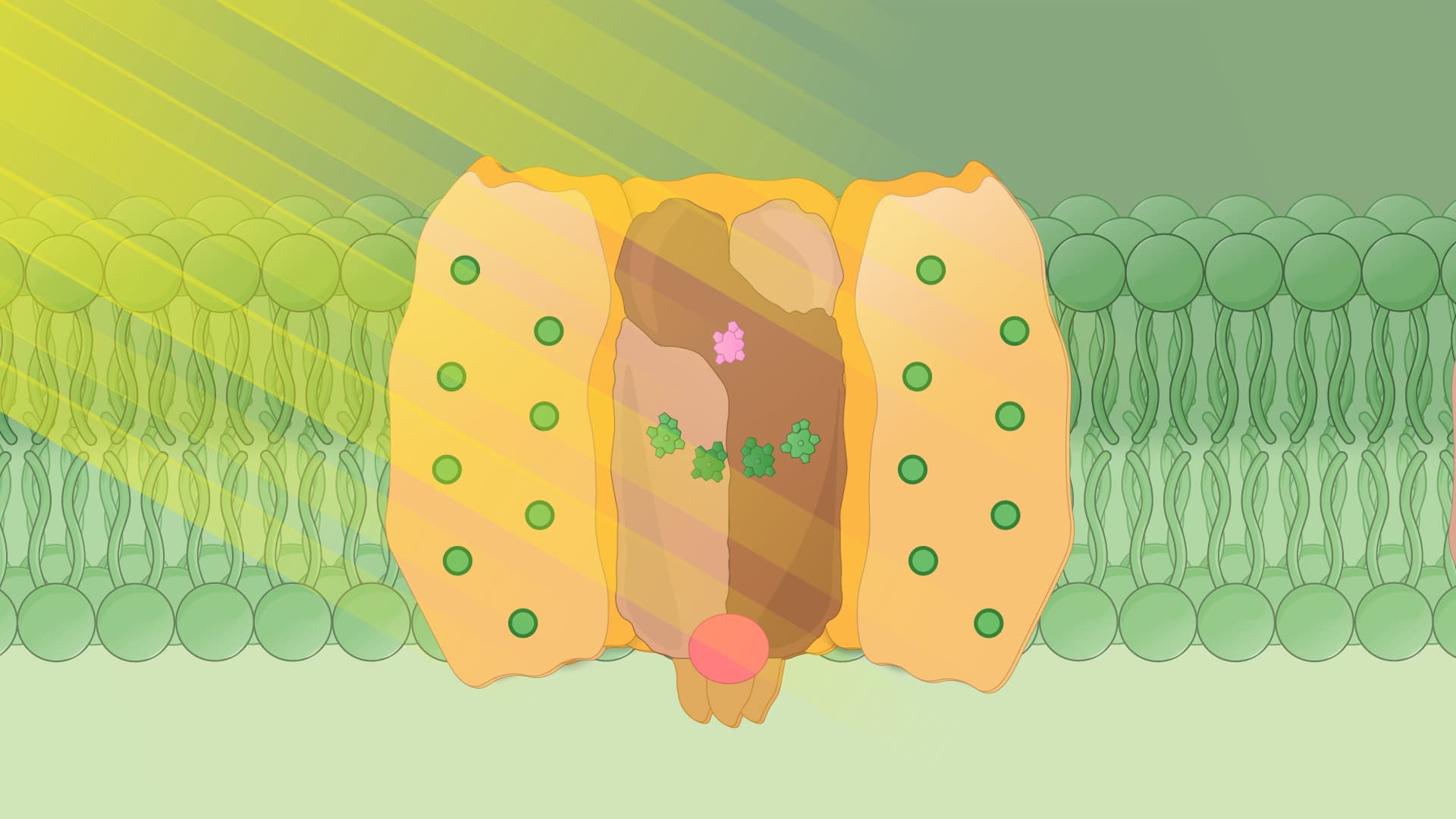
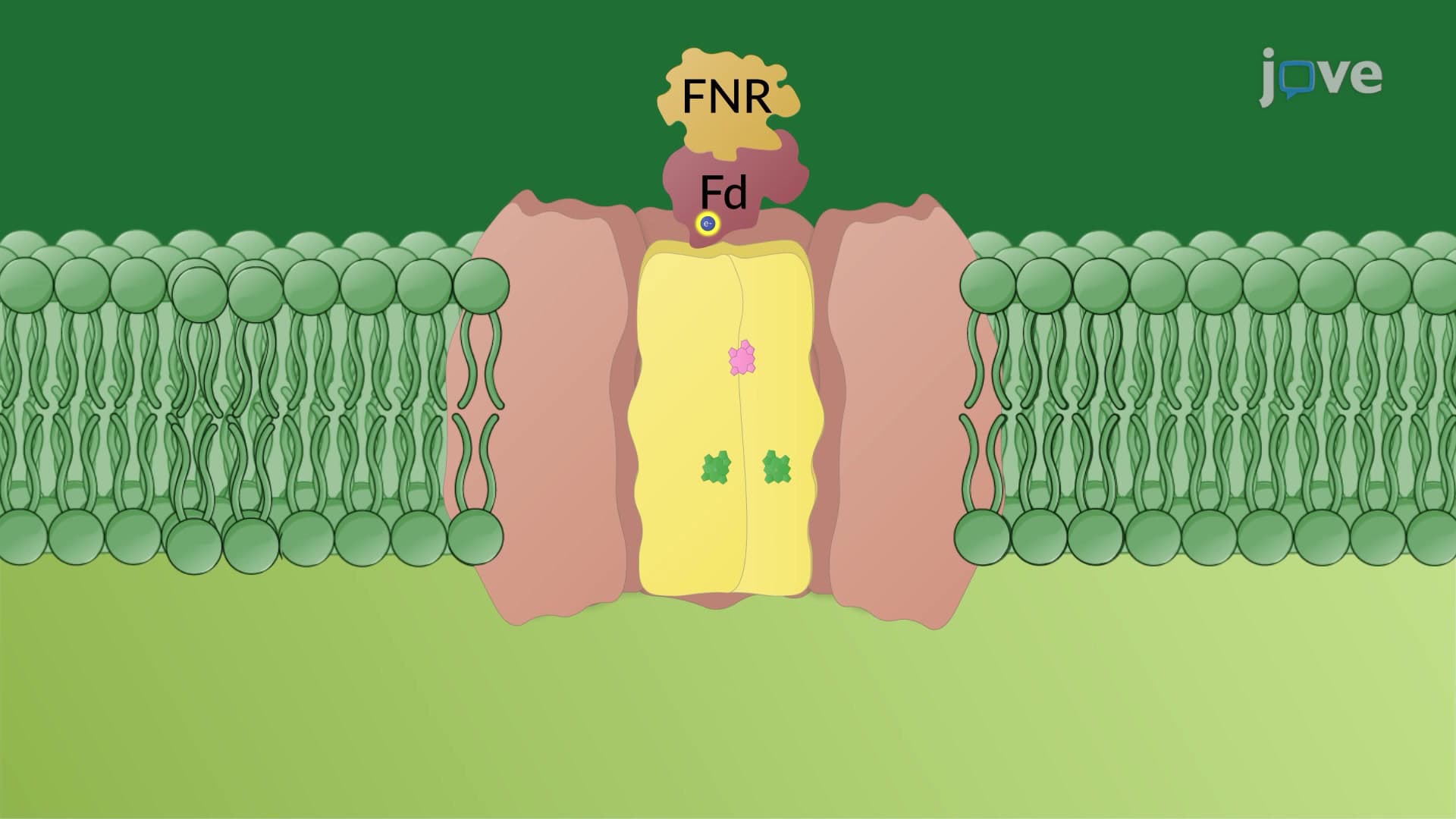
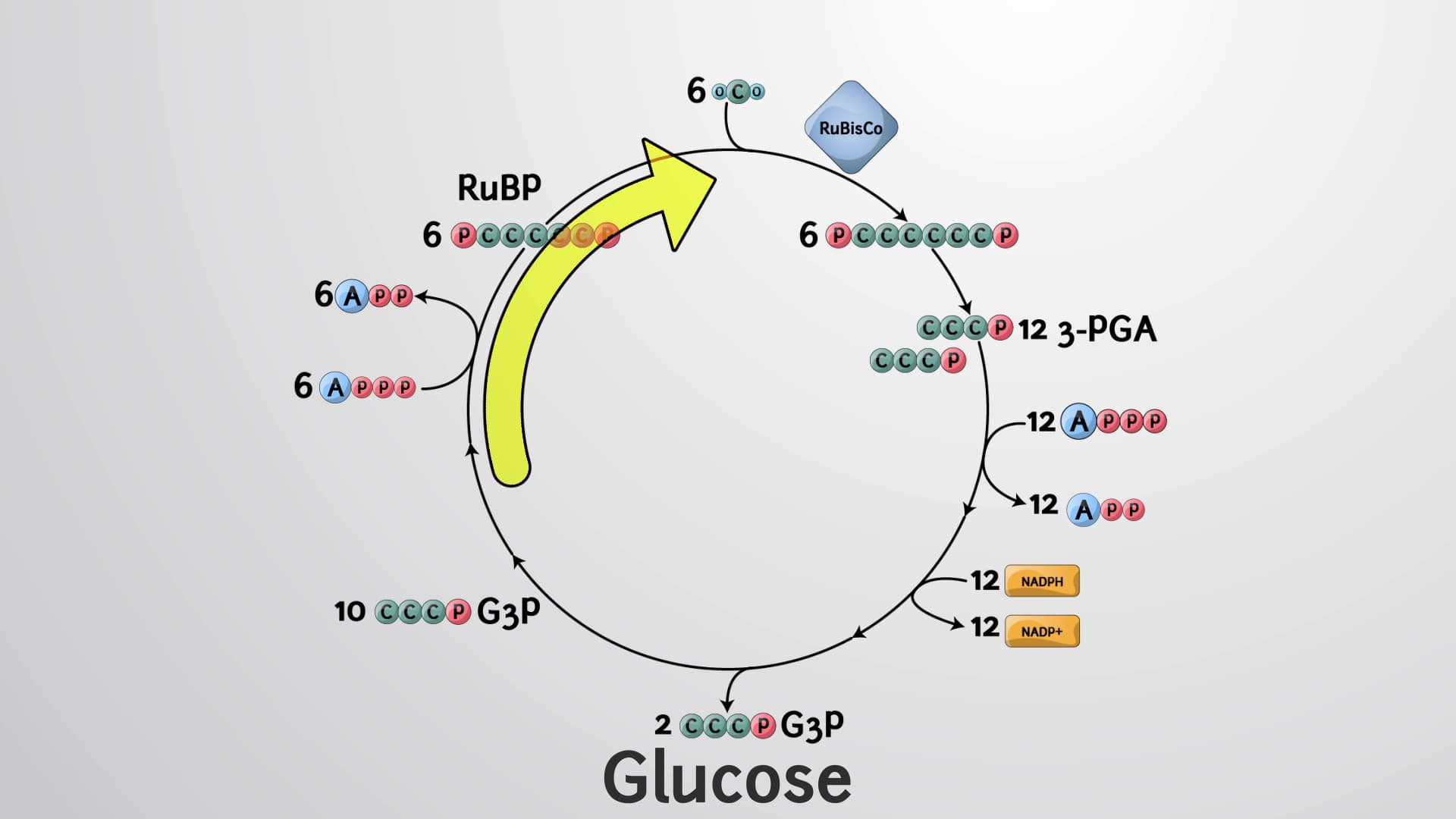
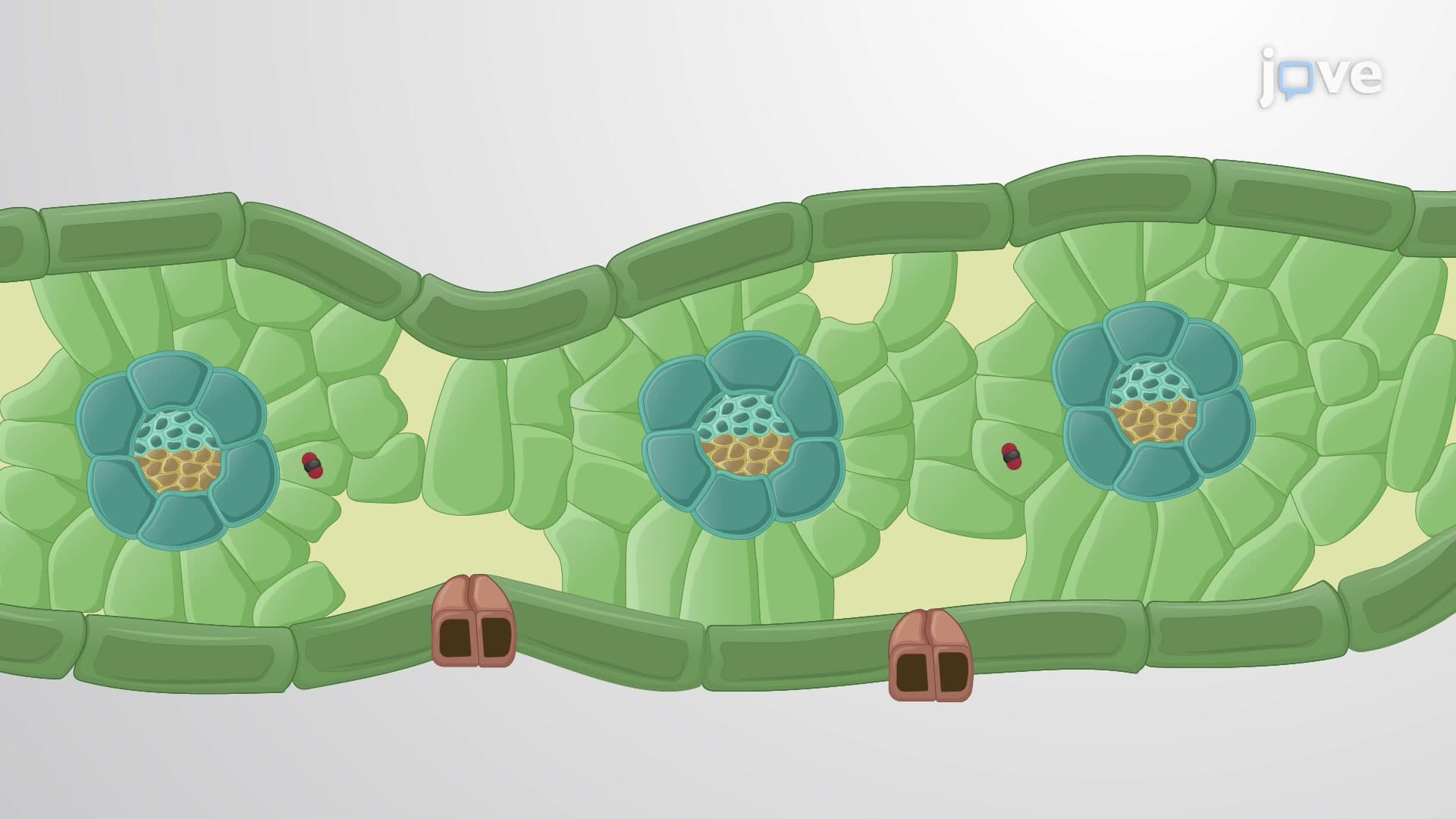
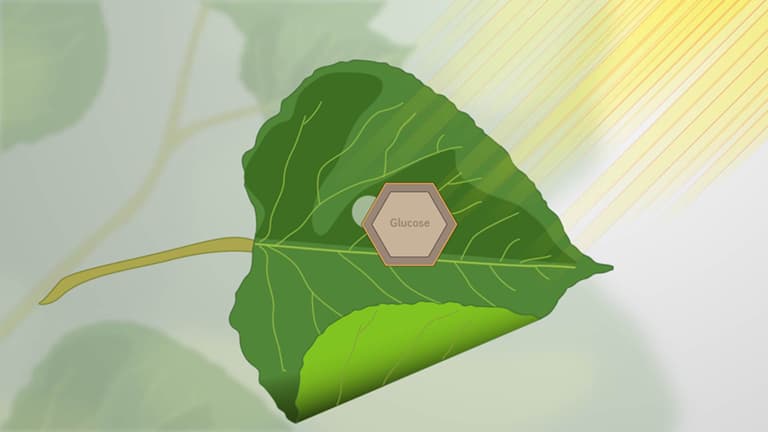
What is Photosynthesis?

00:00
00:39
Video Summary: Photosynthesis Definition
Did you know that photosynthesis produces the oxygen in every breath you take? This fundamental biological process transforms sunlight into the chemical energy that powers life on Earth. Photosynthesis occurs when organisms like the towering redwoods in California's national parks convert carbon dioxide and water into glucose using solar energy. Understanding the photosynthesis definition is essential for grasping how energy flows through ecosystems and sustains all life forms. Watch the full video on JoVE Coach to master this concept with expert-led visuals and step-by-step explanations.
- Understand the photosynthesis definition as the process that converts light energy into chemical energy in living organisms
- Identify the key reactants (carbon dioxide, water, sunlight) and products (glucose, oxygen) involved in photosynthetic reactions
- Analyze the role of chloroplasts and chlorophyll in capturing and converting solar energy into usable chemical compounds
- Compare photosynthesis in different organism types, including land plants, algae, and cyanobacteria
- Evaluate the ecological significance of photosynthesis in oxygen production and carbon dioxide removal from the atmosphere
- Apply knowledge of photosynthetic processes to explain energy flow in food webs and ecosystem dynamics
- Recognize the connection between photosynthesis and cellular respiration as complementary metabolic processes
- Explore how environmental factors like light intensity, temperature, and CO2 concentration affect photosynthetic efficiency
Understanding the Photosynthesis Definition and Process
Photosynthesis represents one of biology's most crucial processes, serving as the foundation for nearly all life on Earth. At its core, photosynthesis converts light energy into chemical energy stored in glucose molecules, simultaneously producing oxygen as a byproduct. This process occurs primarily in the chloroplasts of plant cells, where specialized pigments capture sunlight and initiate a complex series of chemical reactions.
The Chemical Equation and Key Components
The overall photosynthetic reaction can be summarized as: 6CO2 + 6H2O + light energy → C6H12O6 + 6O2. This deceptively simple equation represents two distinct phases: the light-dependent reactions (occurring in thylakoids) and the light-independent reactions or Calvin cycle (occurring in the stroma). Chlorophyll, the green pigment responsible for light absorption, plays a central role by capturing photons and converting them into chemical energy in the form of ATP and NADPH.
Ecological and Environmental Significance
Photosynthesis maintains atmospheric balance by removing approximately 120 billion tons of carbon dioxide annually while producing the oxygen essential for aerobic life. In the United States, forests like those in the Pacific Northwest contribute significantly to this global process, with a single mature oak tree producing enough oxygen to support two people for one year. This process also forms the base of food webs, as primary producers convert inorganic compounds into organic matter that feeds all other trophic levels.
Academic and Exam Applications
Students preparing for AP Biology, SAT Subject Tests, or college-level biology courses must understand photosynthesis as both a biochemical process and an ecological phenomenon. Common exam questions focus on the relationship between photosynthesis and cellular respiration, the factors affecting photosynthetic rate, and the evolutionary significance of oxygenic photosynthesis. Medical school entrance exams like the MCAT often test understanding of energy transformations and metabolic pathways, making photosynthesis a fundamental concept for pre-med students.
Frequently Asked Questions
Photosynthesis is the process by which plants and other organisms convert sunlight, carbon dioxide, and water into glucose and oxygen. Think of it as nature's solar power system that transforms light energy into chemical energy stored in sugar molecules. This process occurs in specialized cell structures called chloroplasts and provides the foundation for most life on Earth.
AP Biology frequently tests photosynthesis through multiple-choice questions about reactants and products, free-response questions analyzing experimental data, and essays comparing photosynthesis with cellular respiration. Students should understand the light and dark reactions, factors affecting photosynthetic rate, and the ecological role of primary producers. Practice with College Board's released exams helps identify common question patterns and scoring expectations.
The MCAT tests photosynthesis within broader biochemistry and biology contexts, focusing on energy transformations, metabolic pathways, and cellular processes. Key concepts include ATP synthesis, electron transport chains, and the relationship between photosynthesis and respiration. Understanding these processes helps with passages involving plant biology, environmental science, and bioenergetics questions in the Biological and Biochemical Foundations section.
American farmers optimize photosynthesis through crop selection, irrigation timing, and CO2 supplementation in greenhouses. Corn plants in Iowa use C4 photosynthesis for enhanced efficiency in hot climates, while greenhouse tomato growers in California increase CO2 levels to boost photosynthetic rates. Understanding these applications helps explain how food production depends on maximizing light capture and carbon fixation.
Photosynthesis builds on basic chemistry concepts like chemical equations and energy transformations that most students learn in earlier grades. While the molecular details can seem complex, focusing on the overall process (inputs, outputs, and purpose) provides a solid foundation. Students with strong chemistry backgrounds often find the biochemical aspects more intuitive, but visual aids and real-world examples make the concept accessible to all learners.
Create concept maps linking photosynthesis to cellular respiration, practice drawing and labeling chloroplast structures, and work through numerical problems involving limiting factors. Use flashcards for key terms and chemical equations, but focus on understanding rather than memorization. Form study groups to explain the process aloud, as teaching others reinforces your own comprehension and identifies knowledge gaps.
Photosynthesis and cellular respiration are complementary processes that cycle carbon and oxygen through ecosystems. Photosynthesis produces glucose and oxygen that cellular respiration consumes, while respiration produces carbon dioxide and water that photosynthesis uses. This relationship maintains atmospheric balance and demonstrates how energy flows through biological systems, making both processes essential for understanding metabolism and ecology.
Explore advanced topics like C3, C4, and CAM photosynthetic pathways that represent plant adaptations to different environments. Investigate photosynthetic efficiency in biofuel research, the evolution of photosynthesis in cyanobacteria, and the role of photosynthesis in climate change mitigation. These topics connect to current research and environmental issues while deepening your understanding of plant biology and biochemistry.
Related Micro-courses