Loading subject page…


583,403 views

Video Summary: What Is C4 Pathway and Cam
Ever wonder why corn thrives in scorching Nebraska summers while regular plants wilt? The C4 pathway and CAM represent nature's brilliant solutions to photosynthesis in extreme heat. These specialized carbon fixation mechanisms allow plants like corn (C4) and desert cacti (CAM) to maximize efficiency while minimizing water loss. What is C4 pathway and CAM becomes clear when examining how these plants spatially and temporally separate carbon dioxide capture from the Calvin cycle. Watch the full video on JoVE Coach to master this concept with expert-led visuals and step-by-step explanations.
What is C4 pathway and CAM represents two of nature's most elegant solutions to photosynthetic challenges in hot, dry climates. Both pathways evolved independently as alternatives to standard C3 photosynthesis, addressing the fundamental problem of water loss through stomatal opening during carbon dioxide uptake.
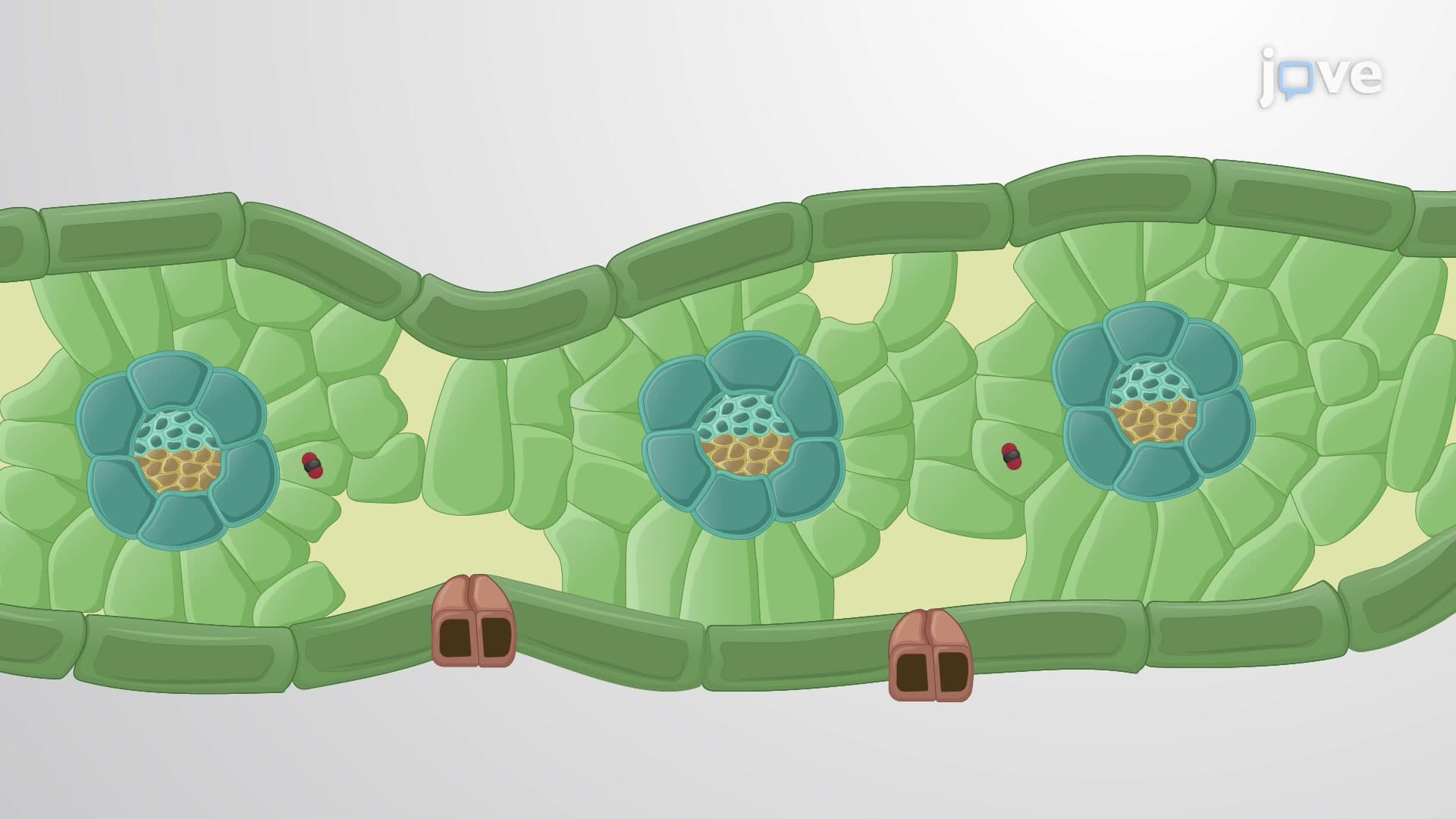
The C4 pathway and CAM definition explained begins with understanding spatial compartmentalization in C4 plants. Unlike C3 plants that perform all photosynthetic reactions in mesophyll cells, C4 plants use a two-cell system. In mesophyll cells, PEP carboxylase-an enzyme with extremely high affinity for CO2-captures carbon dioxide and combines it with phosphoenolpyruvate (PEP) to form oxaloacetate, a four-carbon compound giving C4 its name.
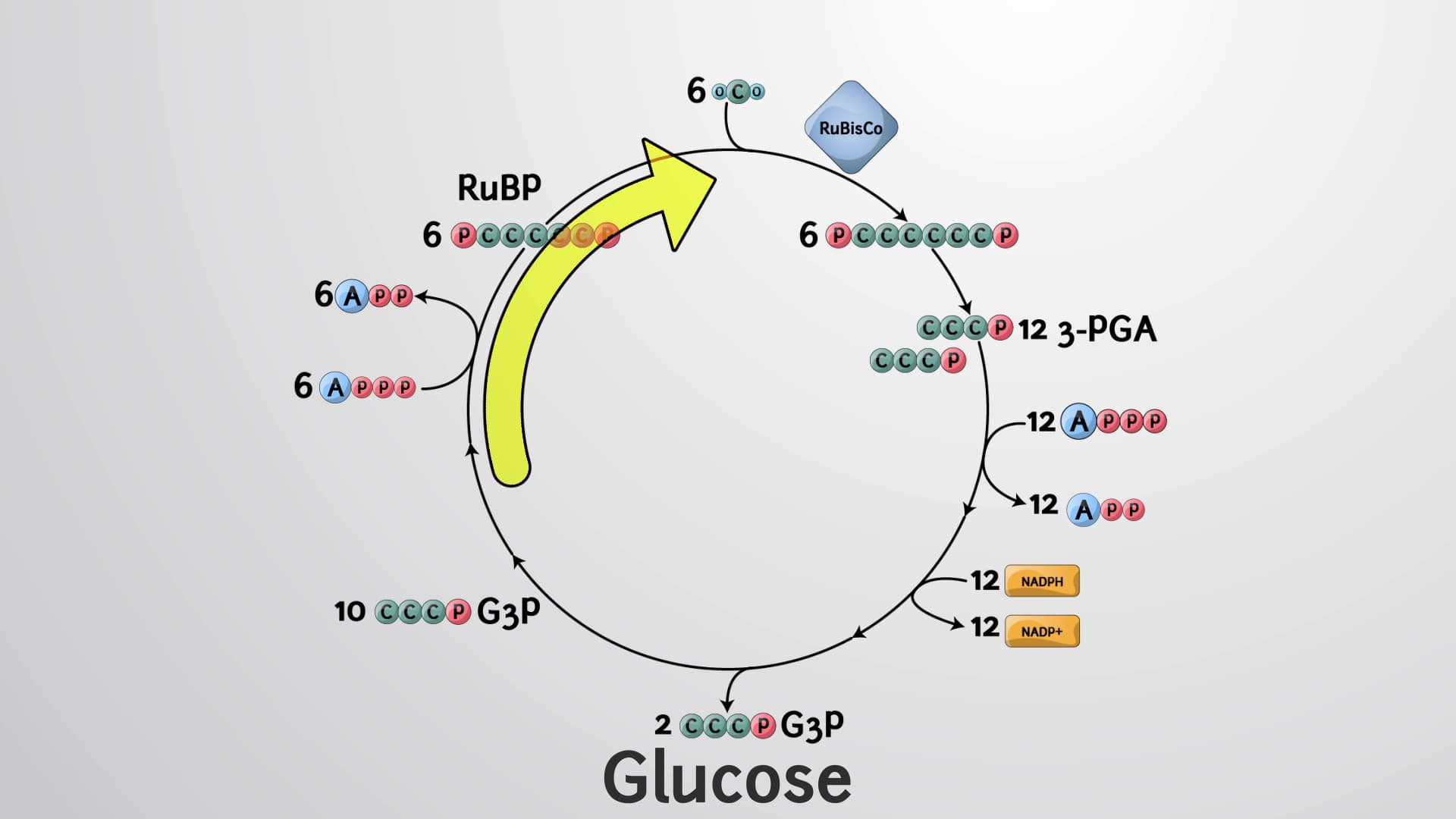
This C4 pathway overview continues as oxaloacetate converts to malate or aspartate, which travels to bundle sheath cells surrounding leaf veins. Here, these four-carbon acids release concentrated CO2 directly to RuBisCO for Calvin cycle reactions. This spatial separation creates a CO2-concentrating mechanism that virtually eliminates photorespiration-the wasteful process plaguing C3 plants in hot conditions.
Major C4 crops dominating American agriculture include corn (contributing $50+ billion annually to US economy), sorghum, and sugarcane. These plants maintain higher photosynthetic efficiency at temperatures above 77°F (25°C), explaining corn's dominance across the Midwest Corn Belt.
C4 pathway and CAM concept explained differs dramatically for CAM (Crassulacean Acid Metabolism) plants, which separate carbon fixation and the Calvin cycle temporally rather than spatially. CAM plants open stomata exclusively at night when temperatures drop and humidity rises, minimizing water loss through transpiration.
During nighttime, PEP carboxylase fixes CO2 into malate, stored in large vacuoles until sunrise. Daytime brings stomatal closure and malate breakdown, releasing CO2 internally for Calvin cycle reactions concurrent with light-dependent reactions. This C4 pathway and cam study guide principle allows desert plants like prickly pear cacti and agave to survive in environments receiving less than 10 inches of annual rainfall.
For AP Biology and college botany courses, understanding these pathways requires mastering enzyme functions, cellular locations, and temporal sequences. MCAT questions frequently test C4/CAM pathway comparisons, particularly regarding water use efficiency and geographic distributions. Focus on memorizing that C4 uses spatial separation while CAM employs temporal separation-this distinction appears consistently across standardized assessments.
Related Micro-courses