Loading subject page…


583,403 views

Video Summary: What Is Light as Energy
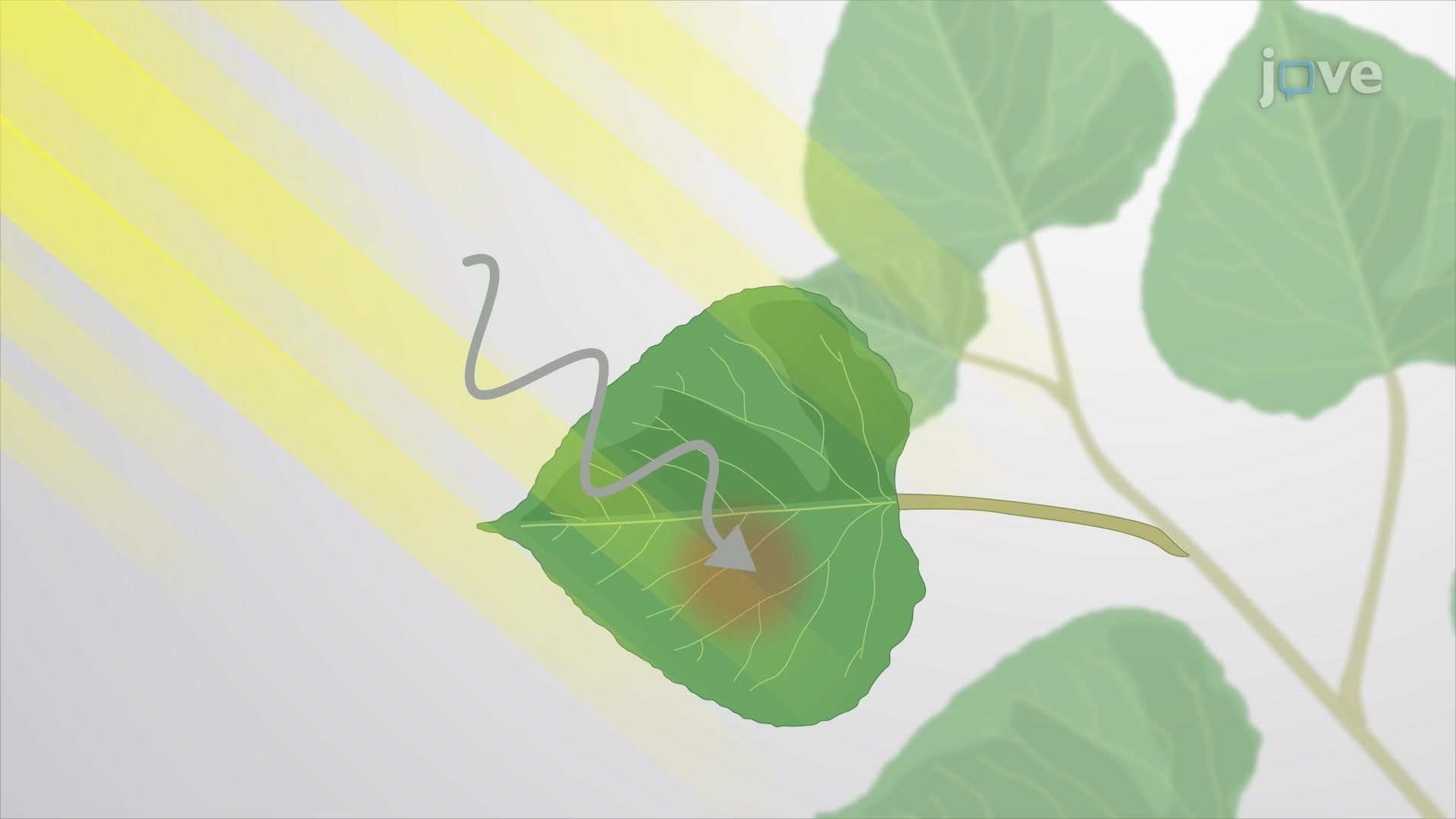
Why do solar panels in California generate electricity while your black t-shirt just gets hot in the sun? The answer lies in understanding light as energy and how different materials interact with electromagnetic radiation. Light carries energy in discrete packets called photons, with shorter wavelengths packing more punch than longer ones. This fundamental concept explains everything from why NASA's solar arrays power the International Space Station to how plants convert sunlight into the glucose that feeds Earth's food webs. Watch the full video on JoVE Coach to master this concept with expert-led visuals and step-by-step explanations.
Light as energy represents one of the most fundamental concepts in physics and biology, bridging the gap between electromagnetic theory and life processes. Light exhibits dual nature-behaving both as electromagnetic waves and as discrete energy packets called photons. This wave-particle duality, first explained by scientists like Max Planck and Albert Einstein, forms the foundation for understanding how energy transfers through space and interacts with matter.
The energy carried by light follows a precise mathematical relationship: energy is inversely proportional to wavelength. This means gamma rays, with wavelengths measured in picometers, pack enormous energy, while radio waves spanning kilometers carry relatively little energy per photon. For students preparing for the AP Physics exam or college-level physical science courses, mastering this inverse relationship proves crucial for solving energy calculation problems.
The electromagnetic spectrum spans an incredible range, from high-energy gamma radiation used in medical imaging at hospitals like Johns Hopkins to low-energy radio waves broadcasting from stations across America. However, only a tiny slice-visible light from approximately 380 to 750 nanometers-directly supports life on Earth.
This visible spectrum contains the precise energy levels needed for photosynthesis, the process that converts light energy into chemical energy. NASA's research on plant growth aboard the International Space Station has demonstrated how different wavelengths affect plant development, with red and blue light proving most efficient for photosynthetic processes.
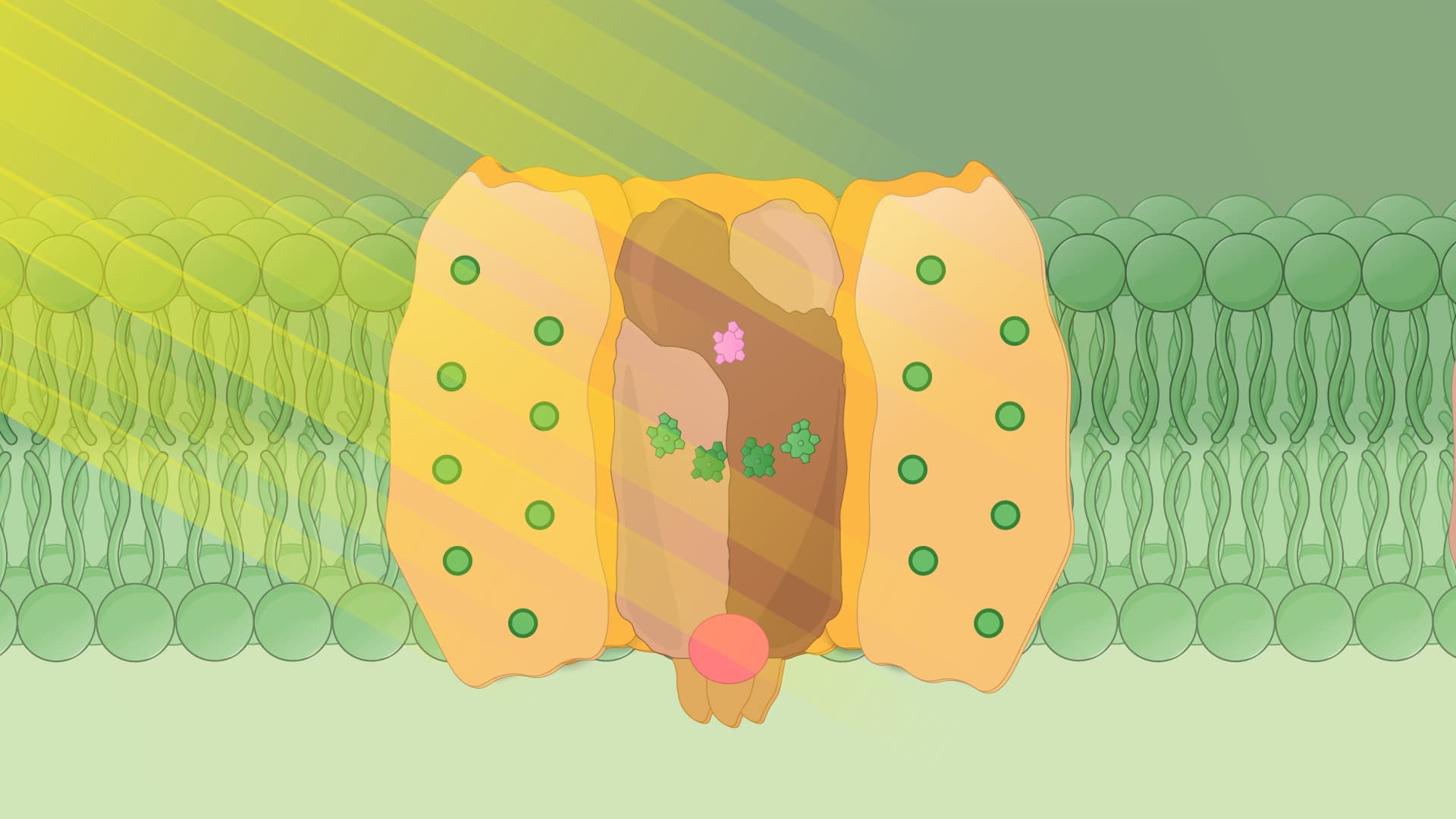
In photosynthetic organisms, specialized pigments like chlorophyll a act as molecular antennas, capturing specific wavelengths of light energy. Chlorophyll a primarily absorbs red (around 660-665 nm) and blue (around 430-435 nm) wavelengths while reflecting green light, explaining why forests across the United States appear predominantly green.
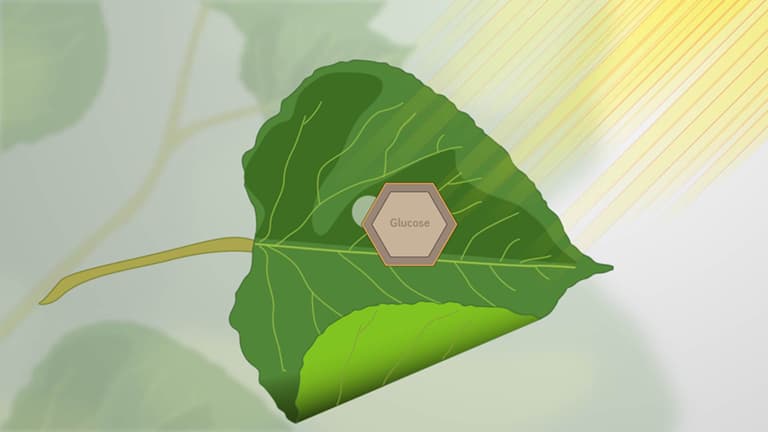
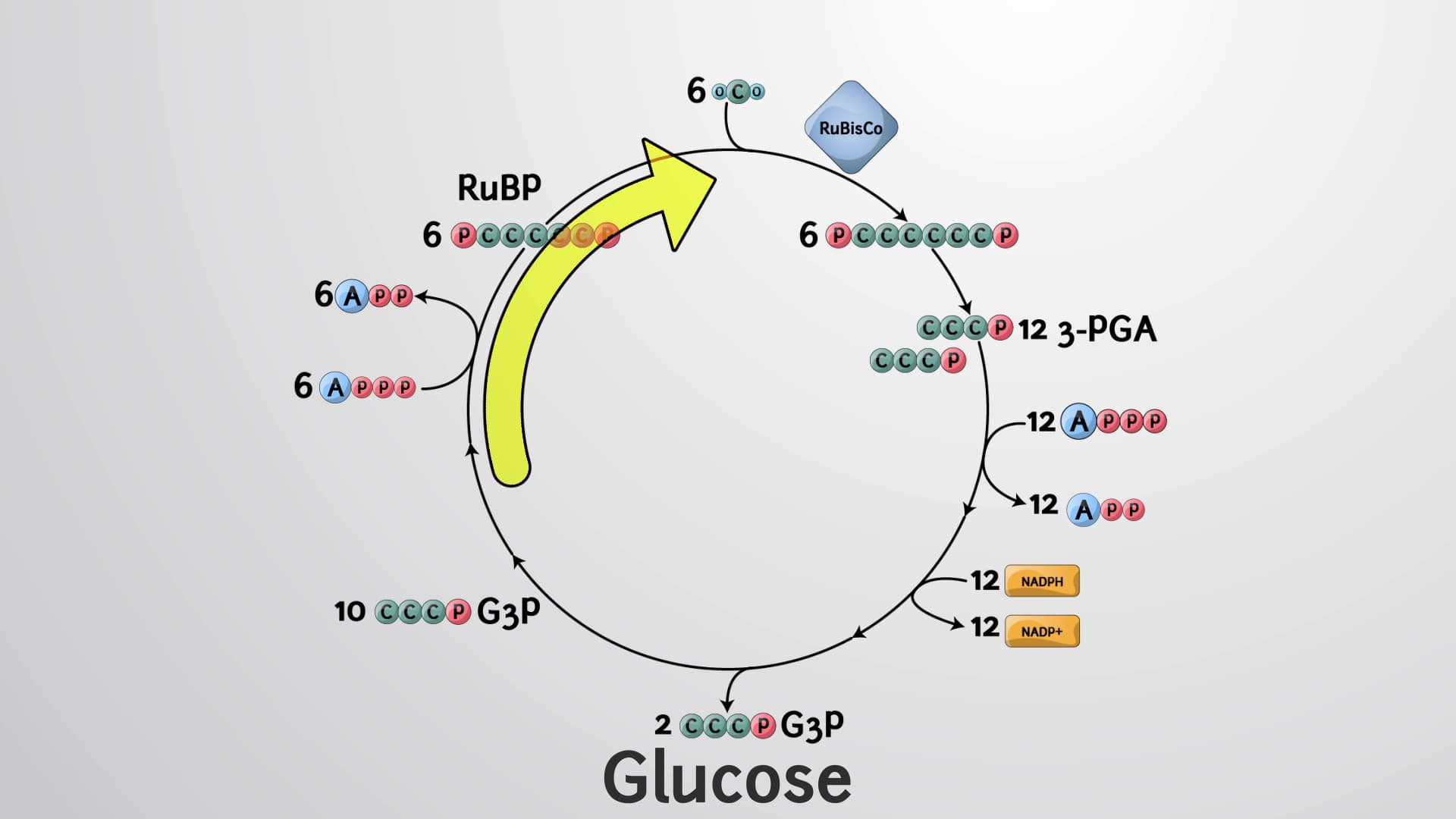
This selective absorption represents an elegant evolutionary solution to energy harvesting. The absorbed light energy drives the conversion of carbon dioxide and water into glucose, storing solar energy in chemical bonds. This process not only sustains plant life but also forms the foundation of virtually all food webs, from California redwood forests to Florida Everglades ecosystems.
Understanding these energy transformations proves essential for students tackling MCAT biology sections or college biochemistry courses, where photosynthesis mechanisms frequently appear in exam questions.
Related Micro-courses