Loading subject page…


583,403 views

Video Summary: What Is Photosystem I
Did you know that every oxygen molecule you breathe was once trapped inside a water molecule by photosystem reactions? Photosystem I serves as nature's ultimate energy converter, capturing sunlight and transforming it into the chemical energy that powers nearly all life on Earth. From the towering redwoods in California's national parks to the corn crops feeding America, photosystem I drives the biochemical machinery that sustains our planet's ecosystems. Watch the full video on JoVE Coach to master this concept with expert-led visuals and step-by-step explanations.
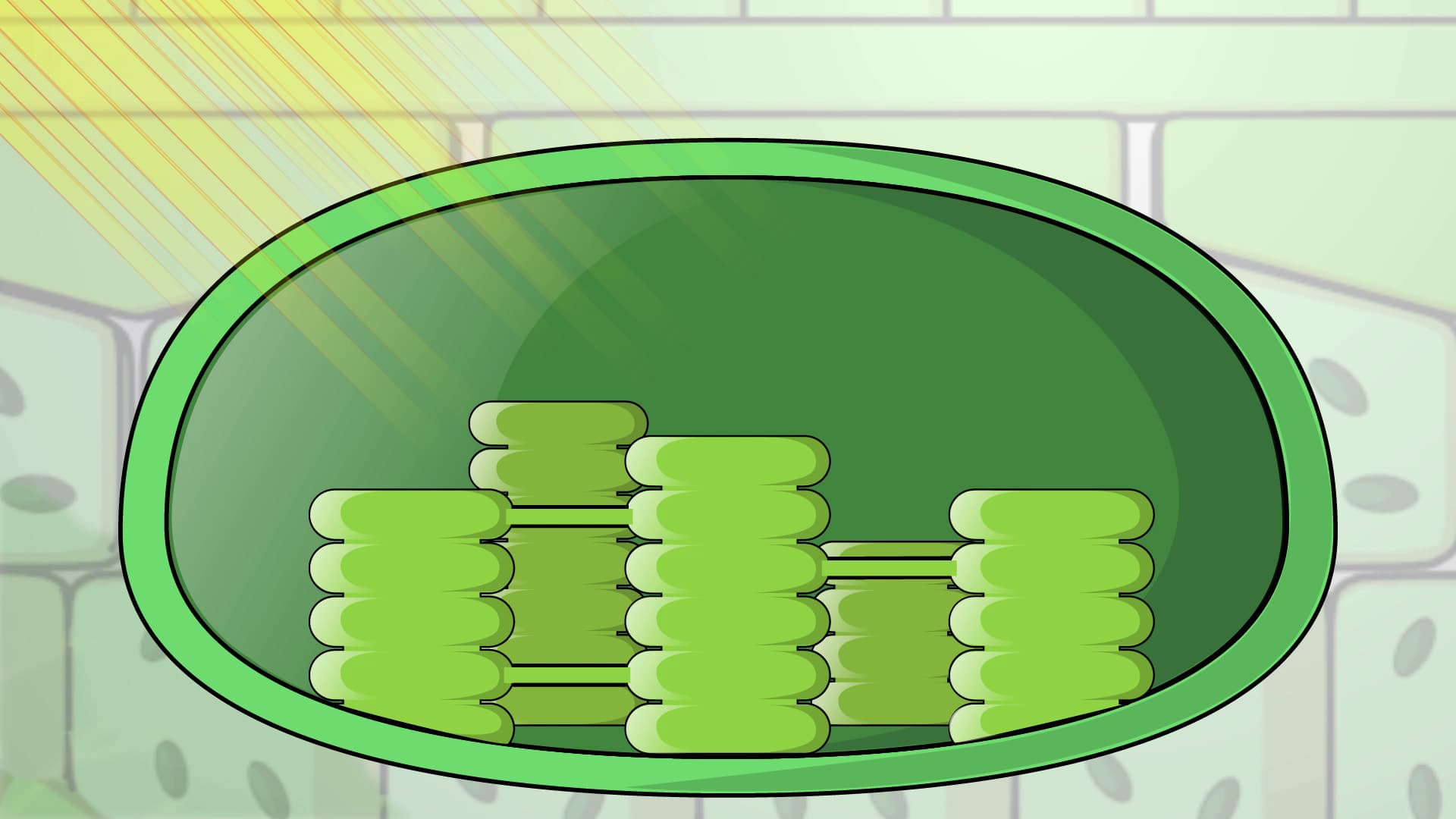
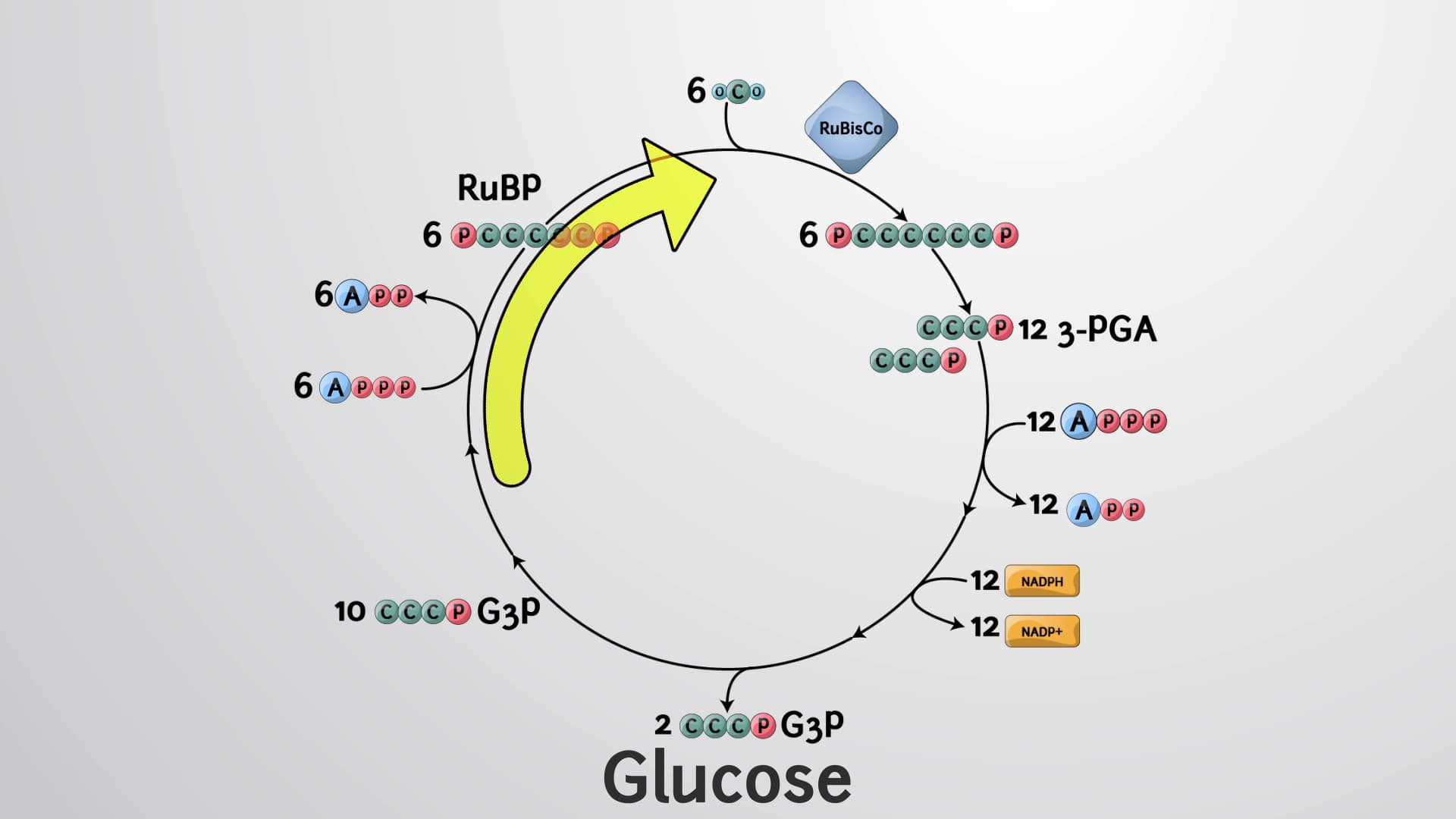
Photosystem I represents one of nature's most sophisticated molecular machines, functioning as the terminal electron acceptor in the light-dependent reactions of photosynthesis. Unlike its counterpart Photosystem II, which initiates the photosynthetic process by splitting water molecules, Photosystem I specializes in producing NADPH-the reducing power essential for carbon fixation in the Calvin cycle. This photosystem operates at the heart of chloroplasts within plant cells, from the smallest algae to massive oak trees dotting American landscapes.
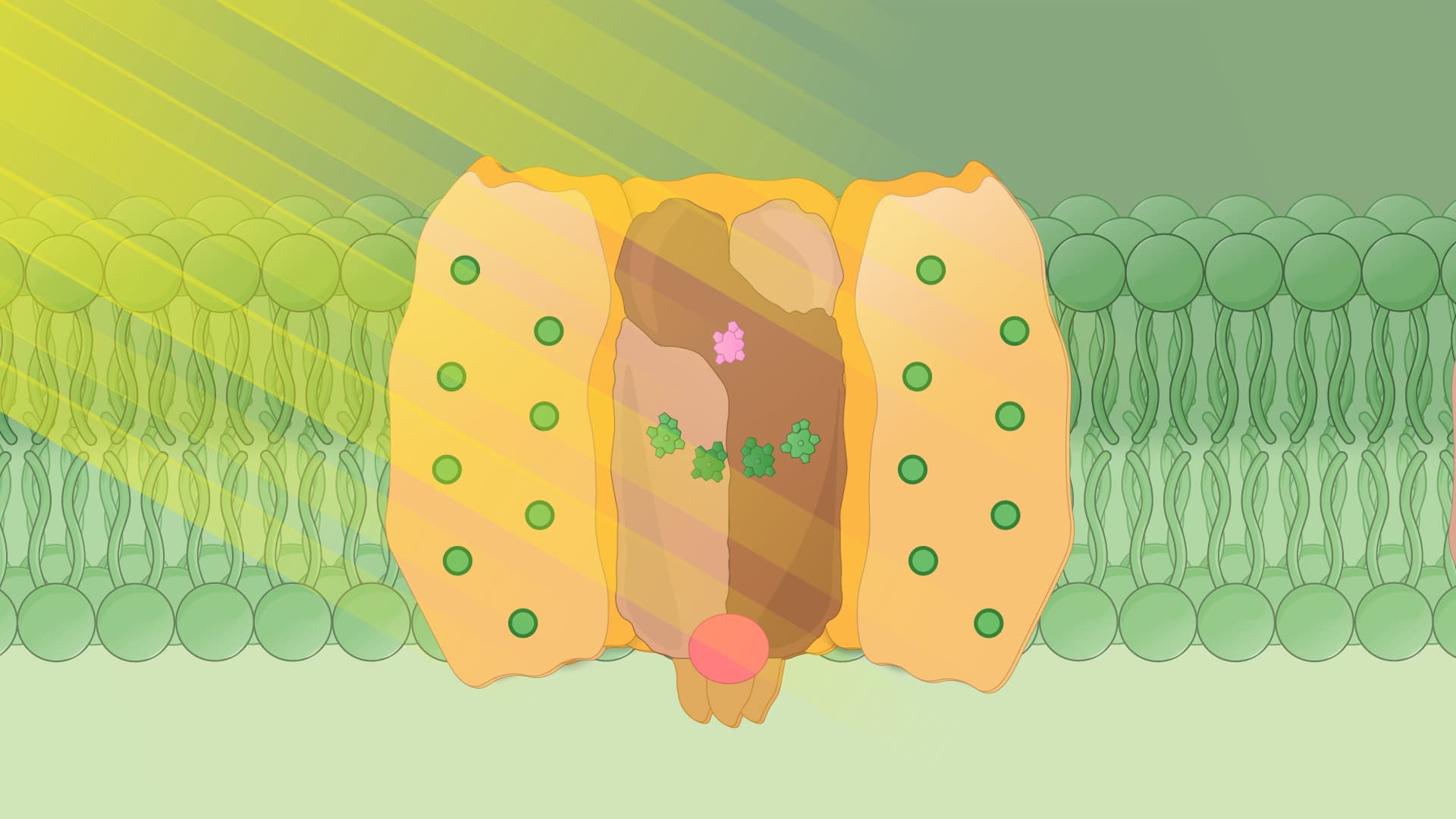
The architecture of Photosystem I centers around its P700 reaction center, named for its peak light absorption at 700 nanometers in the far-red spectrum. This reaction center consists of specialized chlorophyll molecules that become photooxidized when struck by photons. Surrounding this core lies the light-harvesting complex, an antenna system containing hundreds of chlorophyll and accessory pigment molecules that funnel absorbed light energy toward the reaction center. This design maximizes light capture efficiency, explaining why plants can photosynthesize even under filtered sunlight in forest understories across the United States.
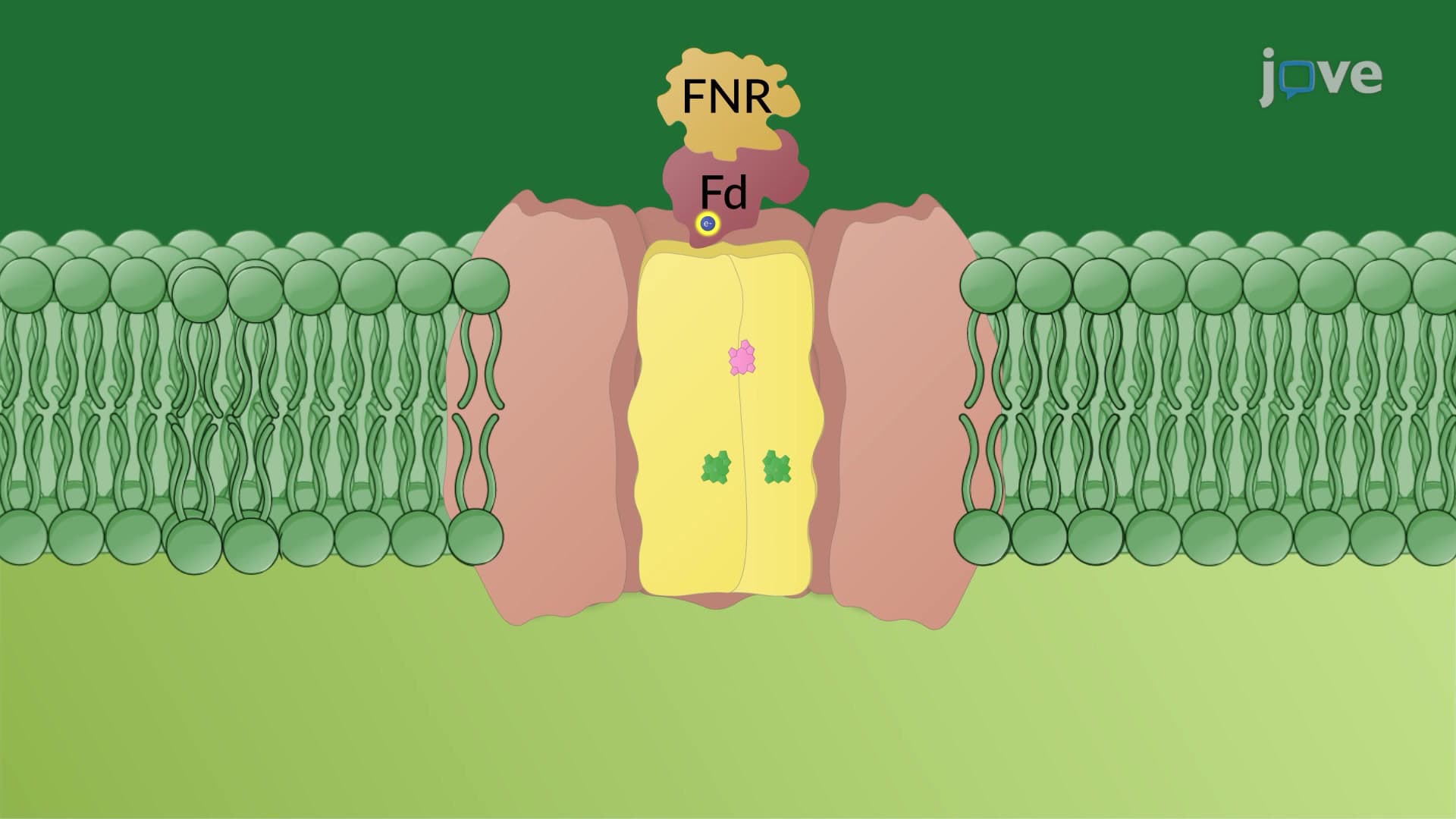
Photosystem I operates as part of an intricate electron transport chain spanning the thylakoid membrane. Electrons arrive from Photosystem II through a carefully orchestrated relay system involving plastoquinone (a mobile quinone carrier), the cytochrome b6f complex (analogous to Complex III in cellular respiration), and plastocyanin (a copper-containing protein). When plastocyanin delivers electrons to the oxidized P700 center, subsequent light absorption excites these electrons to higher energy levels. The energized electrons then transfer to ferredoxin, an iron-sulfur protein unique to Photosystem I, before reaching ferredoxin-NADP+ reductase, the enzyme responsible for NADPH synthesis.
The electron flow through Photosystem I contributes to ATP production via chemiosmosis, a process crucial for understanding cellular energetics tested extensively on AP Biology and college biochemistry exams. As electrons move through the cytochrome b6f complex, protons pump from the chloroplast stroma into the thylakoid lumen, establishing an electrochemical gradient. ATP synthase channels harness this proton-motive force to phosphorylate ADP, generating the ATP molecules required for carbon fixation reactions. This coupling mechanism exemplifies how plants convert solar energy into chemical bonds, a principle fundamental to agricultural productivity in American farming systems from California vineyards to Midwest corn belts.
Related Micro-courses