Loading subject page…


583,409 views

Video Summary: What Is Photosystem Ii
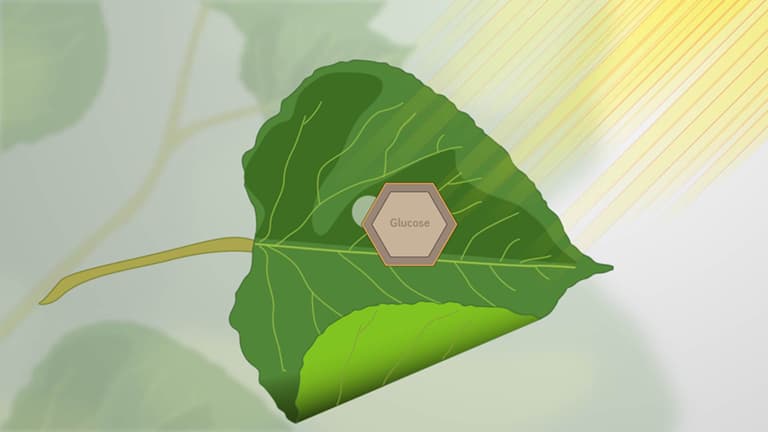
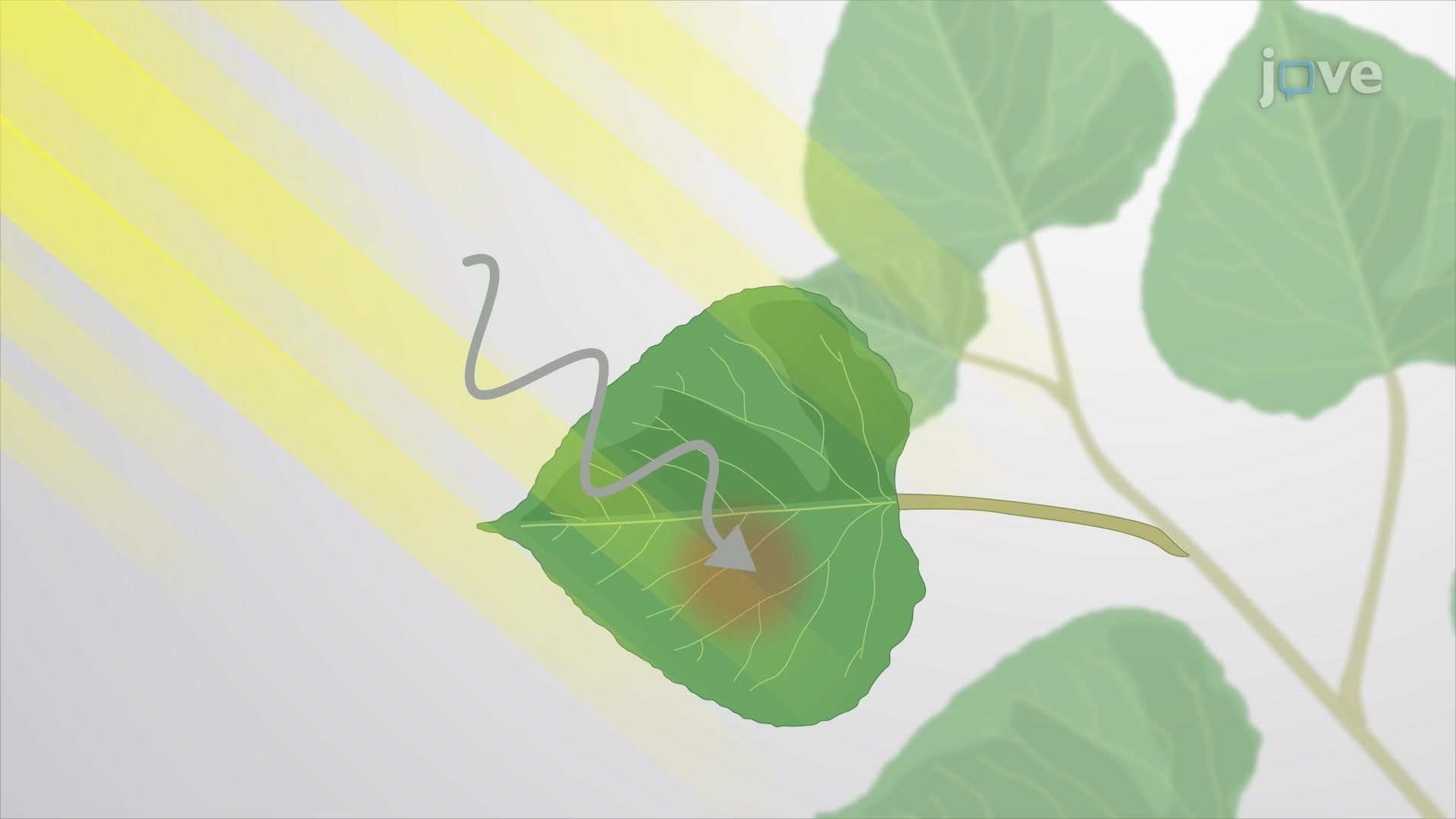
Ever wonder how the oxygen you breathe right now was made? The photosystem complexes in plants are literally manufacturing the oxygen that keeps all life on Earth alive. What is Photosystem II? It's the molecular machine that splits water molecules and releases oxygen gas-the same process happening in millions of trees across American forests from Yellowstone to the Everglades. This crucial first step in photosynthesis captures light energy and begins the electron transport chain that ultimately produces the glucose and oxygen all organisms depend on. Watch the full video on JoVE Coach to master this concept with expert-led visuals and step-by-step explanations.
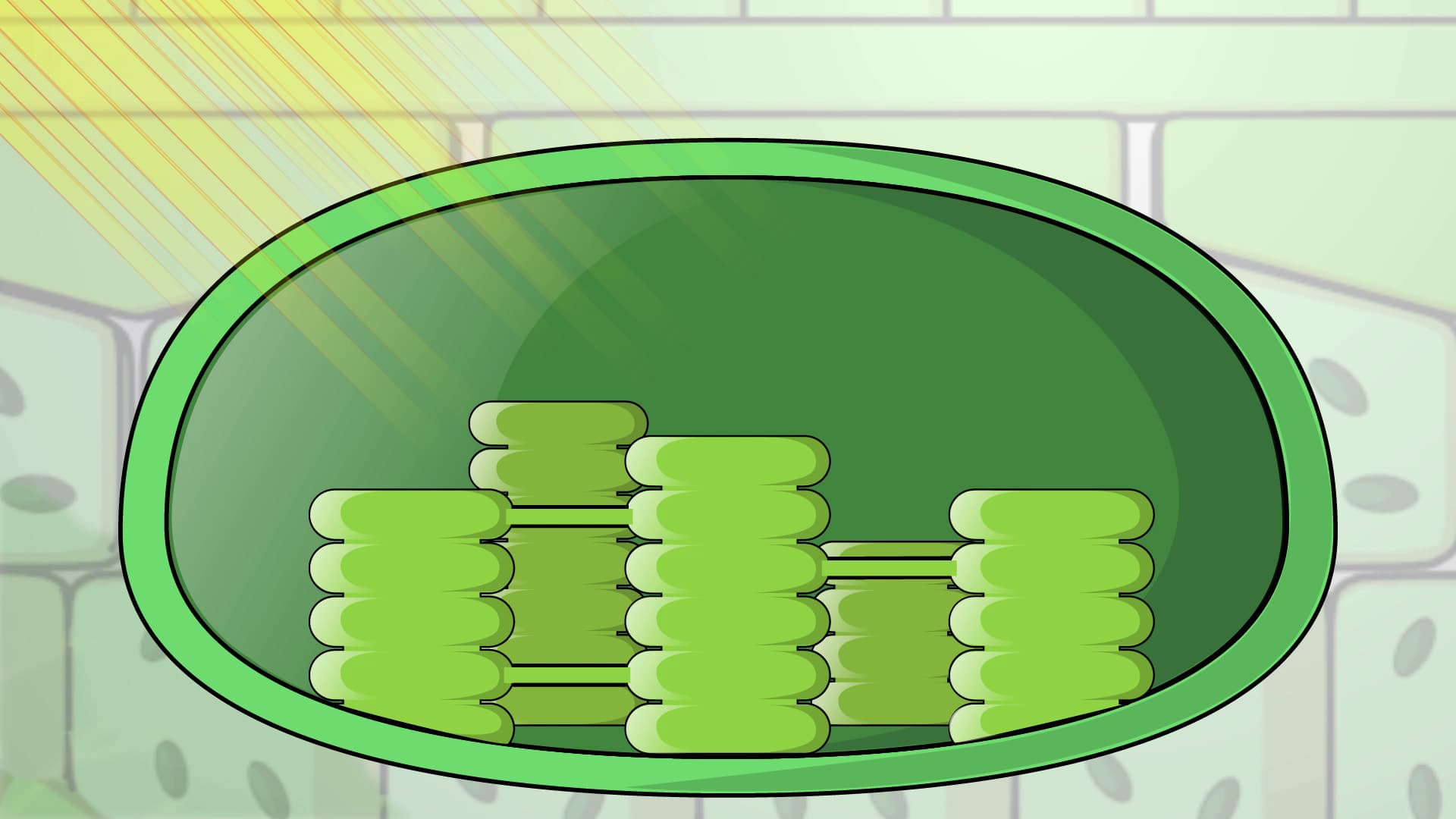
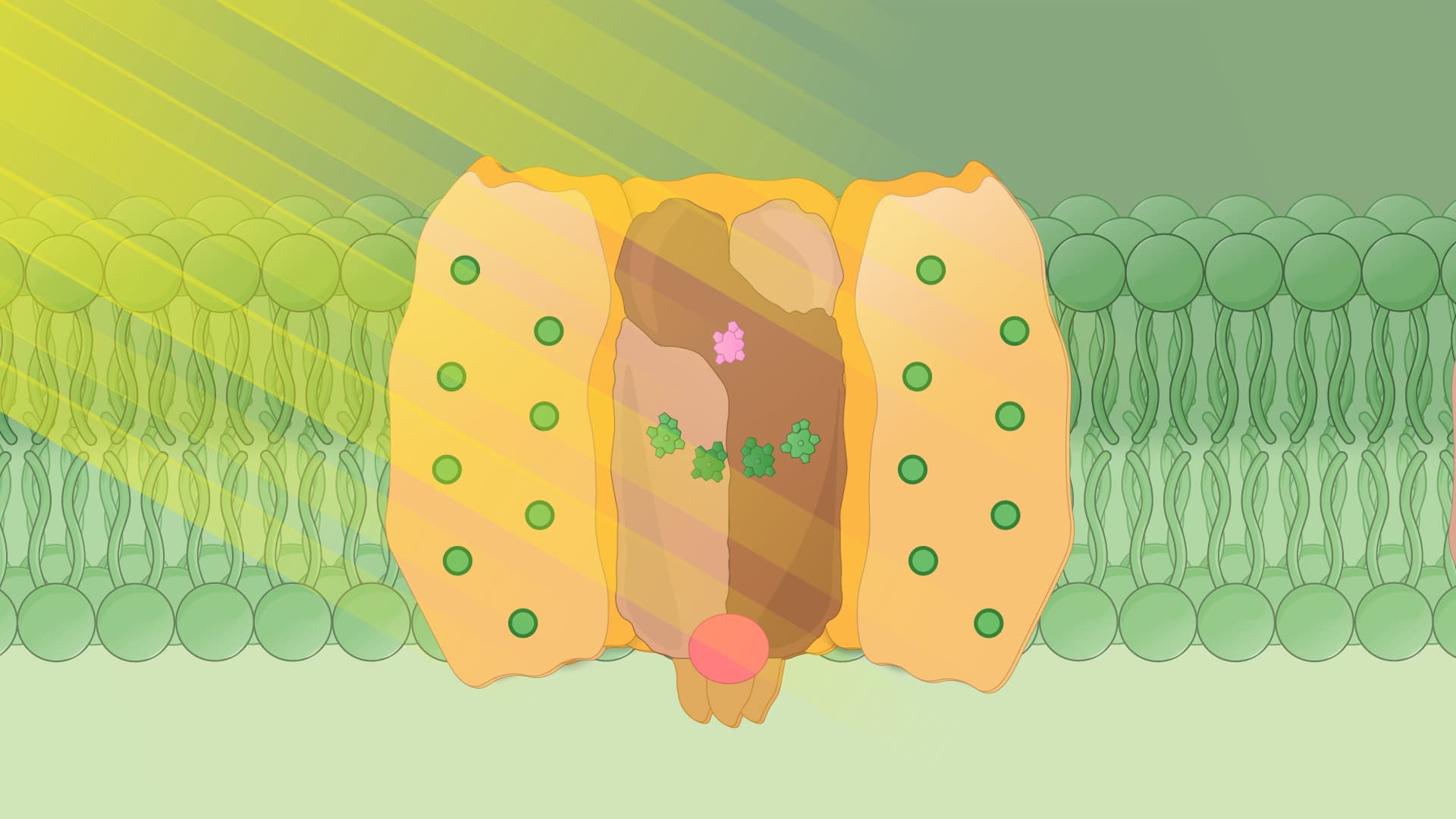
What is Photosystem II (PSII)? It's a massive protein complex embedded in the thylakoid membranes of chloroplasts that serves as the starting point for oxygenic photosynthesis. Unlike Photosystem I, PSII has the unique ability to extract electrons from water molecules, making it responsible for virtually all the oxygen in Earth's atmosphere. This photosystem definition encompasses not just its structure, but its critical role as a biological solar panel that converts light energy into chemical energy.
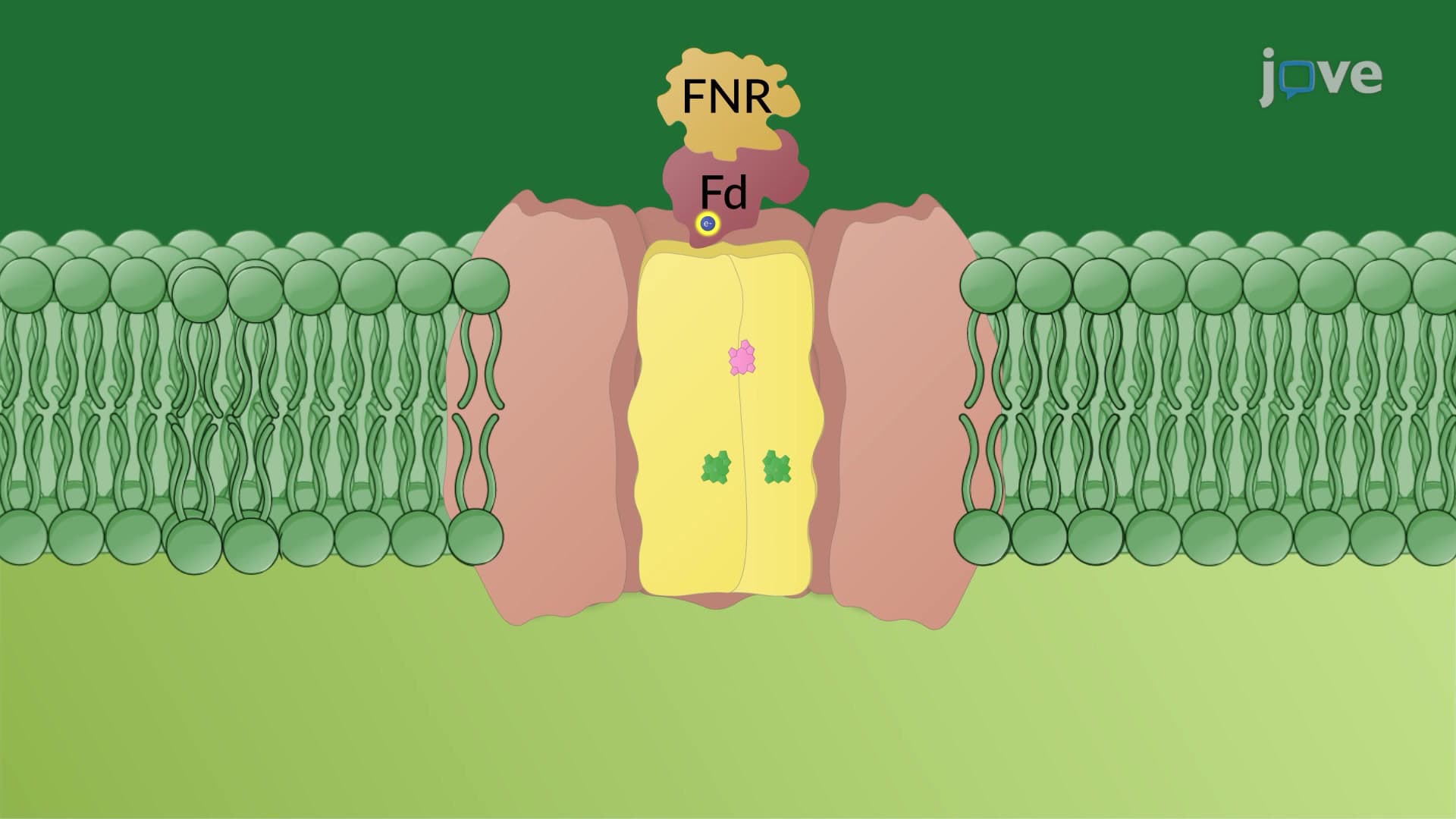
The photosystem overview reveals a sophisticated arrangement of over 20 protein subunits and hundreds of cofactors. At its heart lies the P680 reaction center, named for its peak light absorption at 680 nanometers. This special pair of chlorophyll a molecules is surrounded by an extensive light-harvesting complex containing chlorophyll a, chlorophyll b, and carotenoid pigments. Think of it like a satellite dish-the antenna pigments collect photons from a wide area and funnel that energy to the reaction center where the real work happens.
What makes PSII truly remarkable is its oxygen-evolving complex (OEC), containing a cluster of manganese and calcium ions. This biological catalyst performs one of the most energetically demanding reactions in nature: splitting water into hydrogen ions, electrons, and oxygen gas. The process requires four photons and proceeds through five intermediate states, known as the S-states (S0 through S4). When American students study this in AP Biology, they're learning about a process that's been perfecting itself for over 2.5 billion years.
For students preparing for the MCAT or college biochemistry exams, understanding PSII is crucial for grasping concepts like chemiosmosis, electron transport chains, and bioenergetics. The photosystem study guide materials often emphasize how herbicides like DCMU specifically target PSII, disrupting electron flow and causing plant death. This knowledge applies directly to understanding agricultural practices across America's farmlands, from California's Central Valley to Iowa's corn belt, where farmers must balance crop protection with environmental stewardship.
Related Micro-courses