Loading subject page…


852,104 views


Video Summary: Adaptations That Reduce Water Loss Explained
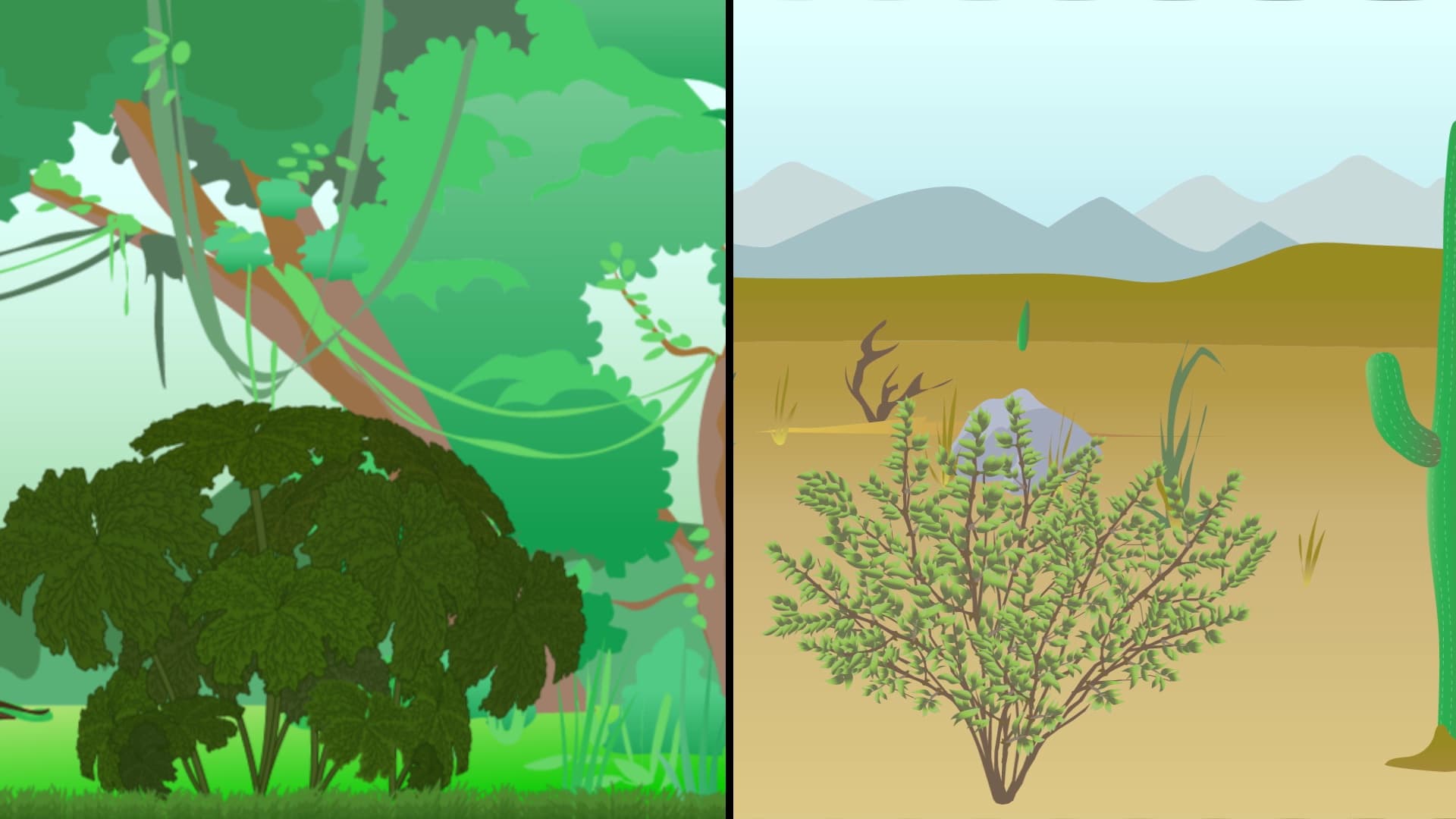
Did you know that California's Joshua Tree can survive decades without rainfall by using specialized water-saving tricks? Adaptations that reduce water loss are nature's ingenious solutions to one of biology's biggest challenges-keeping plants alive in dry conditions. From the waxy surfaces of desert cacti to the rolled leaves of prairie grasses, these evolutionary innovations allow plants to thrive where water is scarce. Adaptations That Reduce Water Loss Explained reveals how plants have developed remarkable strategies to conserve every precious drop. Watch the full video on JoVE Coach to master this concept with expert-led visuals and step-by-step explanations.
Water conservation represents one of the most critical evolutionary challenges plants have faced throughout Earth's history. Plants require water for photosynthesis, nutrient transport, and maintaining cellular turgor pressure, yet they must simultaneously prevent excessive water loss that could lead to dehydration and death. This fundamental tension has driven the evolution of sophisticated adaptations that allow plants to balance water retention with essential physiological processes.
The most visible adaptations involve physical modifications to plant structures. The waxy cuticle, composed primarily of waxy compounds called cutins and waxes, forms a waterproof barrier over leaf and stem surfaces. This adaptation is particularly pronounced in xerophytic plants-those adapted to dry conditions. For example, the thick, glossy leaves of Southern live oaks (Quercus virginiana) found throughout the southeastern United States demonstrate how temperate species also rely on enhanced cuticles during drought periods.
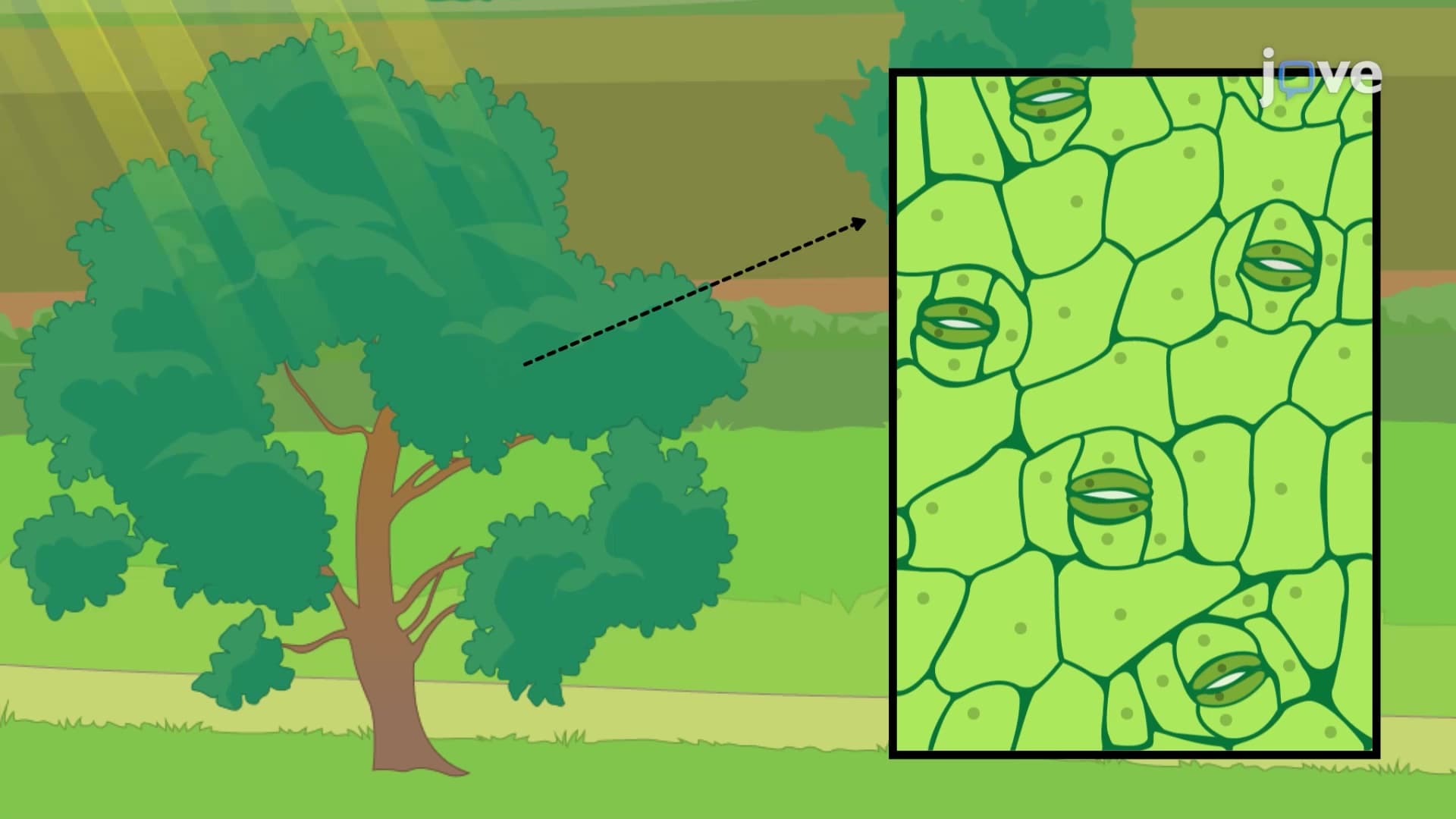
Stomatal modifications represent another crucial structural adaptation. These microscopic pores, essential for gas exchange during photosynthesis, are strategically positioned and regulated to minimize water loss. Most deciduous trees in North American forests, such as sugar maples and white oaks, concentrate stomata on leaf undersides where they're protected from direct sunlight and drying winds. Desert plants like palo verde trees take this further by reducing stomatal density and recessing stomata into protective chambers.
Desert plants showcase the most extreme water conservation adaptations. Trichomes-specialized hair-like structures-create a boundary layer of still air around leaves, reducing water loss through transpiration. The brittlebush (Encelia farinosa), common in the Sonoran Desert of Arizona and California, exemplifies this strategy with its silvery, hair-covered leaves that reflect sunlight while trapping moisture.
Succulent adaptations represent another remarkable strategy. Cacti and other succulents store water in specialized tissues, allowing them to survive extended drought periods. The iconic saguaro cactus can store up to 200 gallons of water, enough to sustain the plant through multiple drought years. Additionally, the transformation of leaves into spines reduces surface area for water loss while providing protection from herbivores.
Beyond structural modifications, plants have evolved sophisticated physiological adaptations. Crassulacean Acid Metabolism (CAM) represents one of the most elegant solutions to water conservation challenges. Unlike typical plants that open stomata during the day, CAM plants like agave and many cacti open stomata only at night when temperatures are cooler and humidity is higher. They store CO2 as organic acids overnight, then use this stored carbon for photosynthesis during the day while keeping stomata closed.
This adaptation is particularly relevant for students studying plant physiology in AP Biology or introductory college botany courses, as it demonstrates how plants can modify fundamental metabolic processes to survive environmental challenges. Understanding CAM photosynthesis also proves valuable for MCAT preparation, where students must analyze how organisms adapt metabolic pathways to environmental constraints.
Related Micro-courses