Loading subject page…


852,104 views
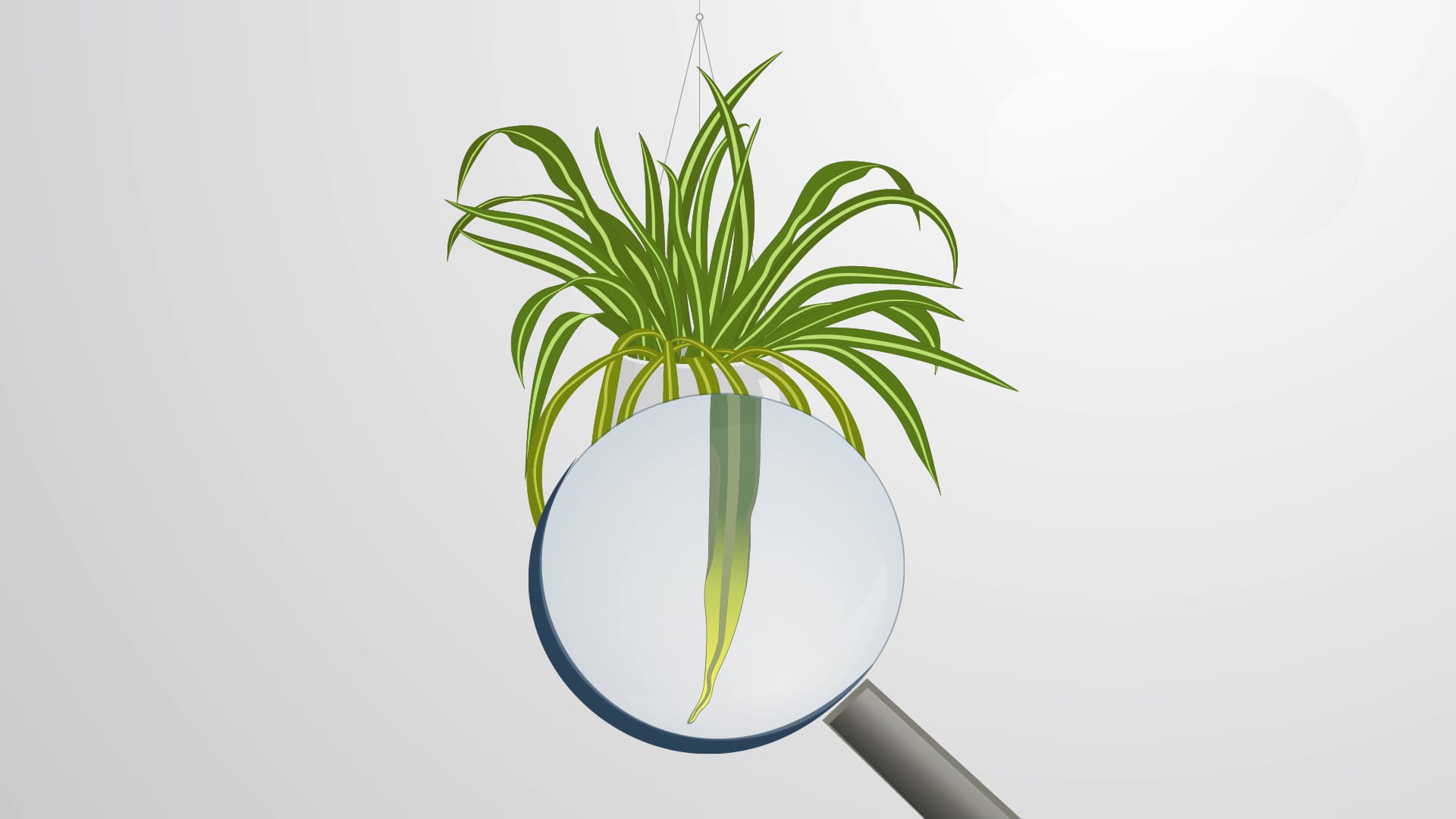

Video Summary: Key Elements for Plant Nutrition Explained
Ever wondered why your grandmother's house plants thrive for decades while yours struggle after a few months? The key elements plant nutrition provides the answer-plants require 17 essential nutrients to complete their life cycle, from carbon making up 45% of their dry mass to trace micronutrients like iron. Consider how corn crops across the American Midwest depend on precise nitrogen and phosphorus fertilization schedules to feed millions. Watch the full video on JoVE Coach to master this concept with expert-led visuals and step-by-step explanations.
Plant nutrition represents one of biology's most fundamental processes, governing everything from backyard gardens to industrial agriculture feeding 330 million Americans. The key elements plant nutrition encompasses 17 essential nutrients that cannot be substituted by any other elements-a principle that applies whether you're studying a single houseplant or analyzing crop yields across Iowa's corn belt.
The nine macronutrients form the structural and functional foundation of plant biology. Carbon, comprising 45% of plant dry mass, serves as the backbone of organic molecules including cellulose in cell walls and starch in energy storage. This concept appears frequently on AP Biology exams, where students must explain how carbon fixation during photosynthesis incorporates atmospheric CO2 into organic compounds.
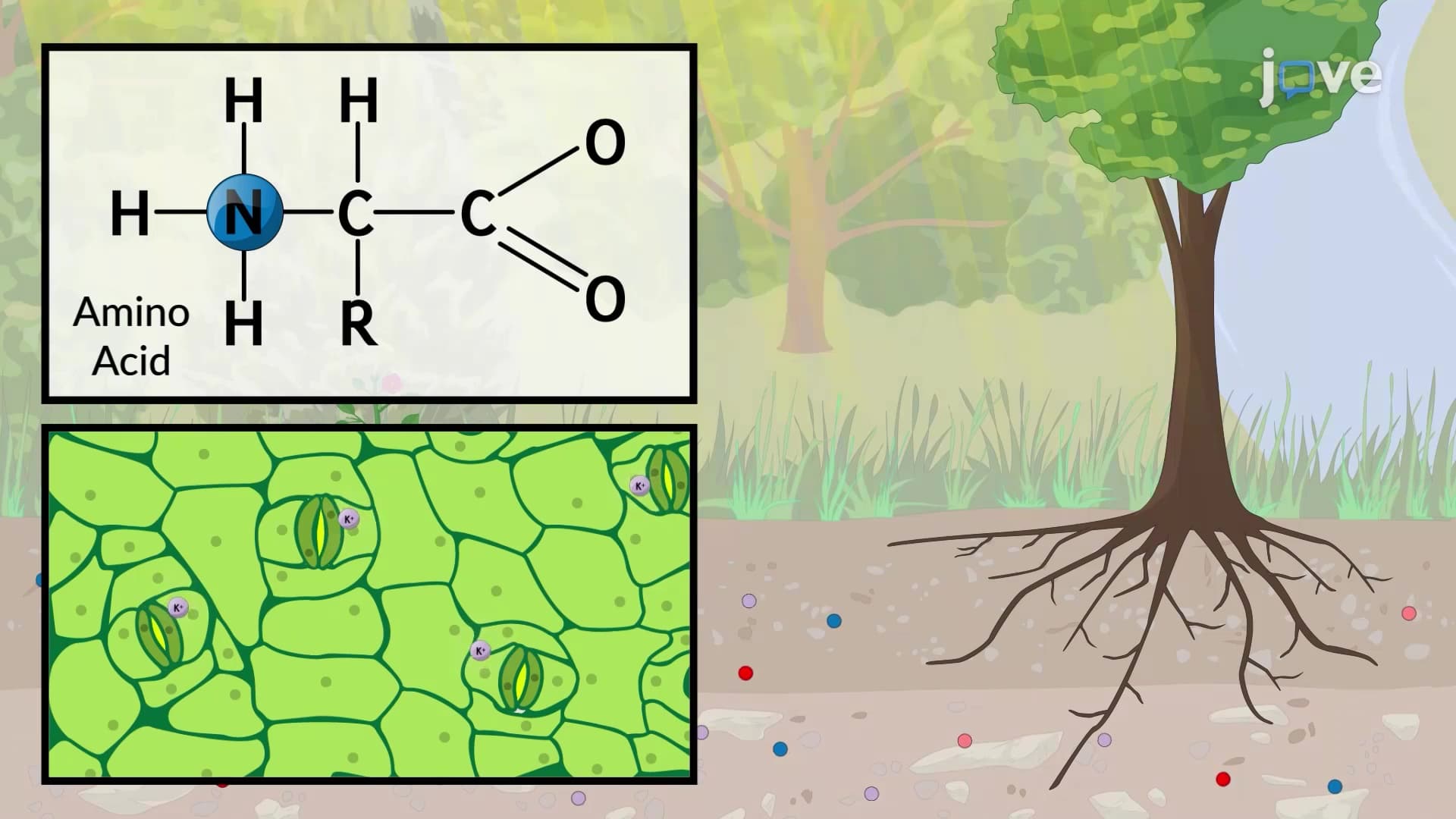
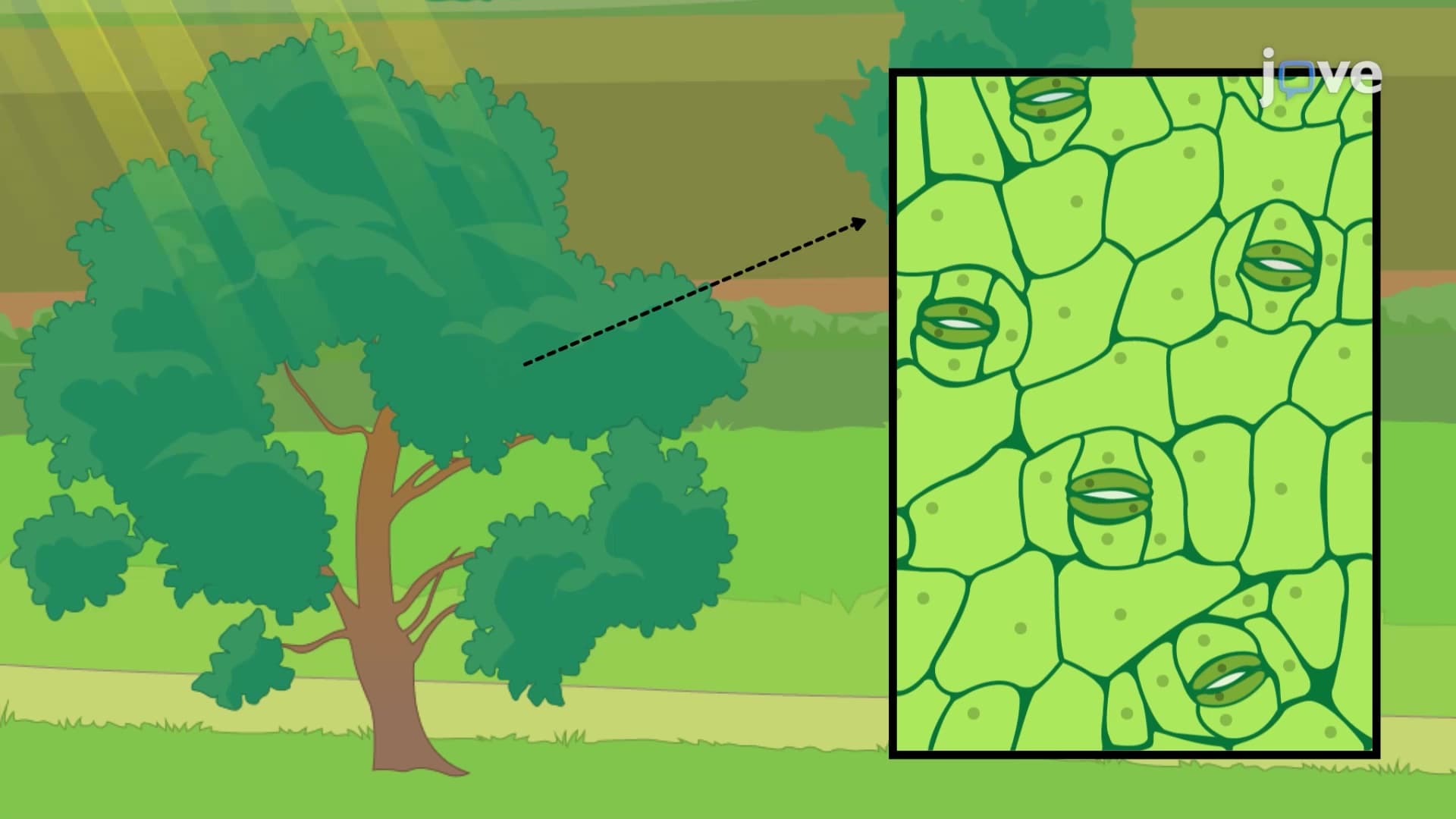
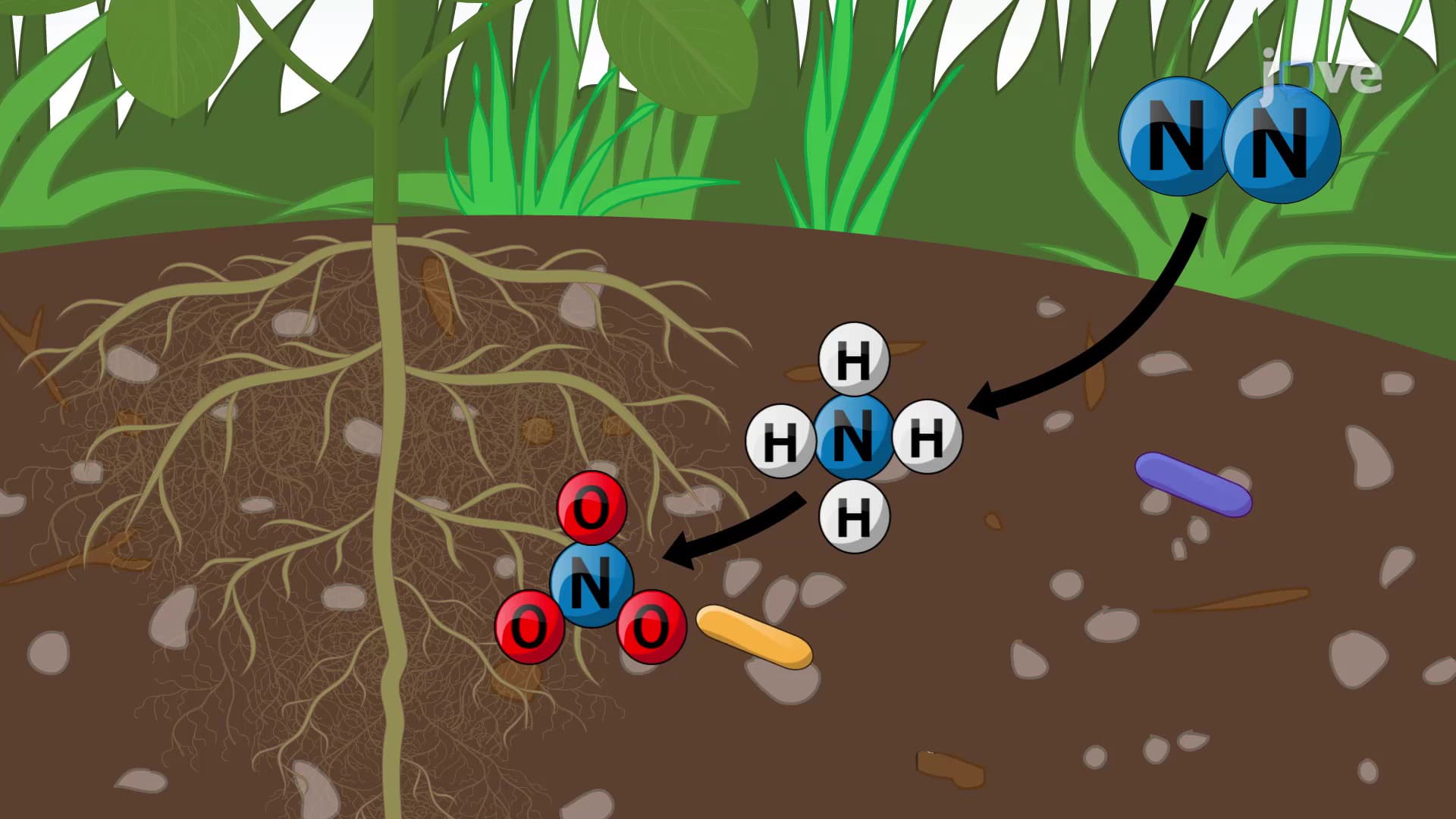
Nitrogen plays an equally critical role, forming the amino groups in proteins and the nitrogenous bases in DNA and RNA. Agricultural extension services across states like Nebraska and Kansas monitor soil nitrogen levels because corn requires approximately 160-200 pounds of nitrogen per acre for optimal yields. Potassium regulates stomatal opening and closing, directly controlling gas exchange rates that determine photosynthetic efficiency-a process that college botany students often explore through leaf conductance measurements.
While micronutrients represent less than 1% of plant dry weight, their absence creates devastating deficiency symptoms. Iron deficiency causes interveinal chlorosis, where leaf veins remain green while surrounding tissue yellows-a condition commonly observed in alkaline soils throughout the American Southwest. This occurs because iron serves as a cofactor for enzymes in both mitochondria and chloroplasts, making it essential for cellular respiration and photosynthesis.
Students preparing for MCAT biochemistry sections should understand how micronutrients like copper and zinc function as enzyme cofactors, enabling proper protein folding and catalytic activity. Molybdenum, required in the smallest quantities, proves essential for nitrogen fixation in legume root nodules-explaining why soybean farmers across the Midwest monitor soil molybdenum levels.
Modern precision agriculture relies heavily on understanding plant nutrition principles. GPS-guided fertilizer applications in states like Illinois use soil testing data to apply specific nutrients where needed, optimizing both crop yields and environmental sustainability. University extension programs teach farmers to recognize deficiency symptoms, connecting visual plant health assessments with soil nutrient analyses.
Related Micro-courses