Loading video…


 21 Concepts
 852.1K views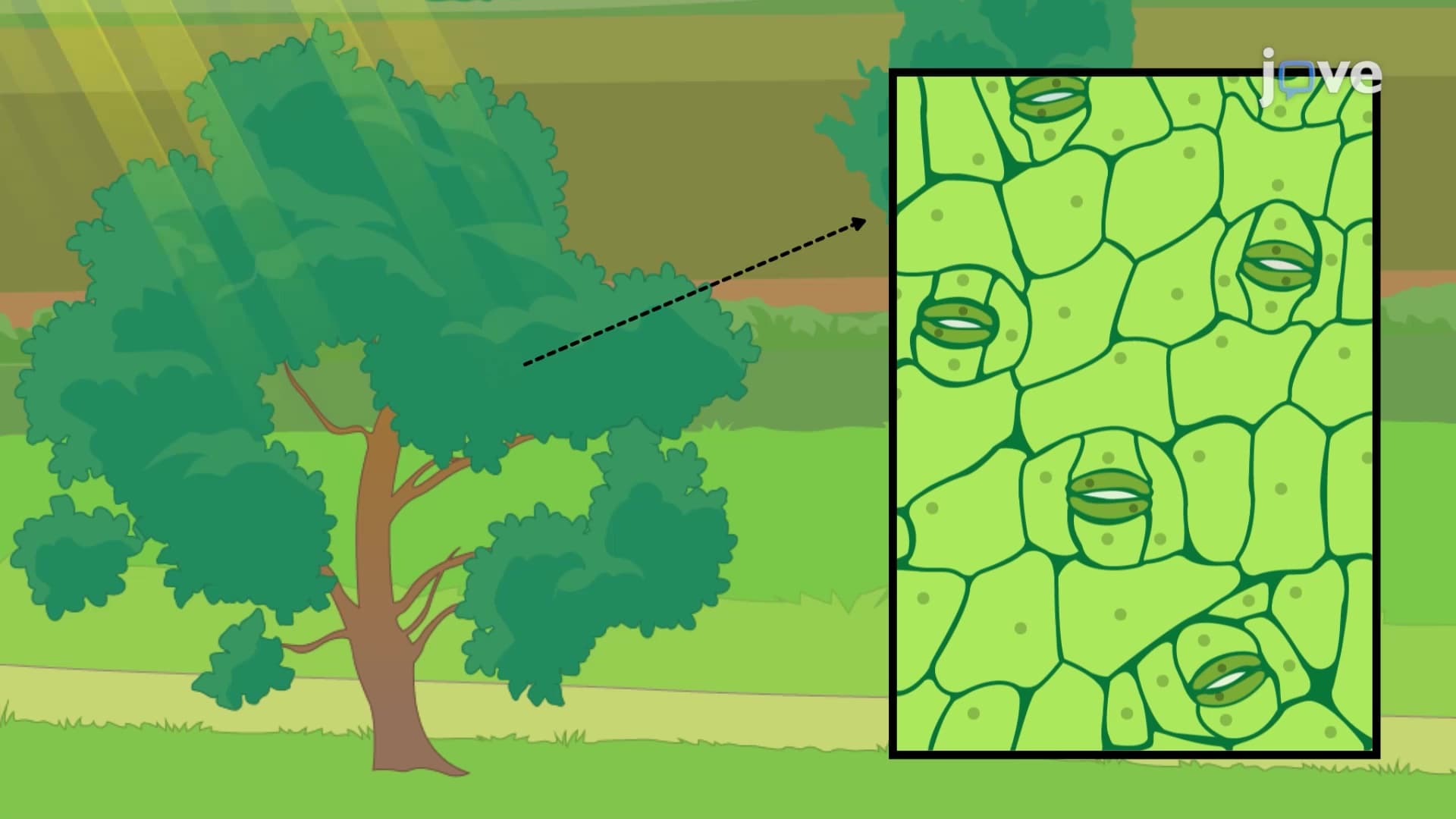

Video Summary: Regulation of Transpiration by Stomata Explained
Did you know that a single corn plant can lose up to 54 gallons of water through its leaves during one growing season? This incredible water loss occurs through the regulation of transpiration by stomata, microscopic pores that act as the plant's breathing apparatus. Guard cells surrounding each stoma respond to environmental signals like sunlight and water availability, opening and closing these pores to balance carbon dioxide intake for photosynthesis with water conservation. Watch the full video on JoVE Coach to master this concept with expert-led visuals and step-by-step explanations.
The regulation of transpiration by stomata represents one of nature's most elegant balancing acts. Plants face a fundamental dilemma: they need carbon dioxide for photosynthesis, but opening their pores to obtain it also allows precious water to escape. Stomata, derived from the Greek word for "mouth," are microscopic pores primarily found on leaf undersides that serve as controllable gateways for gas exchange.
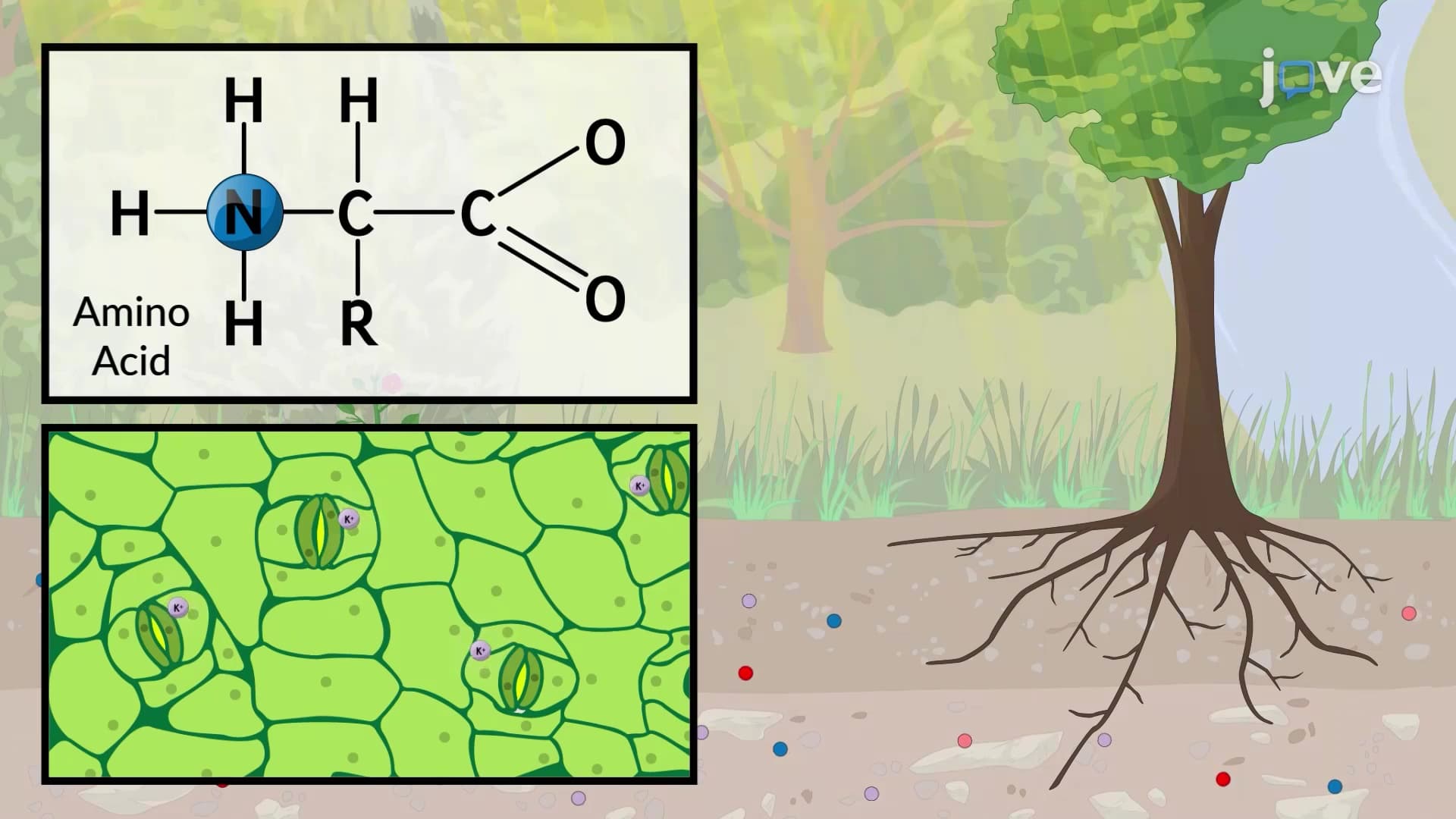
The sophisticated control mechanism centers on paired guard cells that surround each stomatal pore. These kidney-shaped cells function like biological hydraulic systems. When potassium ions (K+) accumulate inside guard cells, water follows through osmosis, causing the cells to swell and bow outward, creating an opening. Conversely, when potassium exits, water follows, the cells become flaccid, and the stoma closes. This ion-driven process responds to multiple environmental signals, including light intensity, carbon dioxide concentration, and water stress hormones like abscisic acid.
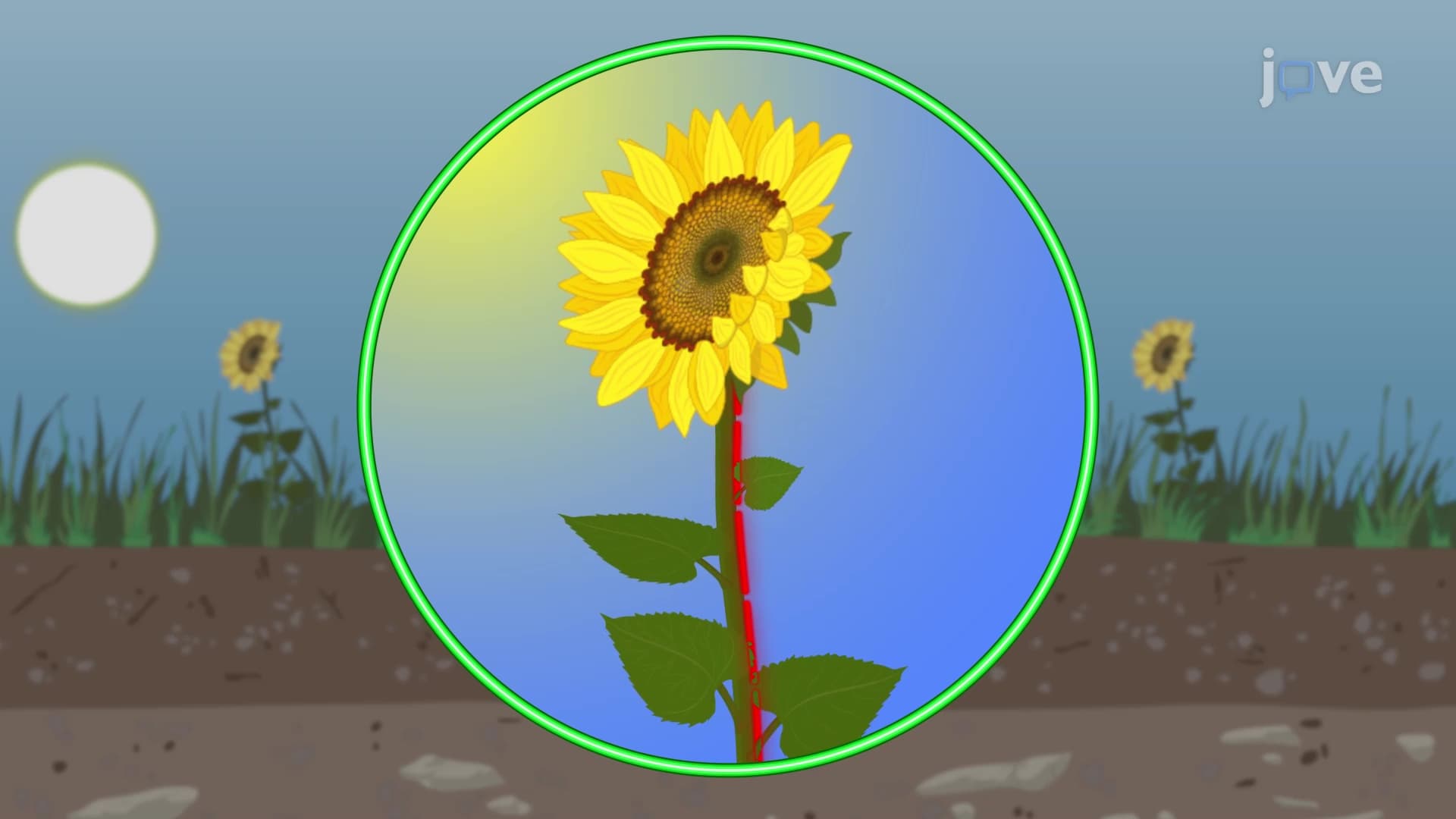
Stomatal regulation responds dynamically to environmental conditions. Blue light receptors in guard cells detect sunrise, triggering potassium uptake and stomatal opening for daytime photosynthesis. Temperature increases enhance transpiration rates, potentially leading to water stress and protective stomatal closure. Remarkably, plants maintain circadian rhythms that pre-position stomata for daily light-dark cycles, even when kept in constant darkness-a phenomenon crucial for agricultural timing and crop management.
Understanding stomatal regulation proves essential for addressing real-world challenges. California's drought-resistant crop varieties utilize enhanced stomatal control to maintain productivity with limited irrigation. Students preparing for AP Biology exams frequently encounter stomatal regulation in free-response questions about plant adaptations and water cycle interactions. The concept also appears in college-level plant physiology courses and MCAT passages examining plant-environment interactions. Agricultural engineers apply this knowledge to develop precision irrigation systems that optimize crop water use efficiency, particularly important in water-scarce regions like the American Southwest.
Related Micro-courses