Loading video…


 21 Concepts
 852.1K views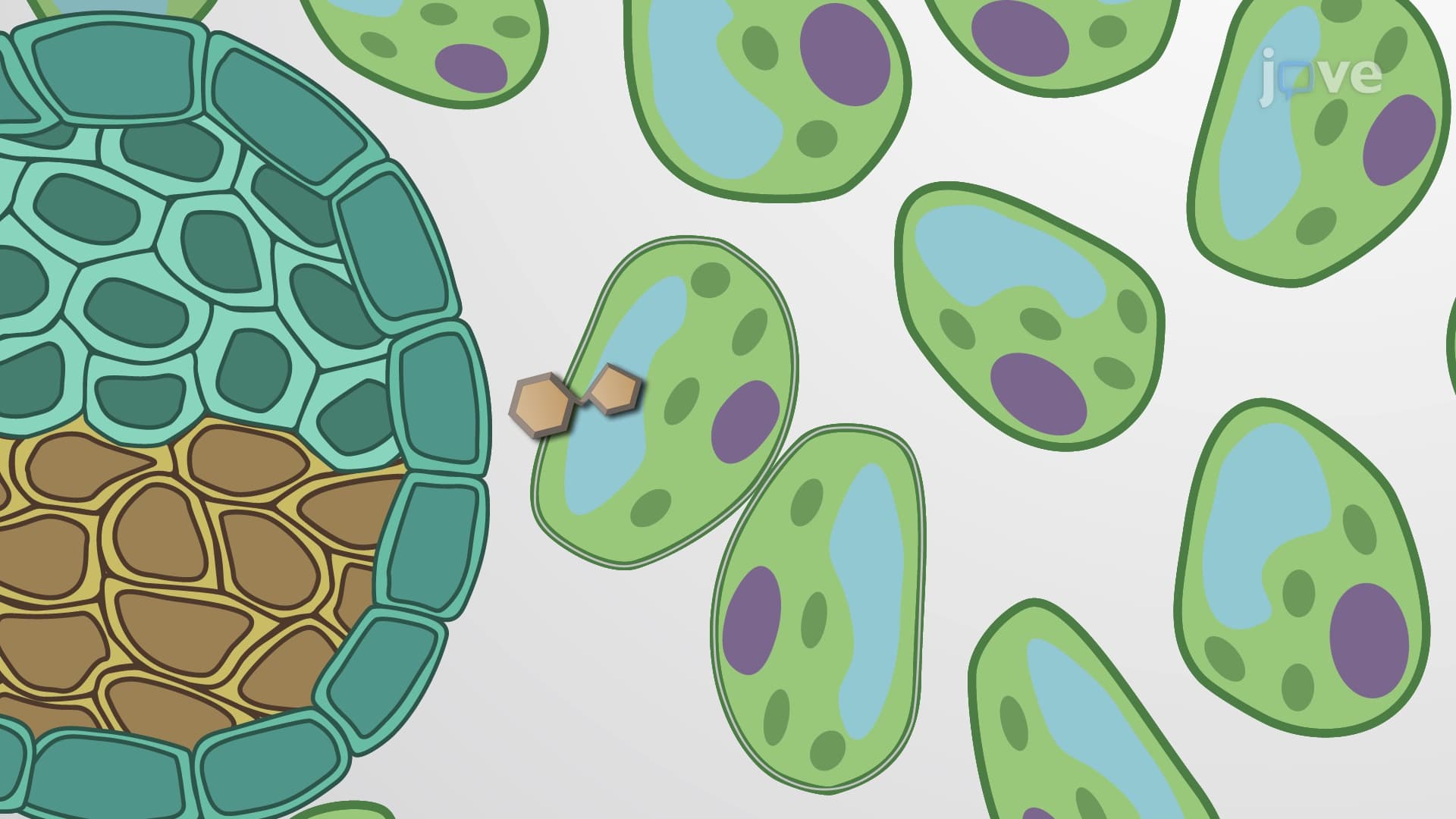

Video Summary: Short Distance Transport of Resources Explained
Ever wonder how a towering California redwood moves water from its roots to leaves 300 feet above ground? Short distance transport of resources occurs through three specialized pathways that allow plants to efficiently move nutrients, water, and sugars between neighboring cells. These transport mechanisms-including the apoplastic, symplastic, and transmembrane pathways-work together to ensure every cell receives essential materials for survival and growth. Watch the full video on JoVE Coach to master this concept with expert-led visuals and step-by-step explanations.
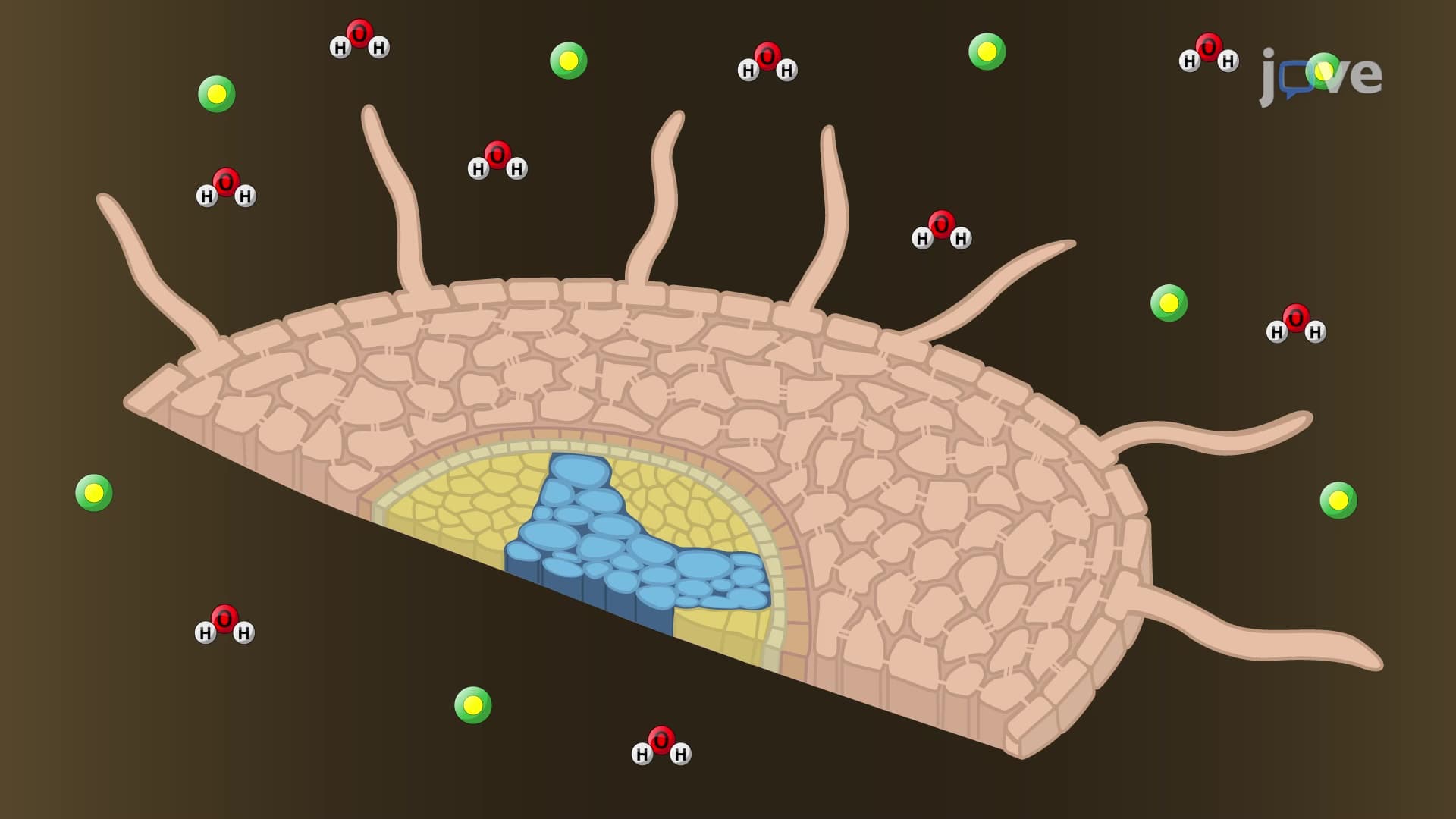
Short distance transport of resources represents the fundamental mechanism by which plant cells exchange materials with their immediate neighbors. This process is essential for distributing water, minerals absorbed by roots, and photosynthetic products throughout plant tissues. Unlike long-distance transport that moves substances across entire plant bodies, short-distance transport focuses on cell-to-cell communication and resource sharing within localized tissue regions.
Plants have evolved three distinct pathways to move solutes efficiently between cells. The apoplastic pathway utilizes the extracellular matrix, including cell walls and intercellular spaces, to transport water and dissolved minerals. This route bypasses living cell contents entirely, making it particularly effective for bulk water movement. The symplastic pathway connects cells directly through plasmodesmata-microscopic channels that allow cytoplasm to flow between adjacent cells. This pathway enables rapid communication and sharing of larger molecules like proteins and RNA. The transmembrane pathway involves repeated crossing of plasma membranes, requiring substances to enter and exit cells multiple times during transport.
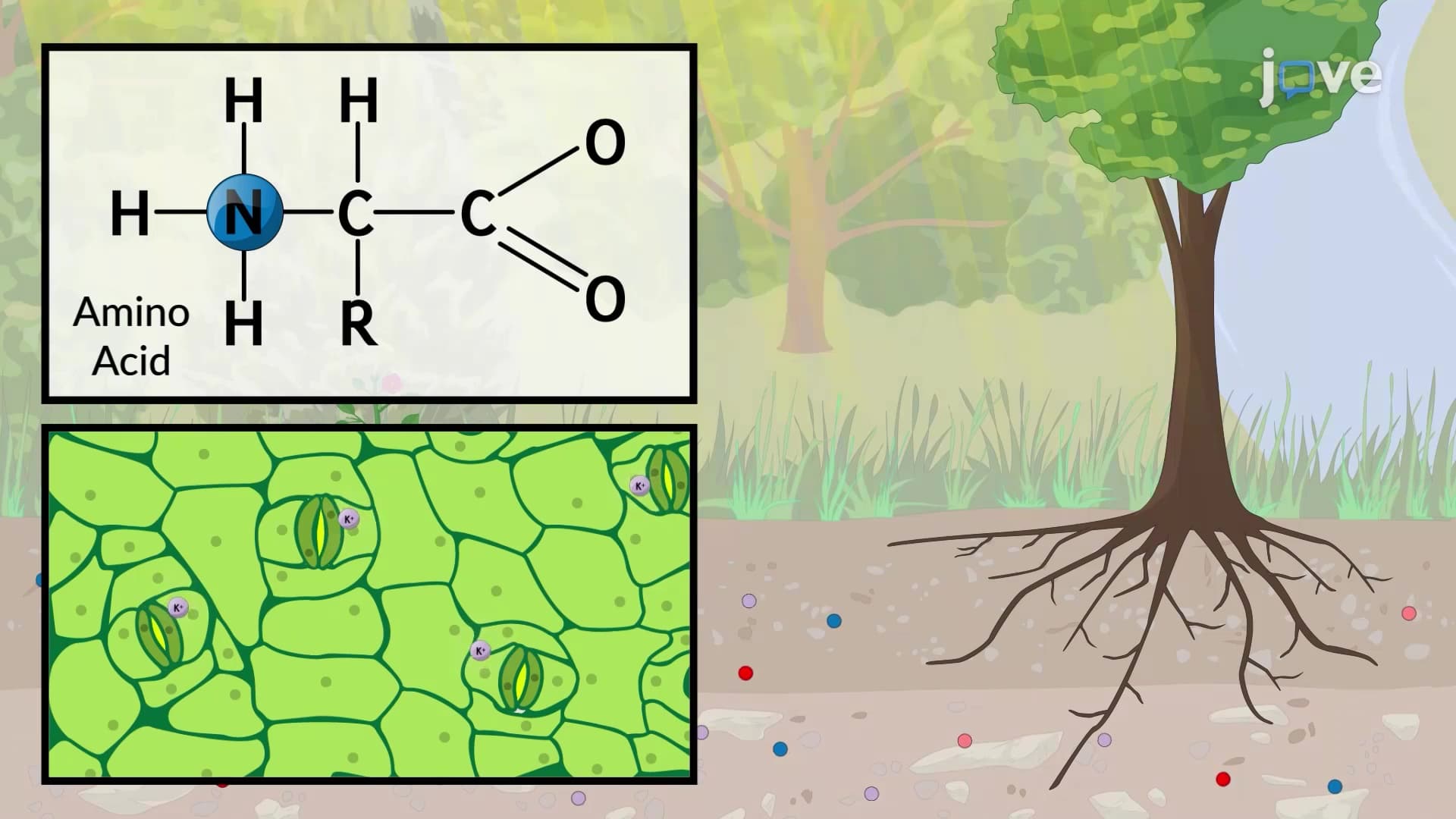
Plant cell membranes exhibit selective permeability, controlling which substances can pass through freely versus those requiring assistance. Small, uncharged molecules like carbon dioxide and oxygen diffuse passively down concentration gradients-a principle frequently tested on AP Biology exams. However, charged ions and large organic molecules like sugars cannot cross membranes unaided. These substances rely on specific transport proteins embedded in the plasma membrane.
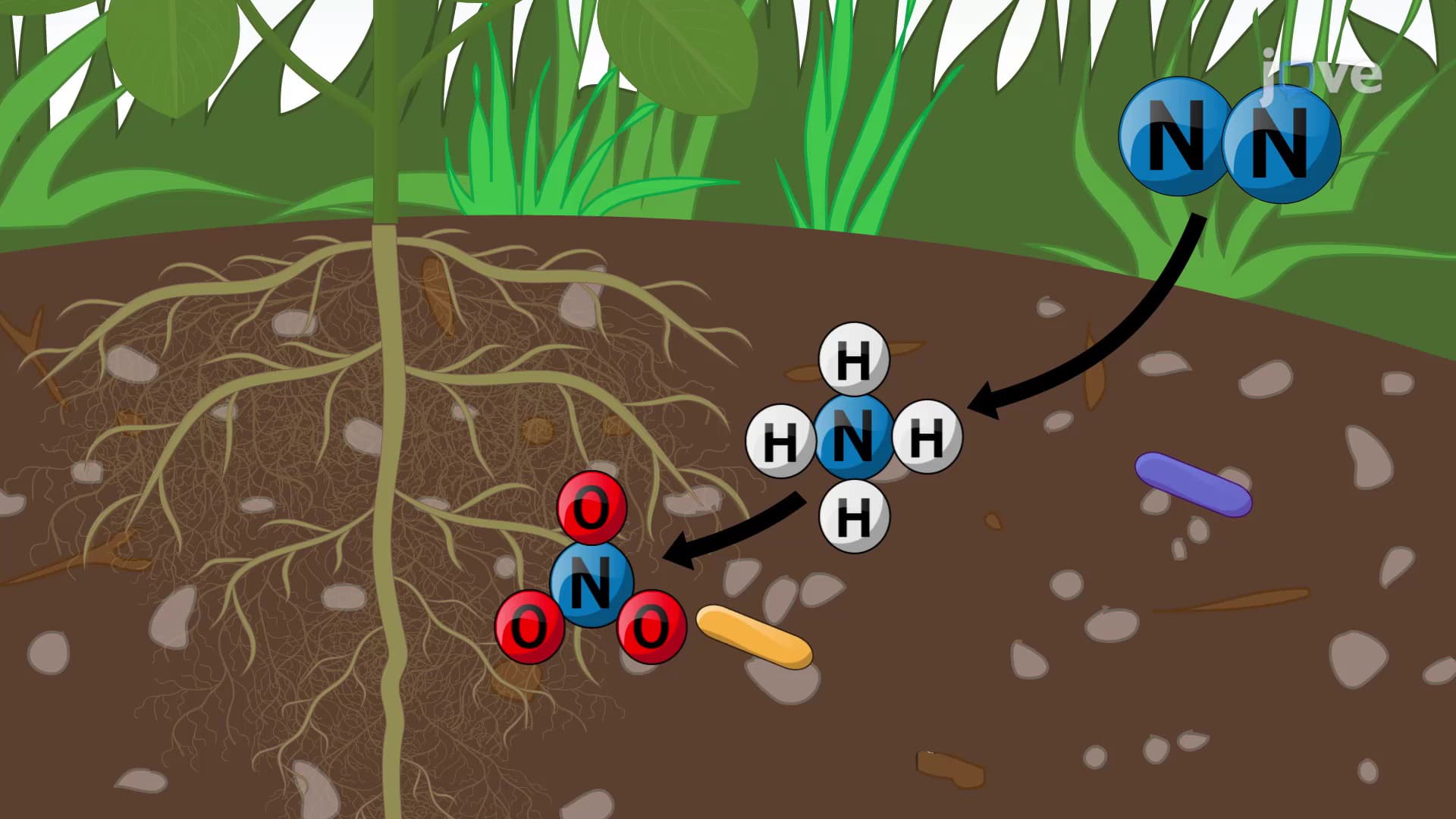
Plants invest considerable energy in active transport systems, particularly proton pumps that use ATP to create hydrogen ion gradients across membranes. These electrochemical gradients power secondary transport processes, such as the nitrate transporter system in root cells. This mechanism allows plants to absorb essential nutrients even when soil concentrations are lower than cellular levels-a concept crucial for understanding plant nutrition in agricultural systems across the American Midwest's corn belt.
Students preparing for college-level botany courses or MCAT biology sections should recognize how these transport mechanisms integrate with larger physiological processes, connecting cellular-level understanding to ecosystem-scale nutrient cycling.
Related Micro-courses