Loading video…

 21 Concepts
 852.1K views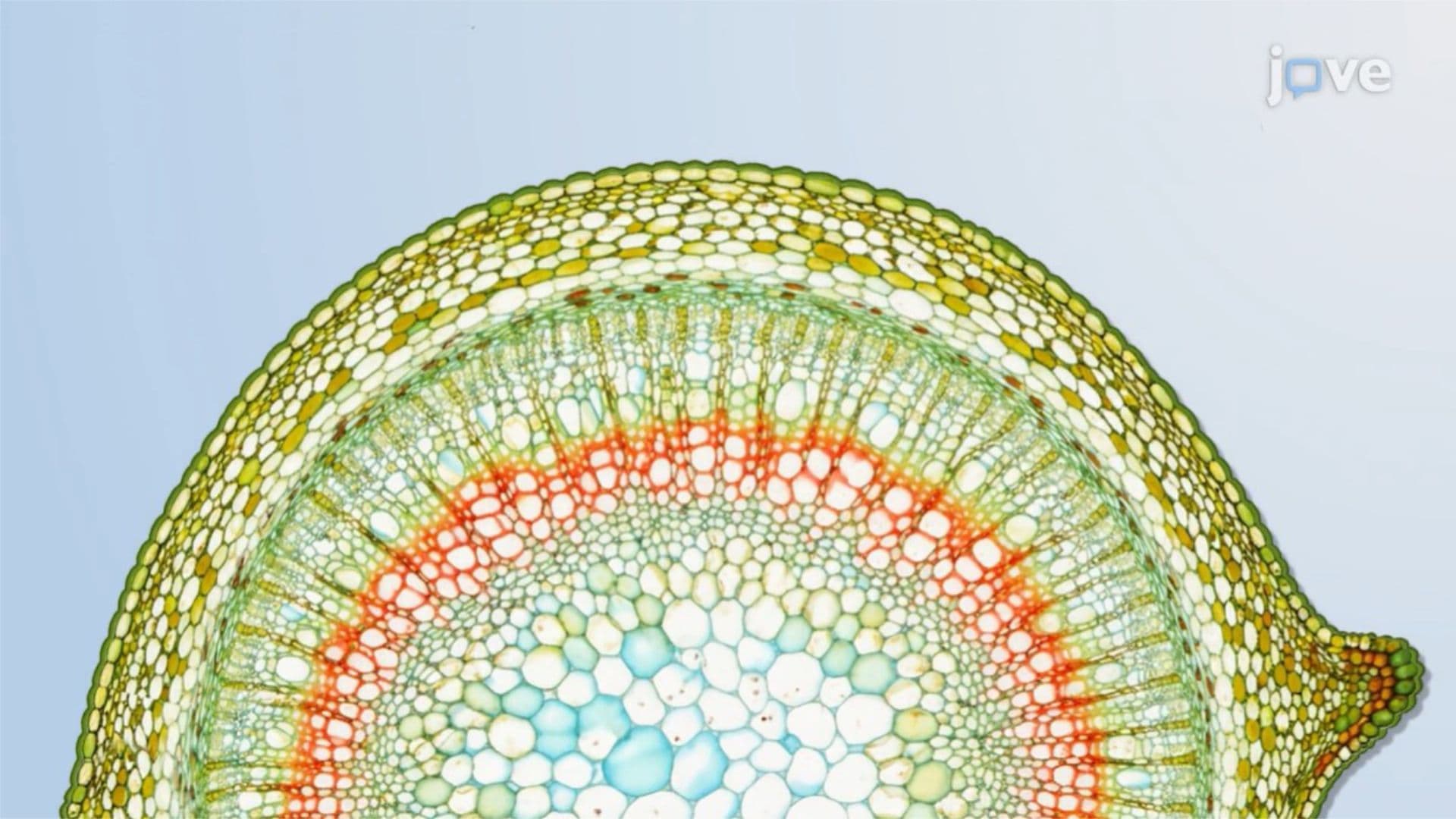

Video Summary: What are Plant Cells and Tissues
Did you know that a single oak tree in California's Redwood National Park can live over 1,000 years thanks to specialized plant cells and tissues working together? Plant cells tissues form the foundation of all plant life, from the smallest moss to towering sequoias. These remarkable structures include meristematic tissues that enable continuous growth and permanent tissues like xylem and phloem that transport water and nutrients throughout the plant. Understanding what are plant cells and tissues reveals how plants achieve everything from photosynthesis in leaves to structural support in tree trunks. Watch the full video on JoVE Coach to master this concept with expert-led visuals and step-by-step explanations.
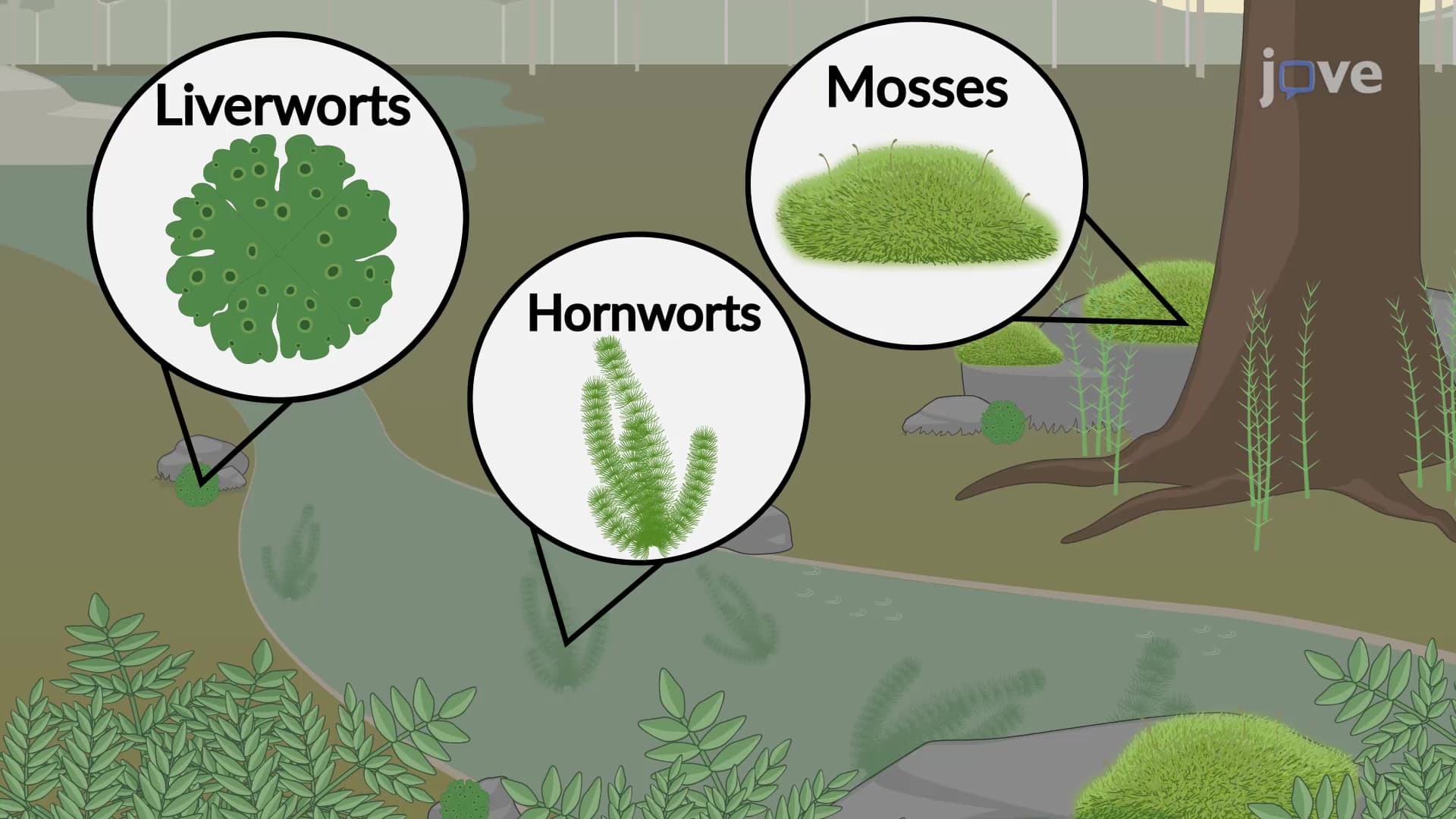
Plant cells and tissues represent one of biology's most elegant organizational systems. Unlike animal cells, plant cells possess unique features like cell walls, chloroplasts, and large vacuoles that enable them to form specialized tissues with distinct functions. This tissue organization allows plants to achieve remarkable feats-from the 379-foot tall coastal redwoods in California to the intricate root networks of prairie grasses in Kansas that prevent soil erosion.
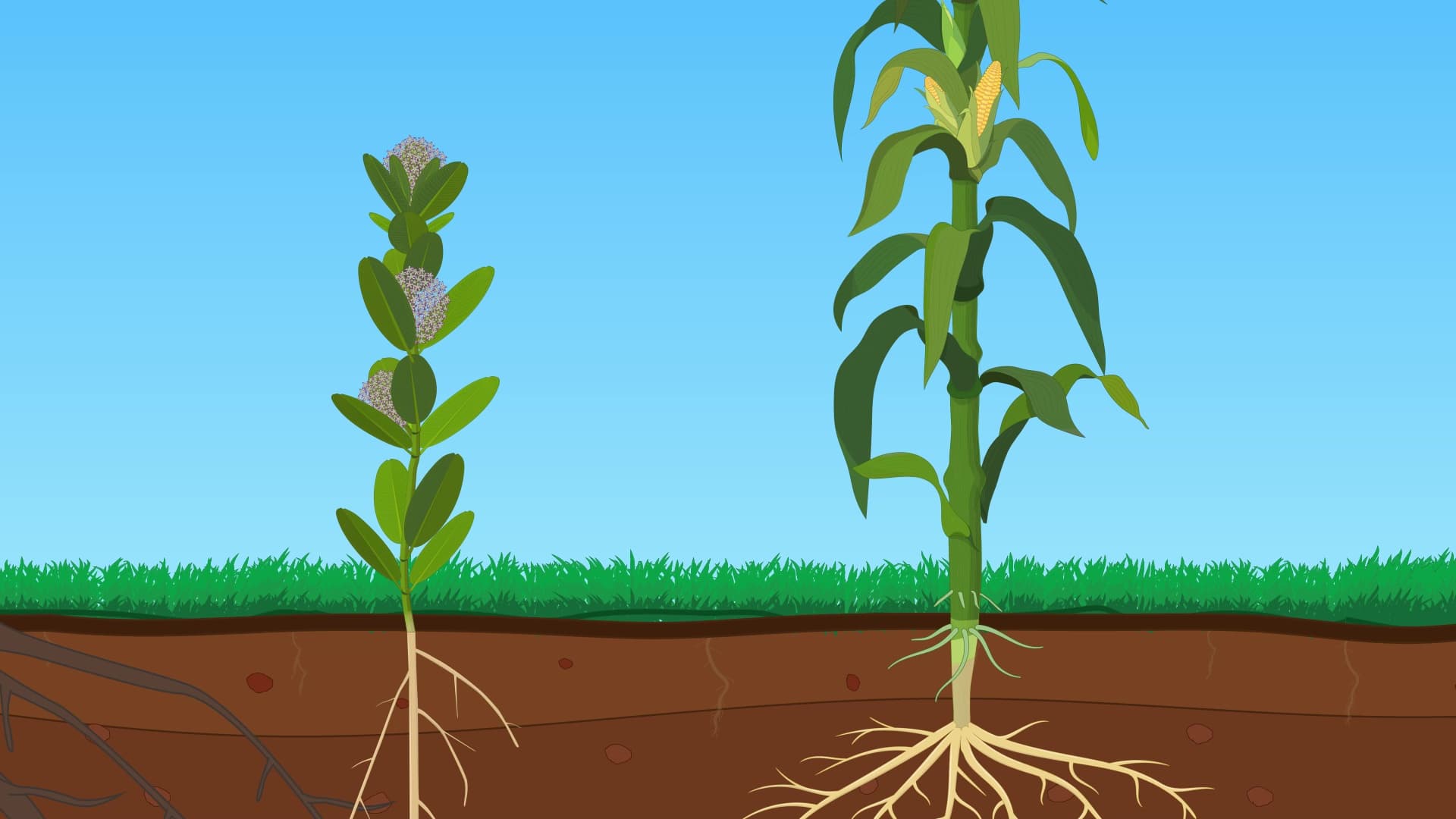
Meristematic tissues function as plant growth centers, containing undifferentiated cells capable of continuous division. Apical meristems, located at root and shoot tips, drive primary growth that increases plant length. This process is crucial for plants like corn in Iowa, where rapid vertical growth helps compete for sunlight. Lateral meristems, including the cambium layer, produce secondary growth that increases stem diameter-essential for trees like the massive live oaks in Georgia that can support enormous canopies.
Understanding meristematic tissue is vital for AP Biology students, as questions often focus on how auxin hormones regulate apical dominance or how gibberellins promote stem elongation. College botany courses frequently examine meristem organization using microscopy labs with onion root tips.
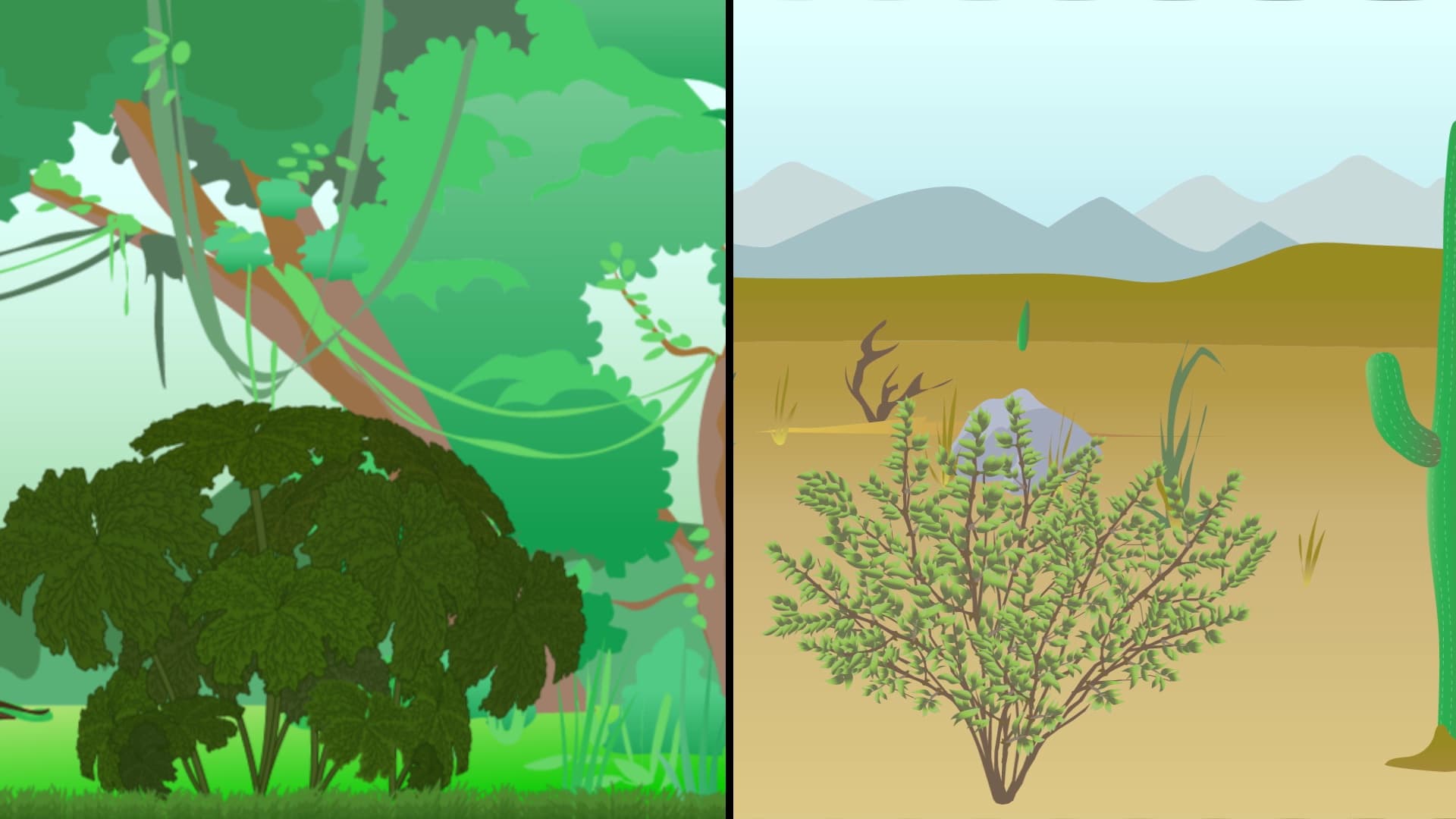
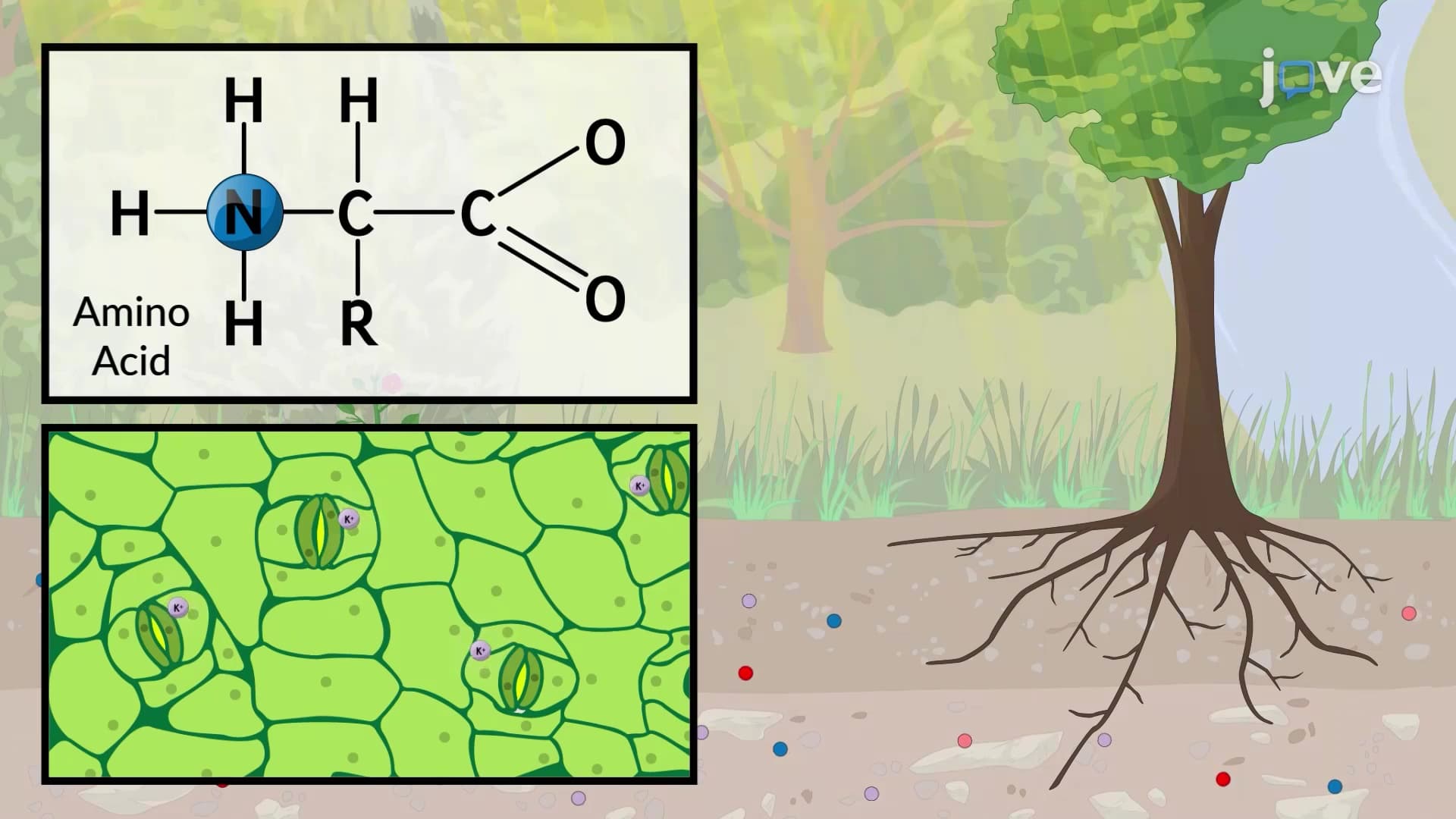
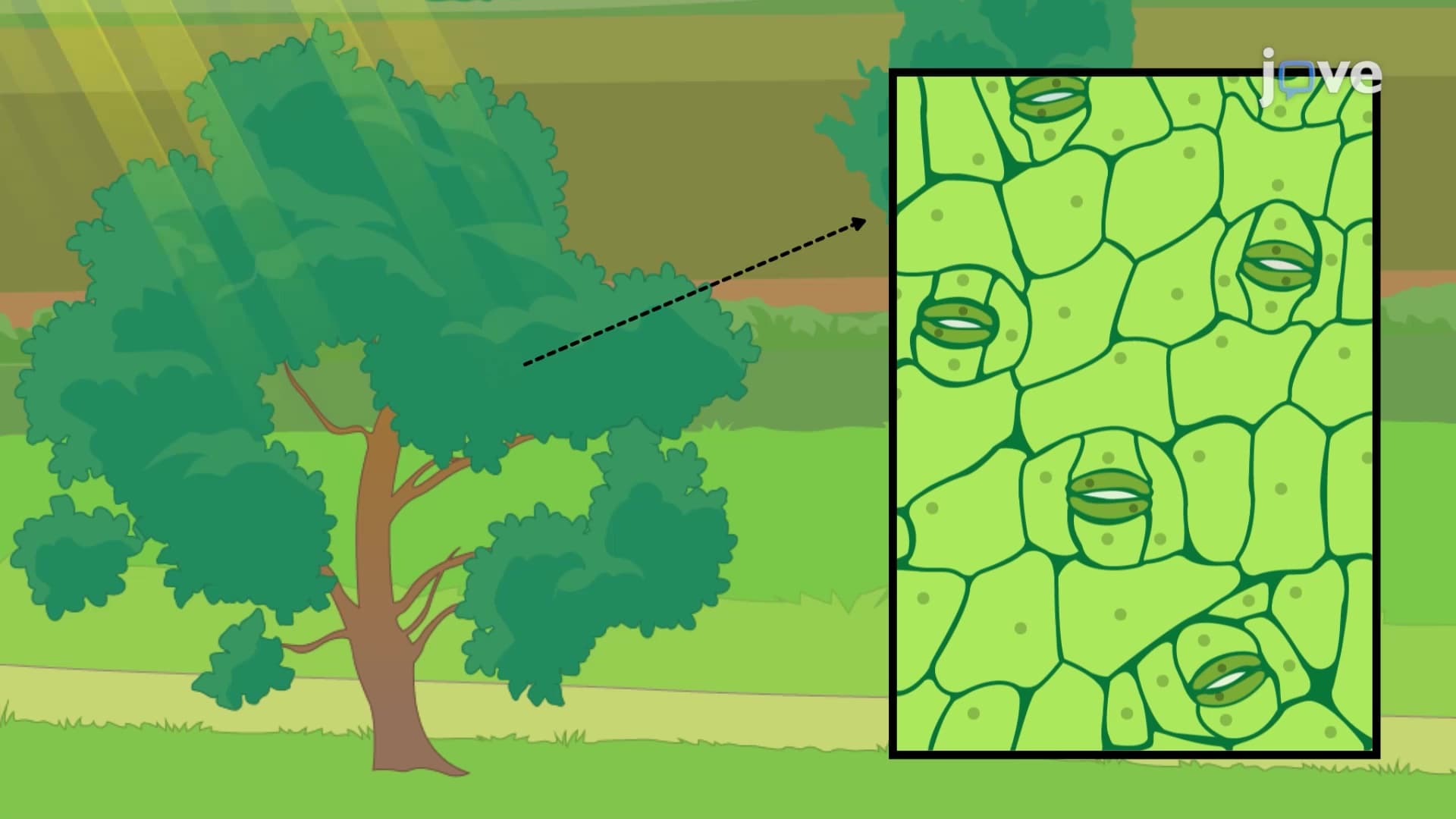
Once cells differentiate, they form permanent tissues with specific roles. Dermal tissue creates the plant's protective barrier, including the epidermis and its waxy cuticle that prevents water loss-crucial for desert plants like Arizona's saguaro cacti. The stomata within dermal tissue regulate gas exchange, a process extensively covered in MCAT questions about photosynthesis and respiration.
Vascular tissues-xylem and phloem-form the plant's transport system. Xylem moves water and minerals upward through transpiration, while phloem distributes sugars produced during photosynthesis. This concept appears frequently in college biology exams, particularly questions about translocation pressure-flow mechanisms.
Ground tissue encompasses the remaining plant cells, serving multiple functions from photosynthesis in leaf mesophyll to storage in potato tubers grown in Idaho. This tissue type often appears in SAT Subject Test questions about plant structure-function relationships.
Related Micro-courses