Loading video…


 21 Concepts
 852.1K views


Video Summary: What Is Epiphytes Parasites and Carnivores
Did you know that some plants in Florida's Everglades literally eat insects while others steal nutrients from host trees? Epiphytes parasites and carnivores represent three fascinating plant survival strategies that challenge our basic understanding of how plants obtain food. Unlike typical plants that rely solely on photosynthesis, these specialized organisms have evolved remarkable adaptations-from the Spanish moss draping Southern oak trees to Venus flytraps snapping shut on unsuspecting prey. Watch the full video on JoVE Coach to master this concept with expert-led visuals and step-by-step explanations.
What is epiphytes parasites and carnivores encompasses three distinct plant survival strategies that have evolved to overcome environmental limitations. While most plants rely exclusively on photosynthesis, these specialized organisms have developed alternative or supplementary feeding mechanisms to thrive in challenging conditions.
Epiphytes, commonly called "air plants," represent a fascinating example of commensalism in plant ecology. These organisms grow on other plants for physical support without harming their hosts. In the southeastern United States, Spanish moss (*Tillandsia usneoides*) exemplifies this strategy, draping across oak and cypress trees throughout Louisiana, Florida, and Georgia.
Epiphytes have evolved specialized adaptations including aerial roots for anchoring and water absorption, plus leaves with modified surfaces that capture moisture and nutrients from rainfall and atmospheric dust. This strategy proves particularly advantageous in forest canopies where competition for ground space is intense, but light availability increases with height.
For AP Biology students, understanding epiphytes helps illustrate concepts of ecological niches and resource partitioning. College botany courses often examine how these plants balance water conservation with nutrient acquisition in their aerial lifestyle.
Parasitic plants like dodder vine (*Cuscuta* species) represent true heterotrophy in the plant kingdom. These organisms have lost their ability to photosynthesize and instead extract nutrients directly from host plants using specialized root-like structures called haustoria.
Dodder vines, found across agricultural regions from California's Central Valley to Midwest corn belt, can devastate crop yields by weakening host plants. The haustoria penetrate host vascular tissues, diverting water, minerals, and organic compounds for the parasite's growth.
This concept frequently appears on MCAT biology sections, where students must distinguish between different types of symbiotic relationships and understand how parasitism affects both organisms involved.
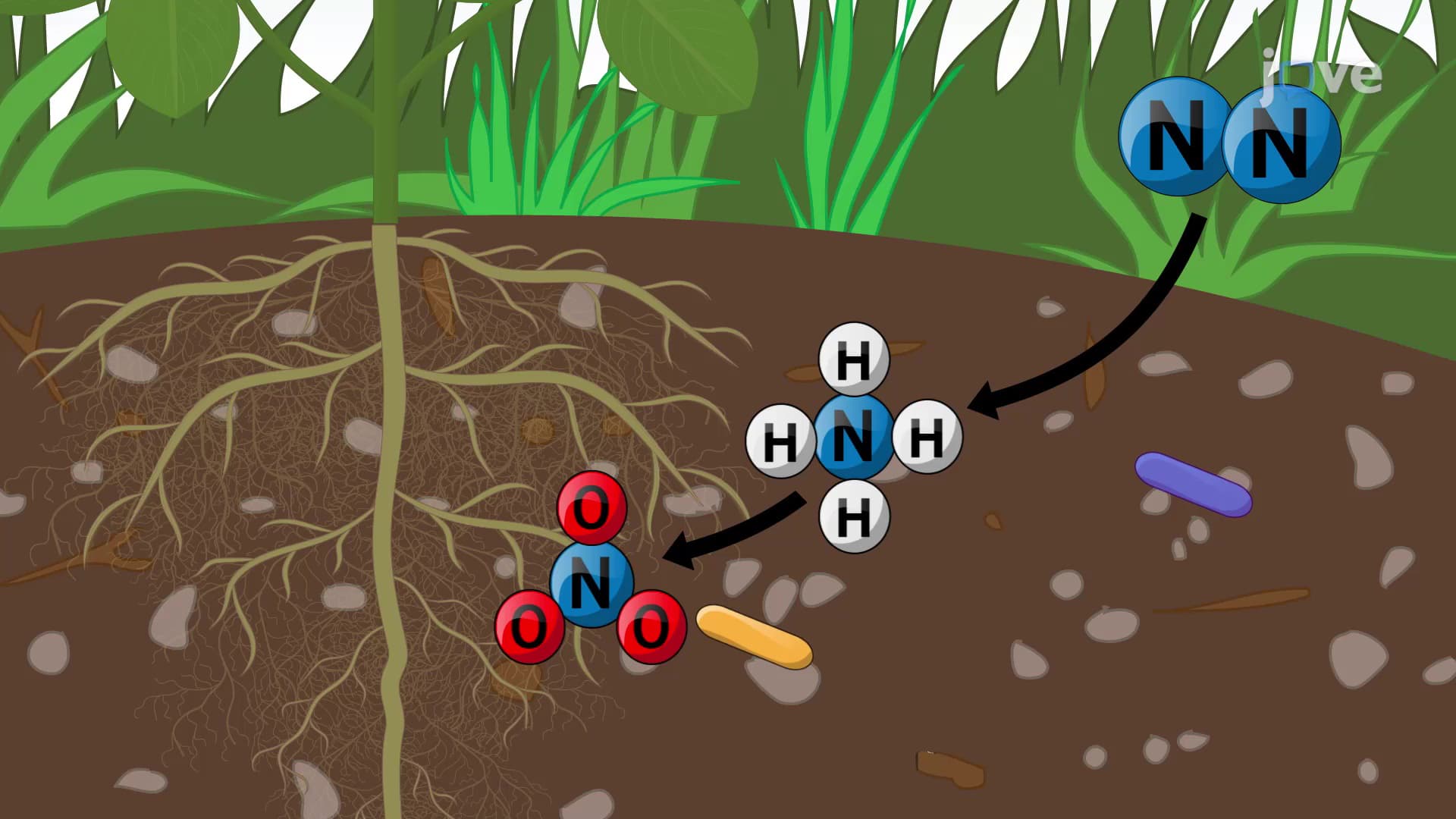
Carnivorous plants like pitcher plants and Venus flytraps demonstrate mixotrophy-combining photosynthesis with predation. These plants typically inhabit nutrient-poor environments, particularly nitrogen-deficient bog soils found in places like North Carolina's Green Swamp or New Jersey's Pine Barrens.
The specialized trapping mechanisms-from pitcher-shaped leaves to snap traps-allow these plants to supplement their nutrition by digesting insects and small animals. This adaptation proves essential in acidic, waterlogged soils where nitrogen availability limits plant growth.
Understanding carnivorous plants helps students grasp how environmental pressures drive evolutionary adaptations, a key concept in both high school biology and college ecology courses.
Related Micro-courses