Loading subject page…


852,104 views

Video Summary: What Is Light Acquisition
Did you know that a single rhubarb leaf in Hawaii's rainforests can grow larger than a king-size bed? Light acquisition is the process by which plants capture and utilize sunlight for photosynthesis, driving their survival and growth strategies. From towering redwoods in California's coastal forests to compact desert succulents in Arizona, every plant species has evolved unique leaf structures and arrangements to maximize their light-capturing efficiency. Watch the full video on JoVE Coach to master this concept with expert-led visuals and step-by-step explanations.
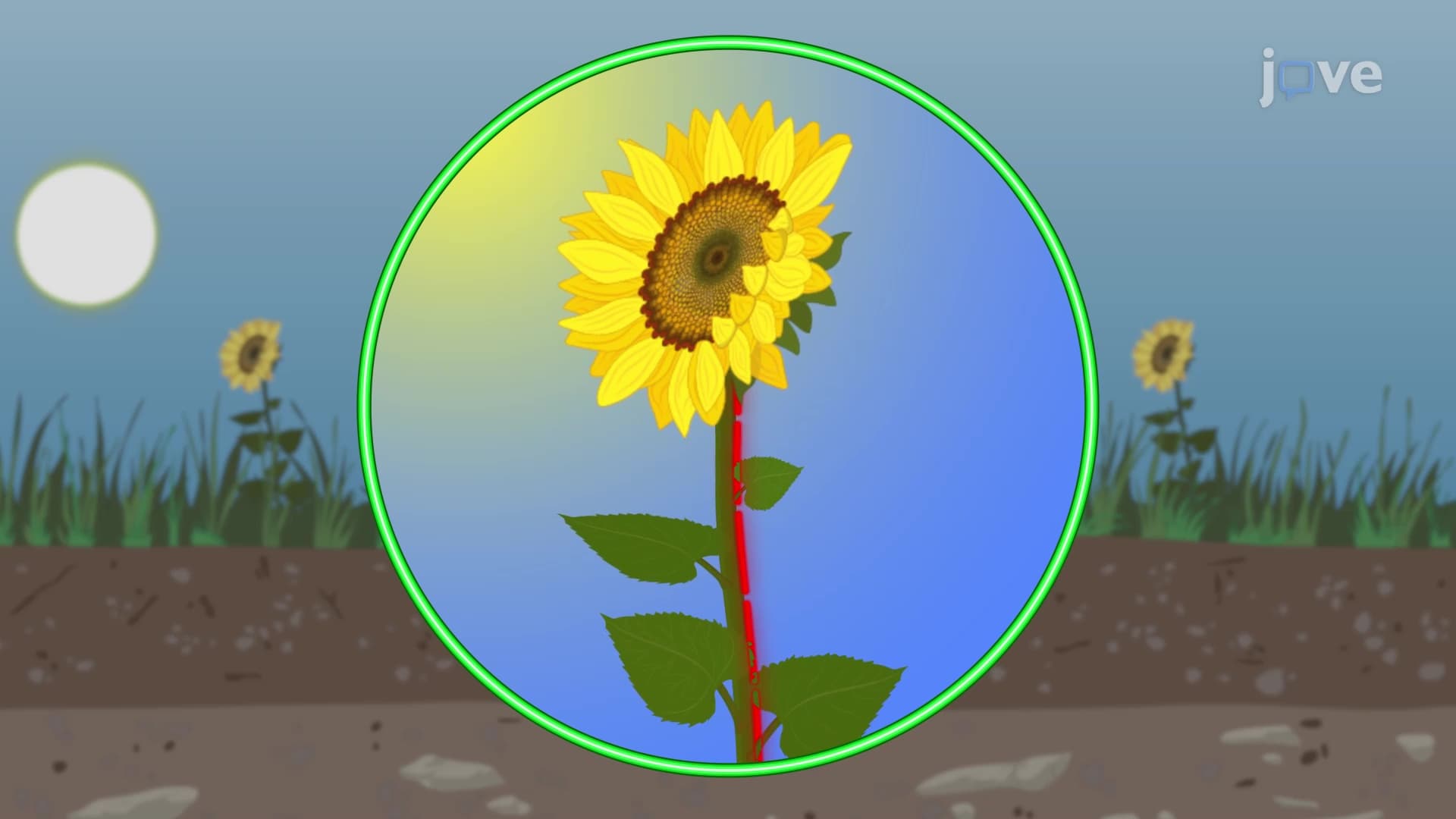
Light acquisition represents one of the most critical survival strategies in the plant kingdom. This process encompasses all the mechanisms plants use to capture, orient toward, and optimize their exposure to sunlight for photosynthesis. Unlike animals that can move to find food, plants must engineer their bodies-particularly their leaves-to maximize light capture while balancing other physiological demands like water conservation and structural support.
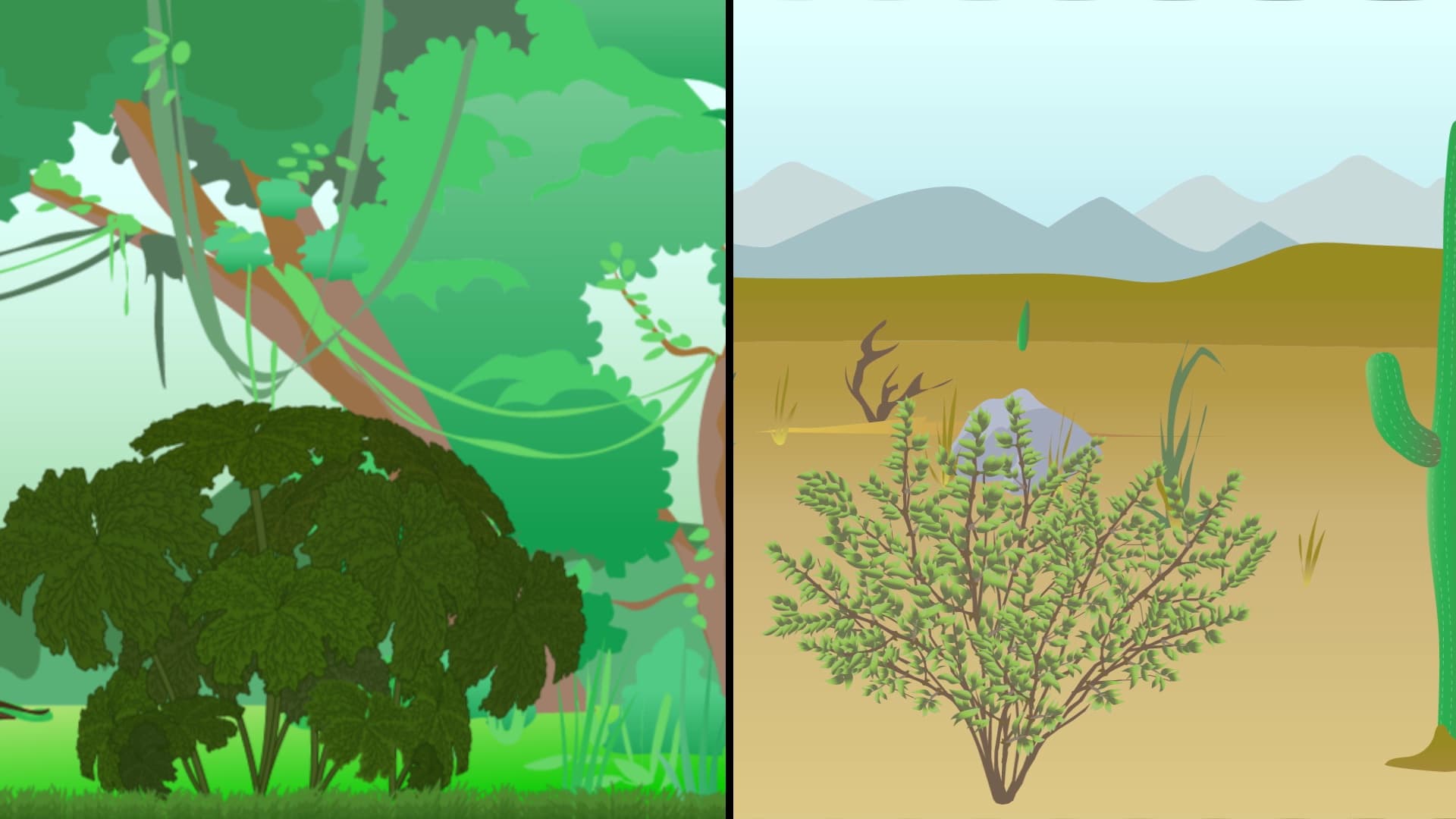
The significance of light acquisition becomes evident when examining plant communities across the United States. In the Pacific Northwest's temperate rainforests, massive ferns and broad-leafed maples dominate the understory, their expansive leaves designed to capture filtered sunlight. Meanwhile, in Nevada's Mojave Desert, creosote bushes display tiny, waxy leaves that minimize water loss while still maintaining adequate light capture for survival.
Plant leaf design reflects millions of years of evolutionary fine-tuning for light acquisition efficiency. Large leaves, such as those found on tulip trees in Appalachian forests, can intercept substantial amounts of sunlight but require significant water resources and structural support. These leaves excel in environments where water is abundant, allowing plants to prioritize maximum light capture over water conservation.
Conversely, small leaves represent an adaptation to water-stressed environments. Desert plants like palo verde trees in Arizona demonstrate how reduced leaf surface area minimizes water loss through transpiration while maintaining sufficient photosynthetic capacity. This trade-off illustrates a fundamental principle: light acquisition strategies must balance energy gain against resource costs.
The concept of leaf area index (LAI) provides a quantitative framework for understanding light acquisition efficiency. An LAI of 7 typically represents optimal light capture, where additional leaves would create excessive shading and reduce overall photosynthetic productivity. This principle explains why forest canopies naturally self-regulate their density and why agricultural practices often involve strategic pruning.
Phyllotaxy, the arrangement of leaves on plant stems, represents a sophisticated solution to the geometric challenges of light acquisition. The three primary patterns-alternate, opposite, and whorled-each offer distinct advantages depending on plant architecture and environmental conditions.
Alternate leaf arrangements, common in oak trees throughout US forests, minimize self-shading by positioning each leaf at different levels and orientations. This pattern maximizes light interception efficiency, particularly important for deciduous trees that must rapidly capture energy during growing seasons. Opposite arrangements, seen in maple species, create symmetrical canopies that distribute light capture evenly across the plant's structure.
Understanding these concepts proves essential for students preparing for AP Biology exams, where questions frequently explore the relationship between plant structure and function. College botany courses similarly emphasize how light acquisition principles explain plant community dynamics and ecosystem productivity patterns.
Related Micro-courses