Loading video…


 21 Concepts
 852.1K views

Video Summary: What Is Meristems and Plant Growth
Ever wonder how a tiny oak seedling becomes a massive tree that can live for centuries? Meristems plant growth is the secret behind this remarkable transformation, powered by specialized tissues containing undifferentiated cells that divide continuously throughout a plant's lifetime. Giant redwoods in California's national parks demonstrate this process perfectly, growing over 300 feet tall through the coordinated action of apical and lateral meristems. Understanding what is meristems and plant growth reveals how plants achieve their incredible size and longevity. Watch the full video on JoVE Coach to master this concept with expert-led visuals and step-by-step explanations.
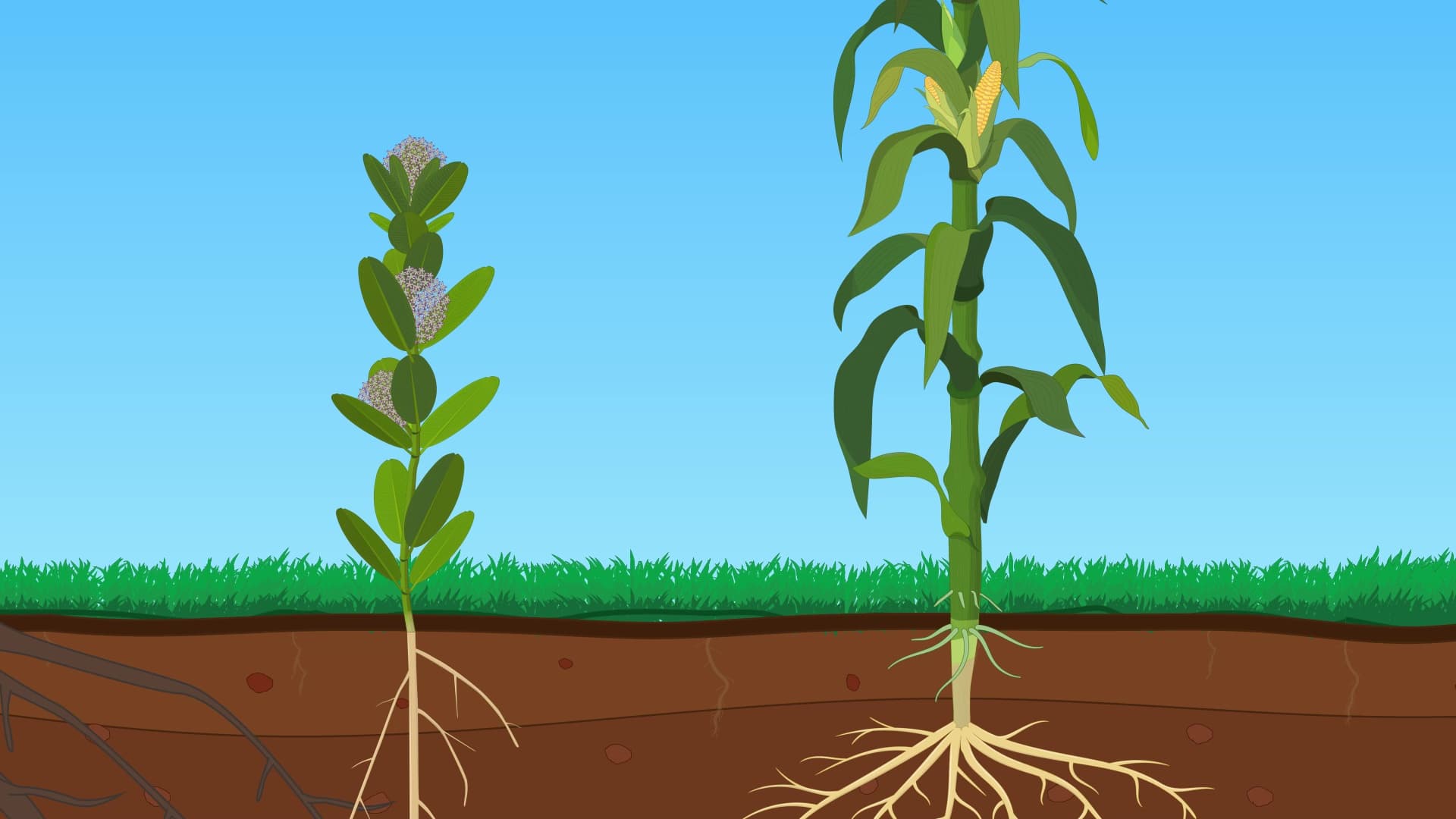
Meristems plant growth represents one of biology's most fascinating processes, fundamentally different from animal development. While most animals reach a predetermined size and stop growing, plants possess meristematic tissues that allow continuous growth throughout their entire lifespan. This indeterminate growth pattern enables a California redwood to reach heights exceeding 350 feet or allows ivy to cover entire building facades over decades.
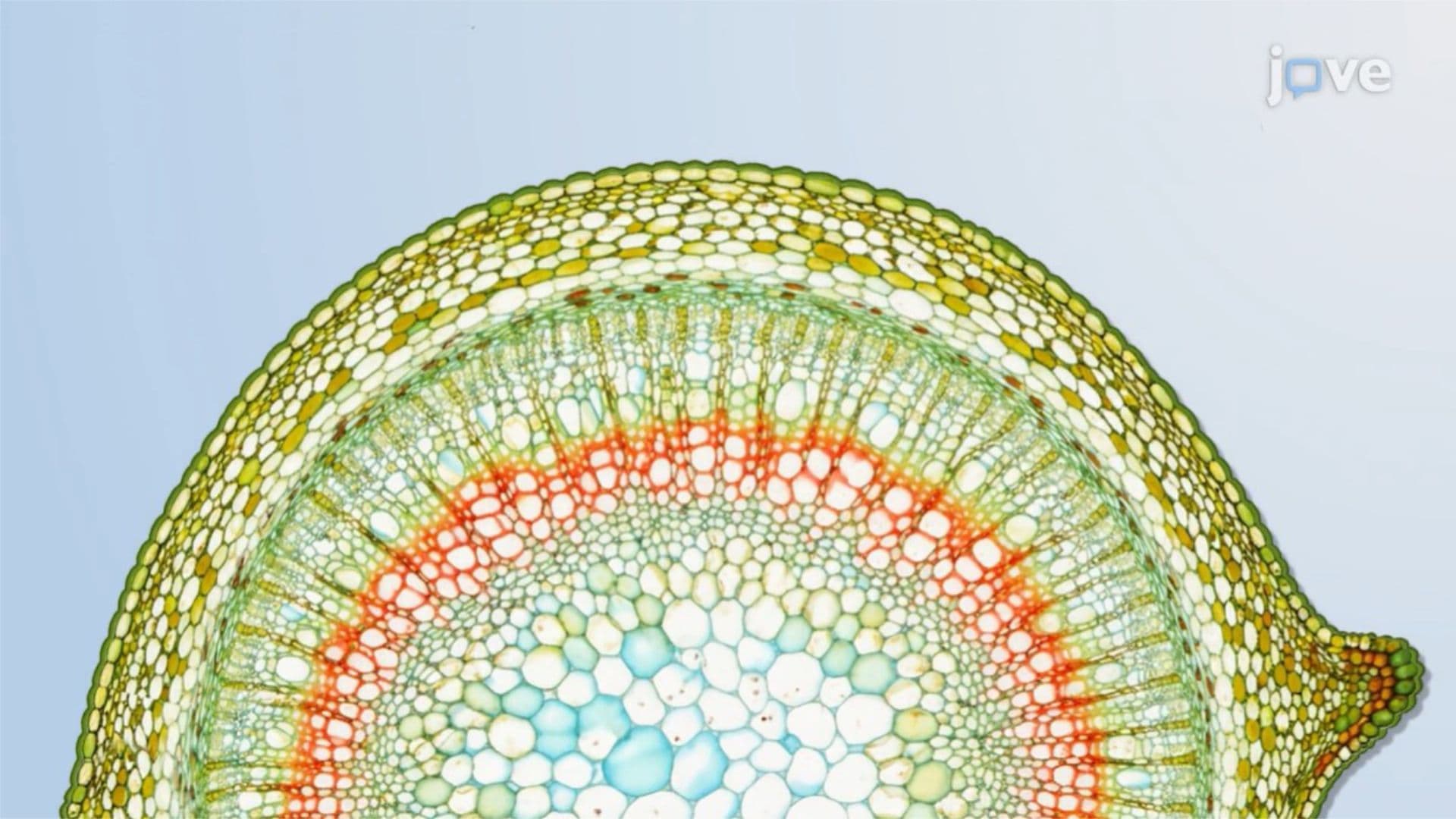
Primary growth occurs at apical meristems located at root and shoot tips, where meristems and plant growth biology explained becomes evident through cellular division patterns. These regions contain undifferentiated cells similar to animal stem cells, constantly producing new cells that either remain meristematic or begin differentiation. The three primary meristems-protoderm, ground meristem, and procambium-give rise to all primary tissues. Students studying for AP Biology exams should understand how protoderm forms the protective epidermis, ground meristem creates cortex and pith for storage and support, and procambium develops into vascular tissues for transport.
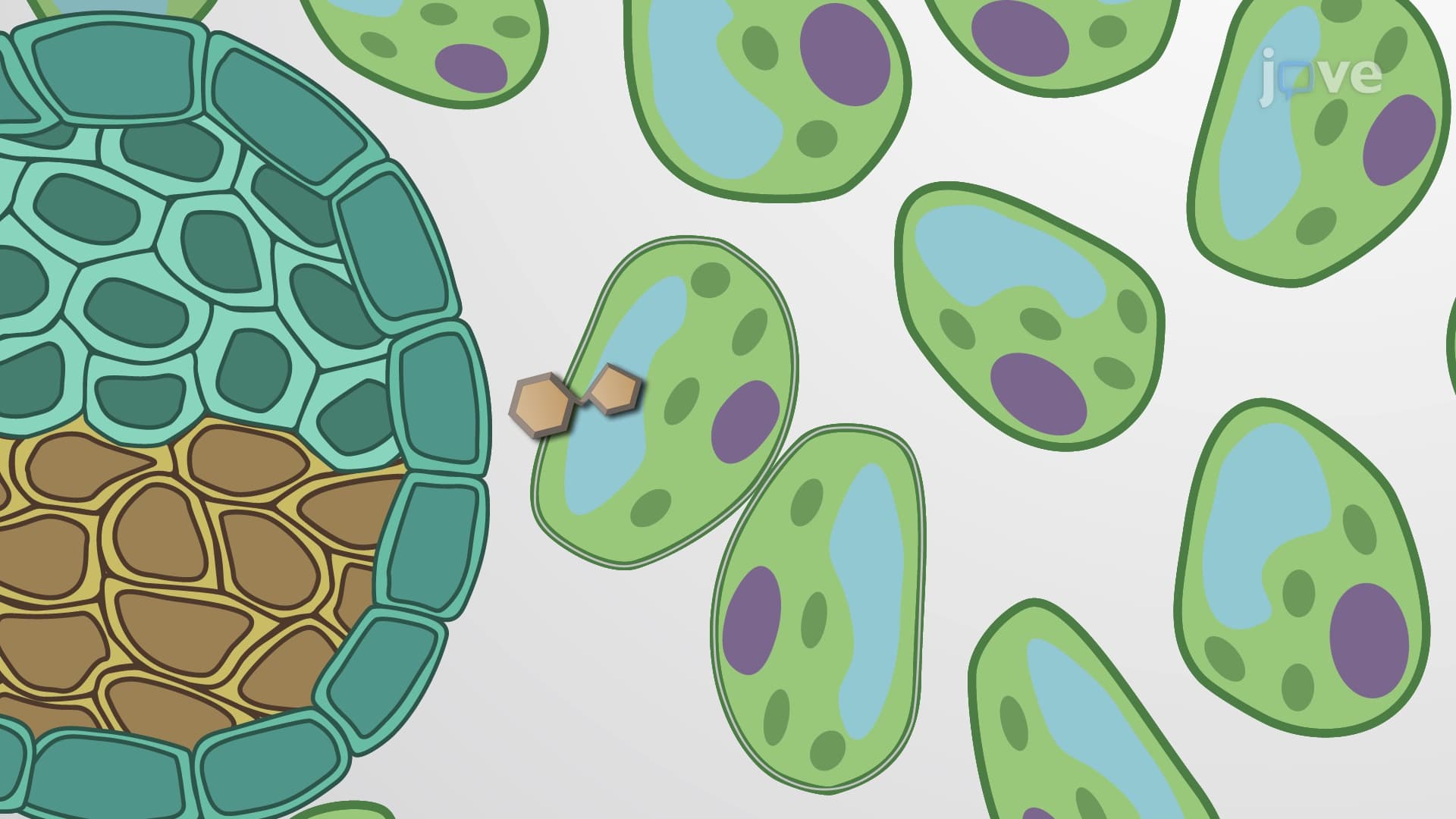
Secondary growth distinguishes woody plants from herbaceous species, involving two lateral meristems that create the familiar bark and wood structure. The vascular cambium, positioned between primary xylem and phloem, produces secondary xylem (wood) inward and secondary phloem outward. Meanwhile, cork cambium generates the protective cork layer we recognize as bark. This process is crucial for MCAT preparation, as medical students must understand how these tissues support massive tree structures.
The formation of annual growth rings demonstrates practical applications of meristems plant growth definition. Spring wood cells have larger diameters and thinner walls due to abundant water and rapid growth, while summer wood is denser with smaller cells. Dendrochronologists at institutions like the University of Arizona use these patterns to reconstruct climate history, with thick rings indicating favorable growing conditions and thin rings revealing drought or cold periods. This concept frequently appears in college botany courses and environmental science curricula.
Related Micro-courses