Loading subject page…


852,103 views


Video Summary: What Is Morphogenesis
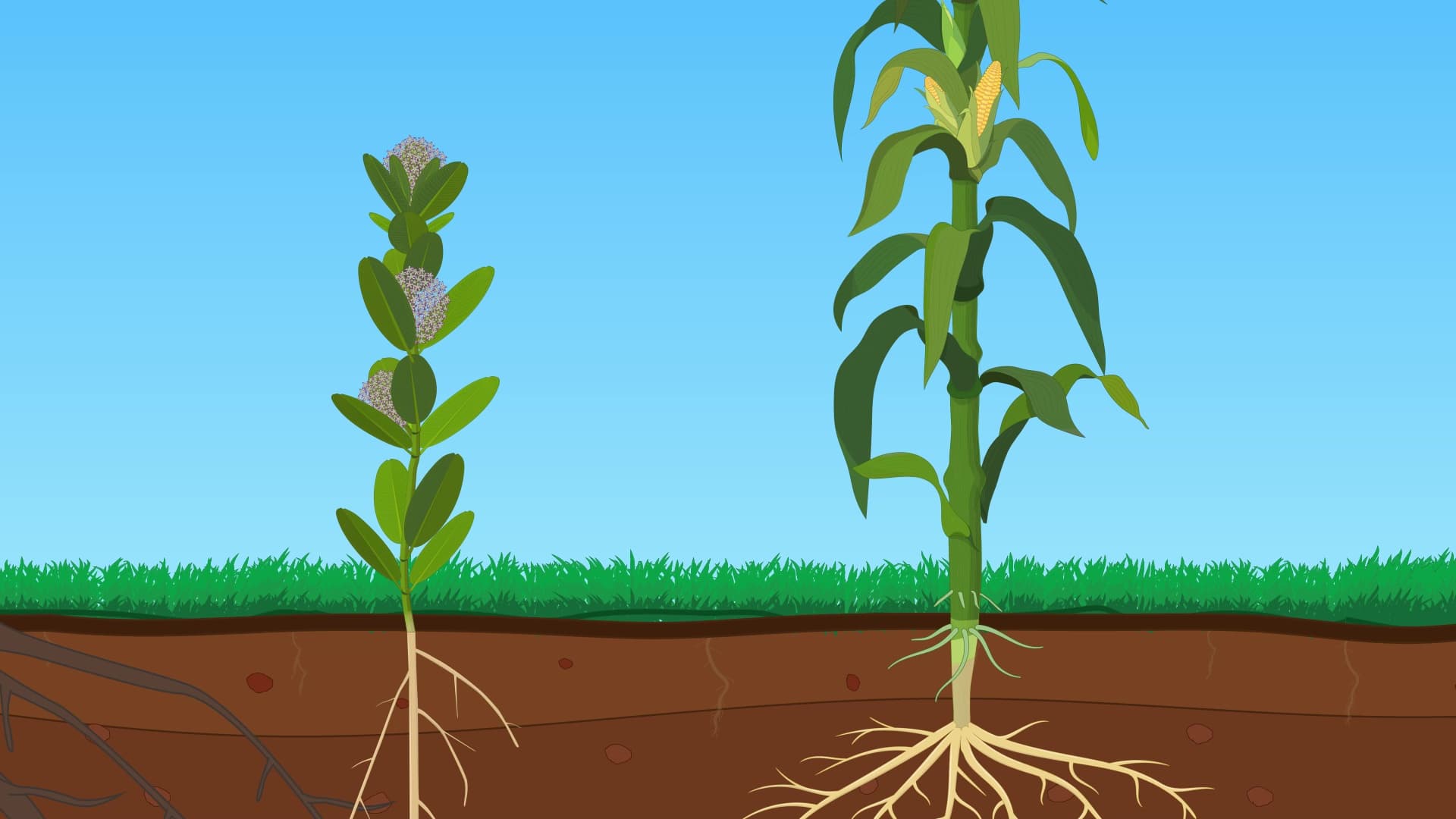
Ever wonder how a tiny seed becomes a towering California redwood or how a corn plant knows to grow upward toward sunlight? Morphogenesis is the fascinating biological process that controls how organisms develop their shape and structure. In plants, this involves three key mechanisms: growth through cell division and elongation, cell differentiation into specialized types, and cell-to-cell communication that coordinates development. Environmental factors like light and water availability also influence how plants take shape. Watch the full video on JoVE Coach to master this concept with expert-led visuals and step-by-step explanations.
What is morphogenesis in the plant kingdom? This fundamental biological process orchestrates how plants develop from single cells into complex, multicellular organisms with distinct shapes and structures. Unlike animal development, plant morphogenesis continues throughout the organism's lifetime, allowing for continuous adaptation to environmental conditions. This process is particularly crucial for understanding how crops like corn, wheat, and soybeans develop their characteristic forms-knowledge essential for agricultural advances and food security.
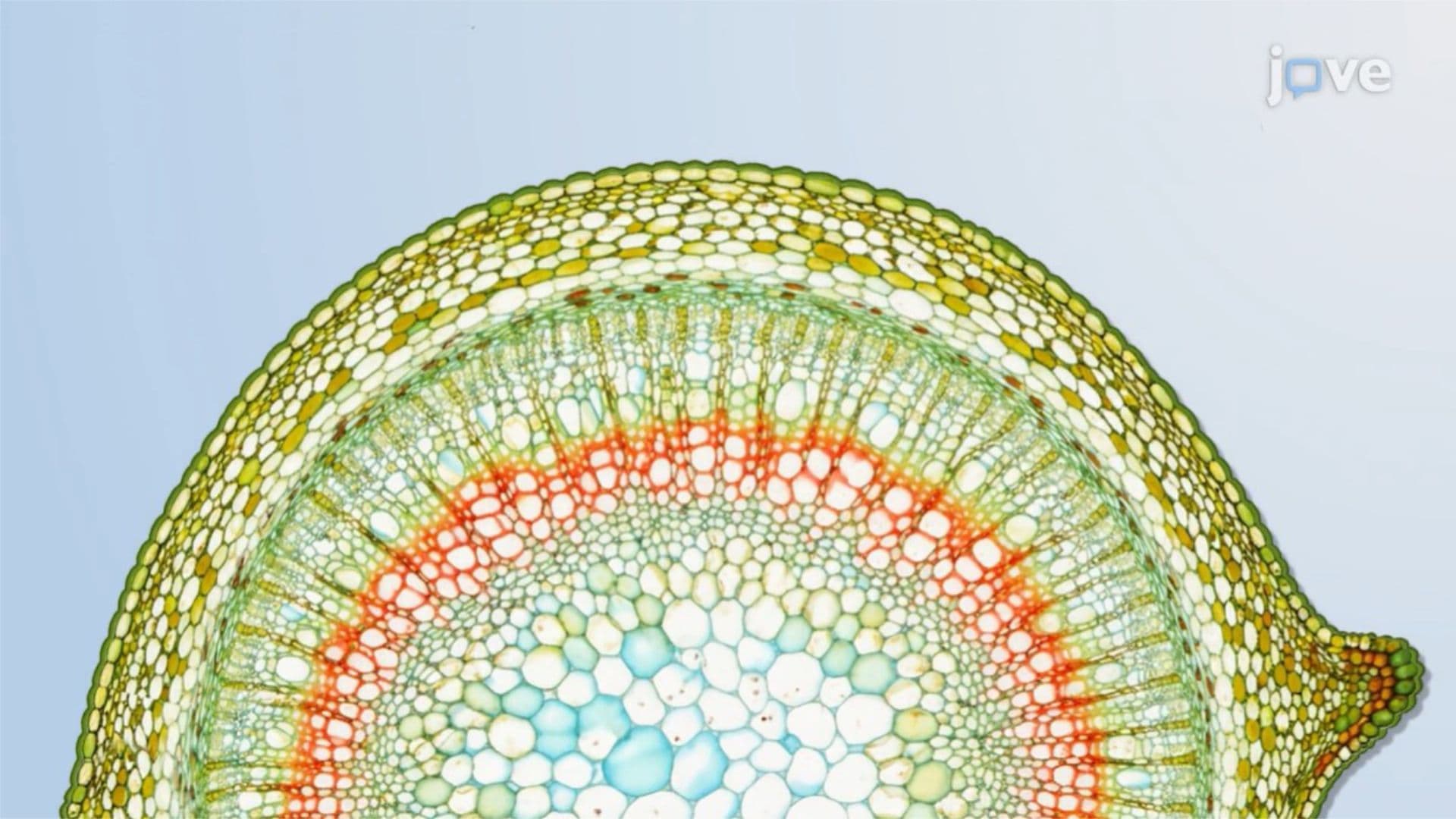
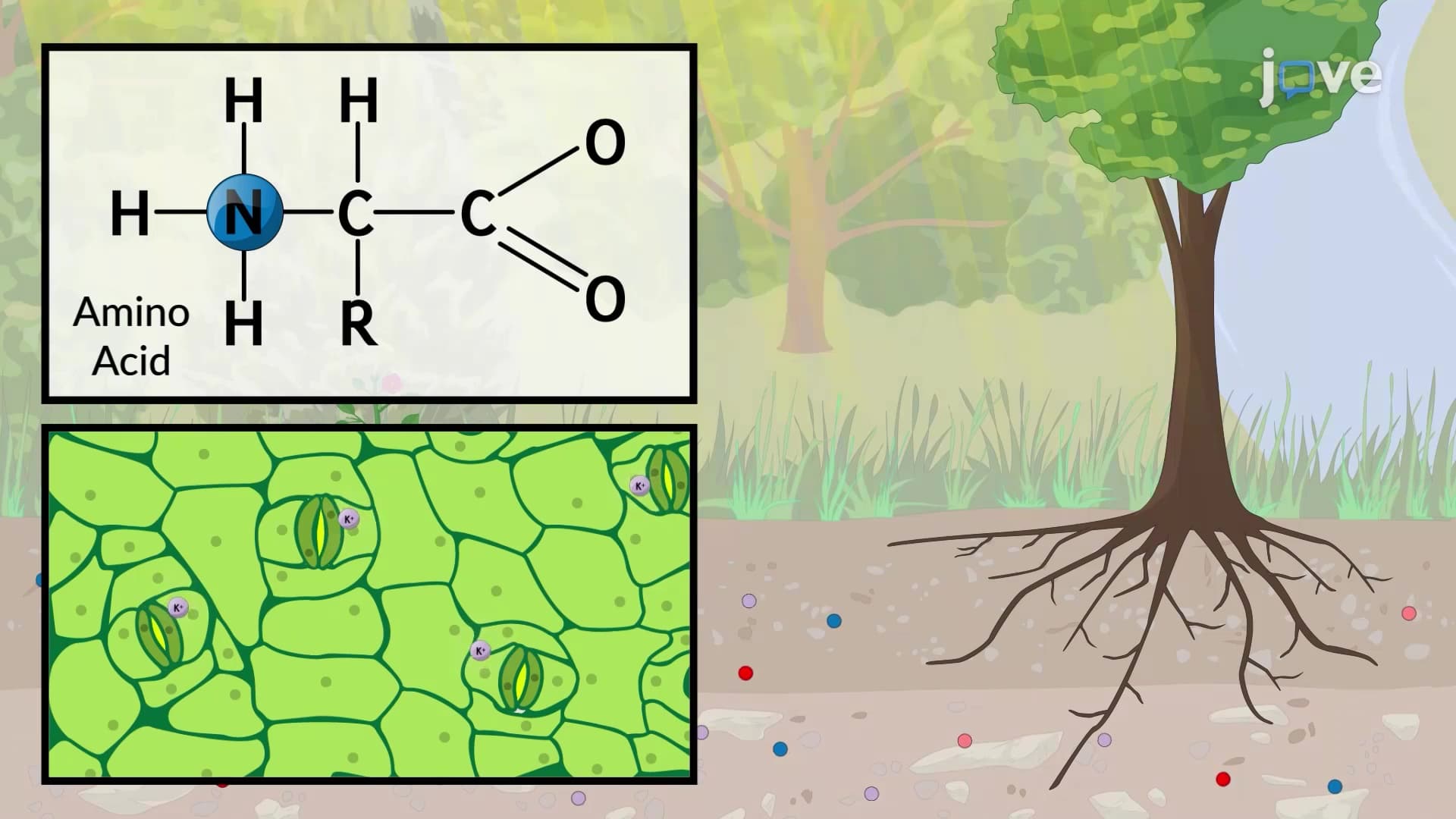
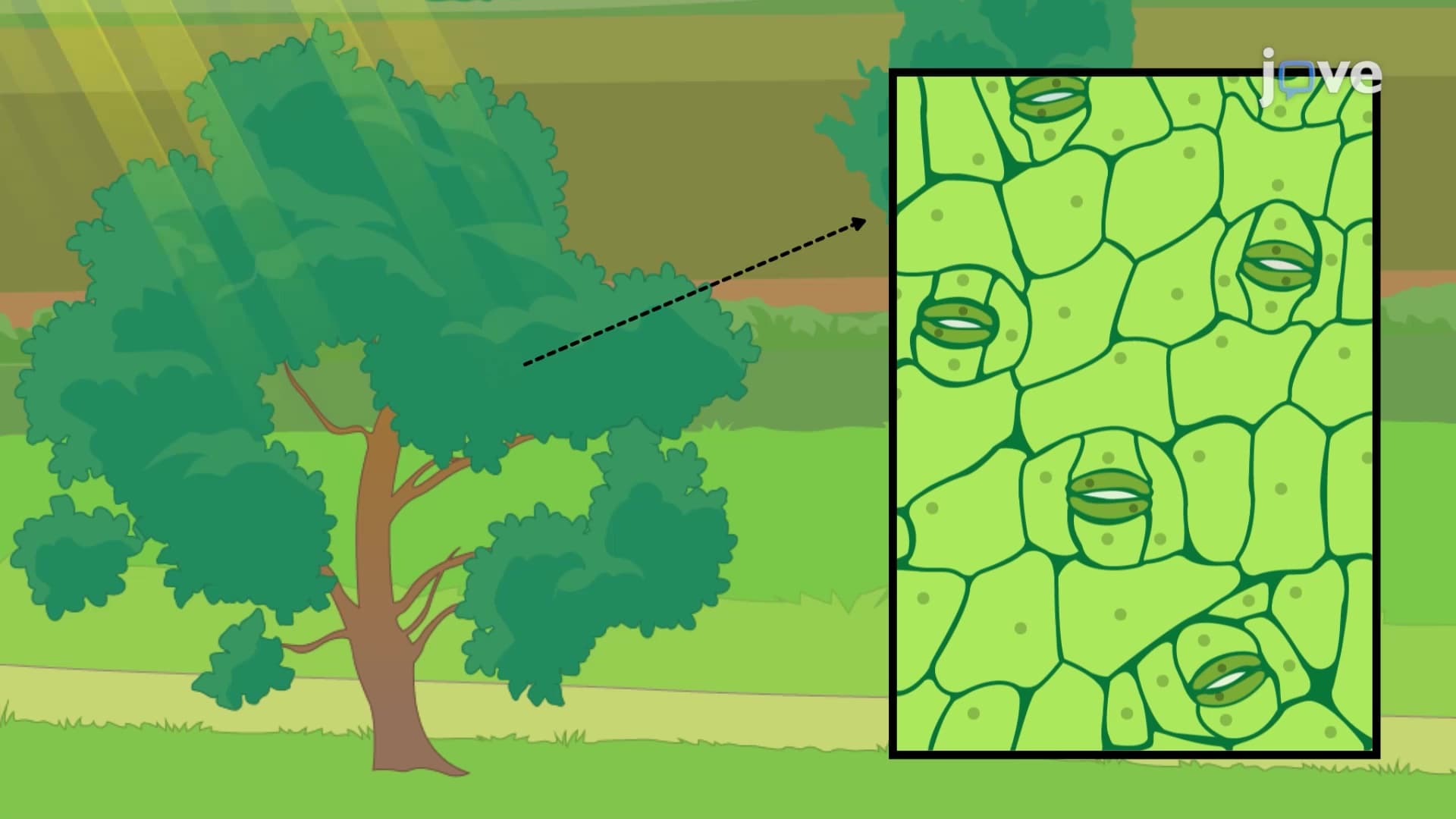
Plant growth operates through two primary mechanisms that work in concert. Cell division creates new cellular material, with the division plane's orientation critically determining plant architecture. For instance, guard cells surrounding leaf pores form through asymmetrical divisions-a process students frequently encounter on AP Biology exams. However, most plant growth actually occurs through cell elongation, where differentiated cells permanently increase in size by absorbing water into their central vacuoles. This water uptake mechanism explains why plants wilt during drought conditions and recover when watered.
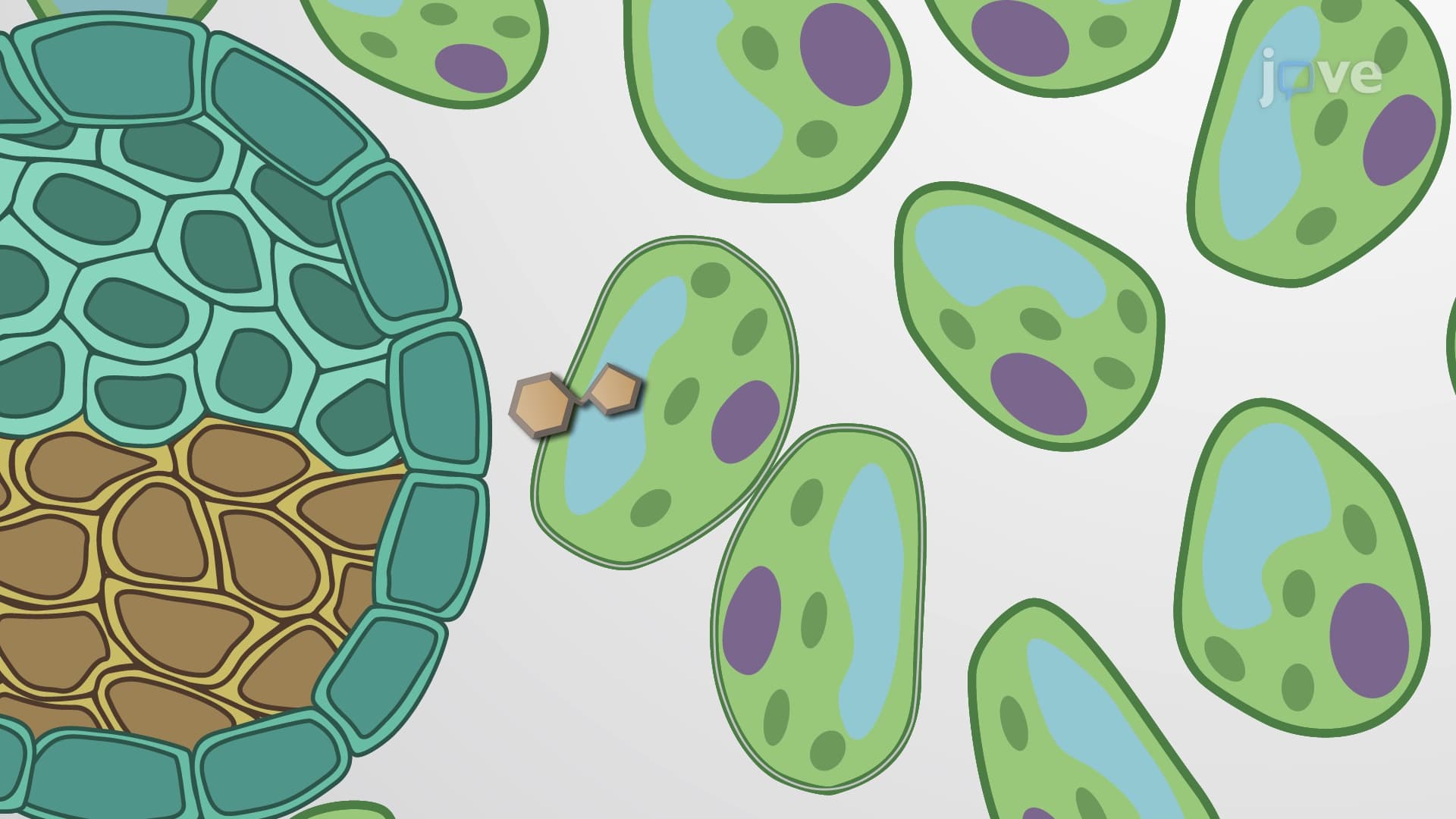
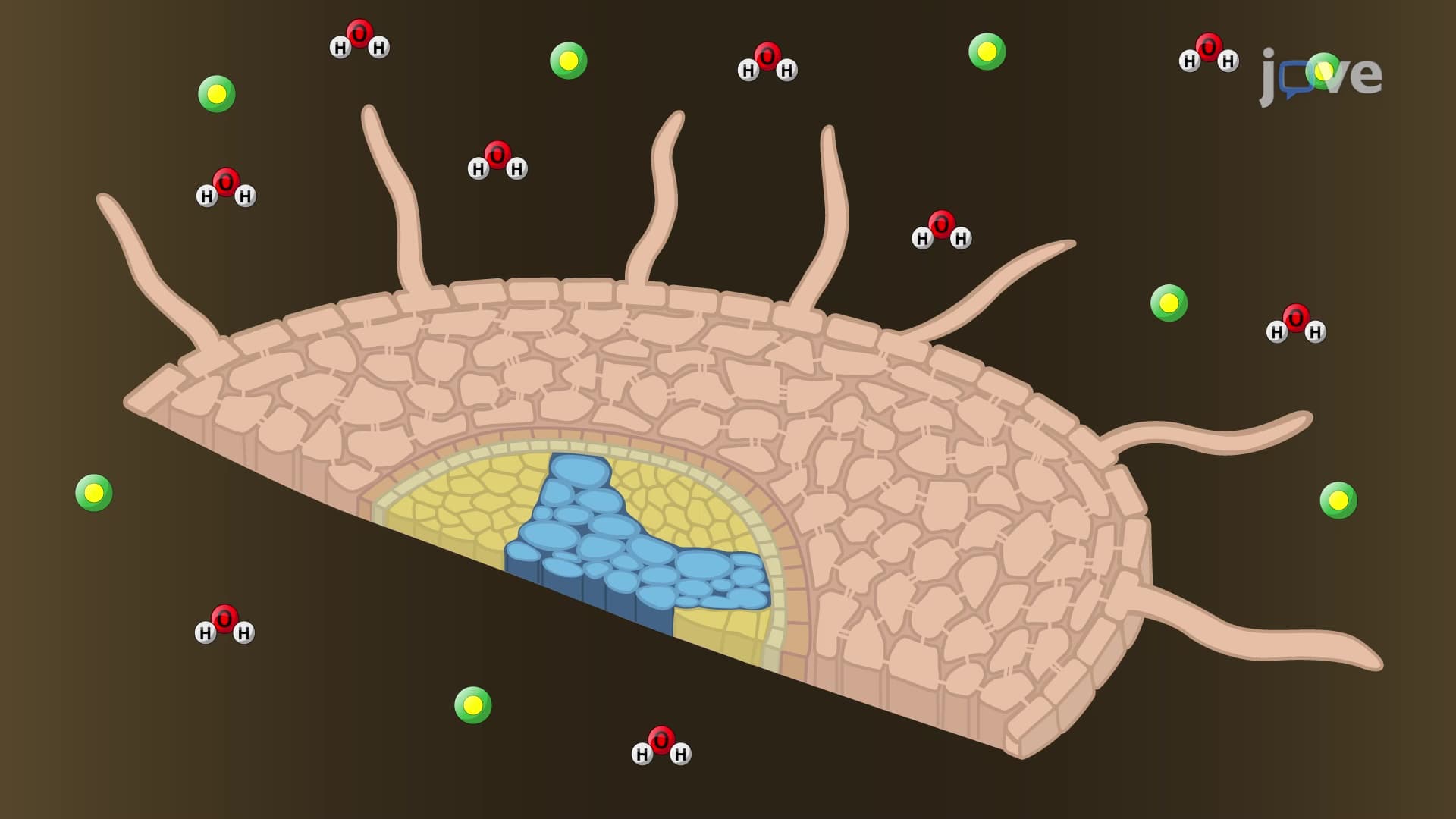
The morphogenesis biology explained reveals how generic plant cells transform into specialized cell types through differential gene expression. This process involves activating or silencing specific protein-coding genes, creating diverse cellular functions within the same organism. MCAT students should note that this differentiation is often irreversible in plants, unlike some animal cell types. The Arabidopsis root system provides an excellent model: epidermal cells in contact with one cortical cell become smooth, while those touching two cortical cells develop into root hairs-a pattern crucial for nutrient absorption.
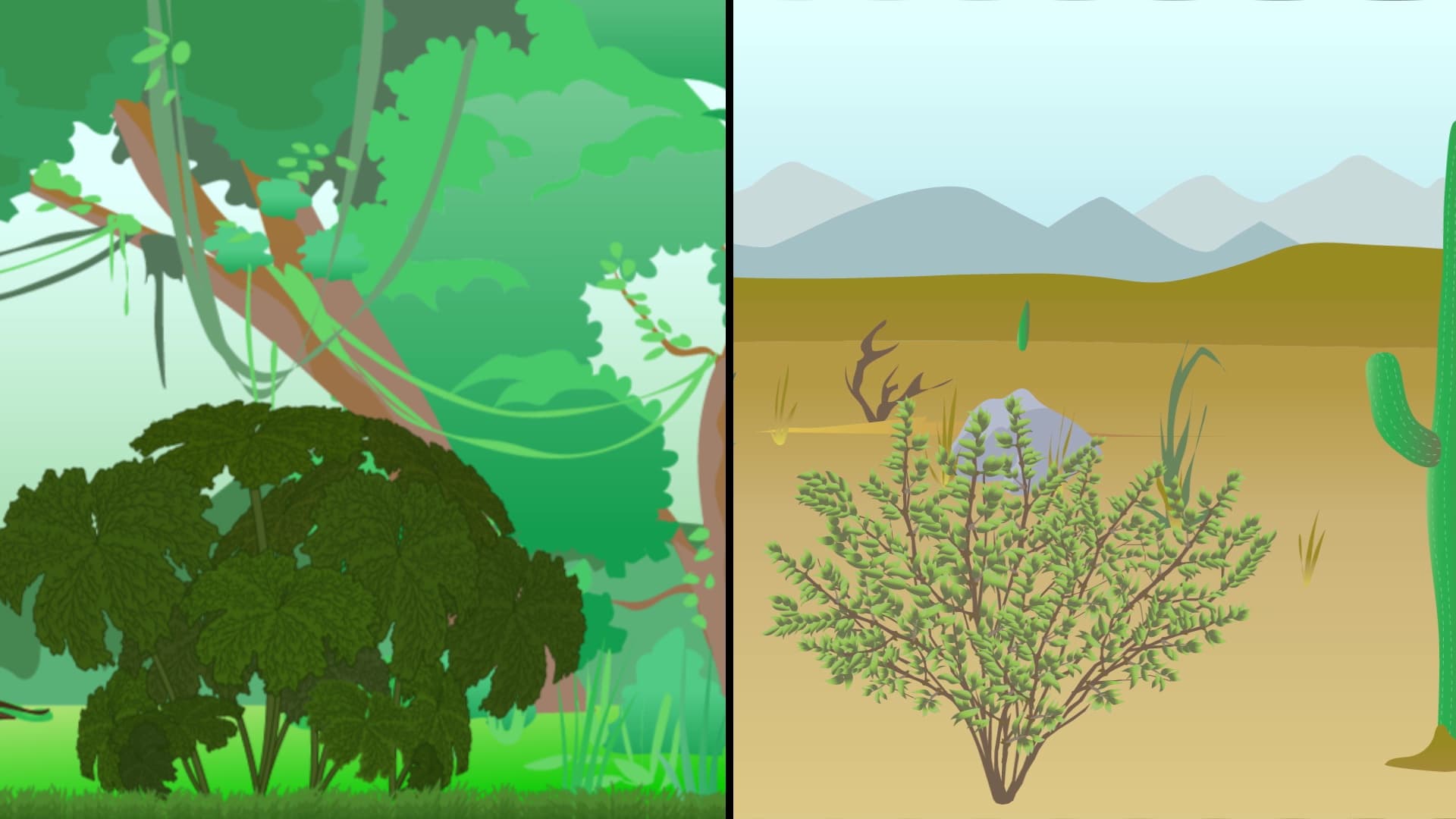
Cell-to-cell communication coordinates these developmental processes across the entire plant body. Chemical signals ensure that different plant regions develop appropriately relative to each other. Environmental factors like photoperiod length, temperature fluctuations, and nutrient availability significantly influence morphogenetic outcomes. This explains why the same plant species can look dramatically different when grown in various US climate zones, from Florida's humid conditions to Colorado's high-altitude environment.
Related Micro-courses