Loading video…


 21 Concepts
 852.1K views

Video Summary: What Is Phloem and Sugar Transport
Ever wonder how a towering California redwood delivers sugar from its sun-soaked canopy to roots buried 20 feet underground? Phloem sugar transport is the remarkable highway system that moves life-sustaining nutrients throughout every plant on Earth. This process, called translocation, connects sugar-producing leaves to energy-hungry roots, stems, and fruits through specialized tubes that function like a plant's circulatory system. Watch the full video on JoVE Coach to master this concept with expert-led visuals and step-by-step explanations.
Phloem and sugar transport represents one of nature's most sophisticated distribution systems, rivaling the complexity of human logistics networks. Unlike the xylem's one-way water highway, phloem creates a bidirectional superhighway that can redirect sugar flow based on seasonal demands and plant development stages.
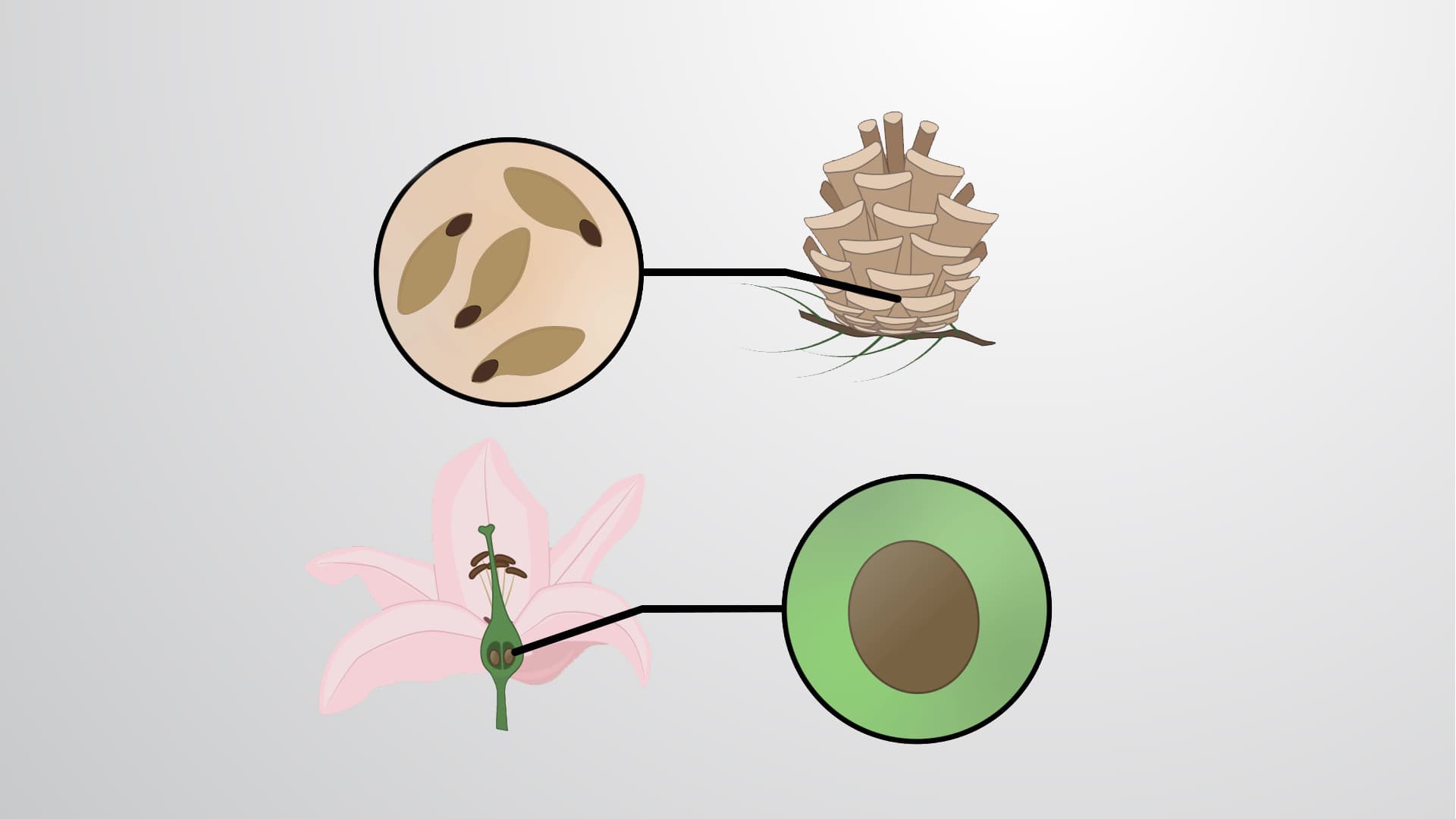
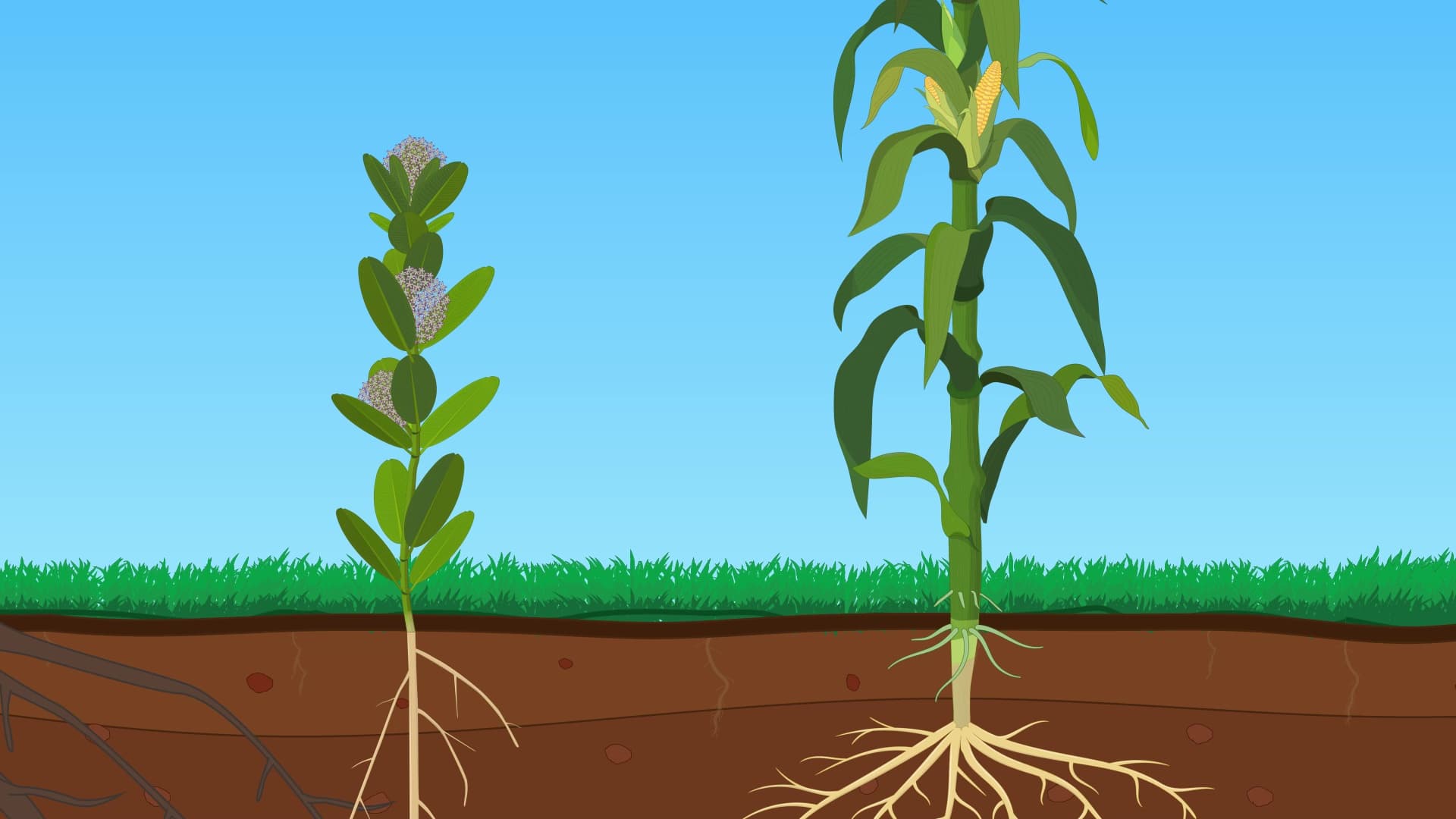
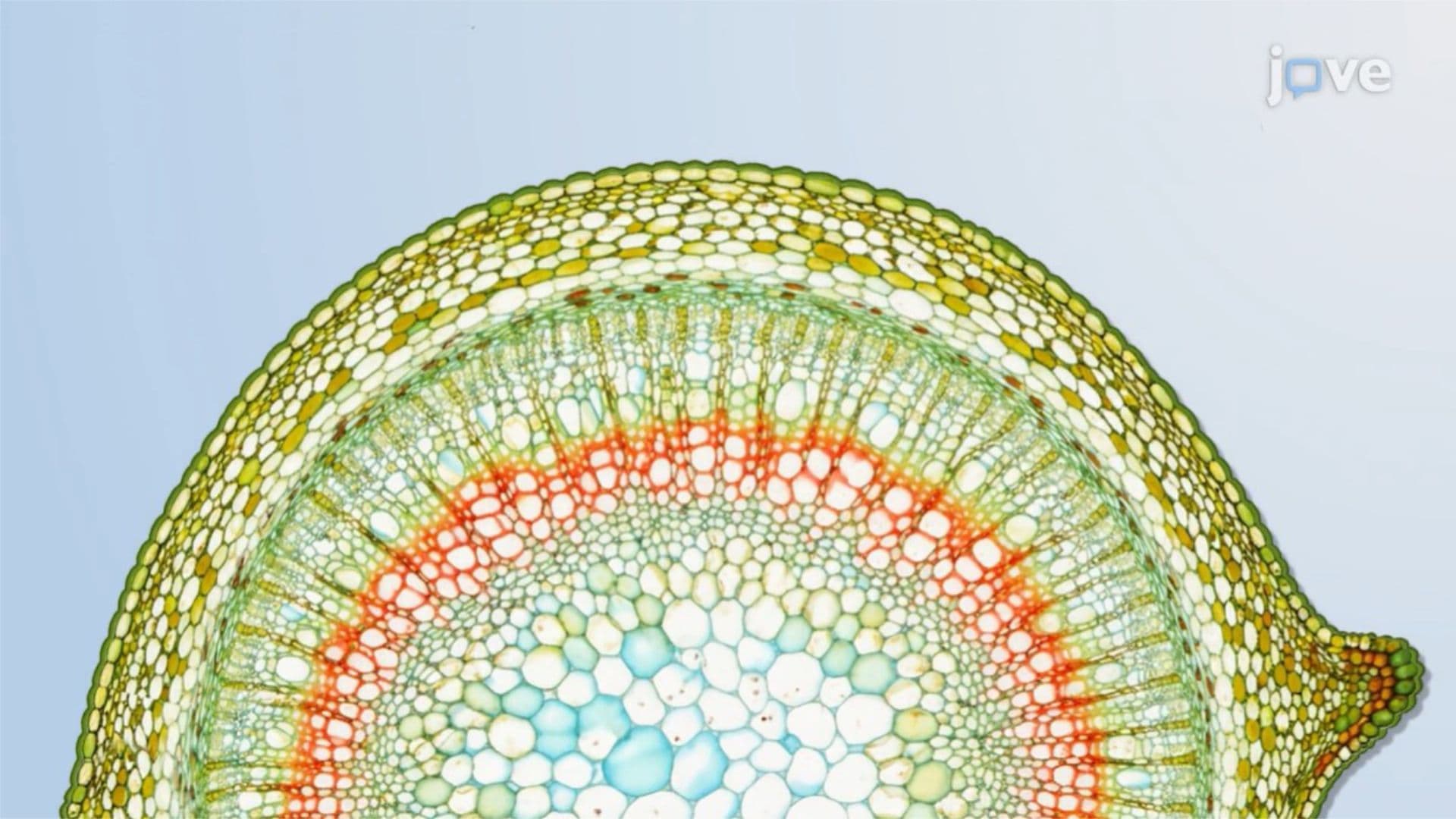
In angiosperms (flowering plants), phloem tissue consists of highly specialized sieve-tube elements arranged like microscopic train cars connected end-to-end. These living cells have perforated end walls called sieve plates, creating continuous tubes that can stretch from the highest leaf to the deepest root. Each sieve-tube element partners with a companion cell that maintains its metabolic functions, since mature sieve-tube elements lack nuclei and most organelles.
The driving force behind phloem sugar transport follows the elegant pressure-flow hypothesis, first proposed by Ernst Münch in 1930. Sugar sources-primarily mature leaves conducting photosynthesis-actively load sucrose into phloem tubes. This process occurs through symplastic pathways (direct cell-to-cell connections via plasmodesmata) or apoplastic pathways (through cell walls and extracellular spaces).
When sugar concentrates in source regions, water follows by osmosis, creating hydrostatic pressure that propels phloem sap toward sink tissues. Sink tissues include growing shoots, developing fruits, storage roots, and any plant part consuming more sugar than it produces. At sink locations, sugar unloads either passively through diffusion or actively through transport proteins, allowing water to exit and relieving pressure.
Understanding phloem transport proves crucial for agricultural applications across American farming. Fruit growers manipulate source-sink relationships through pruning techniques, removing excess leaves (sources) to concentrate sugar in developing fruits (sinks). This principle explains why California wine grape producers remove lower leaves during véraison, directing sugar to ripening grape clusters.
For AP Biology students, phloem transport frequently appears in free-response questions about plant structure and function. College-level botany courses explore this concept when examining plant physiology, while pre-medical students encounter it in MCAT passages about organismal systems. Understanding the pressure-flow mechanism helps explain why girdling (removing bark containing phloem) eventually kills trees-it disrupts sugar transport to roots, causing them to starve despite continued photosynthesis in leaves.
Modern plant pathology research investigates how diseases affect phloem function. For instance, citrus greening disease, devastating Florida's orange industry, involves bacteria that colonize phloem tissue and disrupt sugar transport. This connection between basic plant biology and agricultural economics demonstrates why understanding phloem transport extends far beyond classroom learning into real-world problem-solving.
Related Micro-courses