Loading subject page…


852,106 views

Video Summary: What Is Plant Diversity
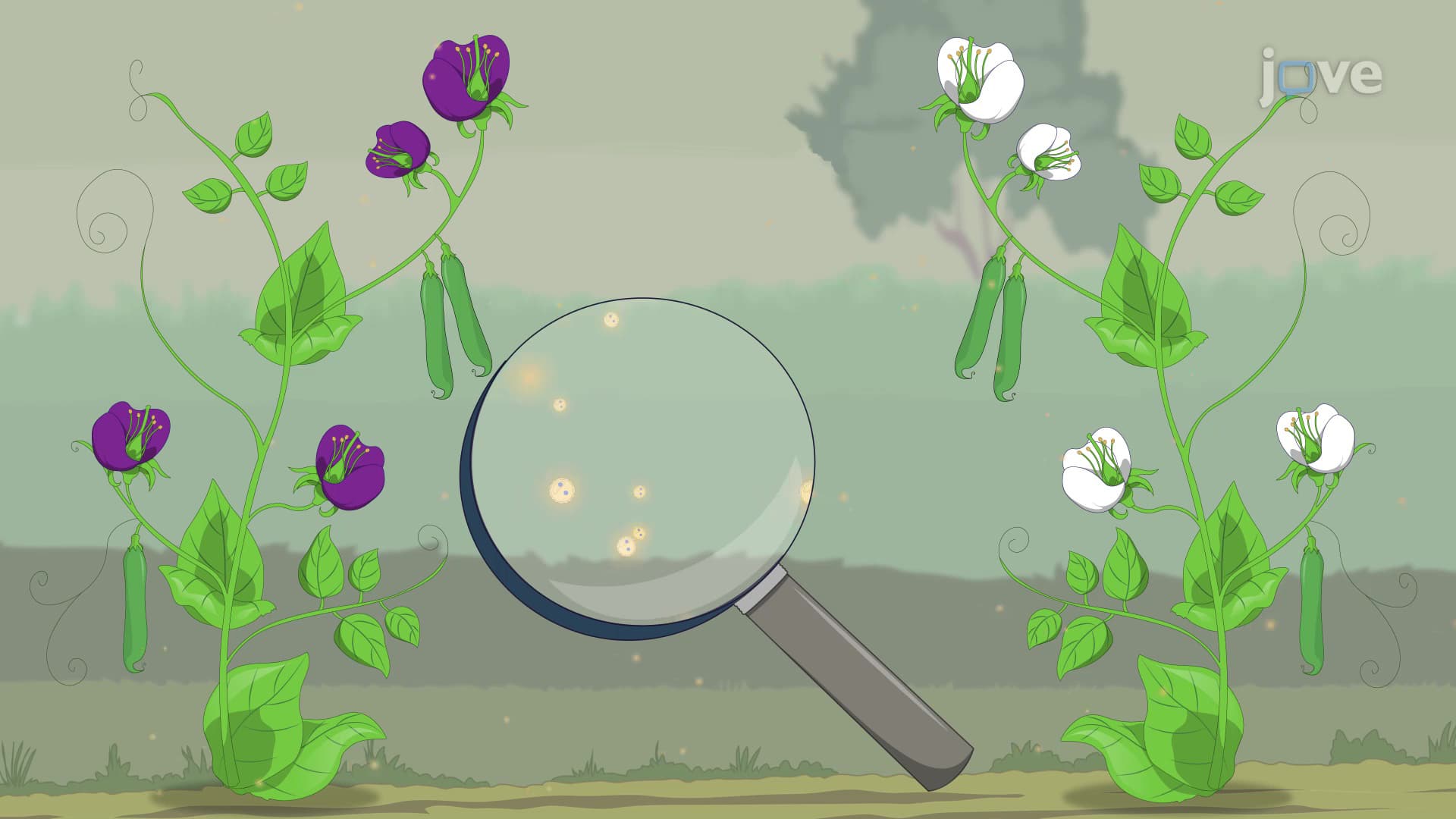
Plant diversity encompasses the incredible variety of plant species that transformed Earth from barren continents into thriving ecosystems supporting millions of organisms. Understanding what is plant diversity reveals how plants evolved shared characteristics-multicellular structure, chlorophyll-based photosynthesis, cellulose cell walls, and alternation of generations-while developing distinct adaptations across three major groups. From California's towering redwoods to Florida's delicate mosses, plant diversity demonstrates nature's remarkable evolutionary solutions. Watch the full video on JoVE Coach to master this concept with expert-led visuals and step-by-step explanations.
Plant diversity represents one of biology's most fascinating success stories, encompassing the remarkable variety of plant species that have evolved to occupy virtually every terrestrial habitat on Earth. This diversity stems from plants' shared evolutionary heritage combined with specialized adaptations that allowed different lineages to thrive in unique ecological niches. From the microscopic mosses carpeting forest floors to the massive sequoias of California's Sierra Nevada, plant diversity demonstrates how fundamental biological principles can manifest in countless forms while maintaining core structural and functional similarities.
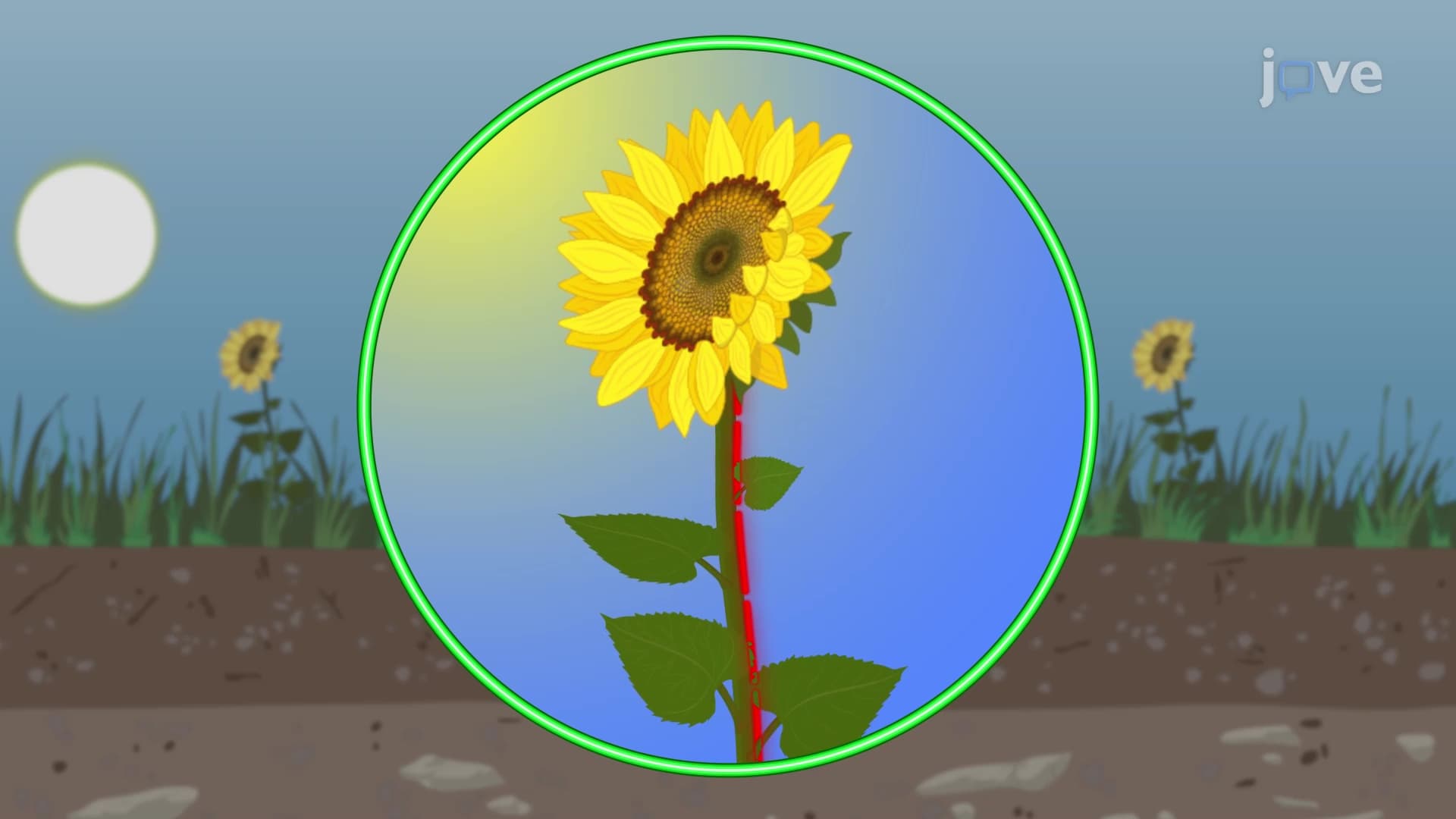
All plants, despite their incredible variety, share four defining characteristics that unite them as a distinct group of organisms. These multicellular eukaryotes possess complex cellular organization with membrane-bound organelles, distinguishing them from simpler prokaryotic organisms. Their chloroplast-contained chlorophyll enables photosynthesis, making plants the primary producers that form the base of most food webs. The cellulose cell walls provide structural support essential for terrestrial life, while the alternation of generations life cycle-alternating between haploid gametophyte and diploid sporophyte phases-represents a unique reproductive strategy that maximizes genetic diversity.
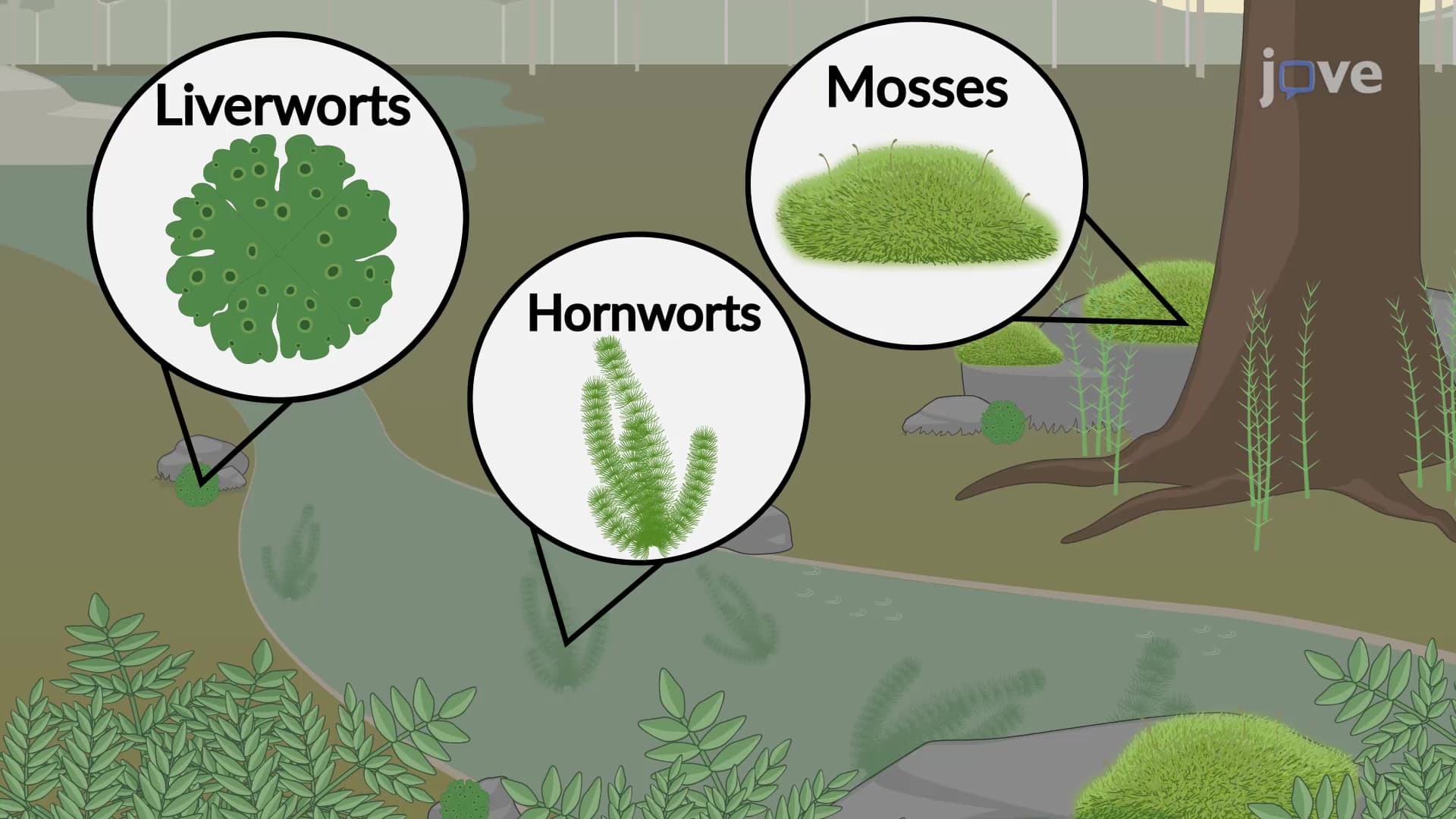
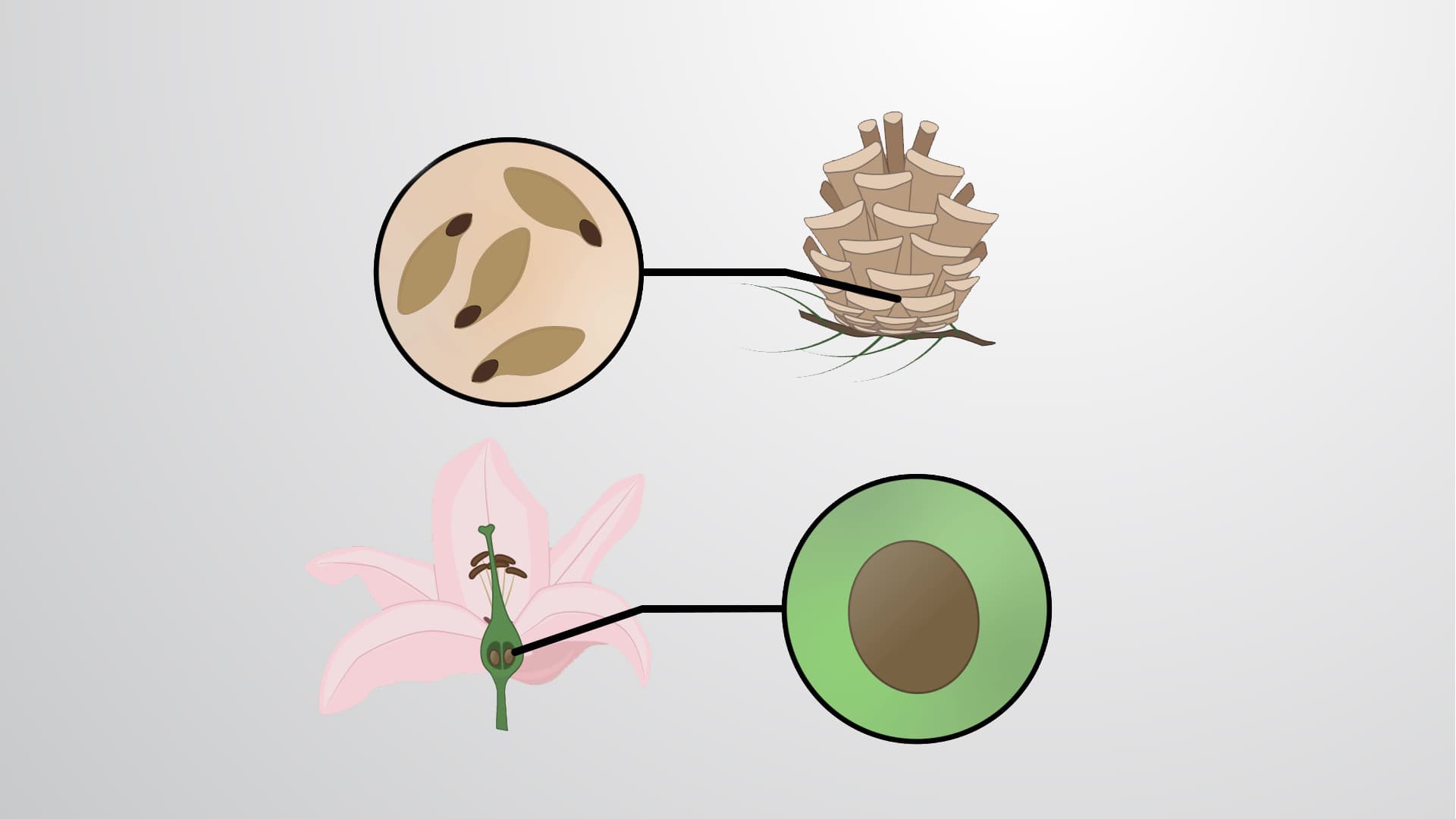
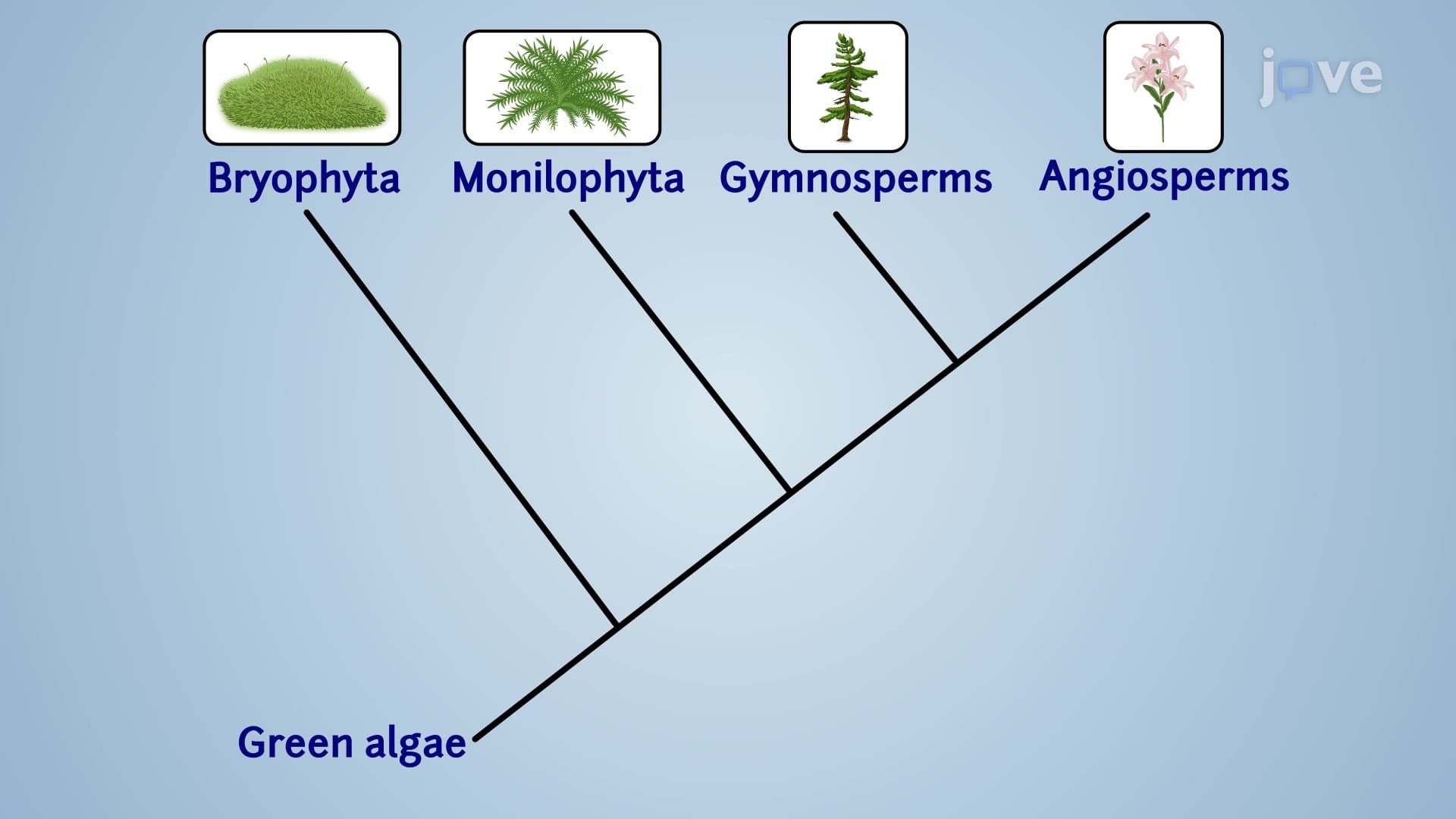
Plant diversity manifests through three major evolutionary groups, each representing significant adaptive breakthroughs. Nonvascular plants like mosses and liverworts lack specialized transport tissues, limiting their size but allowing them to colonize moist environments. Seedless vascular plants, including ferns and horsetails, developed xylem and phloem for efficient water and nutrient transport, enabling larger body sizes and colonization of drier habitats. Seed plants, comprising gymnosperms and angiosperms, evolved reproductive structures that protect developing embryos, facilitating dispersal and survival in diverse environments.
Understanding plant diversity proves crucial for success in AP Biology, college botany courses, and standardized tests like the MCAT. Students frequently encounter questions about plant classification, life cycles, and evolutionary relationships. This knowledge applies directly to environmental science careers, agriculture, and conservation biology. For example, understanding how different plant groups adapted to terrestrial challenges helps explain crop breeding strategies, forest management practices, and ecosystem restoration efforts across American landscapes from the Great Plains grasslands to the Appalachian Mountains.
Related Micro-courses